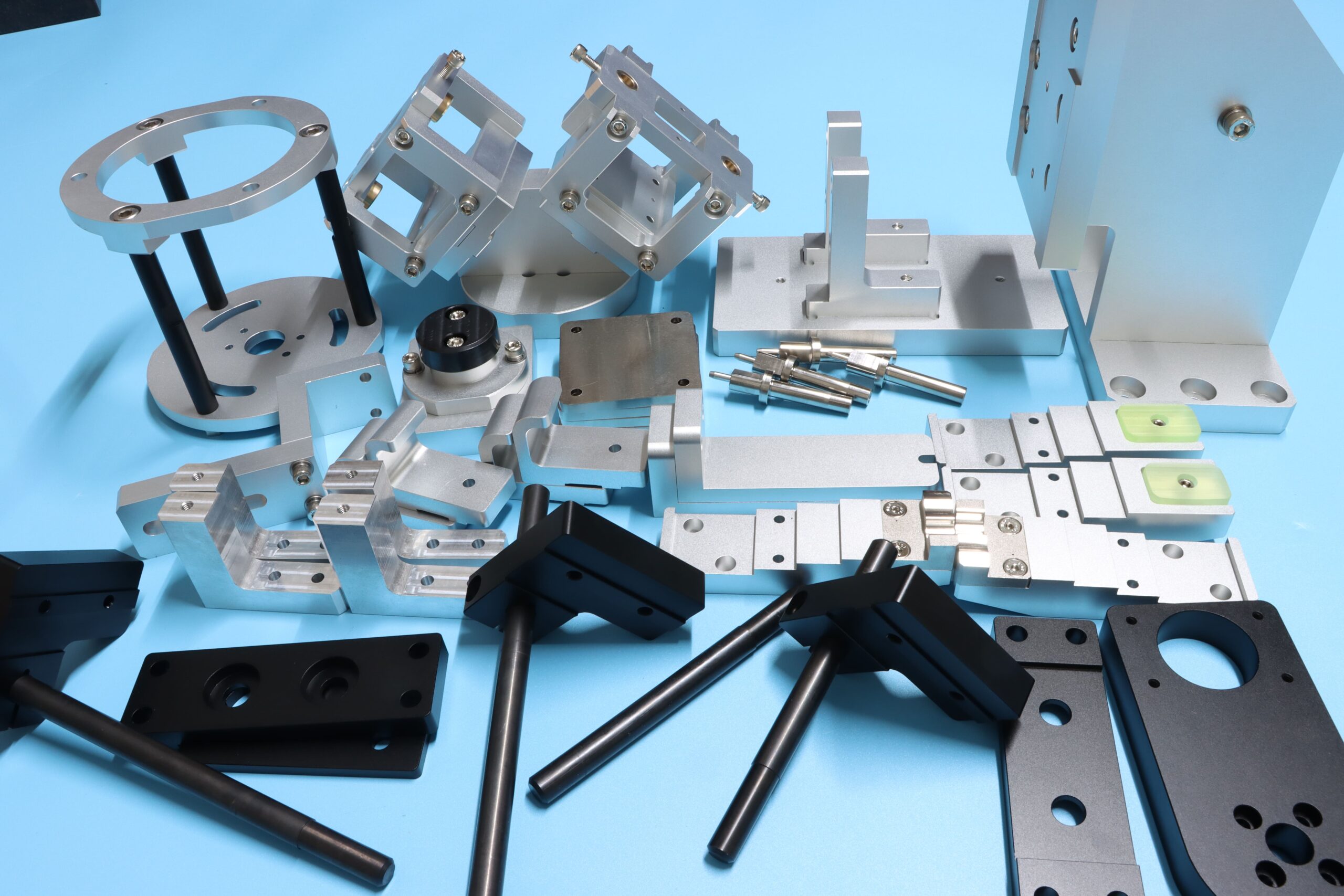
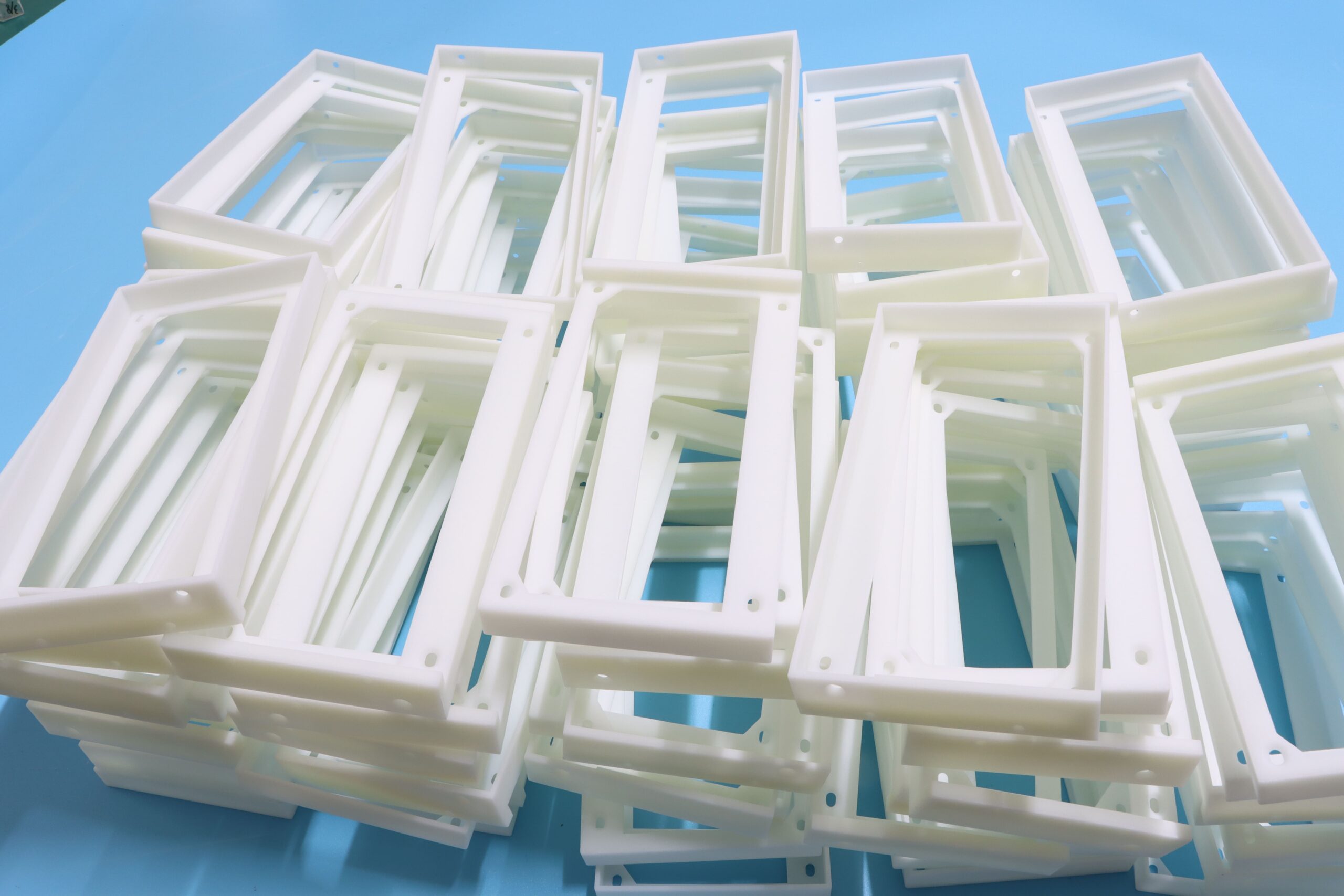
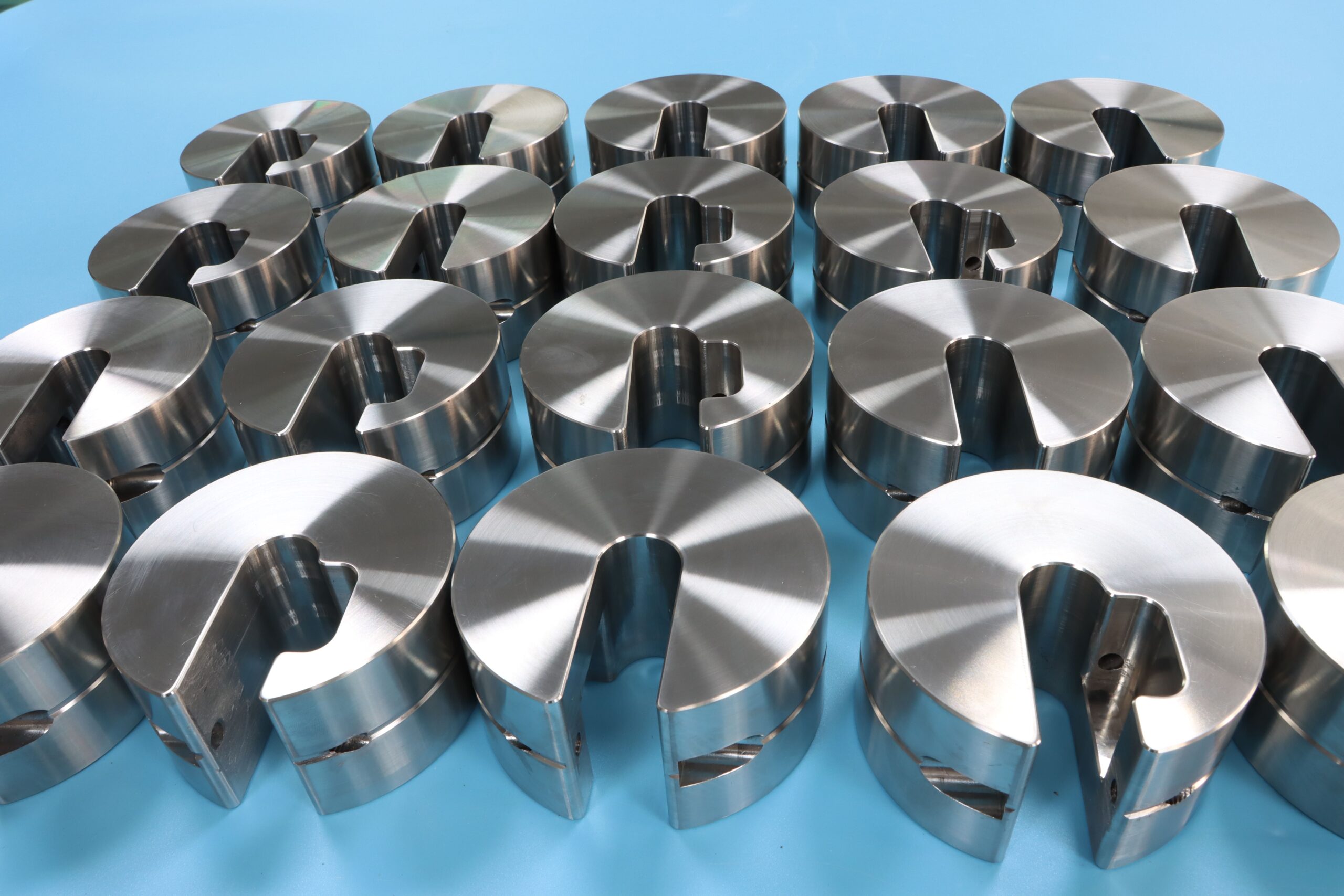
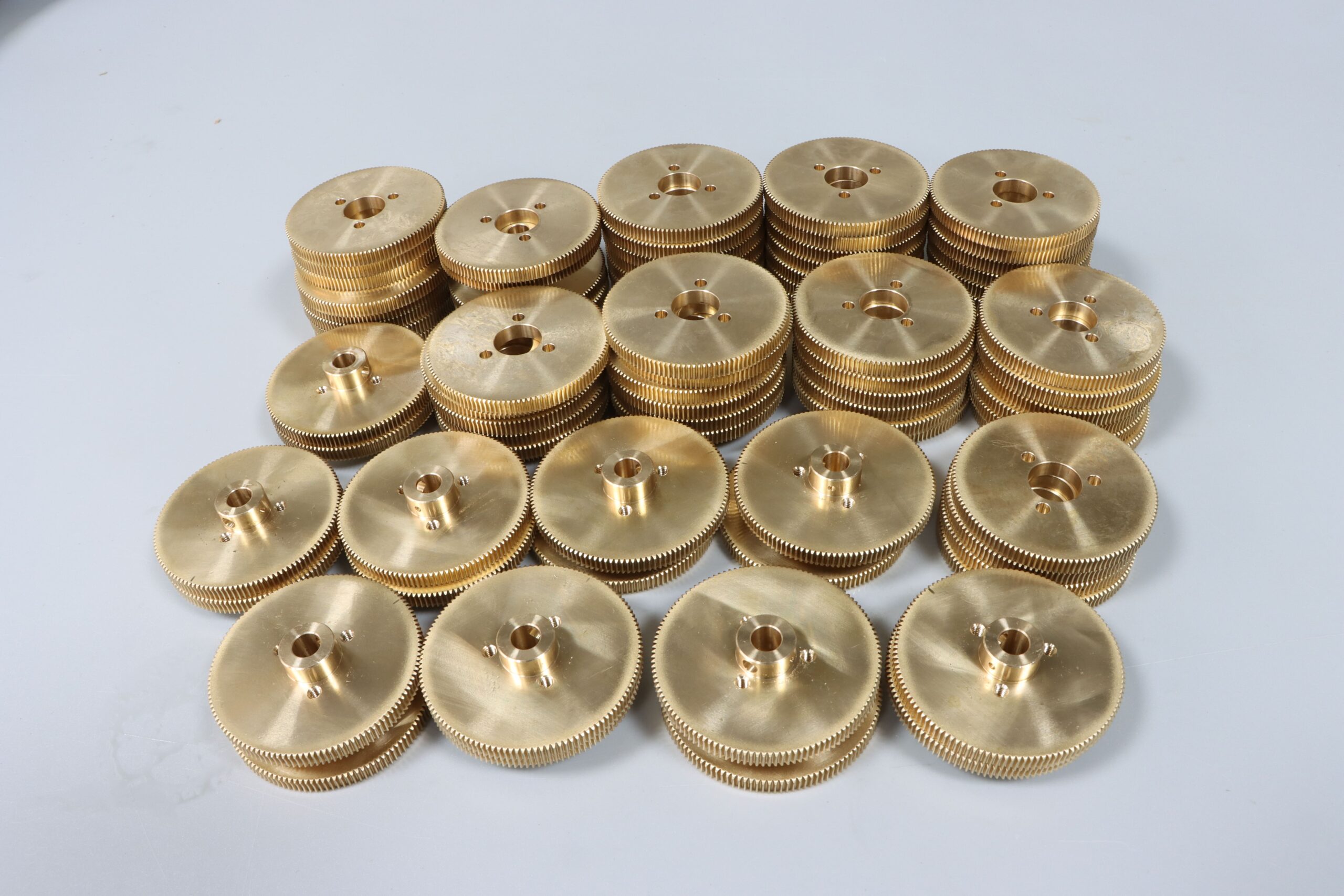
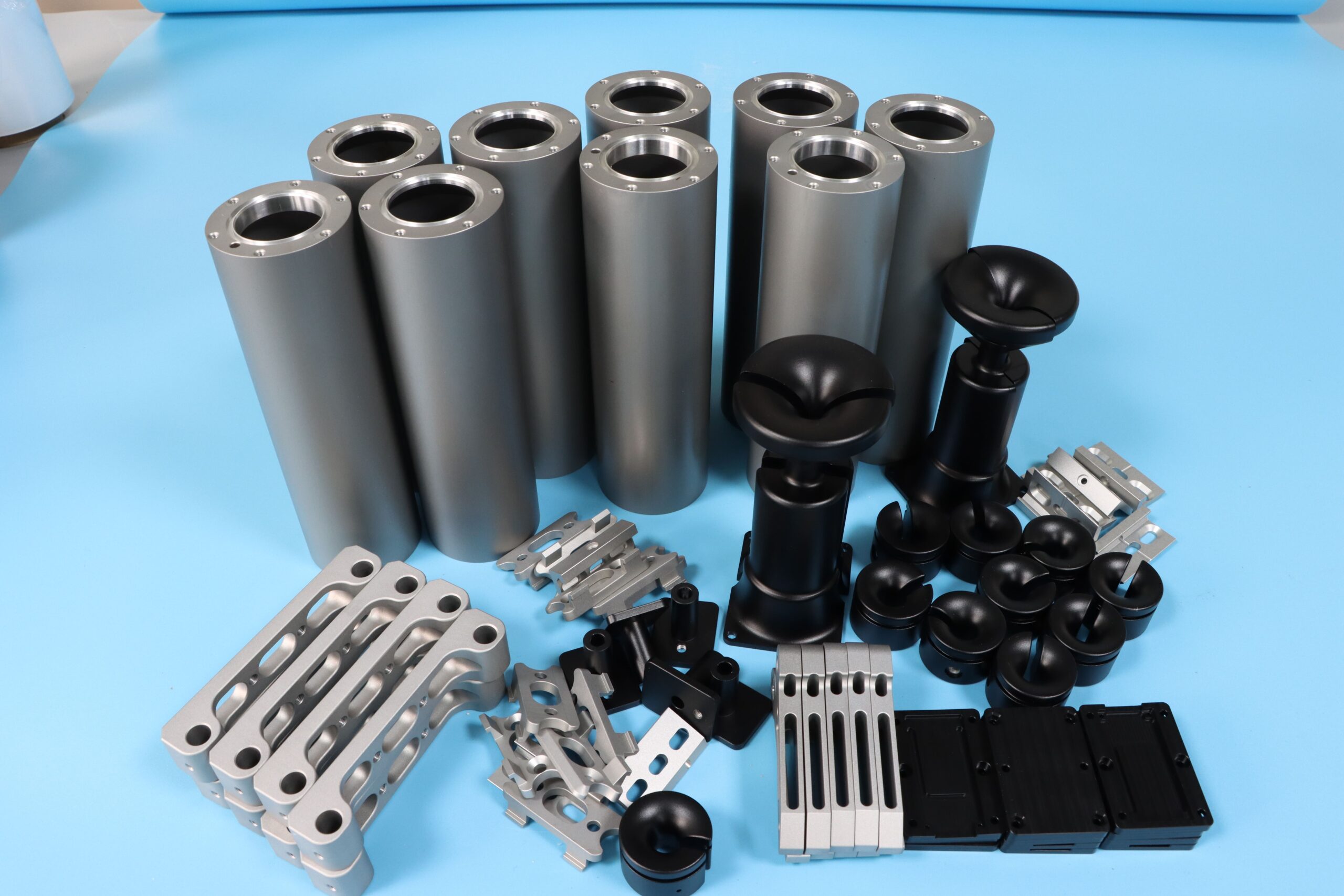
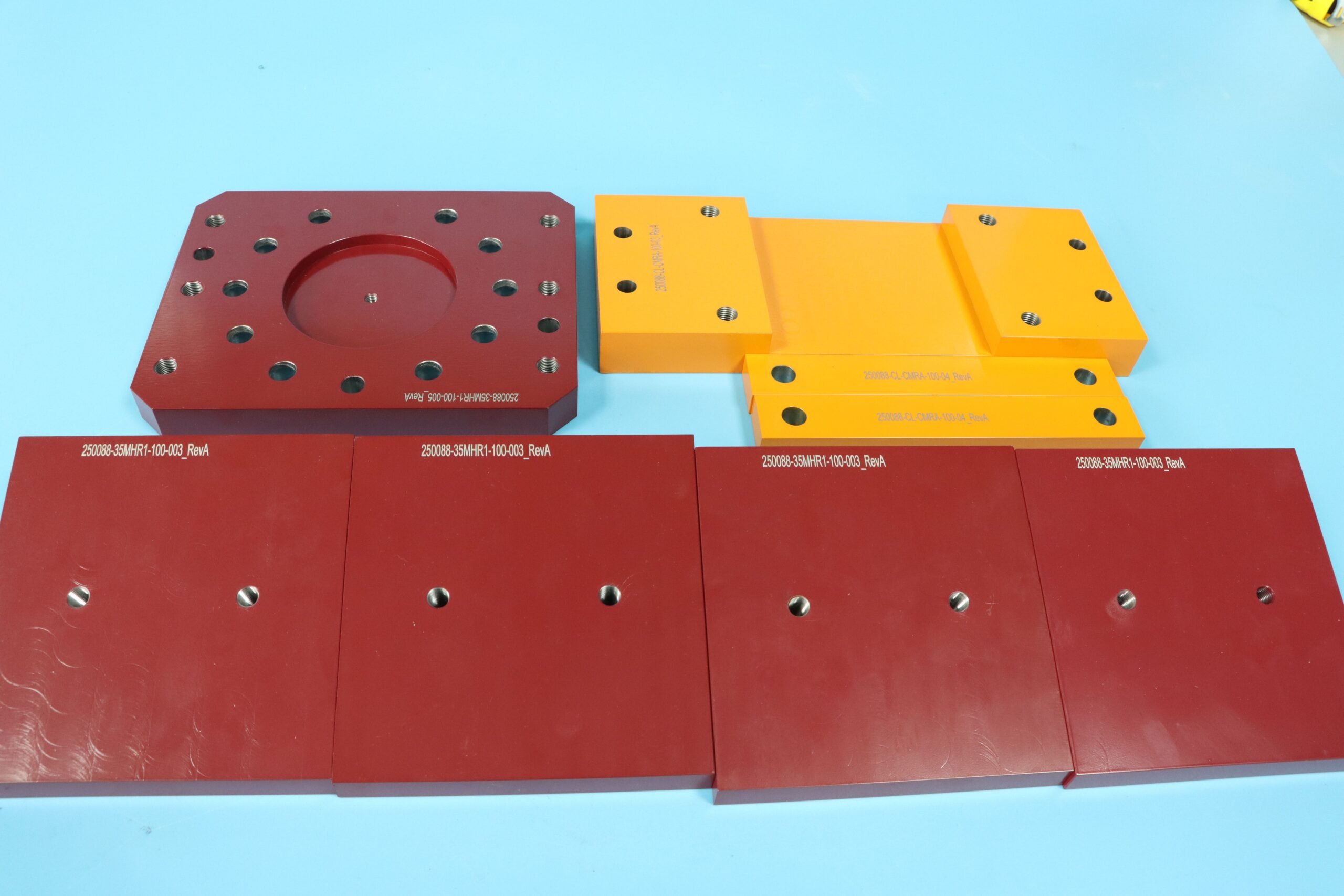
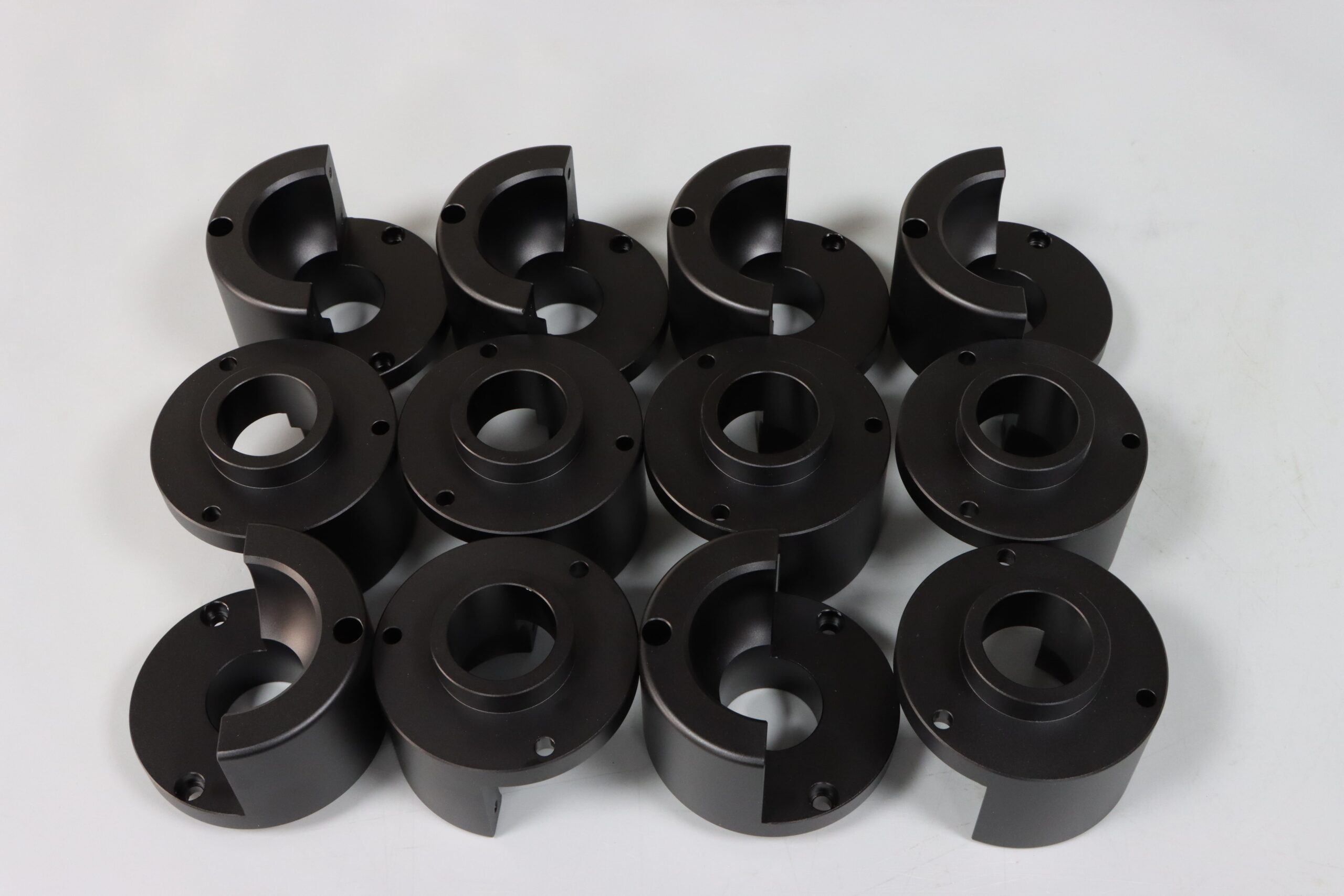
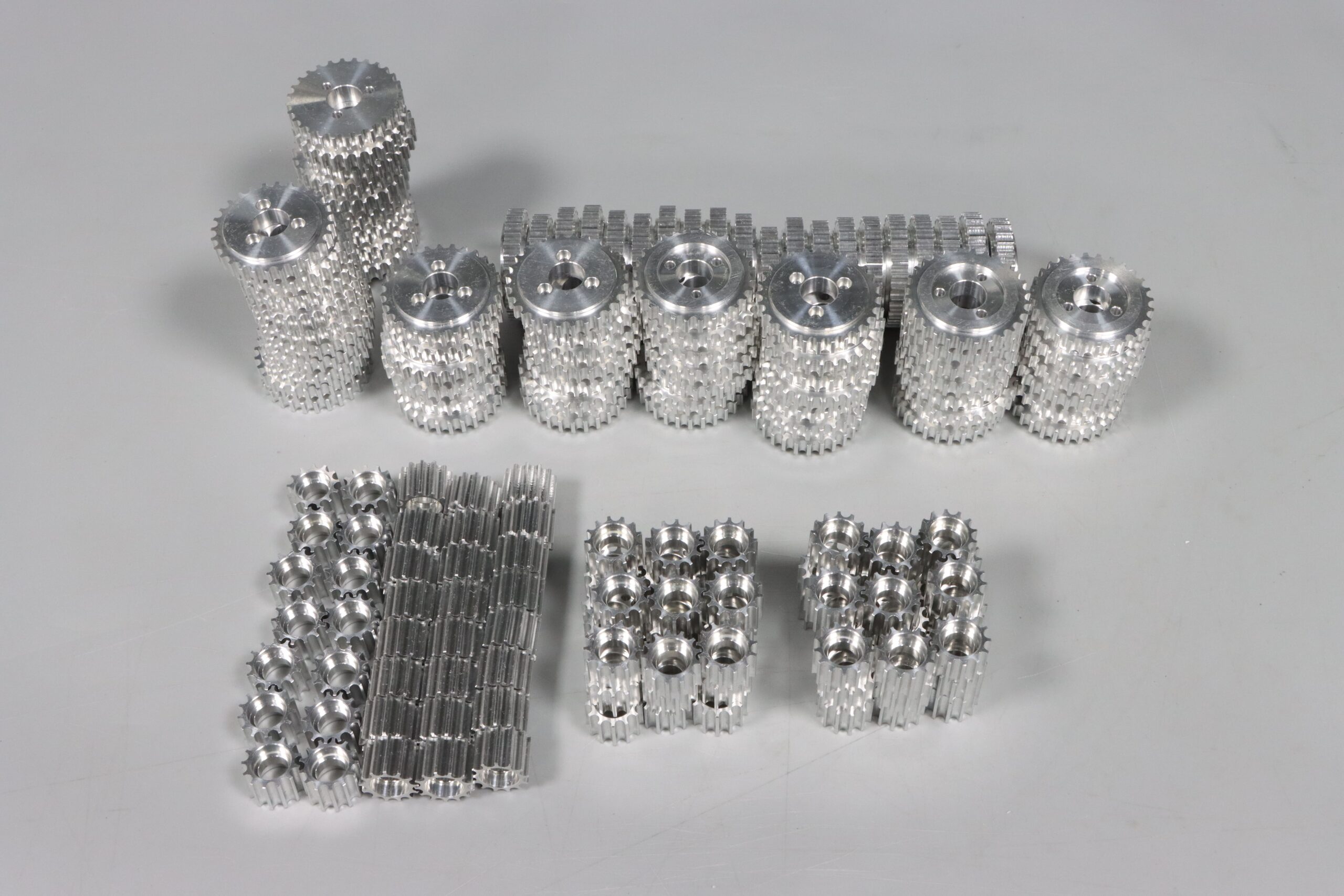
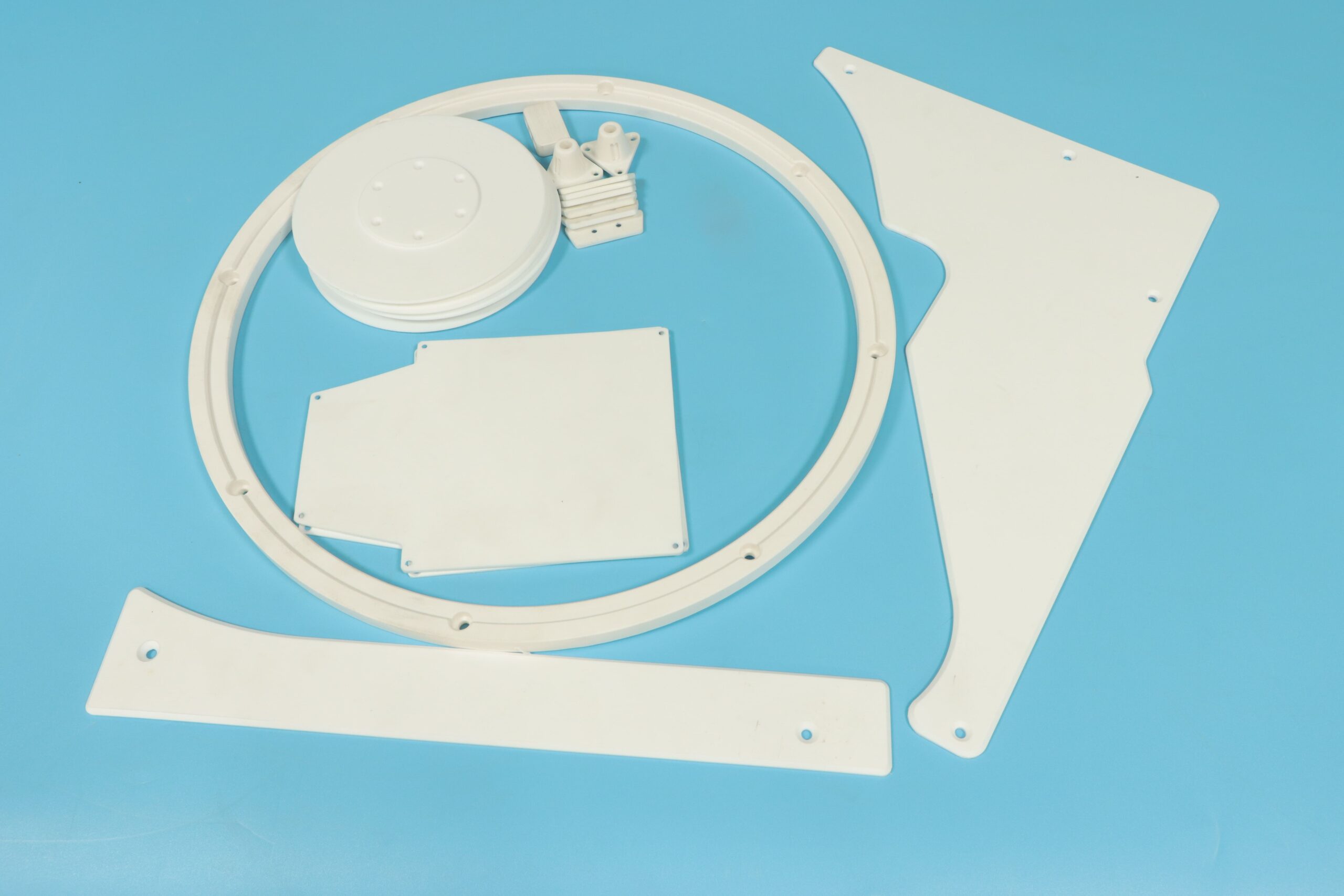
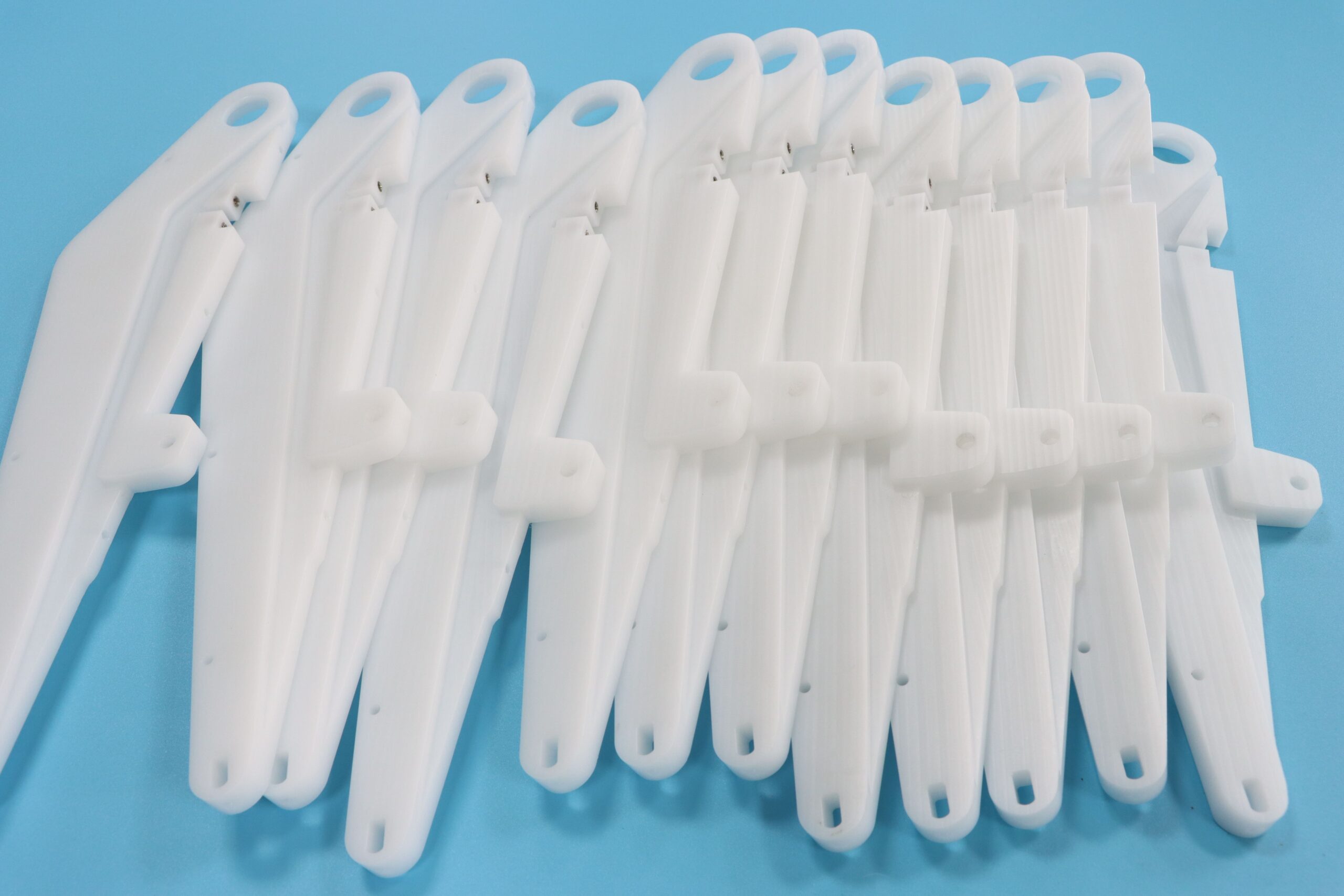
TENGHUI provides precision CNC milling services for custom metal and plastic parts, from rapid prototypes and low-volume runs to full-scale production. With 50+ CNC machines and advanced 3-axis, 4-axis, and 5-axis machining capabilities, we achieve standard tolerances of ±0.05 mm and tolerances down to ±0.01 mm for selected critical features.
✅ All Design Uploads Are Secure & Confidential
From rapid prototypes and low-volume runs to full-scale production, our vertical and horizontal machining centers support parts with complex geometries, multiple machined features, and a wide range of sizes. With advanced 3-axis and 4-axis CNC milling capabilities, we produce custom metal and plastic components with consistent quality and tolerances down to ±0.01 mm for selected critical features.
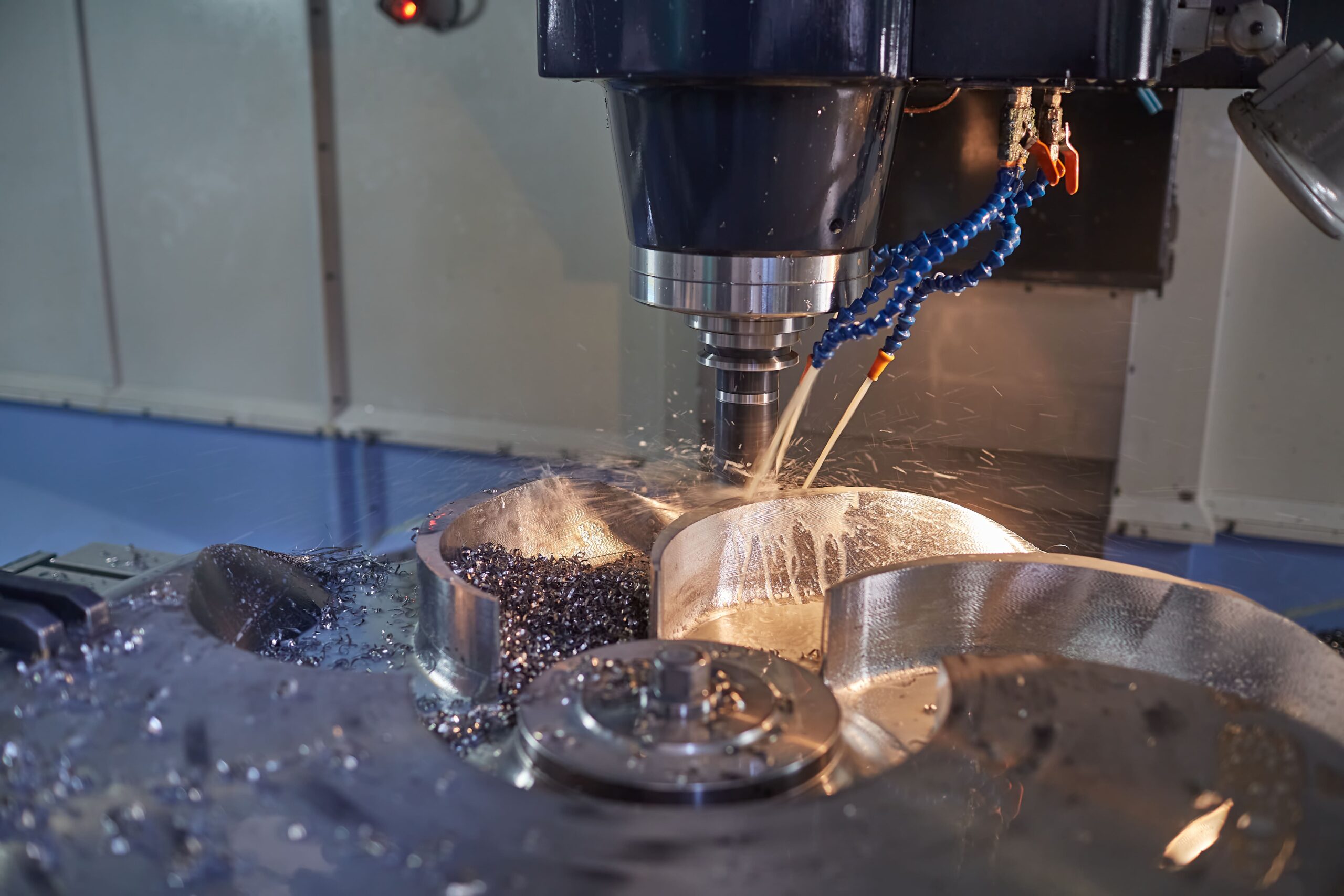
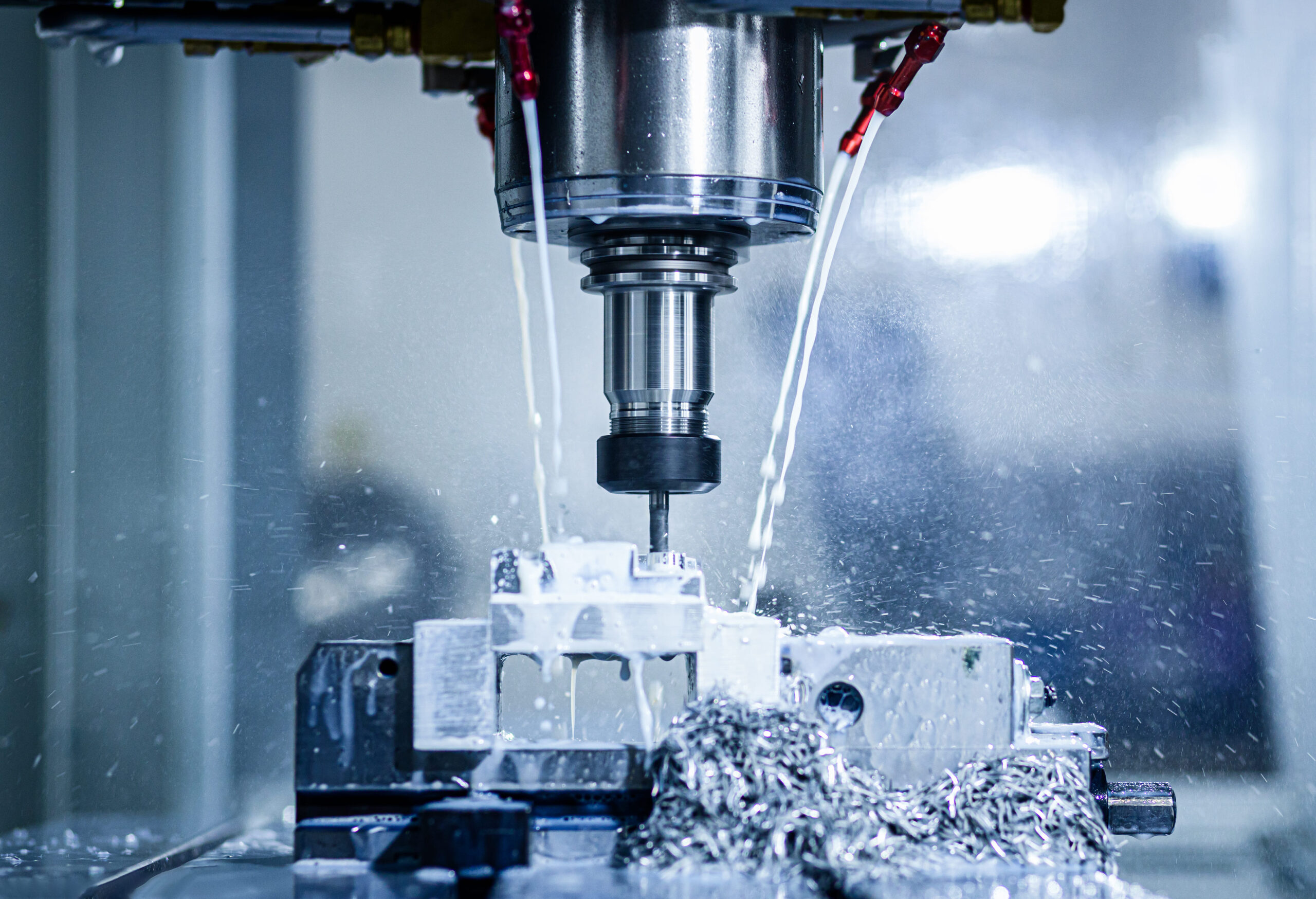
CNC milling tolerances define the permitted variation between a specified dimension on the technical drawing and the measured dimension of the finished part. Tighter tolerances may require additional machining time, controlled setups, suitable materials, and more extensive inspection, which can affect production cost and lead time.
Tolerance Level | Metric Tolerance | Imperial Tolerance | Typical Applications |
Standard Machining | ±0.05 mm | ±0.002 in | General dimensions, brackets, housings, plates, fixtures, and structural components |
Precision Machining | Down to ±0.01 mm | Down to ±0.0004 in | Selected critical features, locating surfaces, precision holes, mating components, and assembly interfaces |
Geometric Tolerances | Drawing-dependent | Drawing-dependent | Flatness, parallelism, perpendicularity, position, concentricity, and profile requirements |
Achievable tolerances depend on the material, part size, geometry, feature accessibility, wall thickness, machining process, surface finish, and inspection method. Please identify all critical dimensions and geometric tolerances on your 2D drawing so our engineering team can review and confirm them before production.
Follow these general design guidelines to improve machinability, shorten production time, and control machining costs. These values are recommended starting points rather than fixed manufacturing limits. Final feasibility depends on the material, geometry, part size, tolerances, and surface-finish requirements.
Design Feature | Recommended Guideline | Practical Considerations |
Minimum Wall Thickness | Metals: ≥0.8 mm; plastics: ≥1.5 mm | Thin walls may vibrate, deflect, or warp during machining. For tall walls, large parts, and soft plastics, greater thickness may be required. |
Minimum Hole Diameter | ≥1.0 mm; standard drill sizes preferred | Smaller holes are possible for selected parts but require delicate tools, slower machining, and additional process control. |
Hole Depth | Preferably ≤5× the hole diameter | Holes deeper than 5×D may require extended-length drills, staged drilling, or specialized deep-hole processes. Through-holes are preferred when possible. |
Blind-Hole Depth | Allow an additional drill-point depth of approximately 0.3× the hole diameter | A standard drill produces a conical bottom. Specify the required full-diameter depth rather than only the total drilled depth. |
Pocket Depth | Preferably no more than 4× the pocket width | Deep, narrow pockets require longer tools and may increase vibration, tool deflection, machining time, and surface variation. |
Internal Corner Radii | Minimum radius: 1.0 mm; preferably ≥⅓ of the pocket depth | Larger internal radii allow the use of stronger cutting tools, reduce machining time, and improve corner surface quality. |
Floor Radii | ≥0.5 mm where permitted | A small floor radius can improve tool access and reduce stress concentration. Specify sharp floor transitions only where functionally required. |
Text and Engraving | Character height ≥2.0 mm; stroke width ≥0.5 mm; depth 0.2–0.5 mm | Use simple sans-serif fonts with adequate spacing. Smaller text may be possible but requires an engineering review. |
Dimensional Tolerances | Standard: ±0.05 mm; down to ±0.01 mm for selected critical features | Apply tighter tolerances only to functionally critical dimensions, mating surfaces, locating features, and precision holes. |
Surface Roughness | Standard as-machined finish: approximately Ra 1.6–3.2 μm | Finer finishes may require additional tool passes, polishing, grinding, or other secondary operations. |
Undercuts | Avoid where possible; use standard dimensions when required | Undercuts require specialized cutters and additional tool access. Custom undercuts may increase machining time and cost. |
Threaded Holes | M3 or #4-40 and larger preferred | Smaller threads can be produced for suitable parts but carry a higher risk of tap breakage and thread damage. Use standard thread sizes whenever possible. |
Thread Engagement | Metals: approximately 1–1.5× the nominal thread diameter; plastics: approximately 2×D | Excessive thread depth generally adds machining difficulty without providing a proportional increase in joint strength. |
Tapped Blind Holes | Provide unthreaded clearance beyond the required full-thread depth | Extra depth is needed for the tap lead and chip clearance. Clearly specify the required full-thread depth on the 2D drawing. |
Feature Accessibility | Design features for access from as few orientations as practical | Reducing machining orientations and setups can shorten lead times and improve feature-to-feature consistency. |
Surface Finishes | Apply special finishes only to required surfaces | Tight roughness, cosmetic, or coating requirements on every surface can unnecessarily increase machining and inspection costs. |
Maximum Part Size | Up to 3000 × 2000 × 100 mm or 4500 × 600 × 100 mm | Maximum capacity depends on the part geometry, material, feature locations, tolerances, machining direction, and workholding requirements. |
These guidelines are intended for general reference. Please submit your 3D CAD model and fully dimensioned 2D drawing for a project-specific DFM and machining feasibility review.
Common Grades: 6061, 6063, 7075, 2024, 5052, 5083, and 6082
Key Properties: Lightweight, machinable, corrosion-resistant, and available in high-strength and anodizing-friendly grades.
Typical Applications: Housings, brackets, frames, heat sinks, electronic enclosures, fixtures, aerospace parts, and functional prototypes.
Available Finishes: Anodizing, hard anodizing, conversion coating, powder coating, bead blasting, polishing, and laser marking.
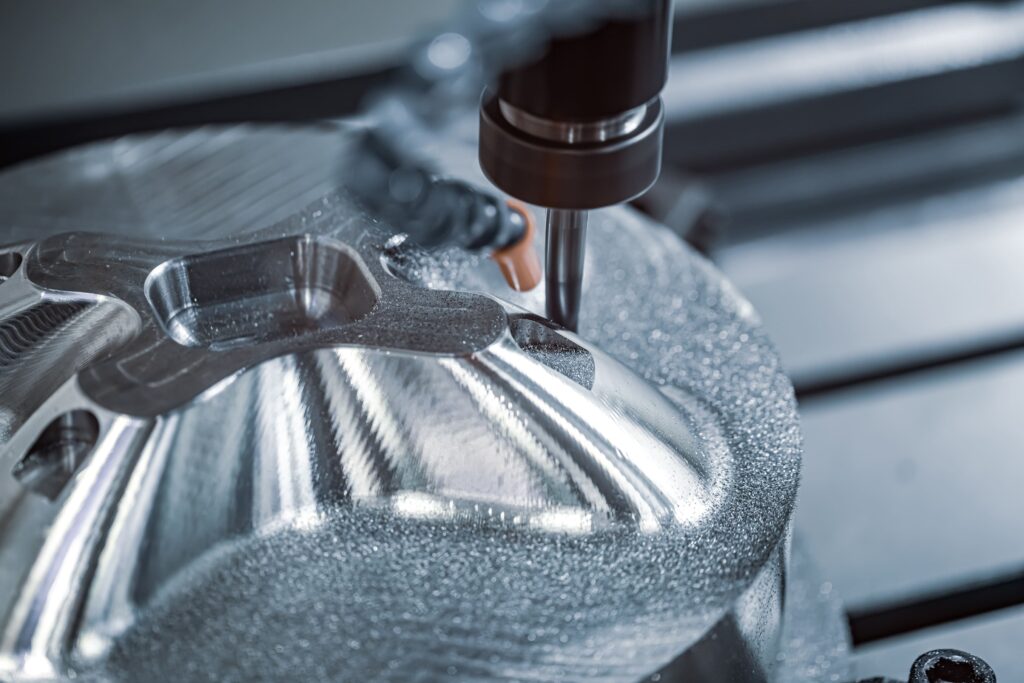
Common Grades: C101, C110, C14500, and C17200
Key Properties: Excellent electrical and thermal conductivity, corrosion resistance, and ductility, with selected grades offering improved machinability and strength.
Typical Applications: Heat sinks, busbars, grounding terminals, connectors, electrodes, battery contacts, and power distribution components.
Available Finishes: Polishing, nickel plating, tin plating, silver plating, and protective coating.
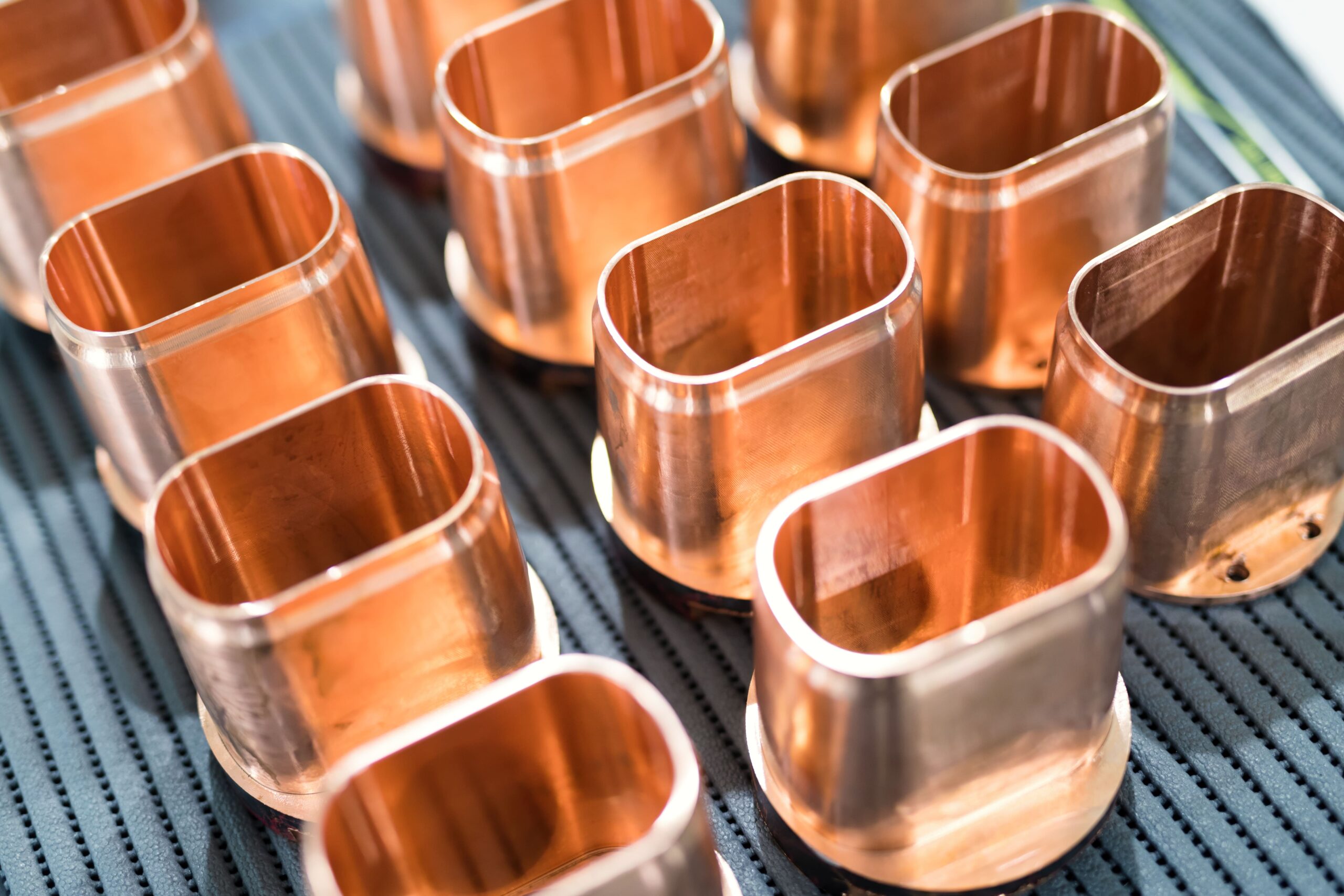
Common Grades: C360 / Free-Cutting Brass
Key Features: Outstanding machinability, low friction coefficient, non-sparking, and great electrical conductivity.
Typical Applications: Threaded pipe fittings, fluid valve bodies, compression couplings, and electronic terminal connectors.
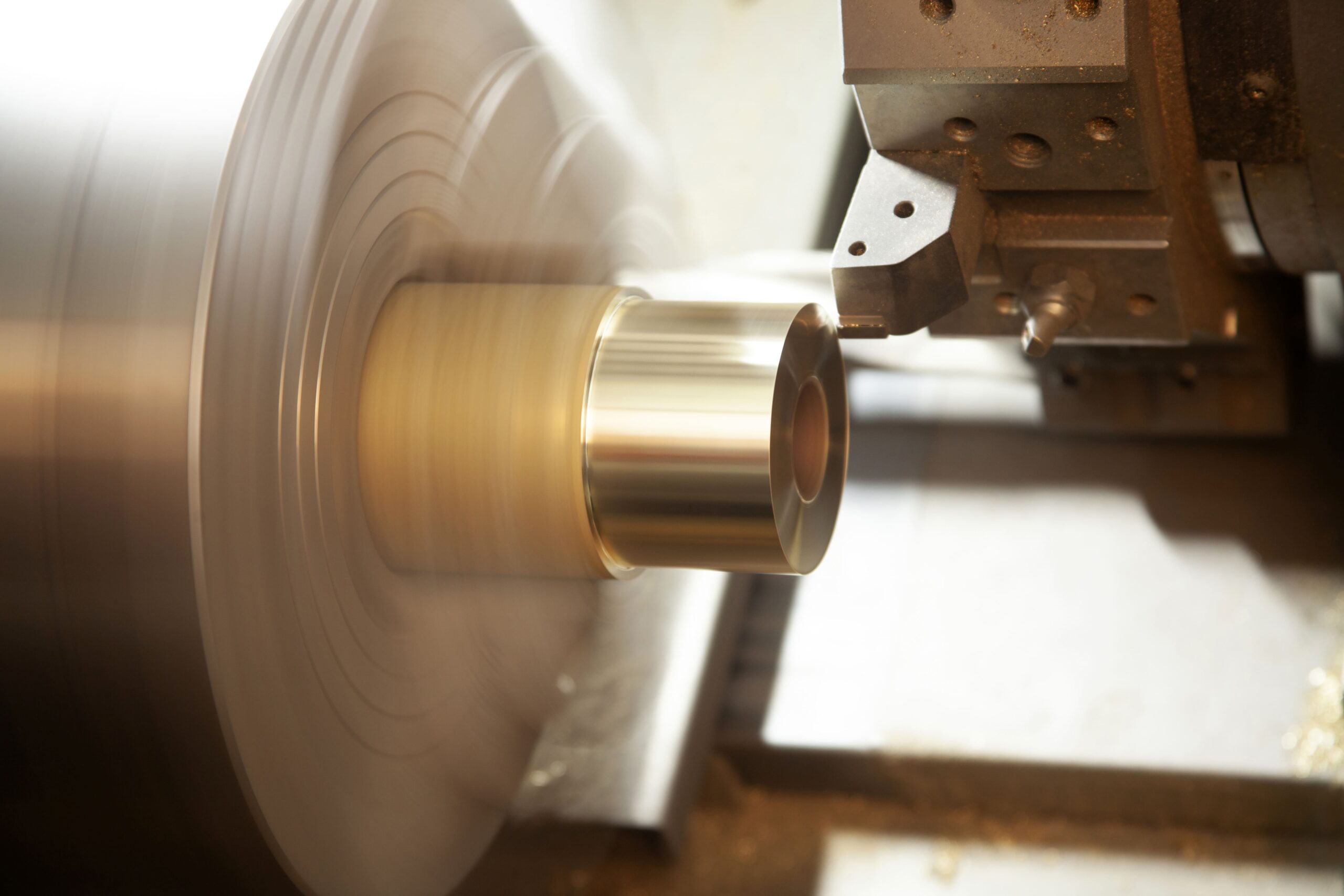
Common Grades:303, 304, 316/316L, 17-4 PH, and 420
Key Properties:Excellent corrosion resistance, high strength, durability, and good temperature resistance. Selected grades offer improved machinability, enhanced chemical resistance, or heat-treatable mechanical properties.
Typical Applications: Food-processing equipment components, marine hardware, valve and pump parts, shafts, fittings, fasteners, automation components, and precision instrument parts.
Available Finishes: As-machined, passivation, electropolishing, bead blasting, brushing, polishing, black oxide, and PVD coating.
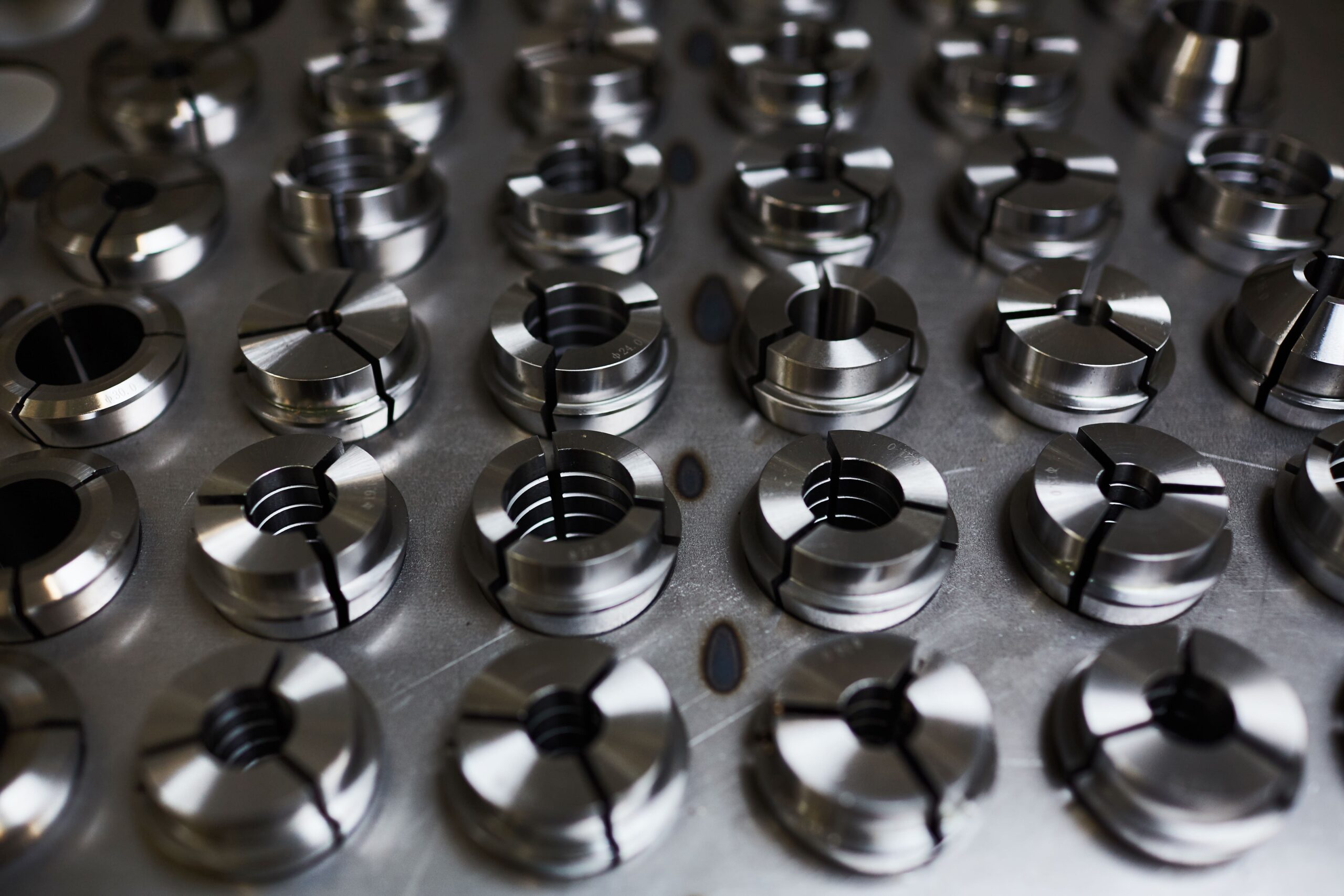
Common Grades: 1018, 1020, A36, 1045, 4140, and 42CrMo4
Key Properties: Cost-effective, strong, and durable, with selected grades offering good machinability, weldability, toughness, wear resistance, and heat-treatment response.
Typical Applications: Shafts, gears, sprockets, axles, brackets, base plates, fixtures, machine frames, tooling, and structural components.
Available Finishes: Black oxide, zinc plating, nickel plating, phosphate coating, powder coating, painting, case hardening, and heat treatment.
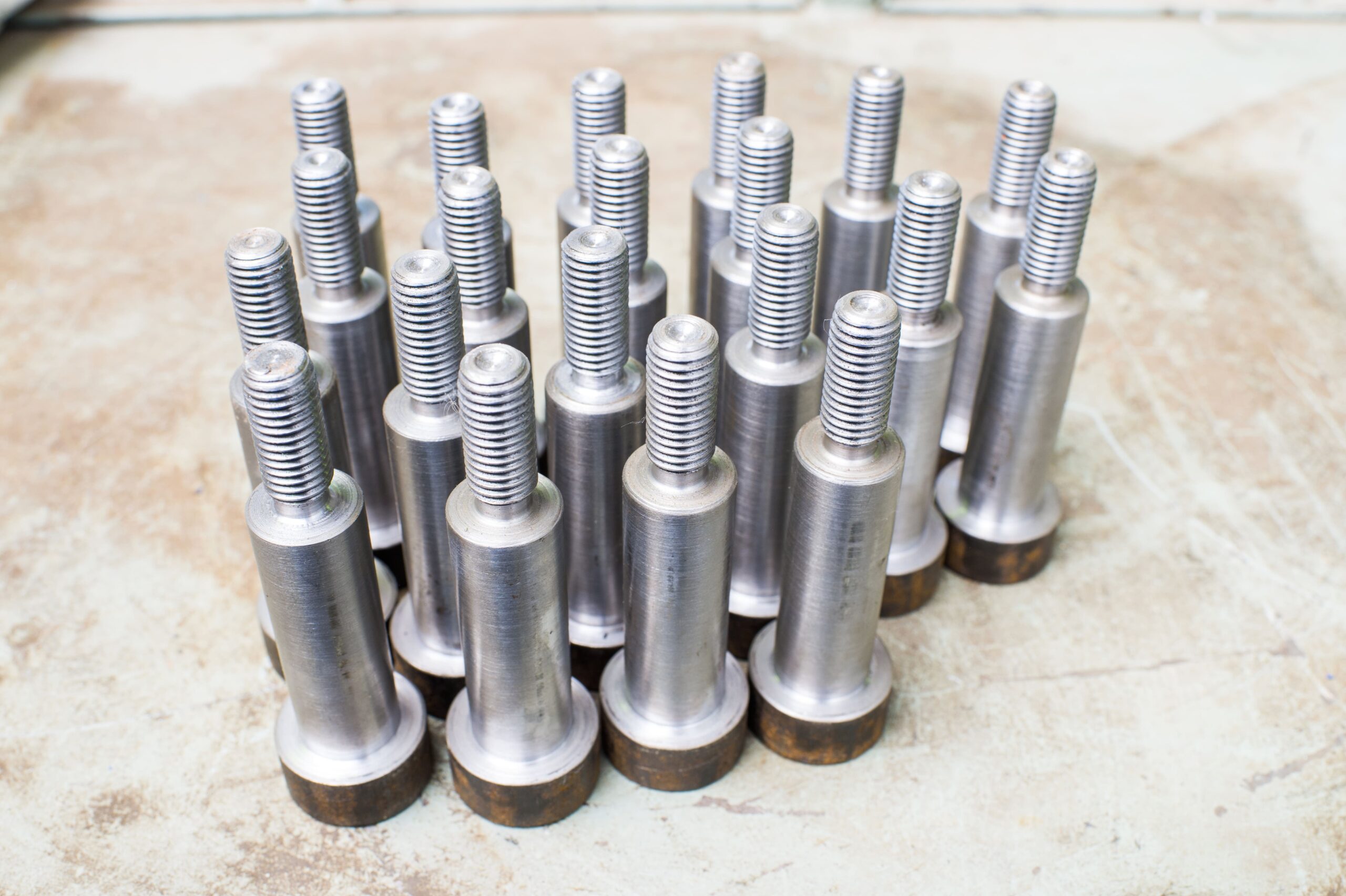
Common Grades: P20, D2, H13, and S7; other grades available upon request
Key Properties: High hardness, wear resistance, toughness, and dimensional stability, with selected grades offering excellent heat and impact resistance.
Typical Applications: Molds, dies, punches, mold inserts, forming tools, wear plates, cutting tools, and precision fixtures.
Available Finishes: Heat treatment, nitriding, polishing, precision grinding, black oxide, and PVD coating.
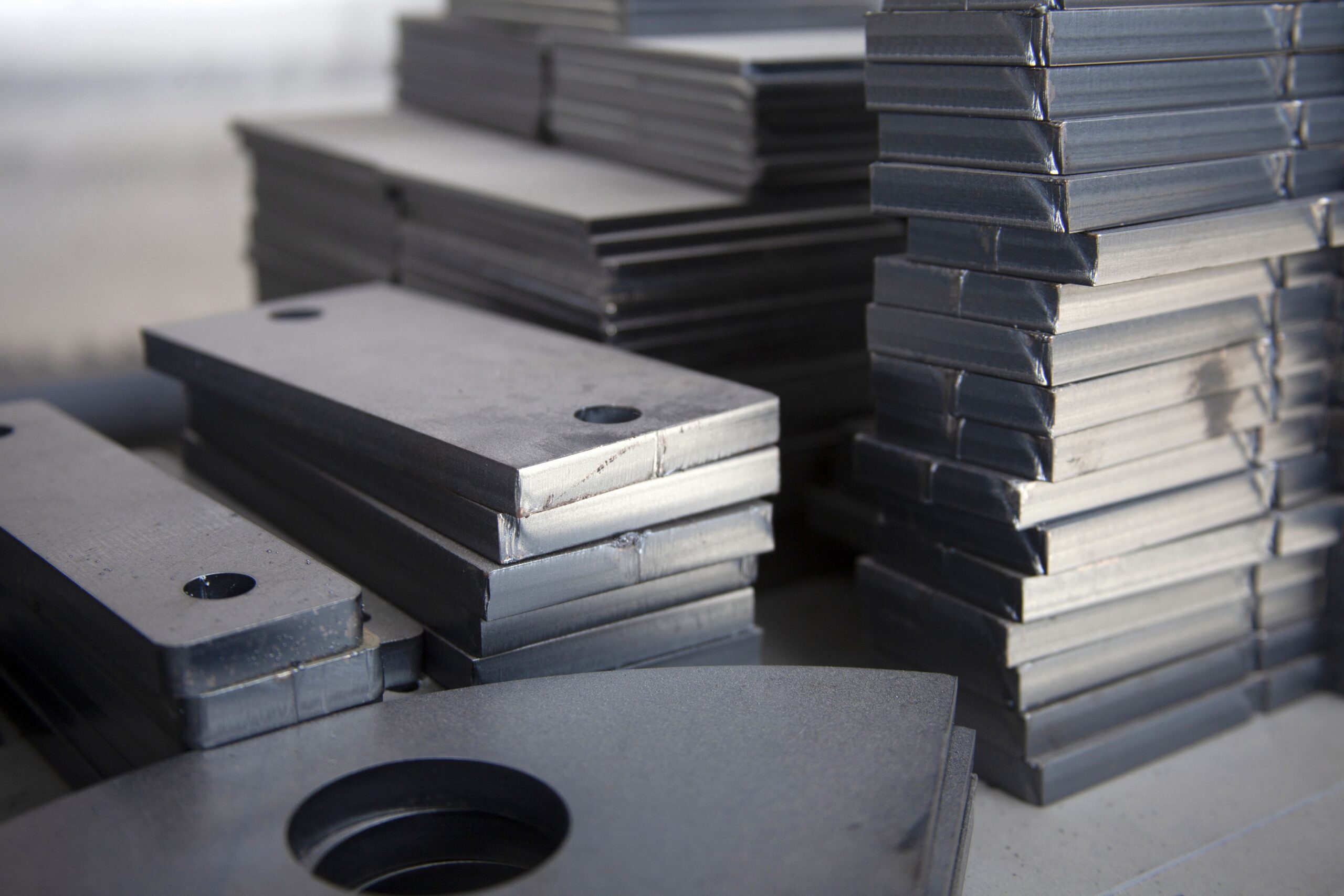
Common Grades: Grade 2 and Grade 5 (Ti-6Al-4V)
Key Properties: Lightweight, strong, corrosion-resistant, and durable, with selected grades offering excellent chemical resistance and fatigue performance.
Typical Applications: Robotic components, marine hardware, chemical-processing equipment, automotive parts, fasteners, shafts, and precision structural components.
Available Finishes: Polishing, bead blasting, brushing, anodizing, passivation, and PVD coating.
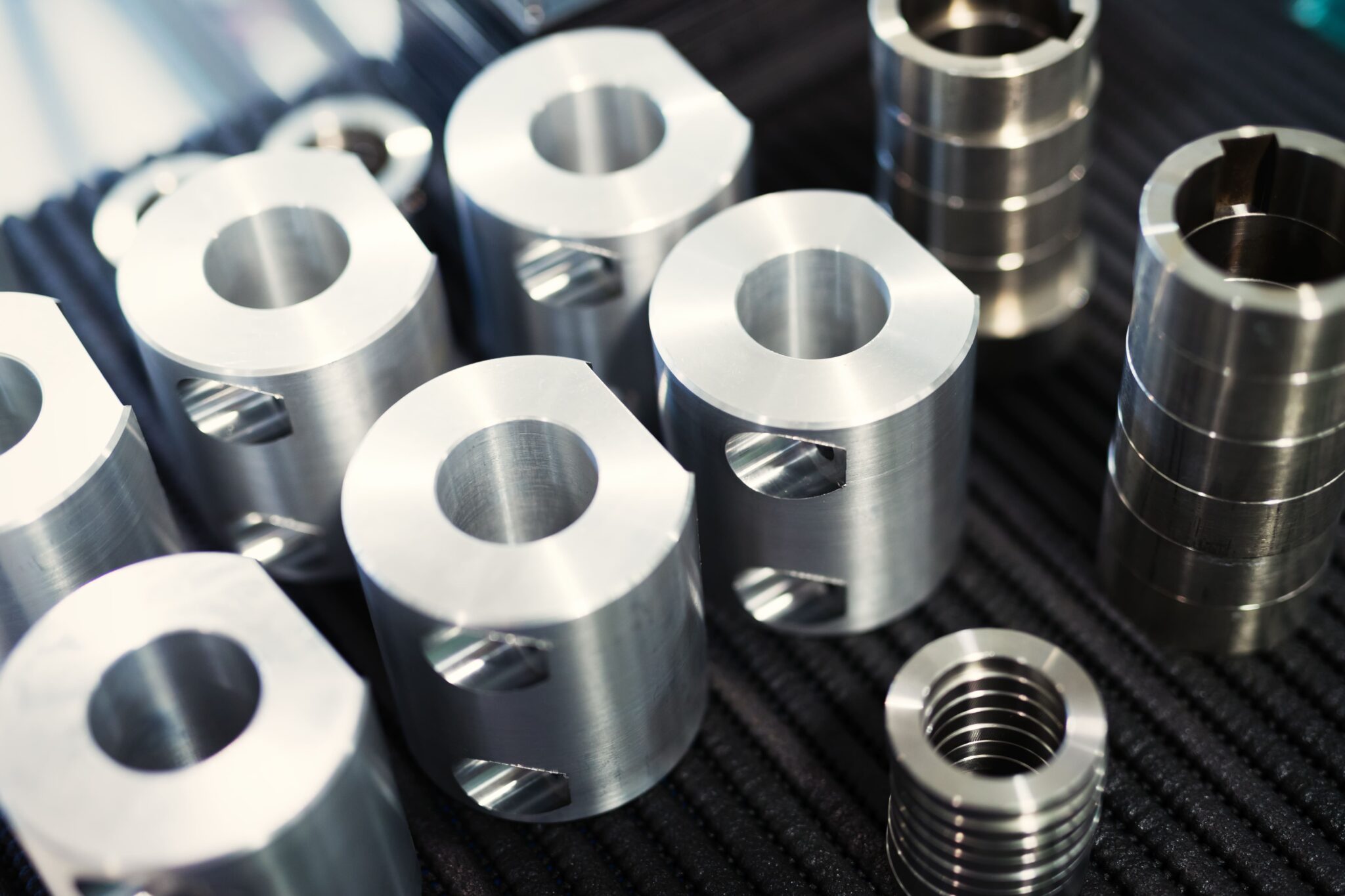
Key Properties: Lightweight, impact-resistant, easy to machine, and cost-effective, with good dimensional stability and electrical insulation.
Typical Applications: Electronic enclosures, equipment housings, control panels, functional prototypes, consumer products, automotive interior components, fixtures, and general-purpose mechanical parts.
Common Colors: Natural, black, and custom colors subject to material availability.
Available Finishes: As-machined, sanding, mechanical polishing, painting, and laser marking upon request.
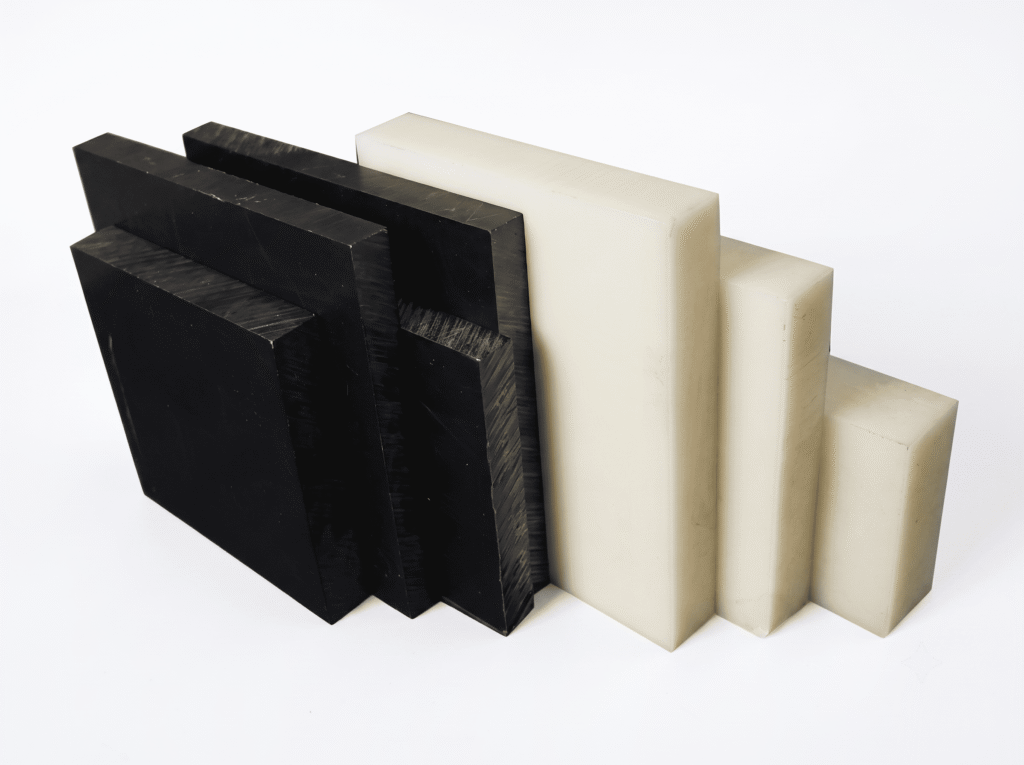
Key Properties: High stiffness, low friction, excellent wear resistance, good dimensional stability, and low moisture absorption, making it suitable for precision mechanical parts.
Typical Applications: Gears, bushings, rollers, bearing components, valve parts, guides, spacers, fixtures, and other precision components.
Common Colors: Natural white, black, and custom colors subject to material availability.
Available Finishes: As-machined, deburring, fine-sanding, and laser marking upon request.
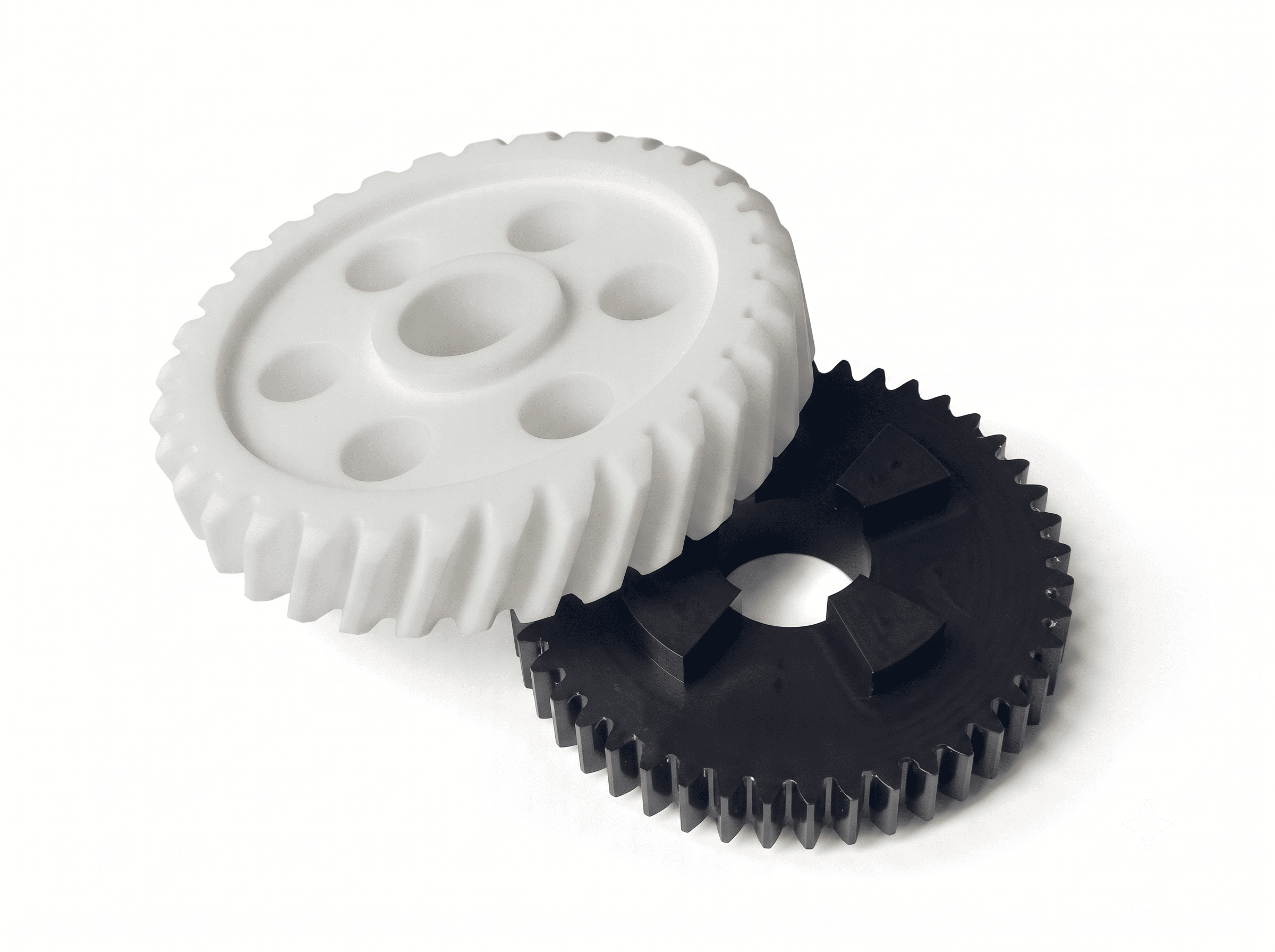
Key Properties: Strong, tough, lightweight, and wear-resistant, with good fatigue resistance and low friction. Moisture absorption and dimensional changes vary by grade.
Typical Applications: Gears, pulleys, bushings, rollers, bearing components, guides, spacers, wear pads, and industrial equipment parts.
Common Colors: Natural, black, and custom colors subject to material availability.
Available Finishes: As-machined, deburring, fine sanding, dyeing, and laser marking upon request.
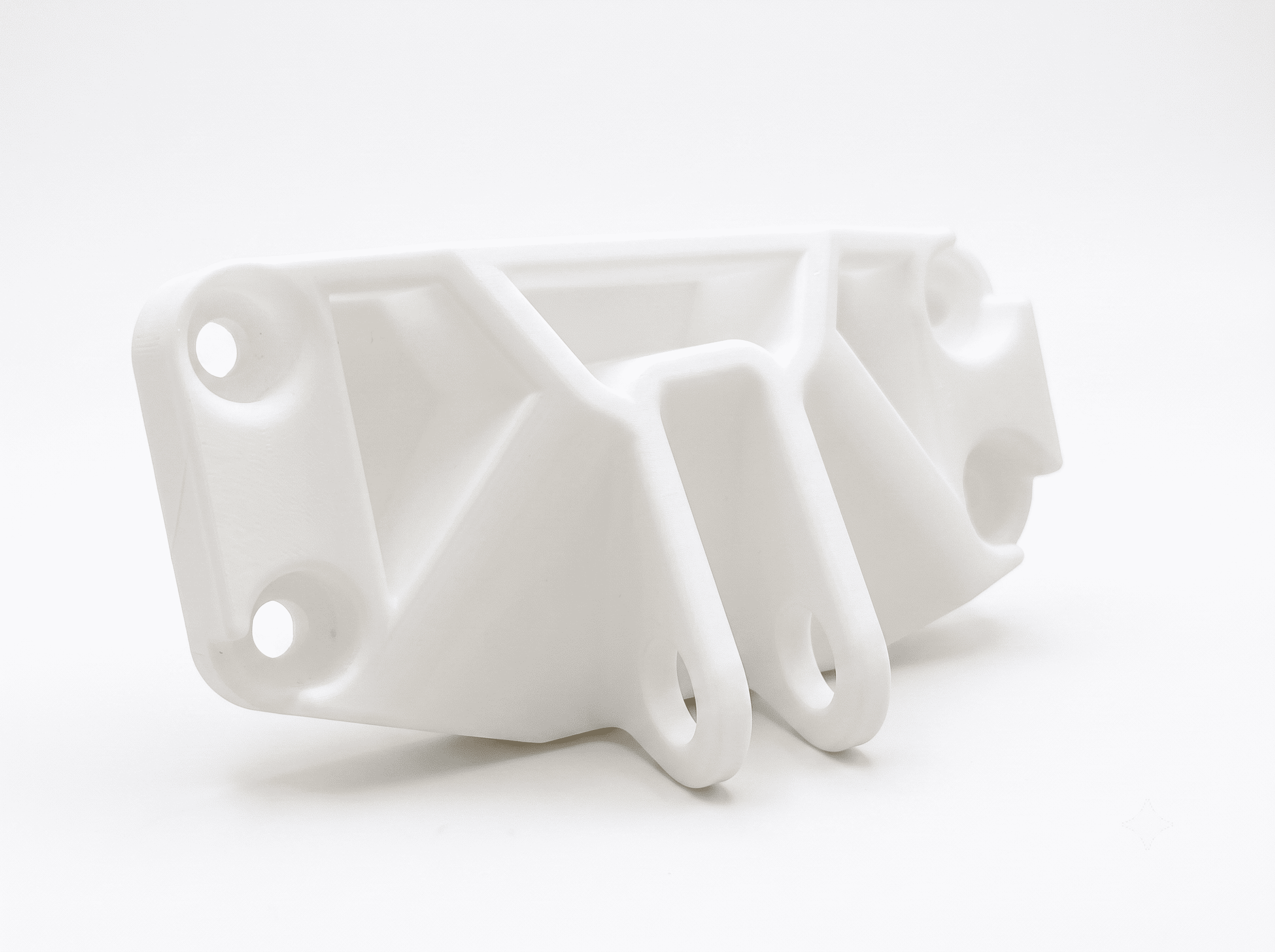
Key Properties: High mechanical strength, excellent chemical and wear resistance, good dimensional stability, and reliable performance at elevated temperatures.
Typical Applications: Semiconductor equipment components, electrical insulators, seals, valve parts, pump components, chemical-processing equipment, fixtures, and other high-performance precision parts.
Common Colors: Natural beige, black, and selected reinforced grades subject to material availability.
Available Finishes: As-machined, precision polishing, bead blasting, and laser marking upon request.
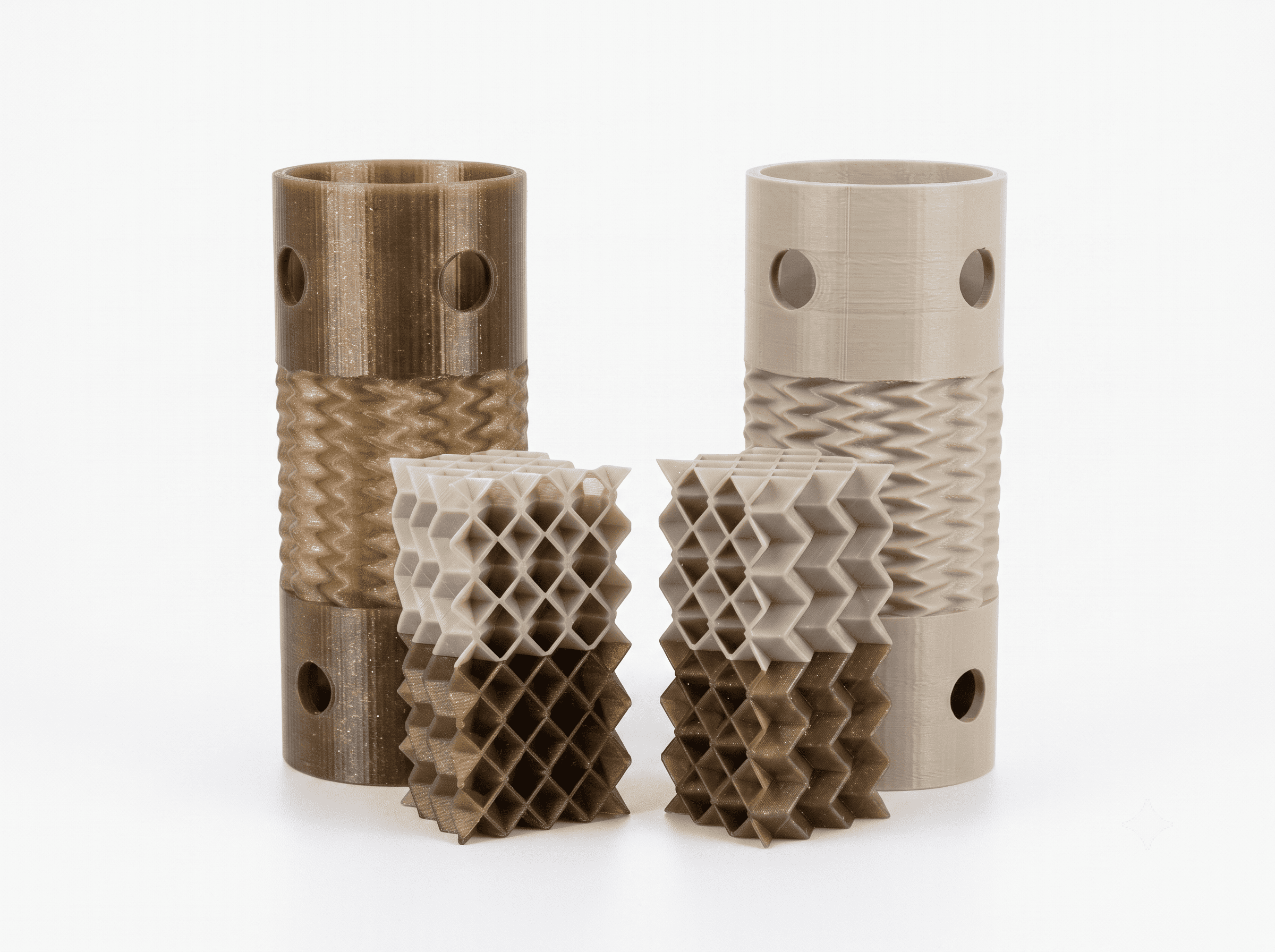
Key Properties: Lightweight, chemically resistant, moisture-resistant, and electrically insulating, with good fatigue resistance and low density.
Typical Applications: Chemical-processing components, manifolds, pump and valve parts, laboratory equipment, fluid-handling components, covers, tanks, and industrial fixtures.
Common Colors: Natural white, black, grey, and custom colors subject to material availability.
Available Finishes: As-machined, deburring, surface texturing, and laser marking upon request.
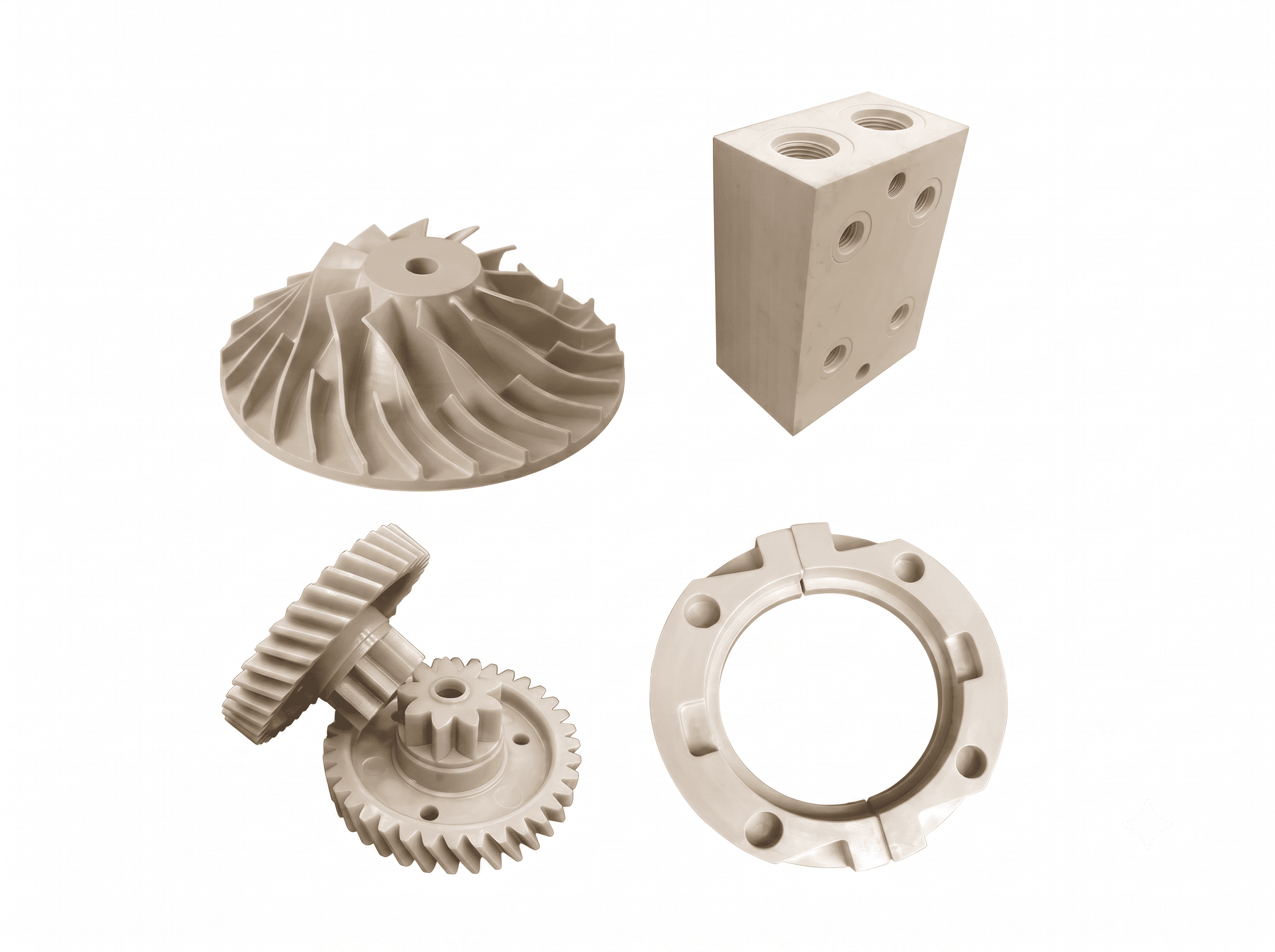
Key Properties: Lightweight, impact-resistant, chemically resistant, and moisture-resistant, with low friction and good durability in demanding environments.
Typical Applications: Wear strips, guides, rollers, spacers, liners, conveyor components, chemical-handling parts, equipment guards, and general industrial components.
Common Colors: Natural white, black, blue, green, and custom colors subject to material availability.
Available Finishes: As-machined, deburring, surface texturing, and engraving upon request.
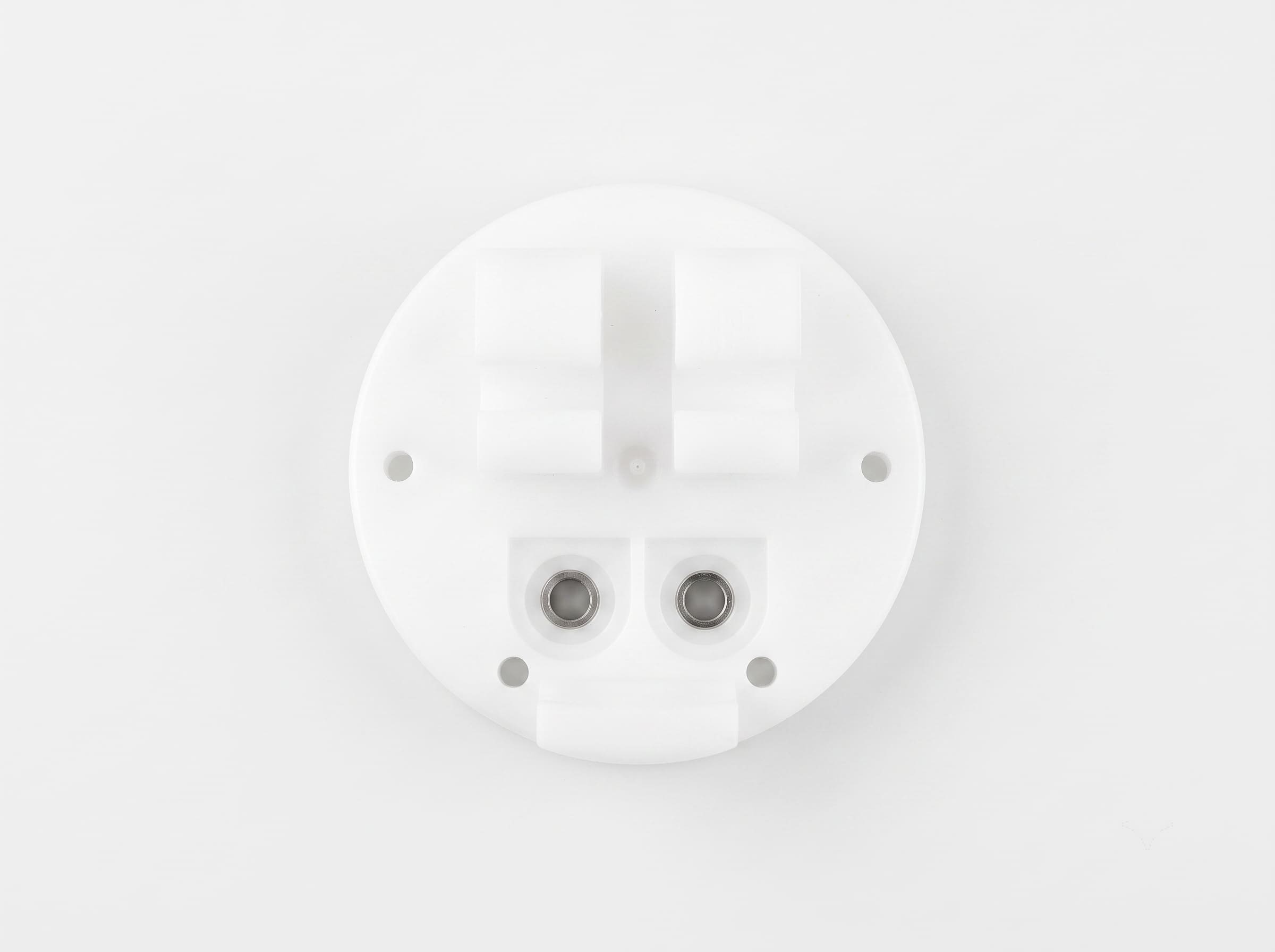
Key Properties: High impact resistance, good dimensional stability, electrical insulation, and excellent transparency in optical-grade materials.
Typical Applications: Protective covers, machine guards, transparent housings, inspection windows, light covers, electronic components, fixtures, and functional prototypes.
Common Colors: Clear, translucent, black, and custom colors subject to material availability.
Available Finishes: As-machined, sanding, mechanical polishing, painting, laser marking, and vapor polishing upon request.
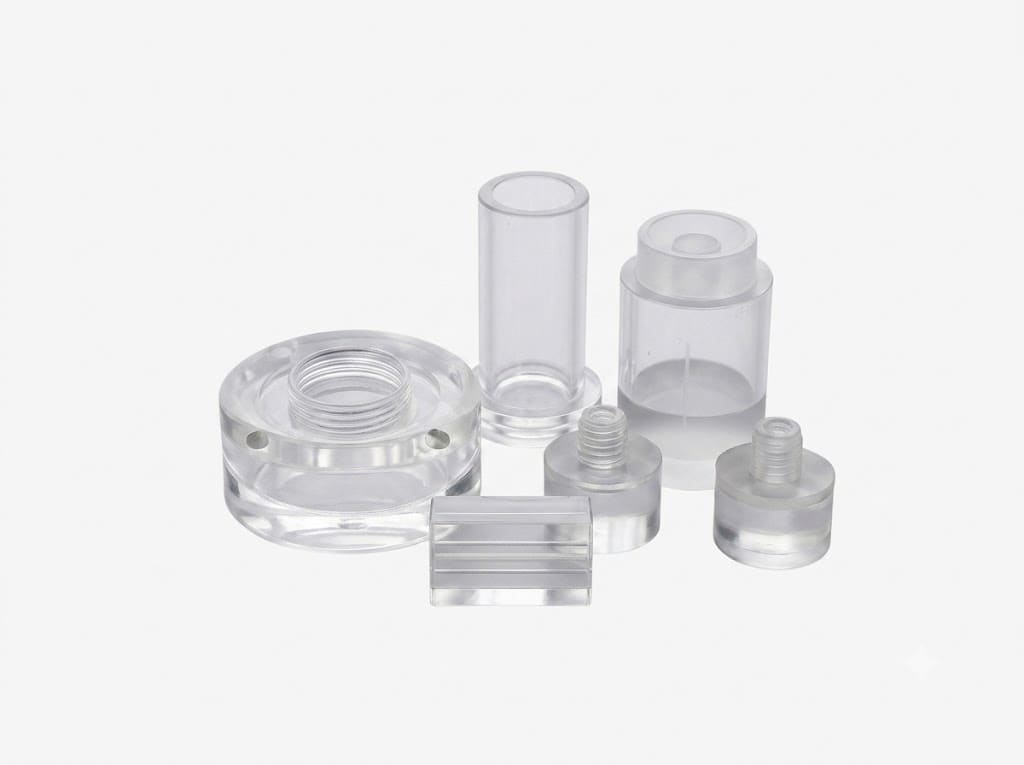
Key Properties: Excellent optical clarity, good UV and weather resistance, low weight, and a smooth surface that can be polished to a high-gloss finish.
Typical Applications: Display panels, transparent covers, equipment windows, light guides, optical components, signage, decorative parts, and visual prototypes.
Common Colors: Clear, translucent, opaque, and custom colors subject to material availability.
Available Finishes: As-machined, sanding, mechanical polishing, flame polishing, painting, and laser engraving.
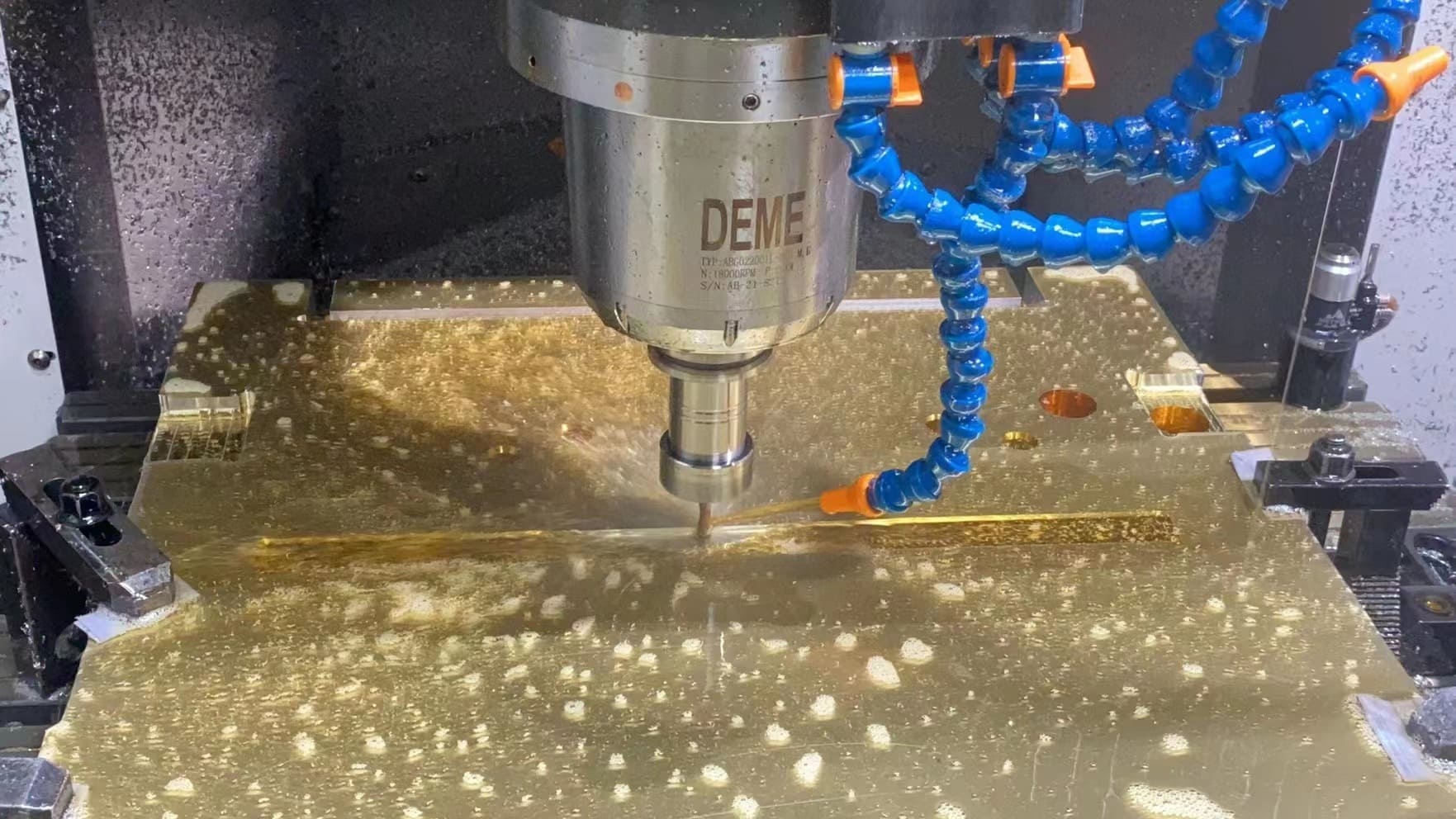
CNC milling is a subtractive manufacturing process that uses computer-controlled rotating cutting tools to remove material from a solid block, plate, or workpiece. Machining toolpaths are programmed from a 3D CAD model, while the 2D technical drawing defines critical dimensions, tolerances, threads, surface finishes, and inspection requirements.
Depending on the part geometry and feature accessibility, 3-axis, 4-axis, or 5-axis machining may be used to produce custom metal and plastic components.
CNC milling costs are mainly influenced by the material, part geometry, machining time, number of setups, tolerances, surface finishes, order quantity, and inspection requirements.
Costs can often be reduced by:
Our engineers can review your drawings and recommend practical changes to improve manufacturability and control production costs without affecting part function.
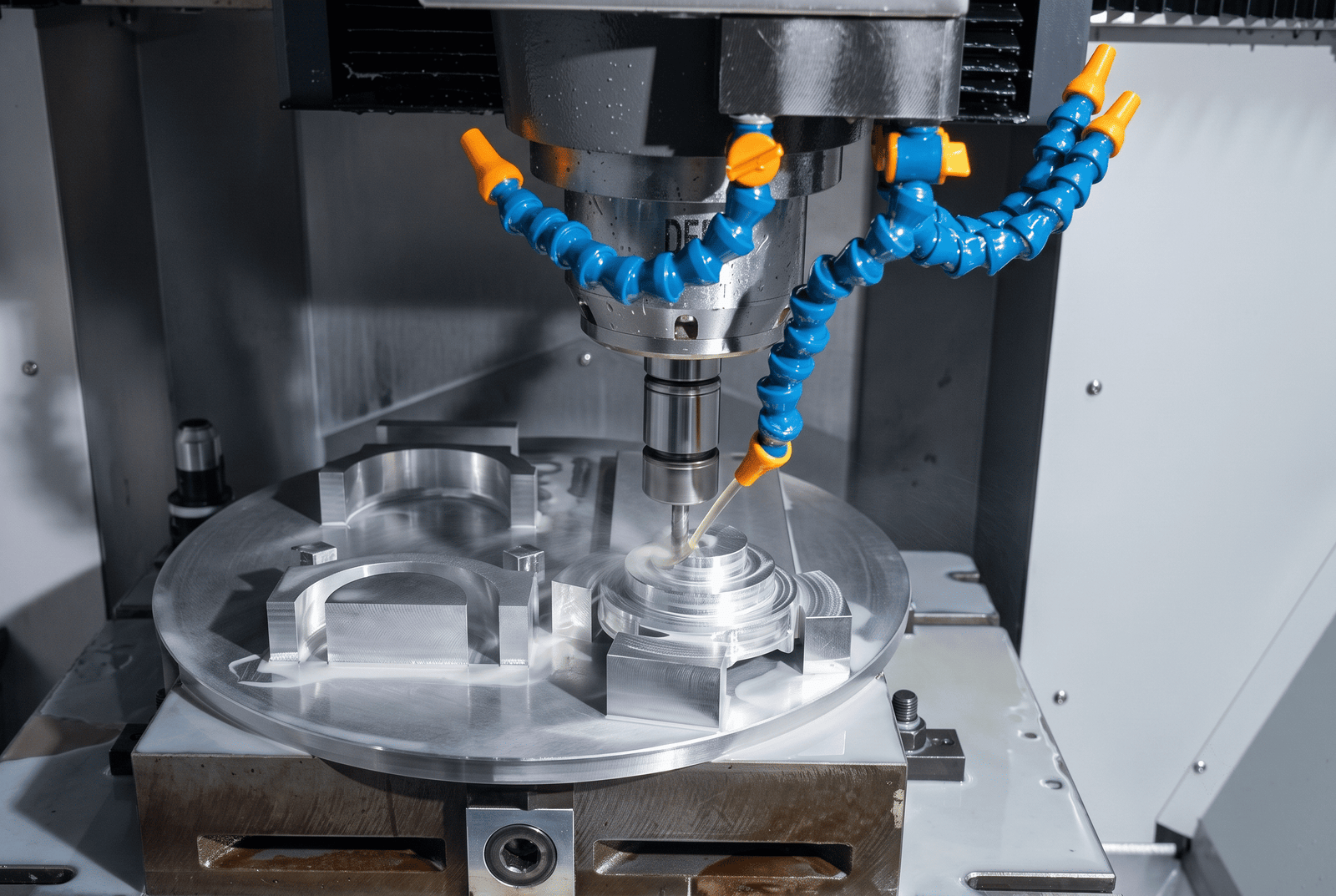
Common machining risks include material deformation, tool deflection, vibration, dimensional variation, and inconsistent surface finishes. We manage these risks through engineering review, material verification, stable workholding, controlled machining processes, and in-process inspection.
Final inspection may include calipers, micrometers, height gauges, thread gauges, optical measuring systems, and CMMs, depending on the part and drawing requirements. Material certificates, dimensional inspection reports, and CMM reports are available upon request.
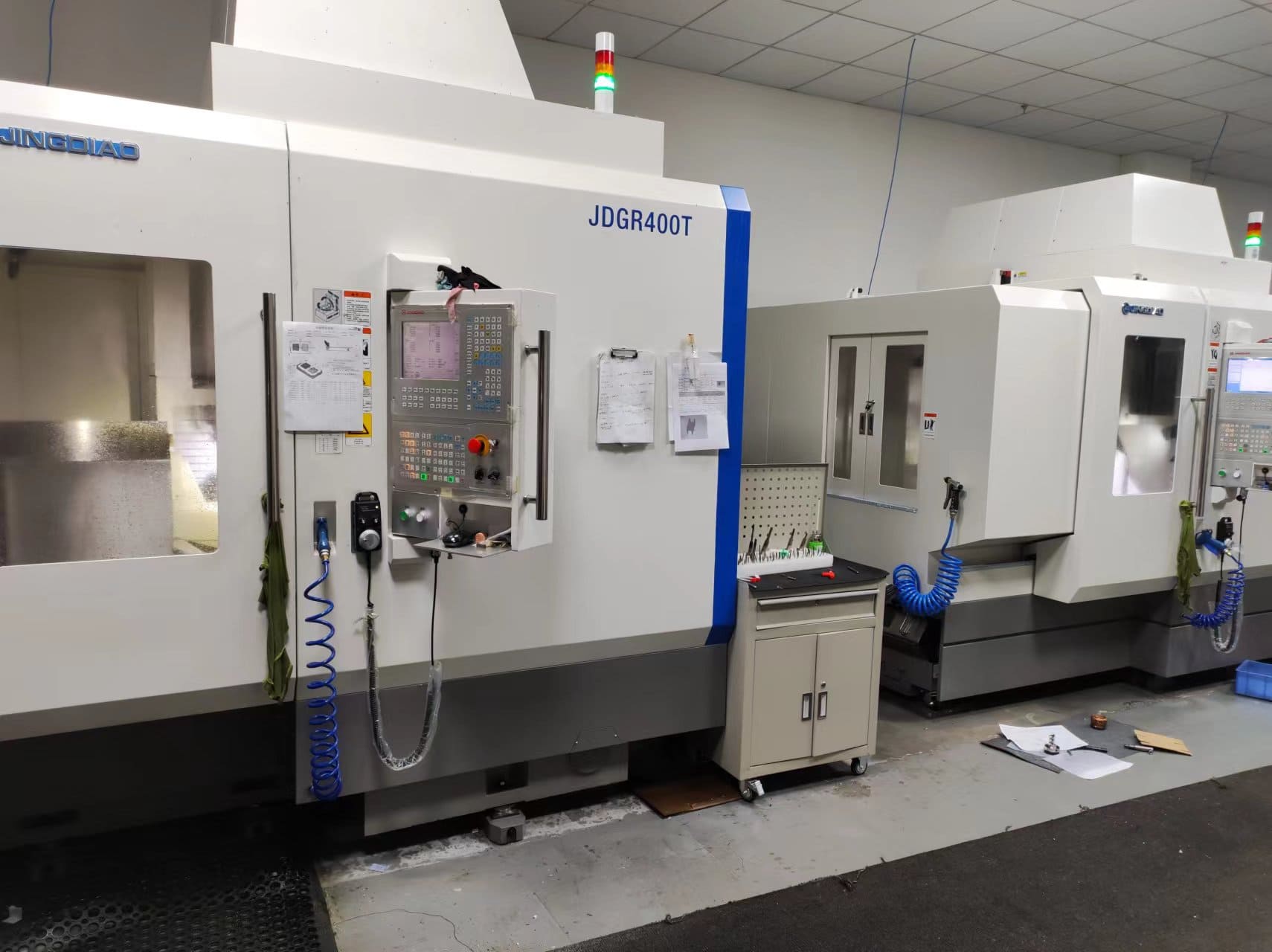
With 50+ CNC machines and 3-axis, 4-axis, and 5-axis capabilities, TENGHUI supports prototypes, low-volume runs, and production orders for custom metal and plastic parts.
Our standard machining tolerance is typically ±0.05 mm, with tolerances down to ±0.01 mm available for selected critical features after engineering review. We also provide DFM support and coordinate secondary processes, including anodizing, plating, passivation, powder coating, polishing, bead blasting, heat treatment, and laser marking.
Send us your 3D CAD files, 2D drawings, material specifications, quantities, and finishing requirements for an engineering review and project-specific quotation.
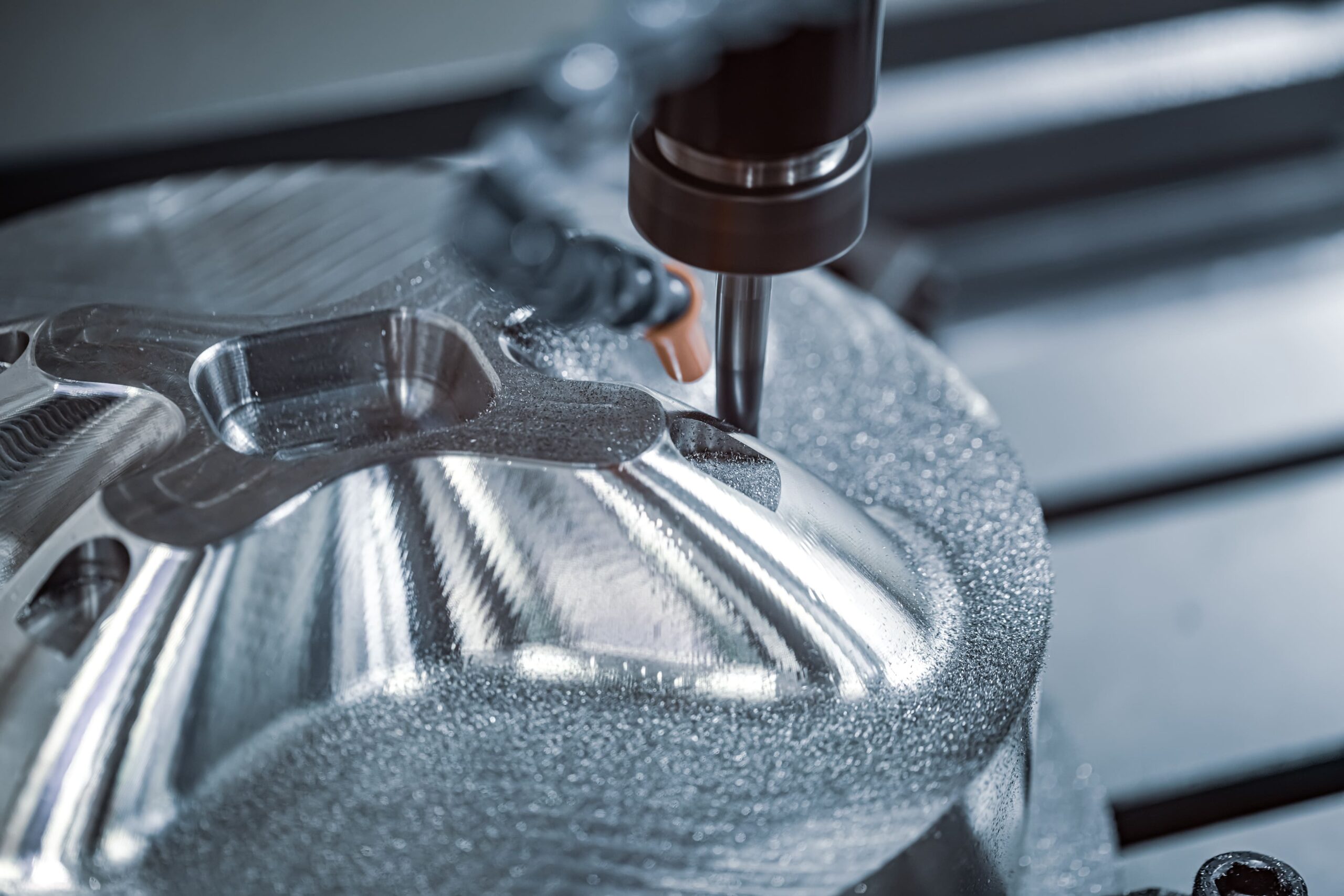
Our large-part CNC milling capabilities accommodate parts up to 3000 × 2000 × 100 mm, as well as long components up to 4500 × 600 × 100 mm. Actual capacity depends on the part geometry, material, feature locations, tolerances, machining direction, and workholding requirements. Please submit your 3D model and 2D drawing for a feasibility review.
Yes. We regularly machine thin-walled enclosures, housings, brackets, and other components. As a general guideline, we recommend minimum wall thicknesses of 0.8 mm for metals and 1.5 mm for engineering plastics.
Thinner walls may be possible depending on the material, wall height, geometry, tolerances, and workholding method, but they may increase the risk of vibration, deflection, and deformation.
Because CNC milling uses rotating cutting tools, perfectly sharp internal corners cannot be produced directly with standard milling cutters. We generally recommend internal corner radii of at least 1.0 mm, with larger radii preferred for deeper pockets.
Deep and narrow pockets may require longer tools, additional machining passes, or EDM, increasing machining time and the risk of tool deflection. Our engineers will review these features and recommend a suitable process.
CNC milling uses rotating cutting tools to machine a stationary workpiece and is ideal for plates, brackets, housings, pockets, holes, and parts with multiple flat or contoured features. CNC turning rotates the workpiece against a cutting tool and is generally better suited to shafts, pins, bushings, sleeves, and other cylindrical parts.
Components containing both turned and milled features may require live-tool turning or a combination of both processes.
Five-axis CNC milling is well suited to parts with complex contours, angled features, deep cavities, undercuts, or critical features located on multiple sides. By accessing more surfaces in fewer setups, it can reduce manual repositioning and improve feature-to-feature consistency.
However, not every part requires five-axis machining. We select 3-axis, 4-axis, or 5-axis machining according to the part geometry, tolerance requirements, quantity, and overall manufacturing cost.
Once we receive your design files, our senior manufacturing engineers will manually perform a comprehensive DFM review and deliver an accurate, optimized quote within 24 hours.