Leverage simultaneous 5-axis rotation to eliminate multiple setups, achieve micro-level tolerances, and machine complex, multi-dimensional geometries across a wide range of metals, plastics, and advanced composites.
✅ All Design Uploads Are Secure & Confidential
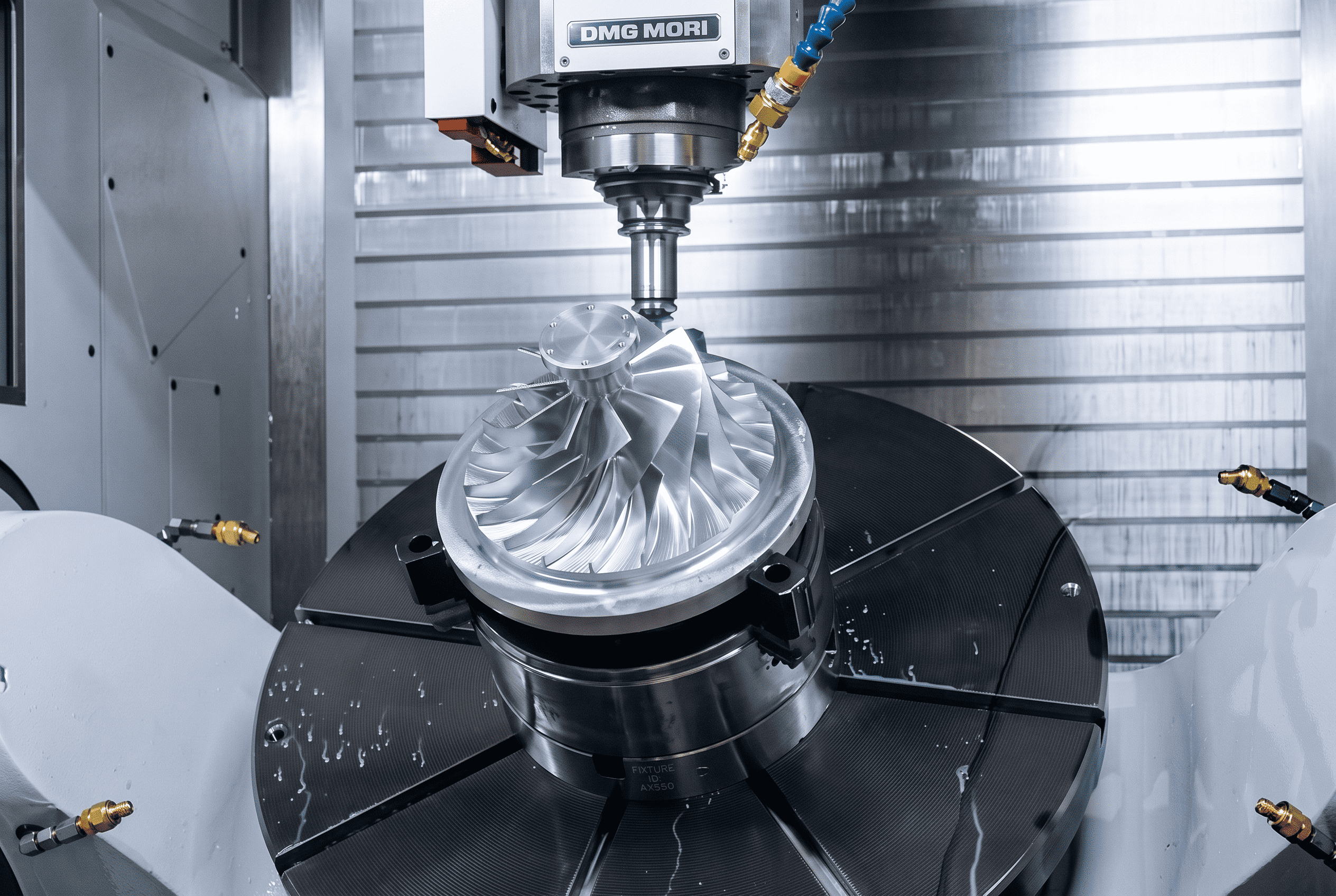
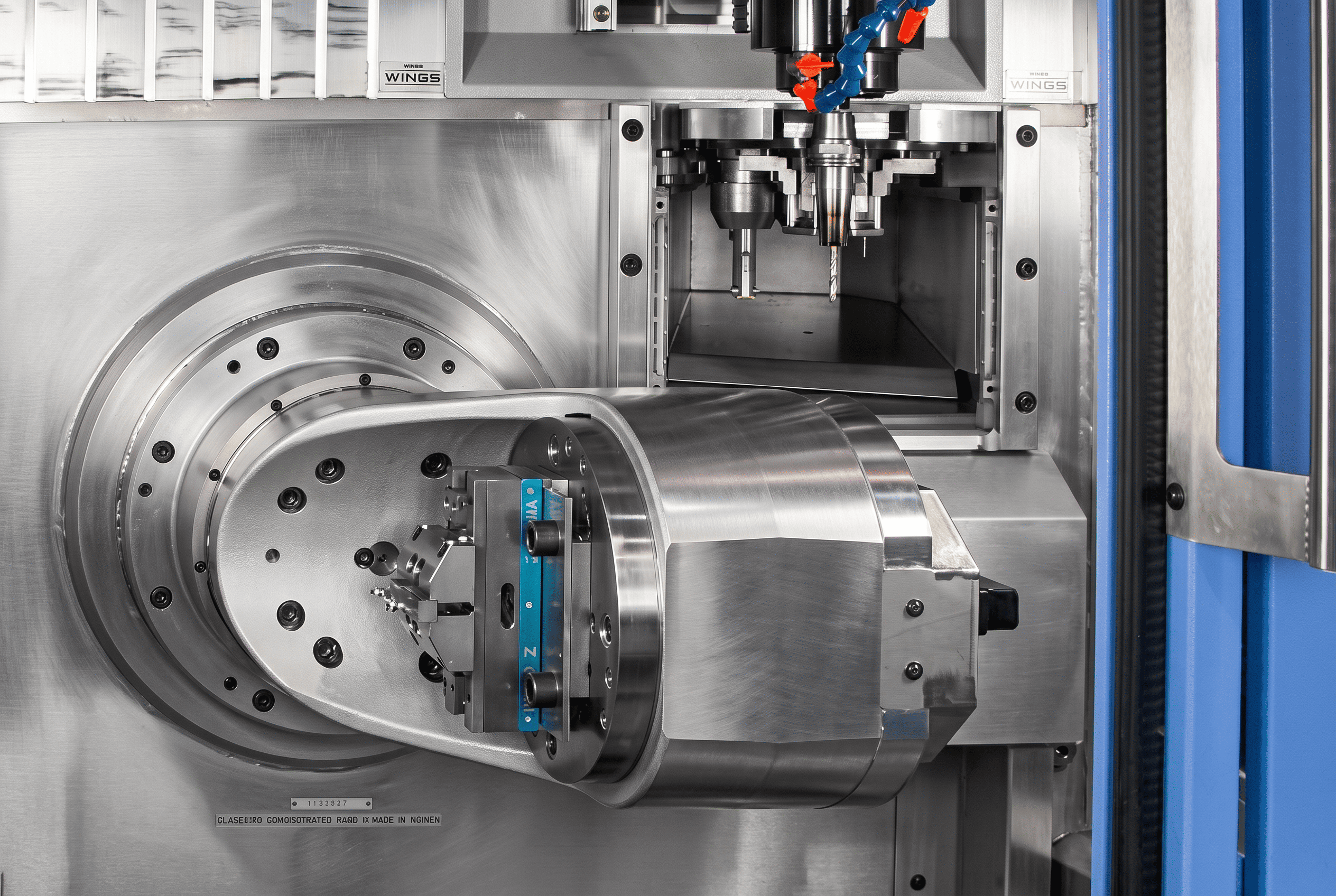
Computer Numerical Control (CNC) machining has revolutionized modern manufacturing, but 5-axis centers represent the absolute peak of this technology. Unlike traditional 3-axis machines that only move linearly along the X, Y, and Z axes, a 5-axis CNC machine introduces two additional rotational axes (A and B).
Discover how 5-axis technology eliminates traditional manufacturing barriers—delivering zero-force precision, unlimited material options, and flawless surface finishes in a single setup.
Unlike conventional milling or turning that relies on sharp steel blades to shear away metal, 5-axis EDM or optimized high-speed 5-axis milling focuses on zero-force and stress-free machining. Since we can continuously adjust the angle of the cutting head, we eliminate mechanical tool pressure and structural deflection. This allows our team to safely machine ultra-thin walls, micro-features, and fragile geometries that would instantly bend, warp, or crack under standard rigid CNC cutters.
这是示例文本,单击 “编辑” 按钮更改此文本。
Conventional CNC tools struggle to machine extremely hard metals without suffering from rapid tool wear and breakage. Our 5-axis capabilities bypass these limitations. By optimizing tool contact angles and leveraging high-temperature discharge or cutting methods, we machine hardened tool steel, aerospace-grade titanium, and tungsten carbide effortlessly. This ensures incredible dimensional accuracy and a uniform finish on even the toughest metals.
这是示例文本,单击 “编辑” 按钮更改此文本。
Aluminum Alloys (great strength-to-weight ratio), Stainless Steel (highly corrosion-resistant), Titanium, and Inconel.
Acrylic (optical transparency), Nylon (high toughness, low friction), and Polycarbonate (impact-resistant).
Carbon Fiber Reinforced Polymers (CFRP) and Glass Fiber Reinforced Polymers (GFRP) for ultra-lightweight parts.
Technical Ceramics (high heat and wear resistance) and Graphite (essential for mold electrodes).


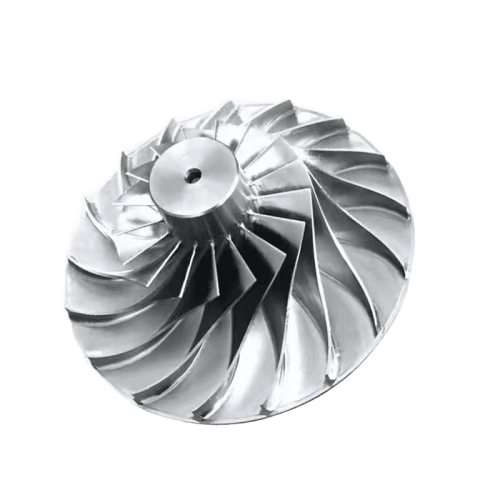
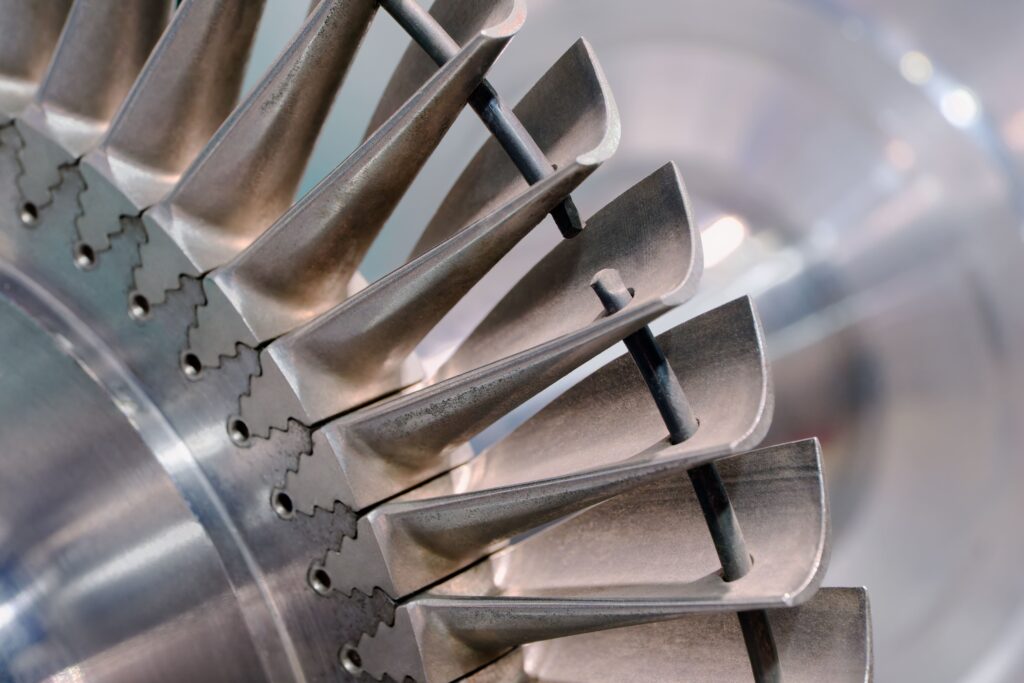
Use simultaneous 5-axis machining if your part has smooth, organic, or complex 3D curved surfaces (like impellers, turbine blades, or highly contoured aerospace parts) that require continuous tool movement. If your part is prismatic but has features on multiple angled faces, 3+2 axis positional machining is much more cost-effective. It locks the part at specific angles to machine features using standard 3-axis programs, reducing setup times without the high programming cost of full simultaneous motion.

This depends on our machine architecture. For our Swivel Head (Head-Table) style machines, we can accommodate larger and heavier workpieces because the machine table remains stable. For our Trunnion (Table-Table) style machines, the workpiece rotates and tilts, which limits the envelope size and weight capacity. Please upload your CAD file, and our engineering team will match your part to the optimal machine configuration.
We regularly achieve standard tolerances of ±0.05 mm. For critical high-precision features, we can guarantee tight tolerances down to ±0.01 mm to ±0.005 mm depending on the material, part geometry, and thermal stability. To ensure these tolerances are met, we utilize in-line probe systems and coordinate measuring machines (CMM) for post-production validation.
To minimize 5-axis machining costs, we recommend three key design practices:
Avoid deep internal pockets: Deep cavities require long, slender tools that are prone to deflection and require slower machining speeds.
Standardize internal corner radii: Use larger corner fillets that match standard tool diameters so we can use thicker, more rigid cutters at higher speeds.
Consolidate features to a single setup: Design features so they can all be reached from the 5-axis spindle directions, eliminating the need for manual repositioning.
One of the main advantages of 5-axis machining is that it drastically reduces or entirely eliminates the need for complex custom fixtures. Since the machine can tilt and rotate the part to access multiple faces, we can typically use standard vises, collets, or vacuum tables. This keeps tooling costs low and allows us to start production faster, offering lead times as quick as 5 to 7 days for prototype runs.
Once we receive your design files, our senior manufacturing engineers will manually perform a comprehensive DFM review and deliver an accurate, optimized quote within 24 hours.