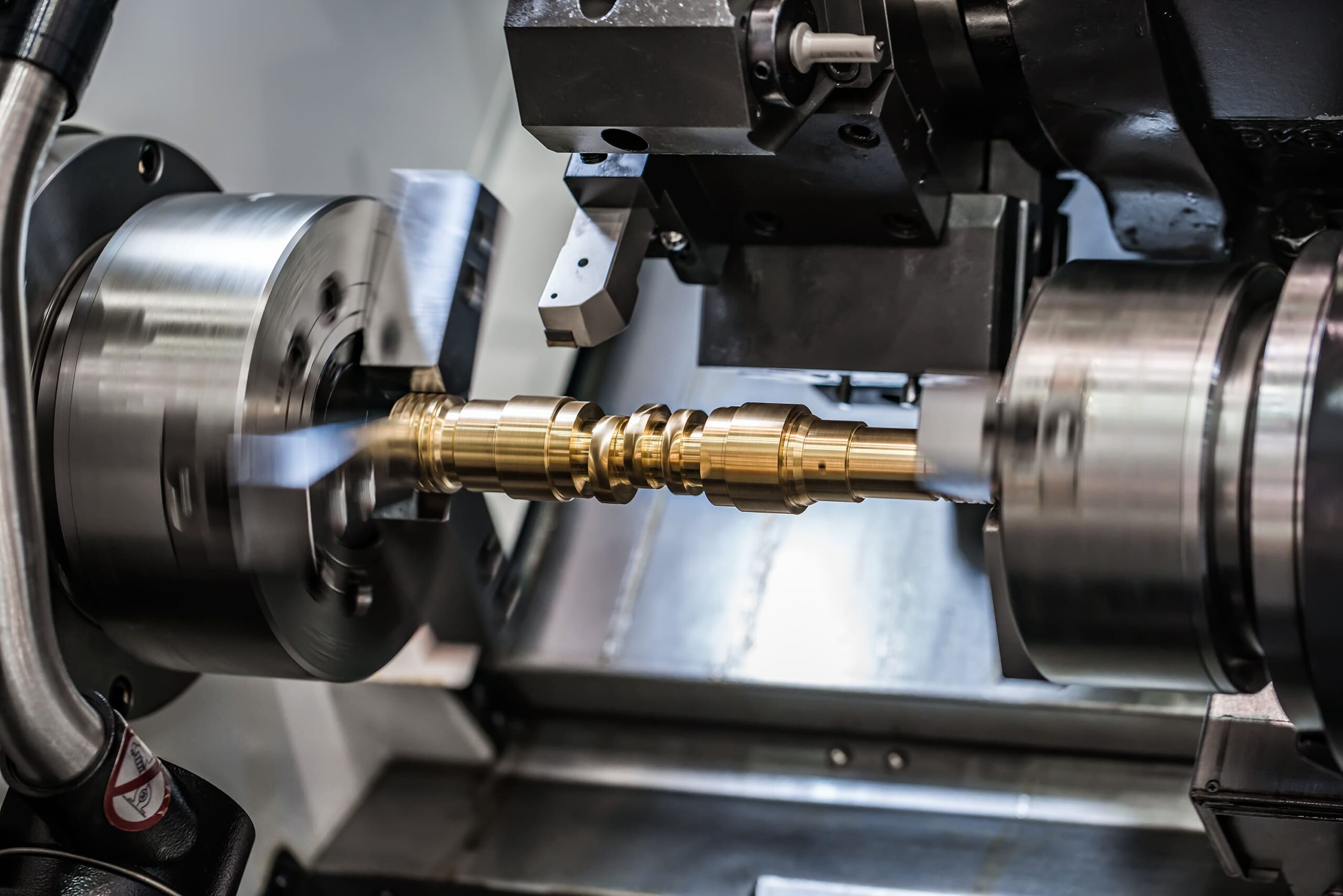
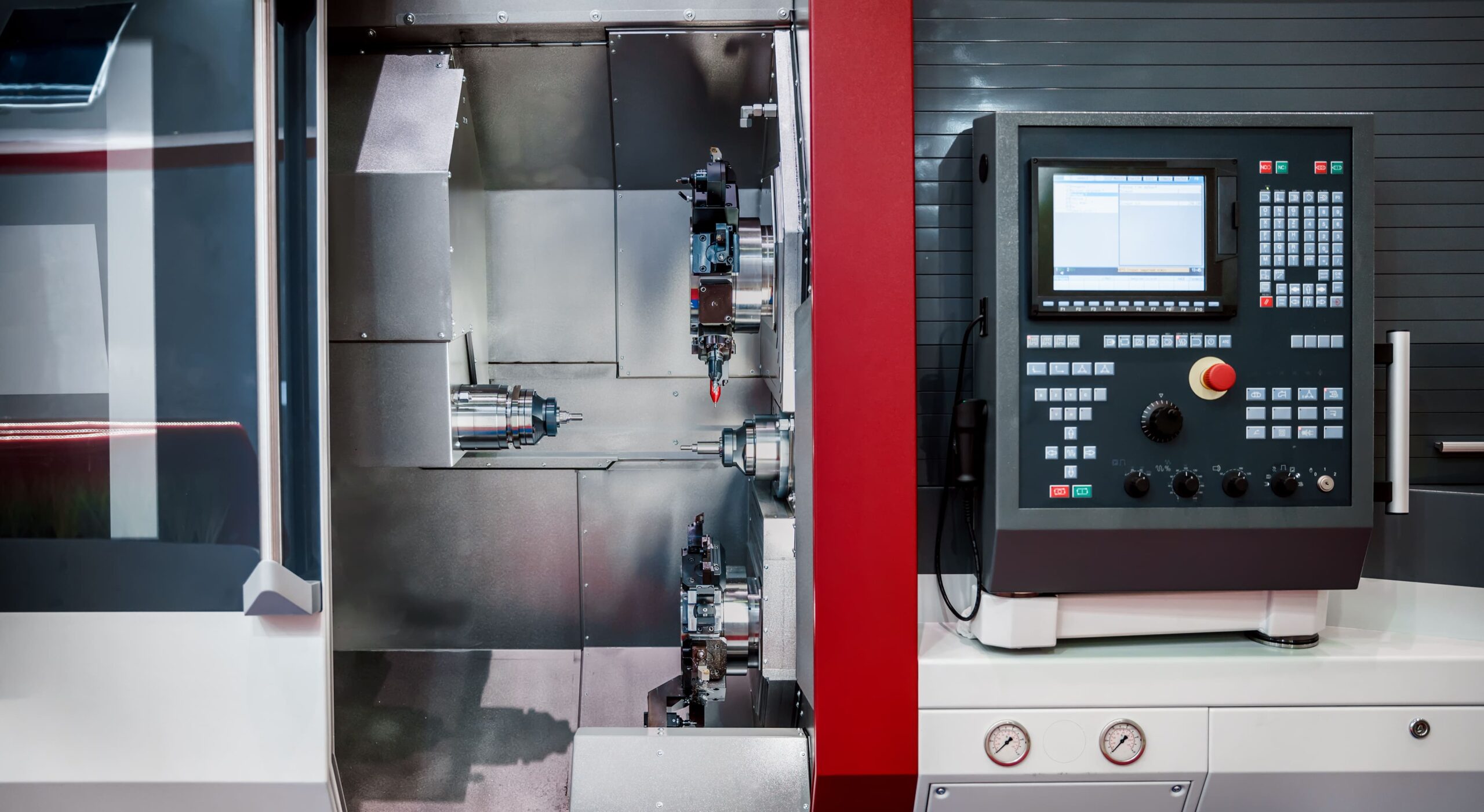
Tenghui provides high-precision CNC turning services for cylindrical and rotationally symmetrical parts. Equipped with advanced CNC lathes, live tooling, and sub-spindles, we efficiently manufacture custom shafts, pins, and bushings. We deliver tight tolerances down to ±0.01 mm and rapid 3-to-7 day turnarounds for both prototyping and high-volume production.
Quotes are typically provided within 24 hours after complete drawings and project requirements are received.
✅ All Design Uploads Are Secure & Confidential
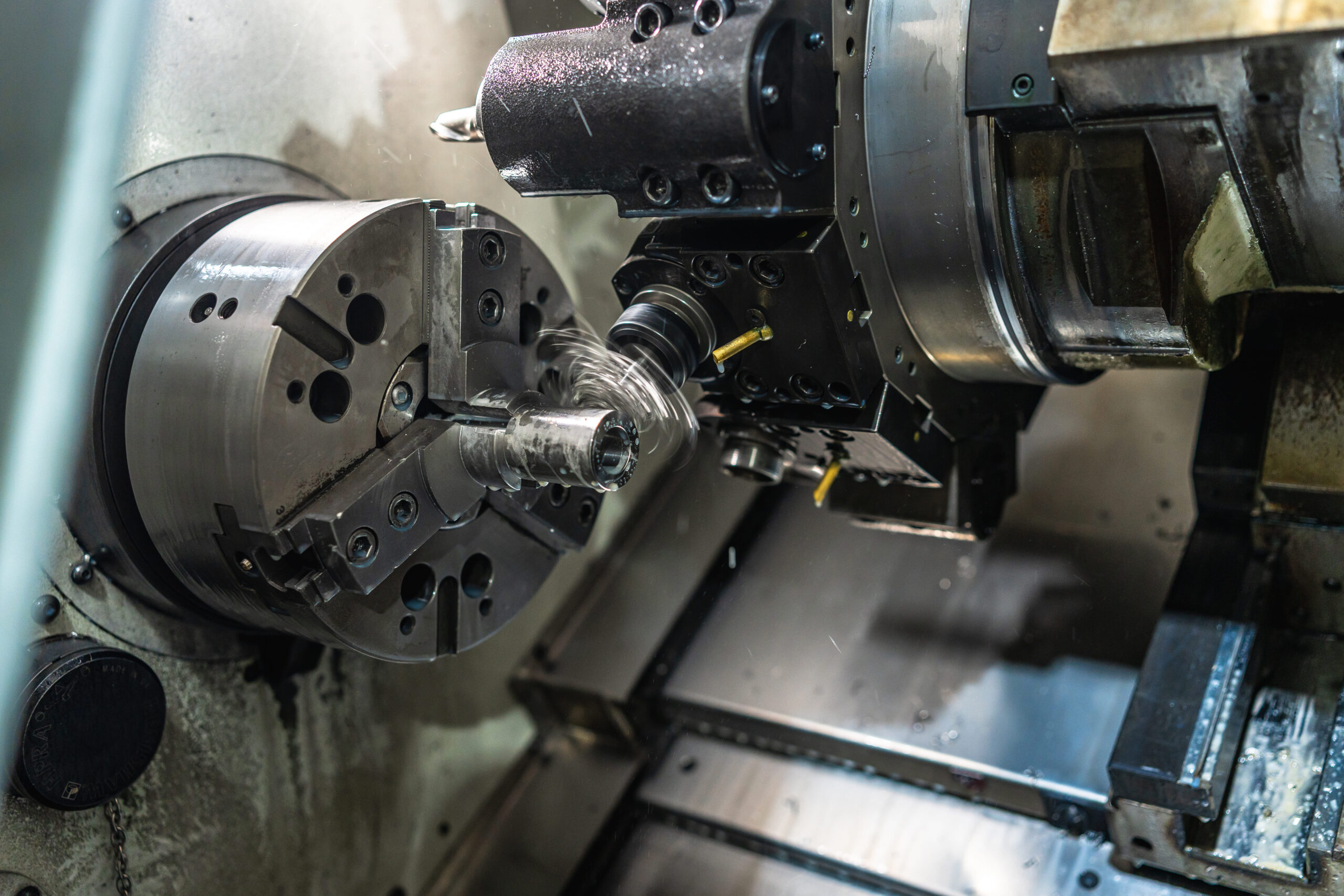
Our CNC lathes and live-tool turn-mill equipment support a wide range of external and internal turned features, including diameters, bores, grooves, tapers, shoulders, and threads. Live tooling also allows selected milling operations to be completed in fewer setups, helping improve feature-to-feature consistency and production efficiency.
Capability | Machining Range | Important Considerations |
Maximum Part Diameter | Up to Ø800 mm | Actual capacity depends on part length, geometry, material, weight, tooling clearance, and workholding method. |
Maximum Part Length | Up to 1500 mm | Long or slender parts may require tailstock or steady-rest support. |
Maximum Bar-Feed Diameter | Up to Ø65 mm | Suitable for repeat production when the material, stock form, part length, and geometry are compatible with automatic feeding. |
Standard Machining Tolerance | Typically ±0.05 mm | Suitable for general turned dimensions and non-critical features. |
Precision Machining Tolerance | Down to ±0.01 mm | Available for selected critical features after engineering review. |
Please submit your 3D CAD model and fully dimensioned 2D drawing so our engineering team can confirm machine capacity, workholding, tolerances, and inspection requirements.
CNC turning tolerances define the allowable variation between the dimensions specified on a 2D technical drawing and the finished machined part. Tighter tolerances may require additional machining passes, controlled workholding, and more extensive inspection, which can affect cost and lead time.
Tolerance Category | Metric Capability | Imperial Capability | Typical Applications |
Standard Machining Tolerance | Typically ±0.05 mm | Typically ±0.002 in | General diameters, lengths, grooves, shoulders, and non-critical turned features |
Precision Machining Tolerance | Down to ±0.01 mm | Down to ±0.0004 in | Selected critical diameters, bearing fits, locating features, mating surfaces, and assembly interfaces |
Geometric Tolerances | Drawing-dependent | Drawing-dependent | Runout, cylindricity, concentricity, perpendicularity, position, and profile requirements |
Achievable tolerances depend on the material, part diameter and length, geometry, wall thickness, length-to-diameter ratio, surface finish, workholding, and inspection method. Please identify all critical dimensions, fits, and geometric tolerances on your 2D drawing.
Unless otherwise agreed, dimensional tolerances apply before plating, anodizing, heat treatment, or other secondary processes.
Use these general design recommendations to improve machinability, dimensional stability, and cost efficiency. These values are recommended starting points rather than fixed manufacturing limits. Final feasibility depends on the material, geometry, tolerances, quantity, and application requirements.
Design Feature | Recommended Guideline | Practical Considerations |
Length-to-Diameter Ratio | Additional support may be required above approximately 4:1 | Long, slender parts are more susceptible to vibration, tool deflection, taper, and dimensional variation. |
Minimum Wall Thickness | Metals: ≥0.8 mm; plastics: ≥1.5 mm | Thin walls may deform under chuck pressure or cutting forces. Thinner walls may be possible after engineering review. |
Internal Corner Radii | Add a radius of ≥0.4 mm where permitted | Turning tools cannot produce perfectly sharp internal shoulders. A radius or relief groove improves tool clearance and reduces stress concentration. |
Internal Bore Depth | Keep the depth-to-diameter ratio at approximately 4:1 or less where possible | Deep, narrow bores require longer boring bars and may increase vibration, chip-removal difficulty, and surface variation. |
Threads | Use standard metric or imperial thread sizes | Standard thread forms reduce tooling requirements. A thread-relief groove may be needed near a shoulder. |
Thread Engagement | Specify only the functional thread length required | Excessive thread depth increases machining time and may complicate chip evacuation without proportionally improving joint strength. |
Grooves and Undercuts | Use standard widths and radii where possible | Standard dimensions allow readily available tools to be used and help reduce tooling cost and lead time. |
Knurling | Standard straight or diamond patterns preferred | Standard patterns and pitches reduce special tooling requirements. Final appearance depends on the material, diameter, and pitch. |
Dimensional Tolerances | Standard: ±0.05 mm; down to ±0.01 mm for selected critical features | Apply tight tolerances only to functional diameters, fits, locating features, and other critical dimensions. |
Surface Roughness | Typical as-turned finish: approximately Ra 1.6–3.2 μm | Finer finishes may require additional finishing passes, polishing, or precision grinding. |
Please submit your 3D CAD model and fully dimensioned 2D drawing for a project-specific DFM and machining feasibility review.
Common Grades: 6061, 6063, 7075, 2024, 5052, 5083, and 6082
Key Properties: Lightweight, machinable, corrosion-resistant, and available in high-strength and anodizing-friendly grades.
Typical Applications: Housings, brackets, frames, heat sinks, electronic enclosures, fixtures, aerospace parts, and functional prototypes.
Available Finishes: Anodizing, hard anodizing, conversion coating, powder coating, bead blasting, polishing, and laser marking.
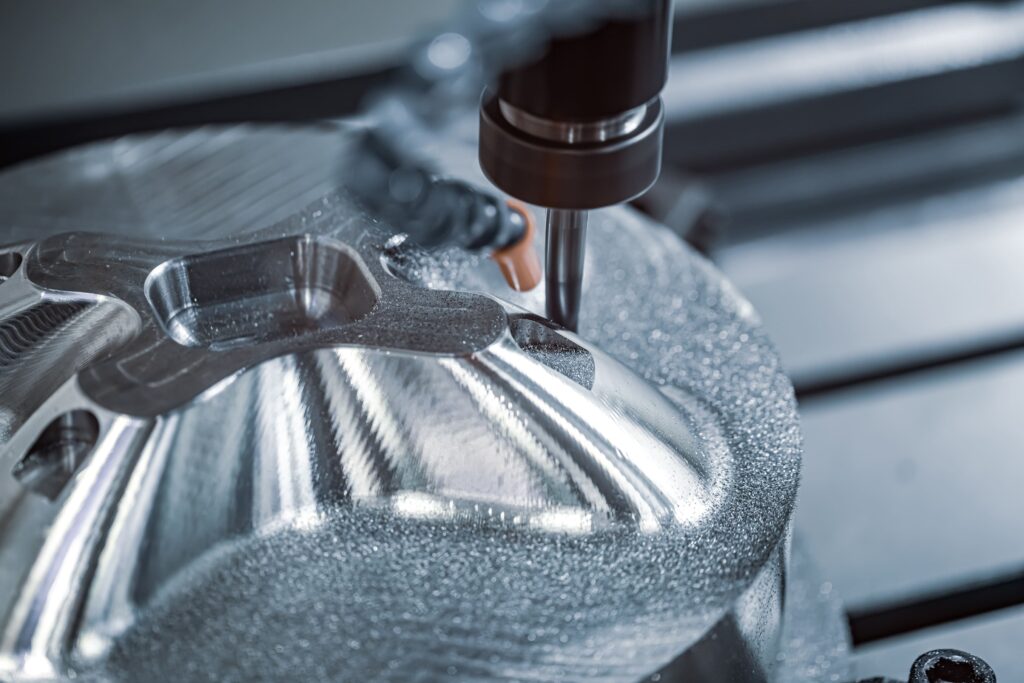
Common Grades: C101, C110, C14500, and C17200
Key Properties: Excellent electrical and thermal conductivity, corrosion resistance, and ductility, with selected grades offering improved machinability and strength.
Typical Applications: Heat sinks, busbars, grounding terminals, connectors, electrodes, battery contacts, and power distribution components.
Available Finishes: Polishing, nickel plating, tin plating, silver plating, and protective coating.
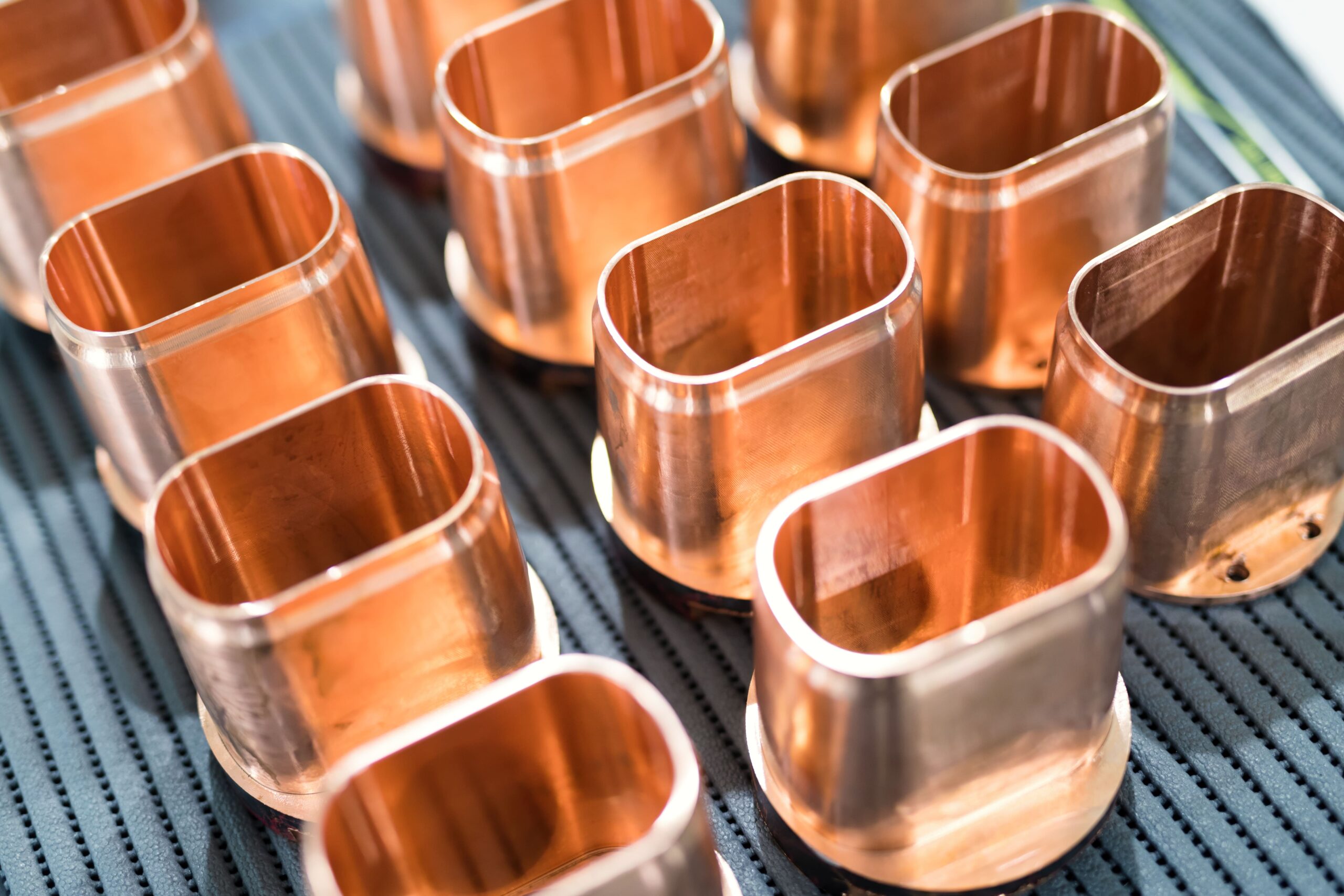
Common Grades: C360 / Free-Cutting Brass
Key Features: Outstanding machinability, low friction coefficient, non-sparking, and great electrical conductivity.
Typical Applications: Threaded pipe fittings, fluid valve bodies, compression couplings, and electronic terminal connectors.
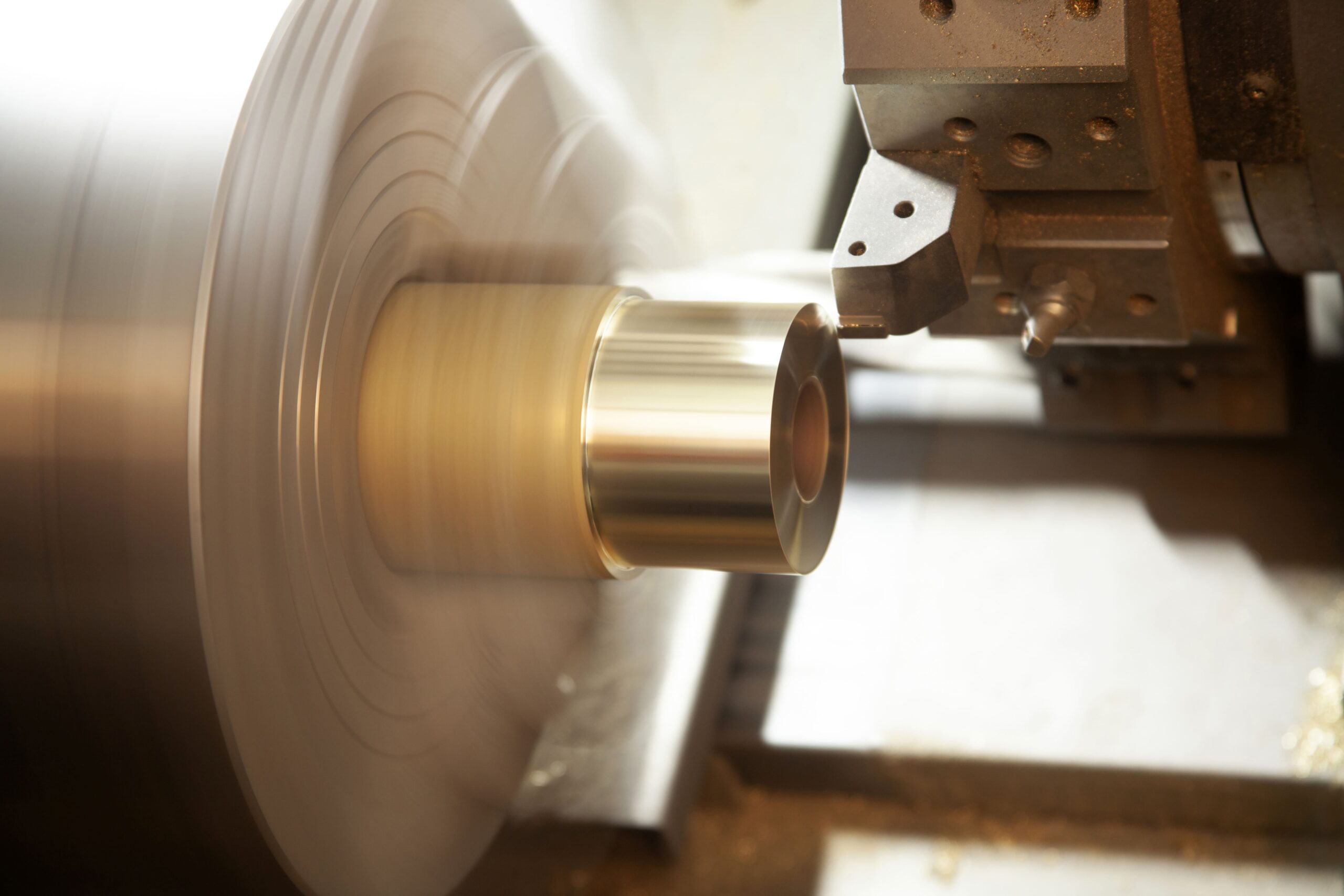
Common Grades:303, 304, 316/316L, 17-4 PH, and 420
Key Properties:Excellent corrosion resistance, high strength, durability, and good temperature resistance. Selected grades offer improved machinability, enhanced chemical resistance, or heat-treatable mechanical properties.
Typical Applications: Food-processing equipment components, marine hardware, valve and pump parts, shafts, fittings, fasteners, automation components, and precision instrument parts.
Available Finishes: As-machined, passivation, electropolishing, bead blasting, brushing, polishing, black oxide, and PVD coating.
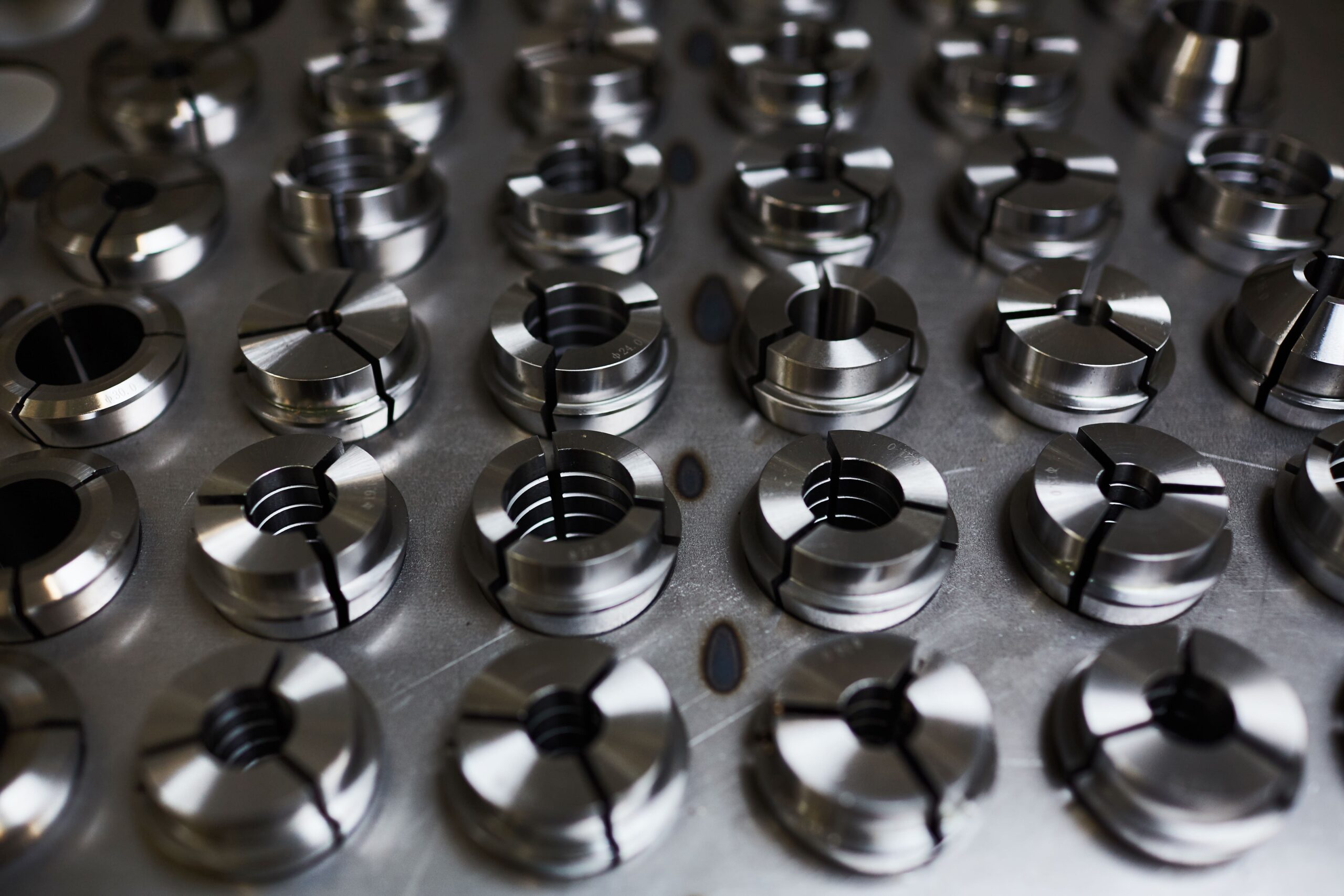
Common Grades: 1018, 1020, A36, 1045, 4140, and 42CrMo4
Key Properties: Cost-effective, strong, and durable, with selected grades offering good machinability, weldability, toughness, wear resistance, and heat-treatment response.
Typical Applications: Shafts, gears, sprockets, axles, brackets, base plates, fixtures, machine frames, tooling, and structural components.
Available Finishes: Black oxide, zinc plating, nickel plating, phosphate coating, powder coating, painting, case hardening, and heat treatment.
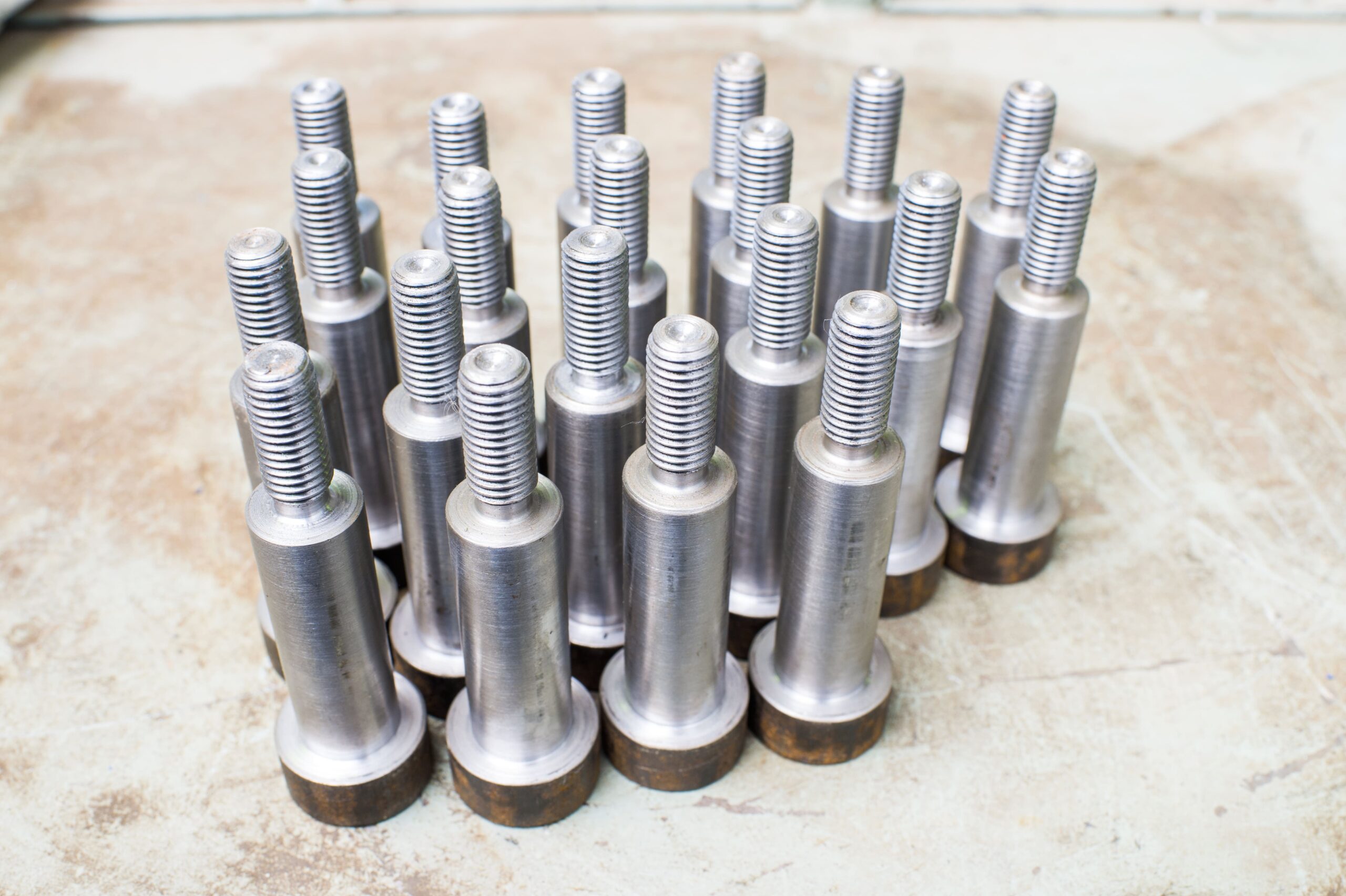
Common Grades: P20, D2, H13, and S7; other grades available upon request
Key Properties: High hardness, wear resistance, toughness, and dimensional stability, with selected grades offering excellent heat and impact resistance.
Typical Applications: Molds, dies, punches, mold inserts, forming tools, wear plates, cutting tools, and precision fixtures.
Available Finishes: Heat treatment, nitriding, polishing, precision grinding, black oxide, and PVD coating.
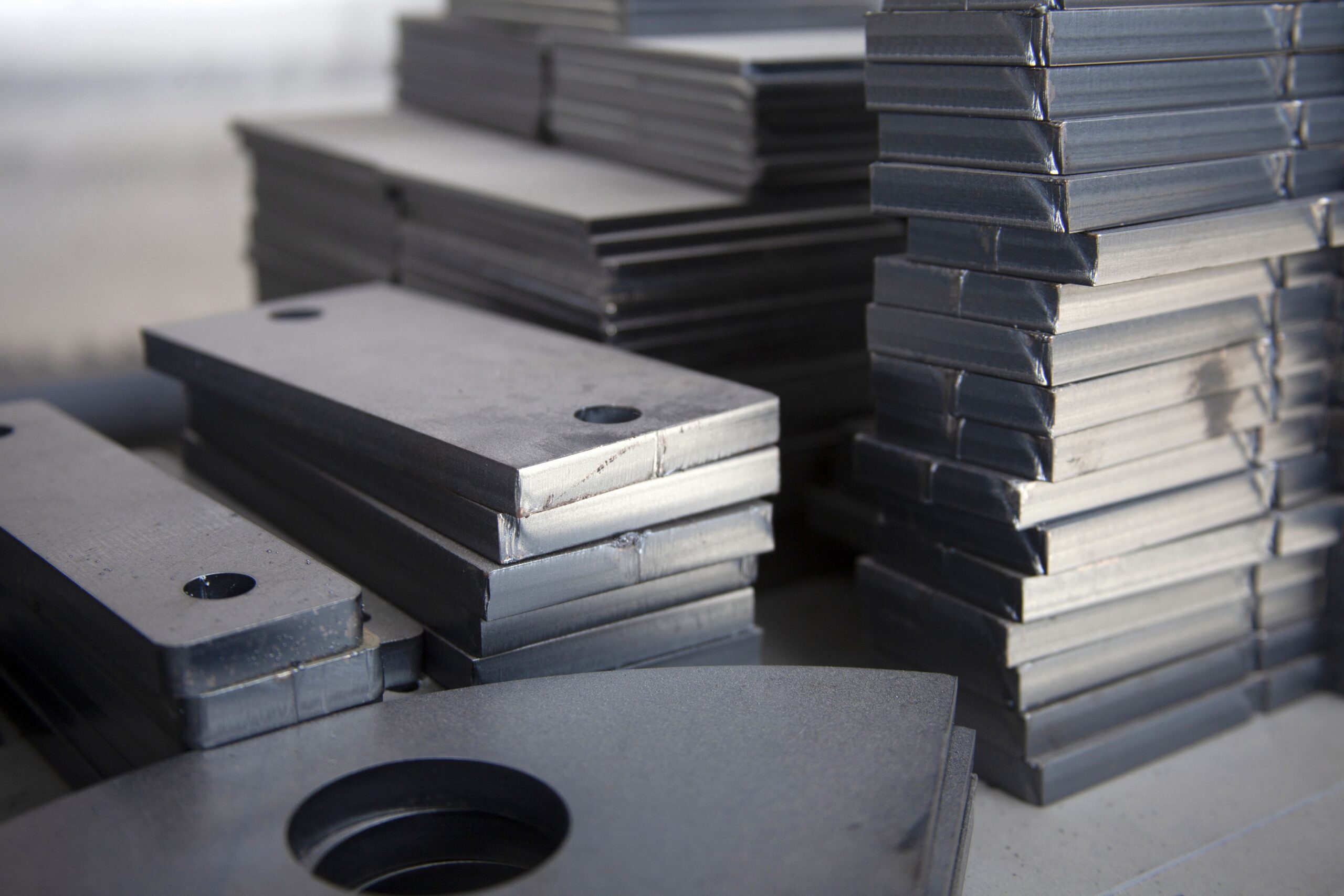
Common Grades: Grade 2 and Grade 5 (Ti-6Al-4V)
Key Properties: Lightweight, strong, corrosion-resistant, and durable, with selected grades offering excellent chemical resistance and fatigue performance.
Typical Applications: Robotic components, marine hardware, chemical-processing equipment, automotive parts, fasteners, shafts, and precision structural components.
Available Finishes: Polishing, bead blasting, brushing, anodizing, passivation, and PVD coating.
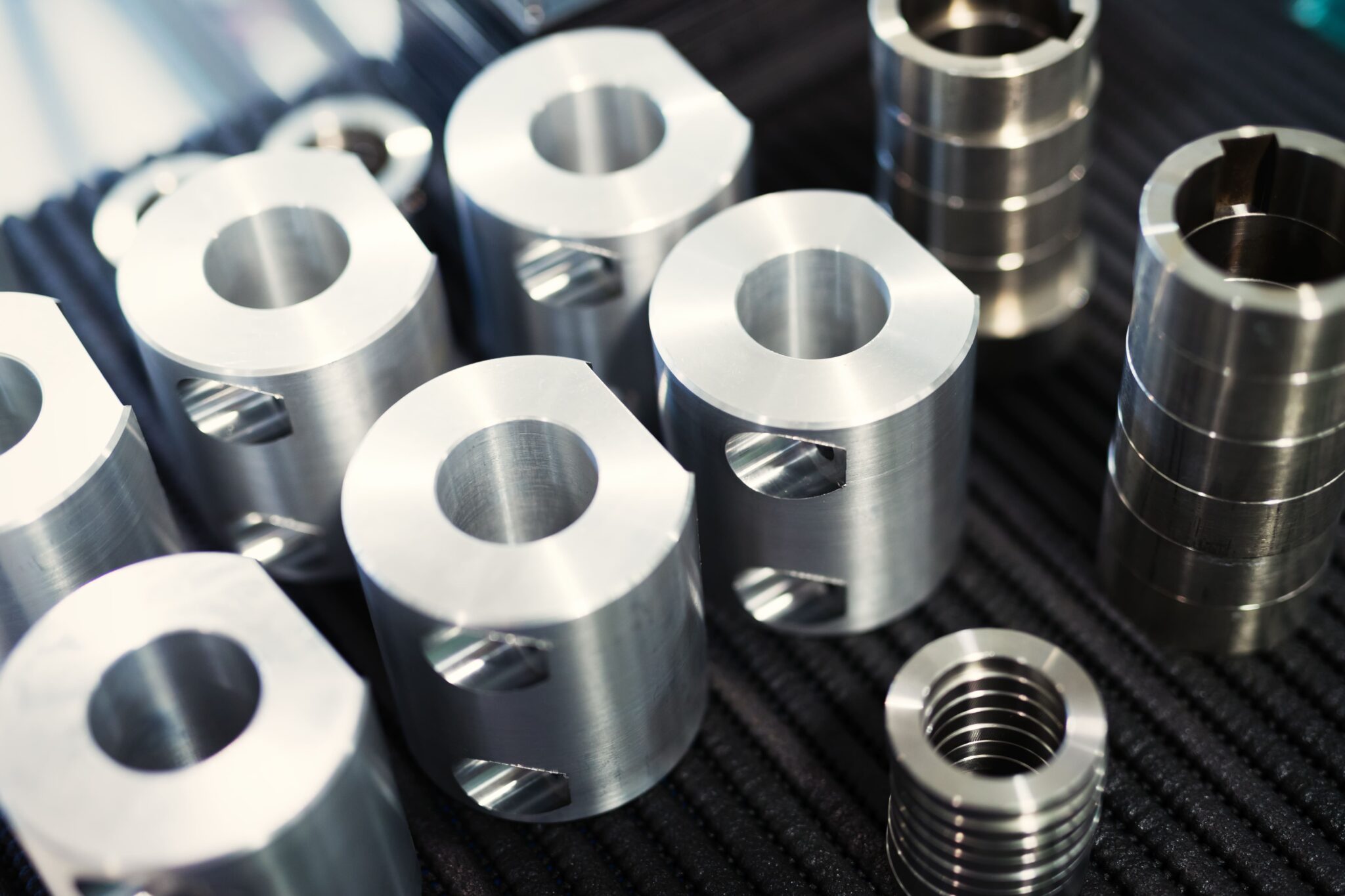
Key Properties: Lightweight, impact-resistant, easy to machine, and cost-effective, with good dimensional stability and electrical insulation.
Typical Applications: Electronic enclosures, equipment housings, control panels, functional prototypes, consumer products, automotive interior components, fixtures, and general-purpose mechanical parts.
Common Colors: Natural, black, and custom colors subject to material availability.
Available Finishes: As-machined, sanding, mechanical polishing, painting, and laser marking upon request.
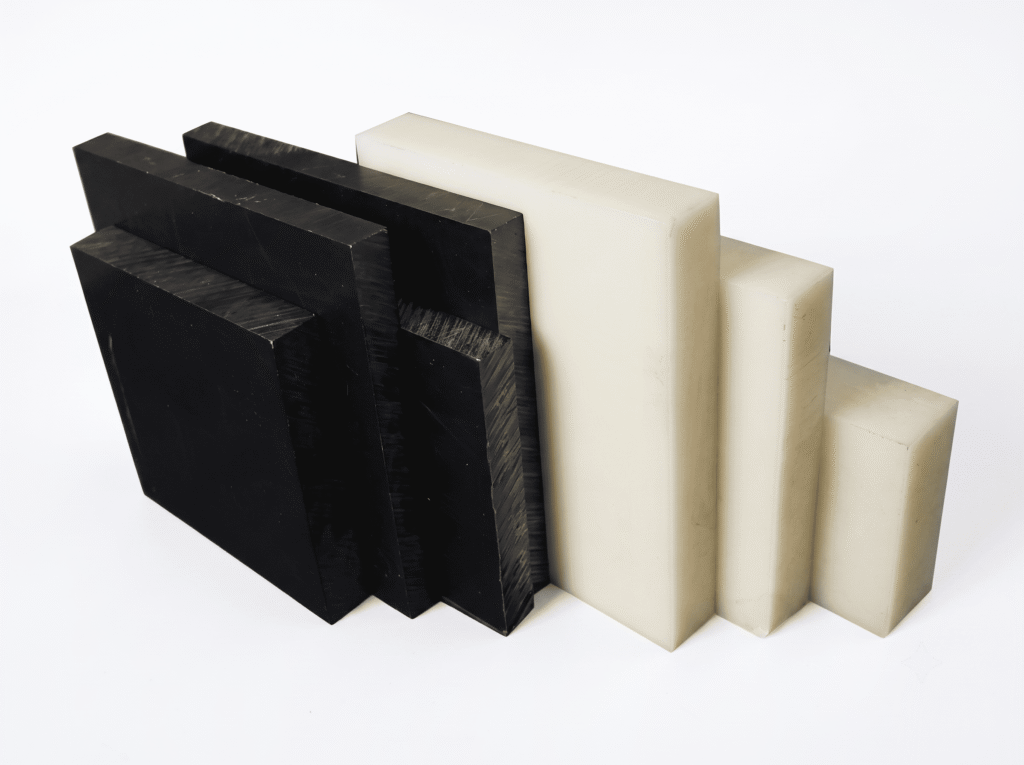
Key Properties: High stiffness, low friction, excellent wear resistance, good dimensional stability, and low moisture absorption, making it suitable for precision mechanical parts.
Typical Applications: Gears, bushings, rollers, bearing components, valve parts, guides, spacers, fixtures, and other precision components.
Common Colors: Natural white, black, and custom colors subject to material availability.
Available Finishes: As-machined, deburring, fine-sanding, and laser marking upon request.
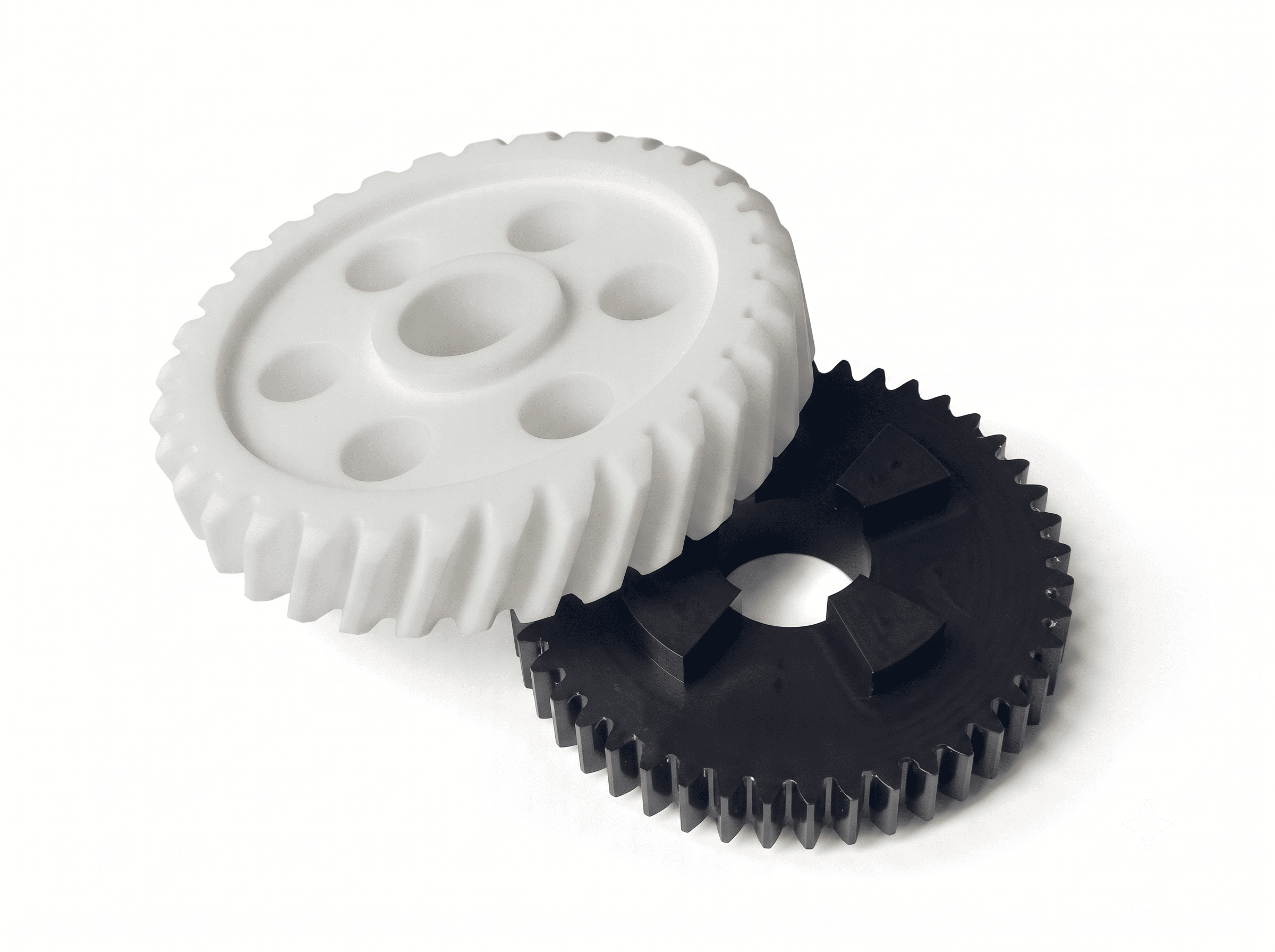
Key Properties: Strong, tough, lightweight, and wear-resistant, with good fatigue resistance and low friction. Moisture absorption and dimensional changes vary by grade.
Typical Applications: Gears, pulleys, bushings, rollers, bearing components, guides, spacers, wear pads, and industrial equipment parts.
Common Colors: Natural, black, and custom colors subject to material availability.
Available Finishes: As-machined, deburring, fine sanding, dyeing, and laser marking upon request.
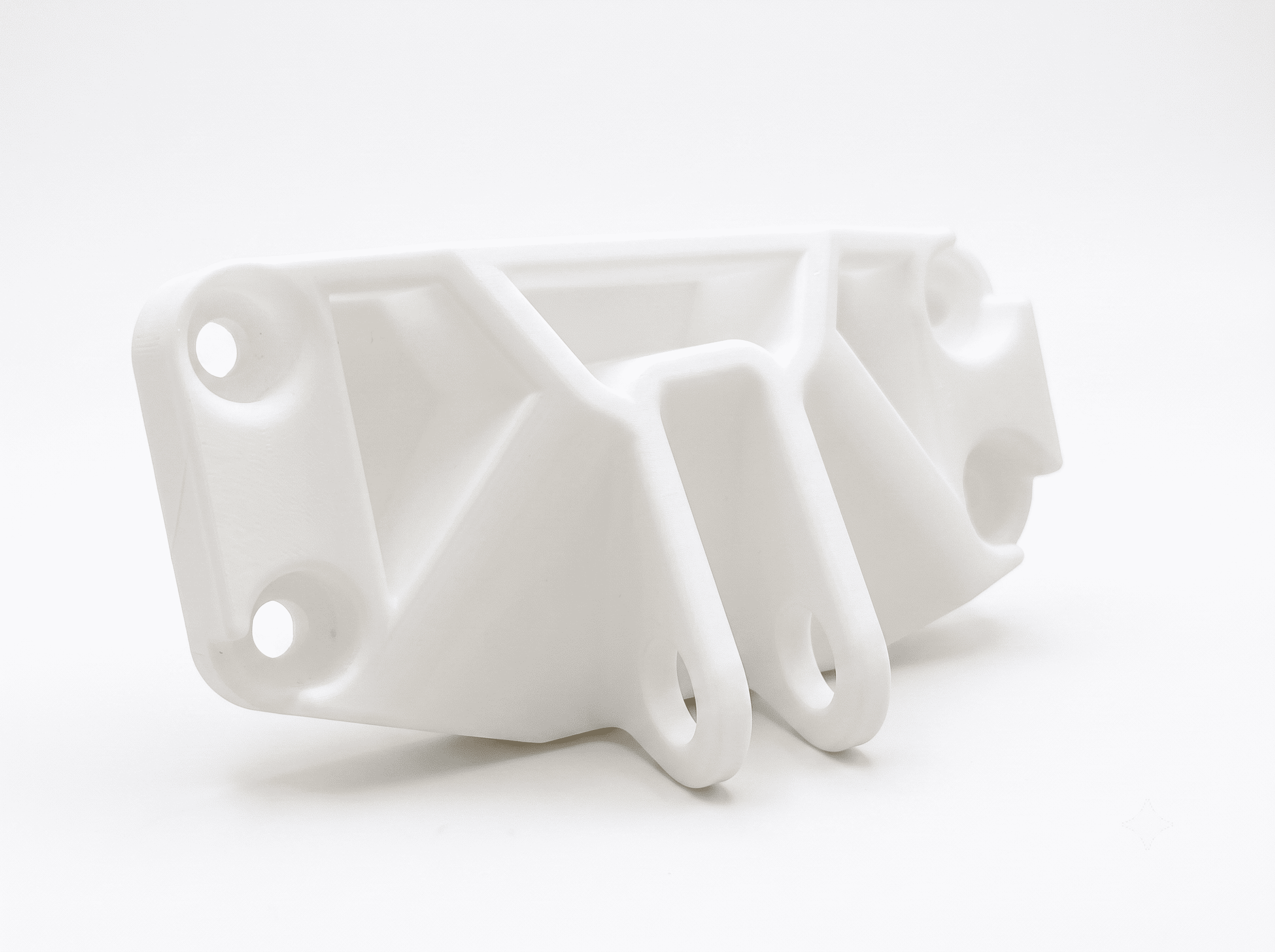
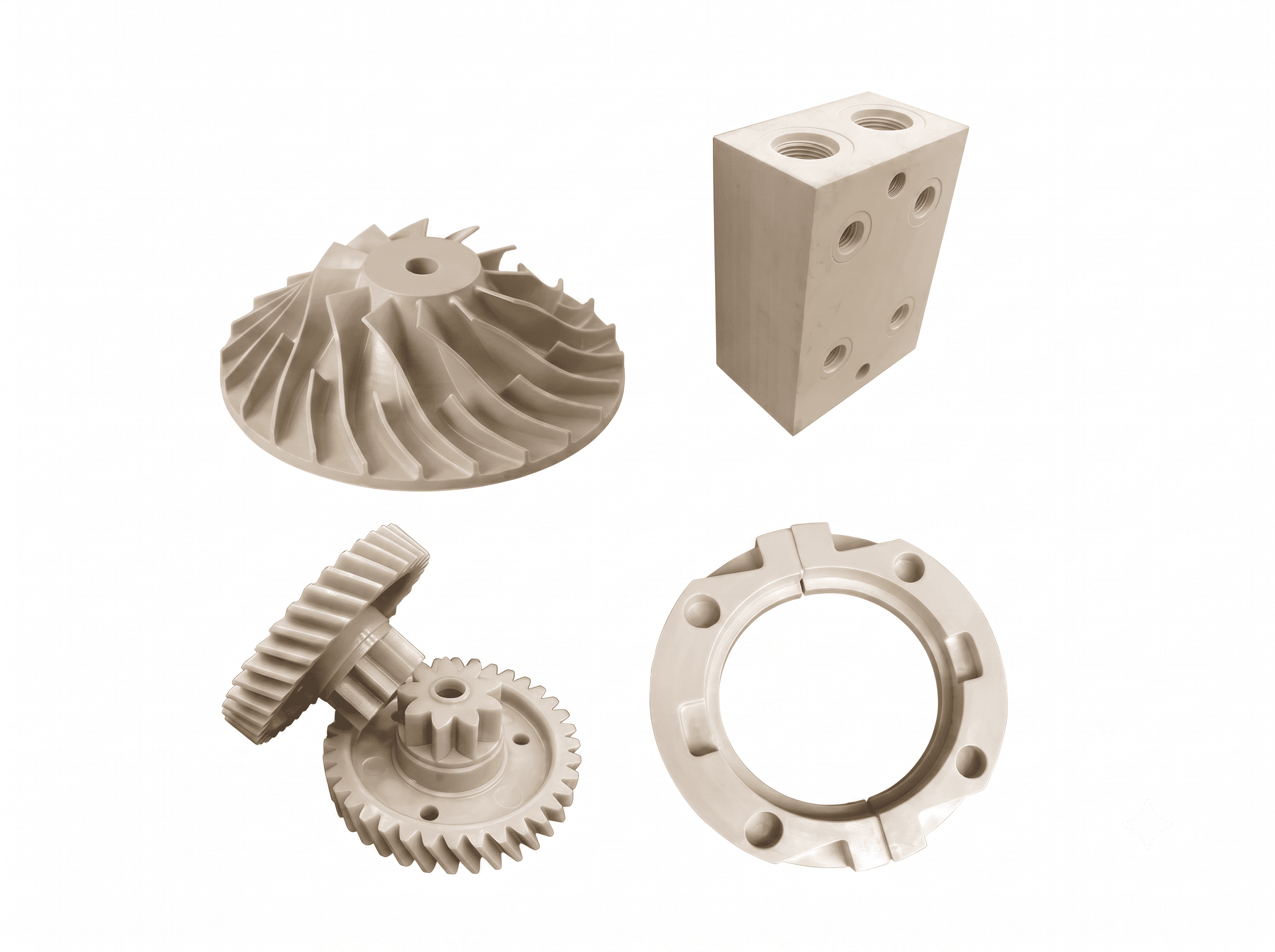
Key Properties: High mechanical strength, excellent chemical and wear resistance, good dimensional stability, and reliable performance at elevated temperatures.
Typical Applications: Semiconductor equipment components, electrical insulators, seals, valve parts, pump components, chemical-processing equipment, fixtures, and other high-performance precision parts.
Common Colors: Natural beige, black, and selected reinforced grades subject to material availability.
Available Finishes: As-machined, precision polishing, bead blasting, and laser marking upon request.
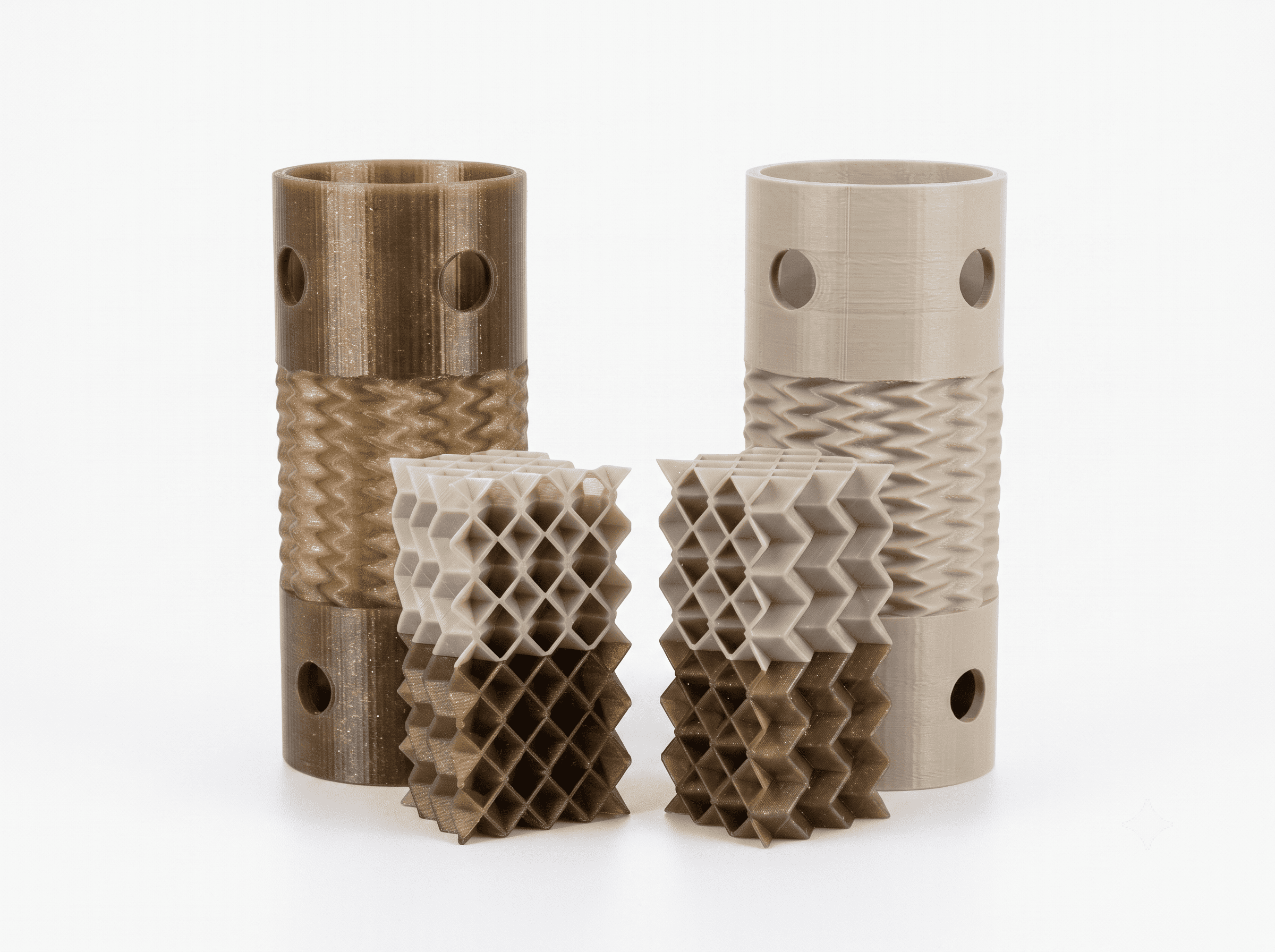
Key Properties: Lightweight, chemically resistant, moisture-resistant, and electrically insulating, with good fatigue resistance and low density.
Typical Applications: Chemical-processing components, manifolds, pump and valve parts, laboratory equipment, fluid-handling components, covers, tanks, and industrial fixtures.
Common Colors: Natural white, black, grey, and custom colors subject to material availability.
Available Finishes: As-machined, deburring, surface texturing, and laser marking upon request.
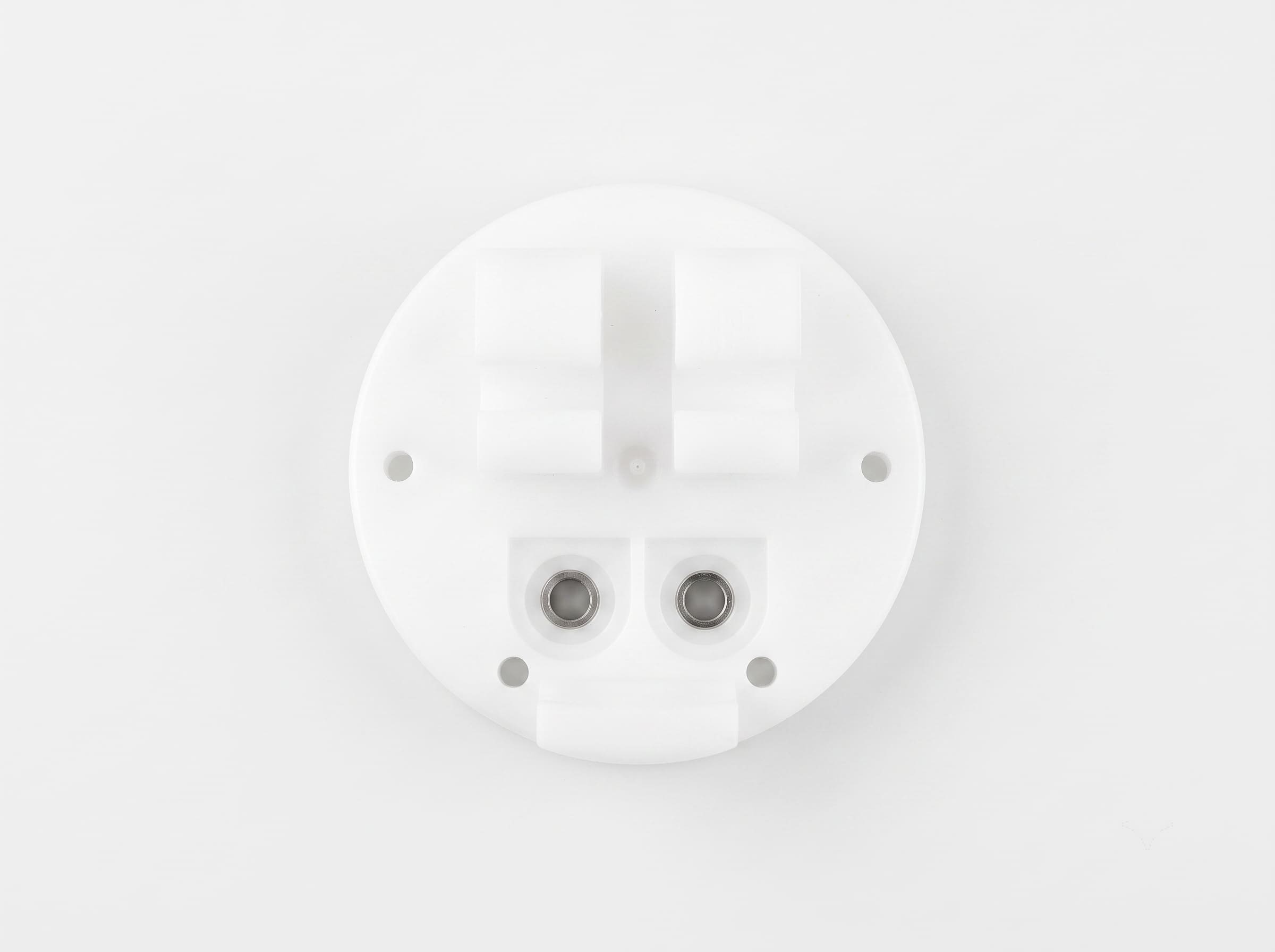
Key Properties: Lightweight, impact-resistant, chemically resistant, and moisture-resistant, with low friction and good durability in demanding environments.
Typical Applications: Wear strips, guides, rollers, spacers, liners, conveyor components, chemical-handling parts, equipment guards, and general industrial components.
Common Colors: Natural white, black, blue, green, and custom colors subject to material availability.
Available Finishes: As-machined, deburring, surface texturing, and engraving upon request.
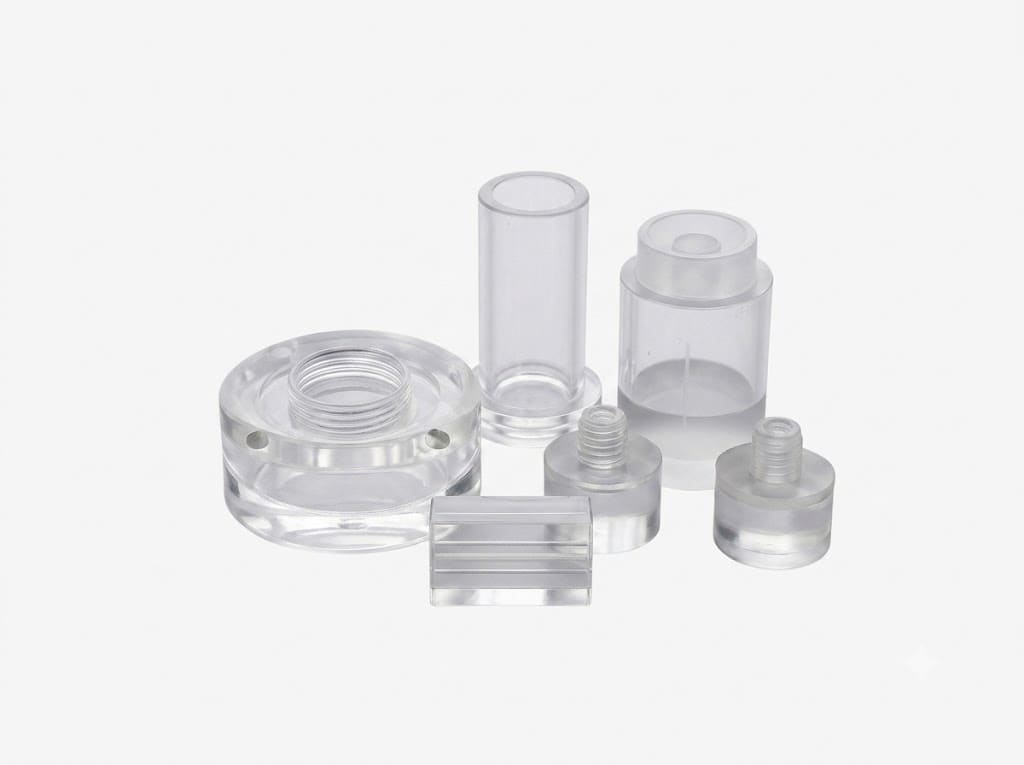
Key Properties: High impact resistance, good dimensional stability, electrical insulation, and excellent transparency in optical-grade materials.
Typical Applications: Protective covers, machine guards, transparent housings, inspection windows, light covers, electronic components, fixtures, and functional prototypes.
Common Colors: Clear, translucent, black, and custom colors subject to material availability.
Available Finishes: As-machined, sanding, mechanical polishing, painting, laser marking, and vapor polishing upon request.
Key Properties: Excellent optical clarity, good UV and weather resistance, low weight, and a smooth surface that can be polished to a high-gloss finish.
Typical Applications: Display panels, transparent covers, equipment windows, light guides, optical components, signage, decorative parts, and visual prototypes.
Common Colors: Clear, translucent, opaque, and custom colors subject to material availability.
Available Finishes: As-machined, sanding, mechanical polishing, flame polishing, painting, and laser engraving.
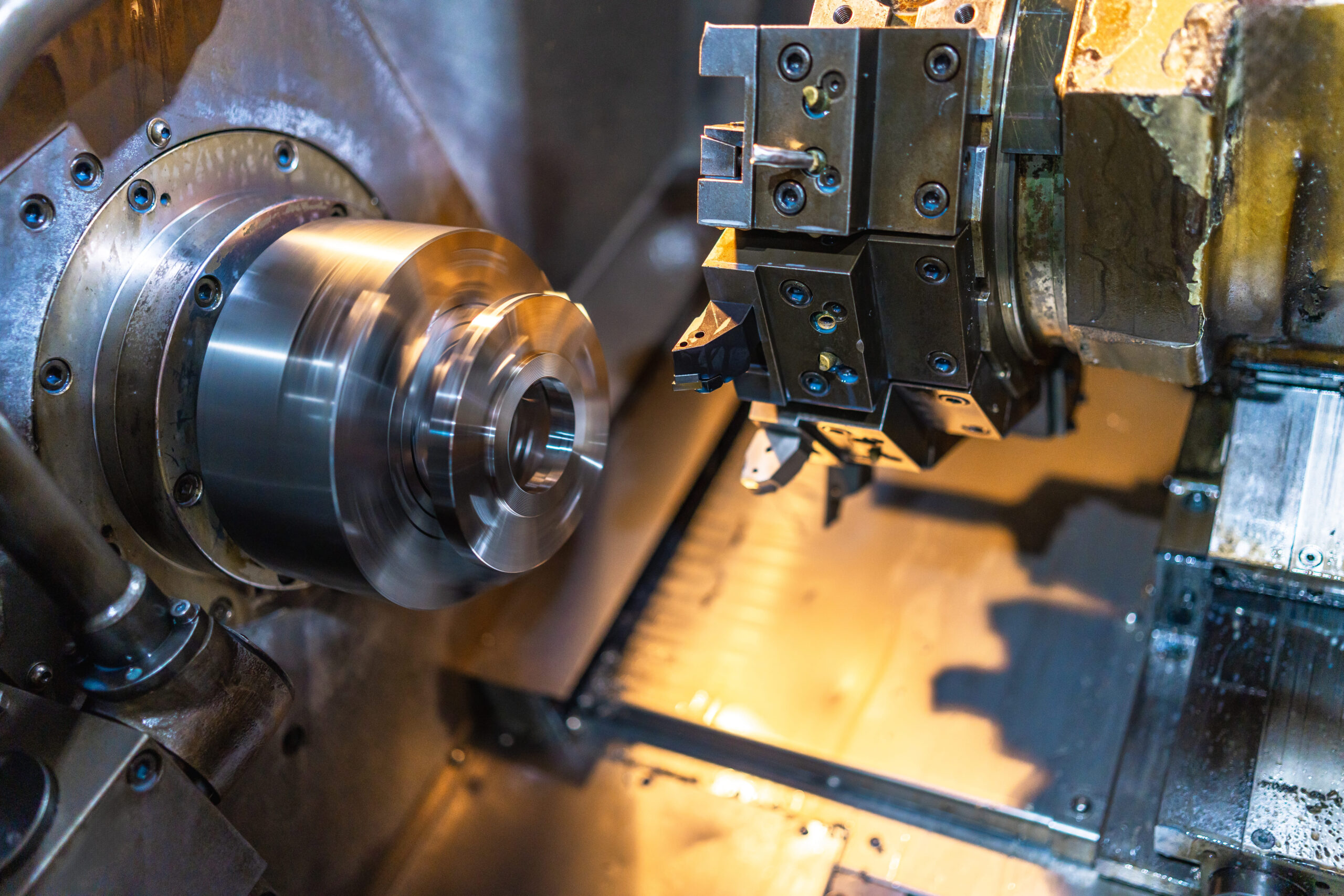
CNC turning is a subtractive manufacturing process in which the workpiece rotates while computer-controlled cutting tools remove material. It is commonly used to produce cylindrical and rotationally symmetrical parts with external diameters, internal bores, grooves, shoulders, tapers, and threads.
Live-tool turn-mill equipment can also produce flats, slots, cross-holes, keyways, and other milled features without transferring the part to a separate milling machine.
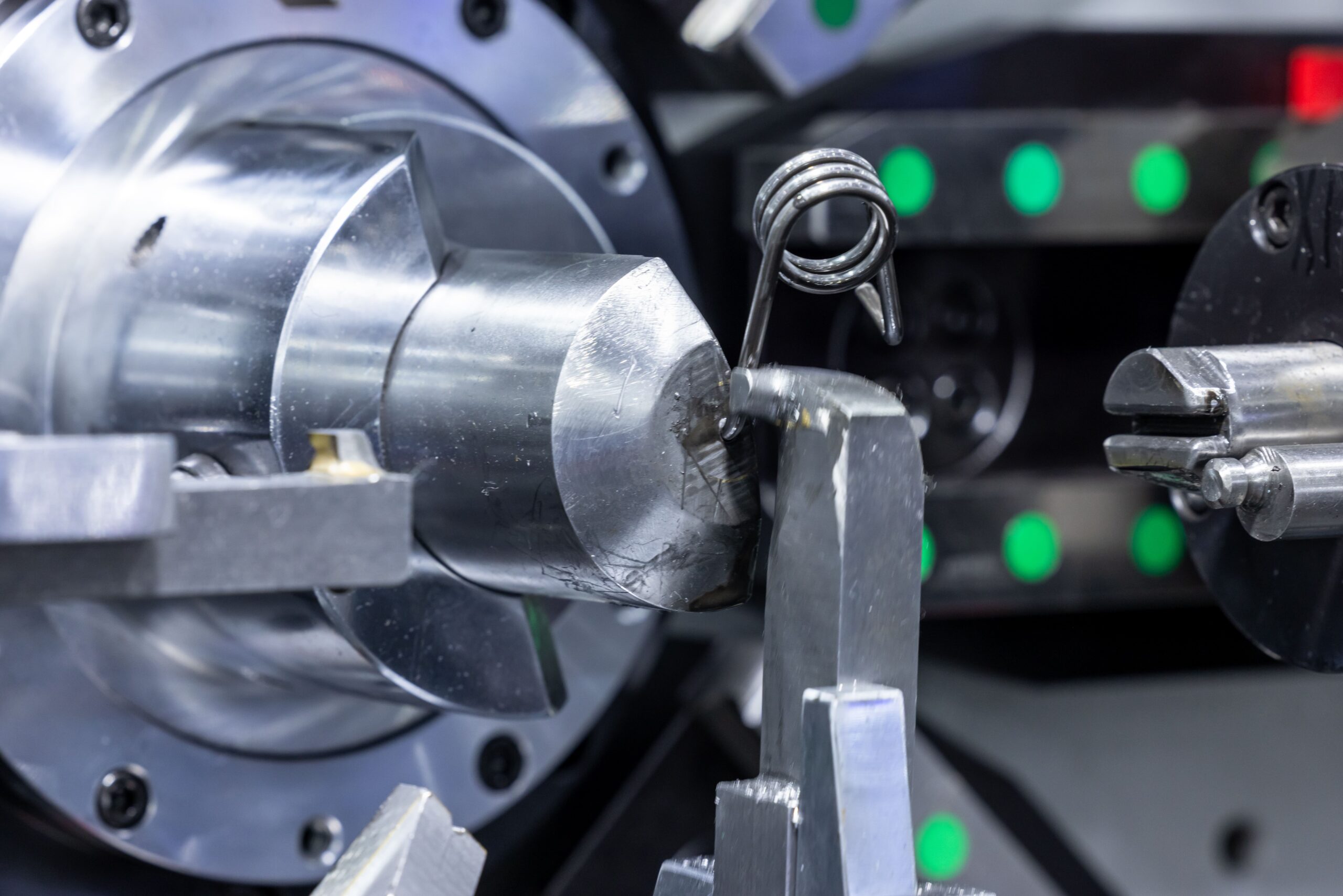
CNC turning costs are mainly influenced by the material, stock diameter, part geometry, machining time, quantity, number of setups, tolerances, surface finish, and inspection requirements.
Costs can often be reduced by:
Our engineers can review your drawings and recommend practical ways to improve manufacturability and control production costs.
Common turning risks include tool deflection, vibration, taper, deformation from chucking pressure, dimensional variation, and inconsistent surface finish. We manage these risks through engineering review, material verification, suitable workholding, controlled machining processes, in-process checks, and final inspection.
Inspection may include calipers, micrometers, bore gauges, height gauges, thread gauges, optical measuring systems, runout checks, and CMM inspection, depending on the drawing requirements. Material certificates and inspection reports can be provided when requested and agreed upon before production.
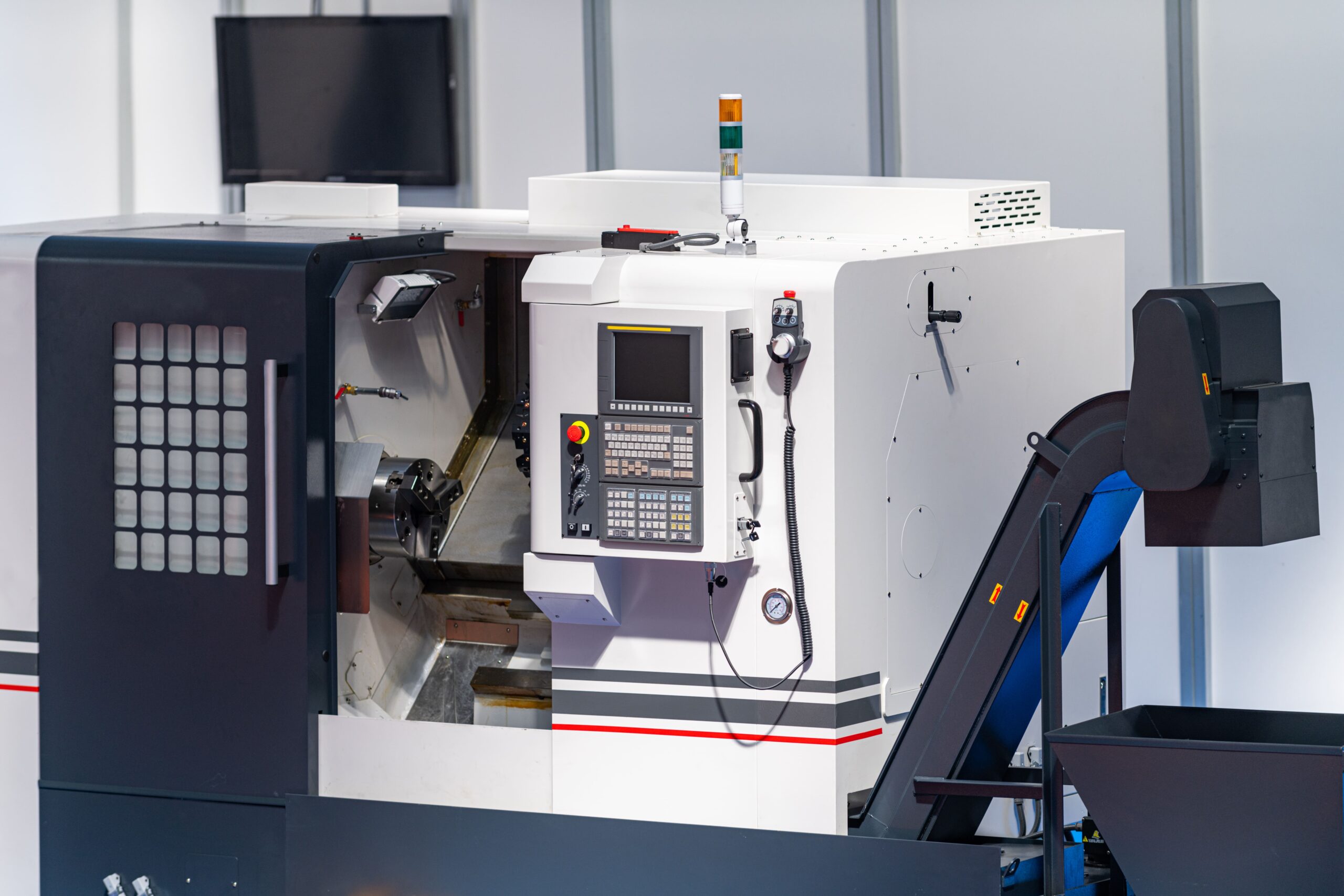
With 50+ CNC machines and capabilities in CNC turning, live-tool machining, milling, EDM, drilling, and precision grinding, TENGHUI supports prototypes, low-volume runs, and repeat production of custom metal and plastic parts.
Our standard machining tolerance is typically ±0.05 mm, with tolerances down to ±0.01 mm available for selected critical features after engineering review. We also provide DFM support and coordinate secondary processing through one supplier, helping simplify project communication and production management.
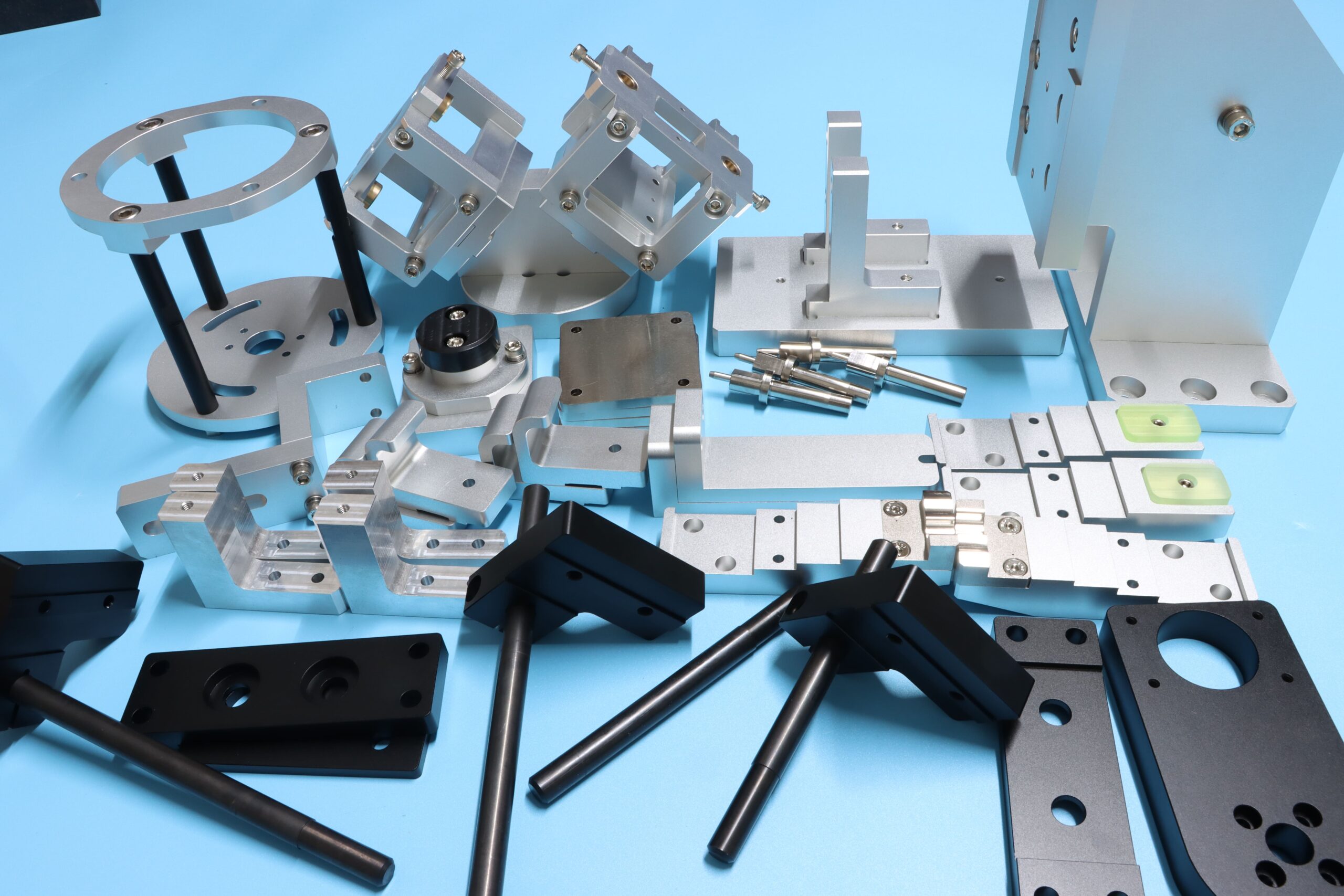
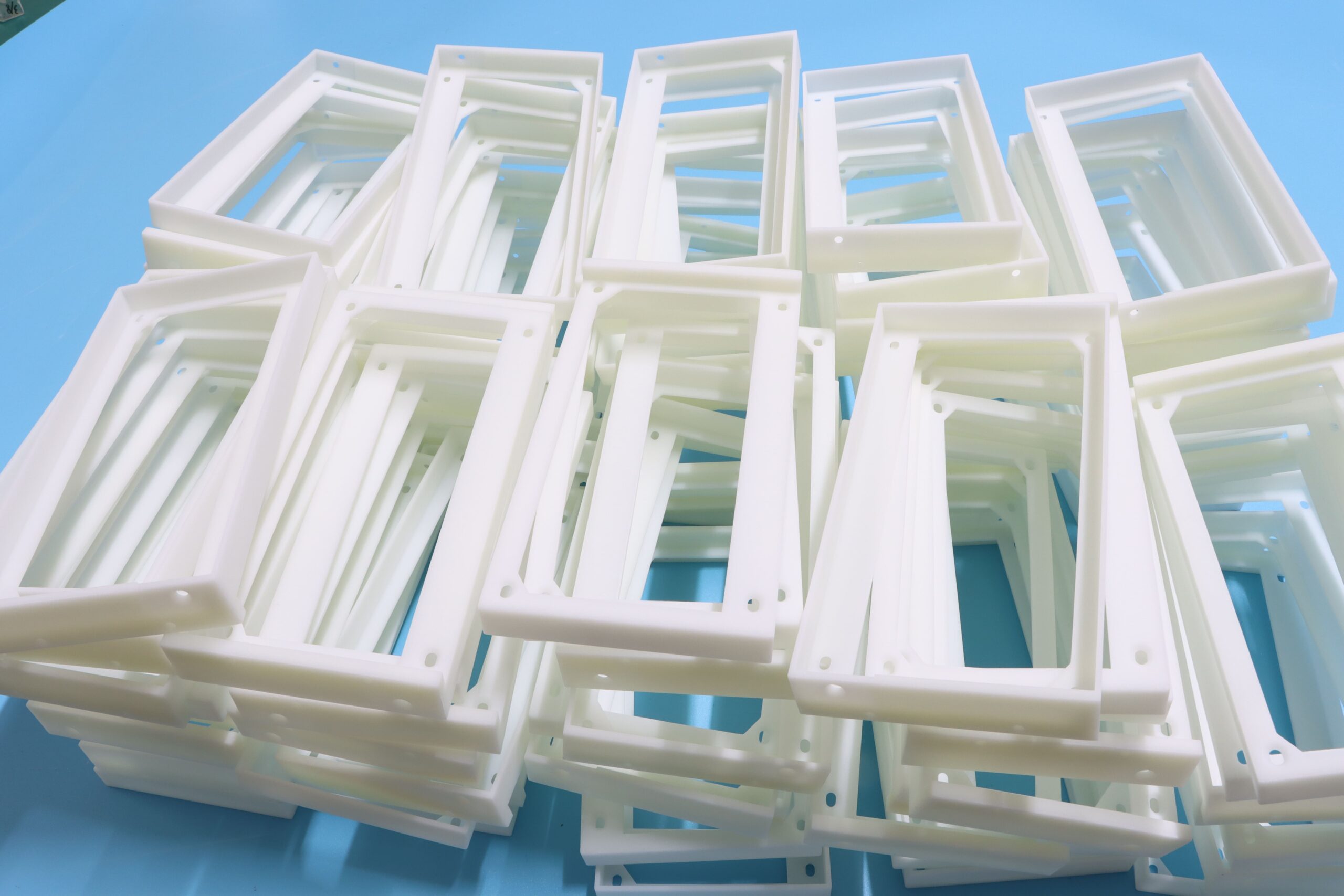
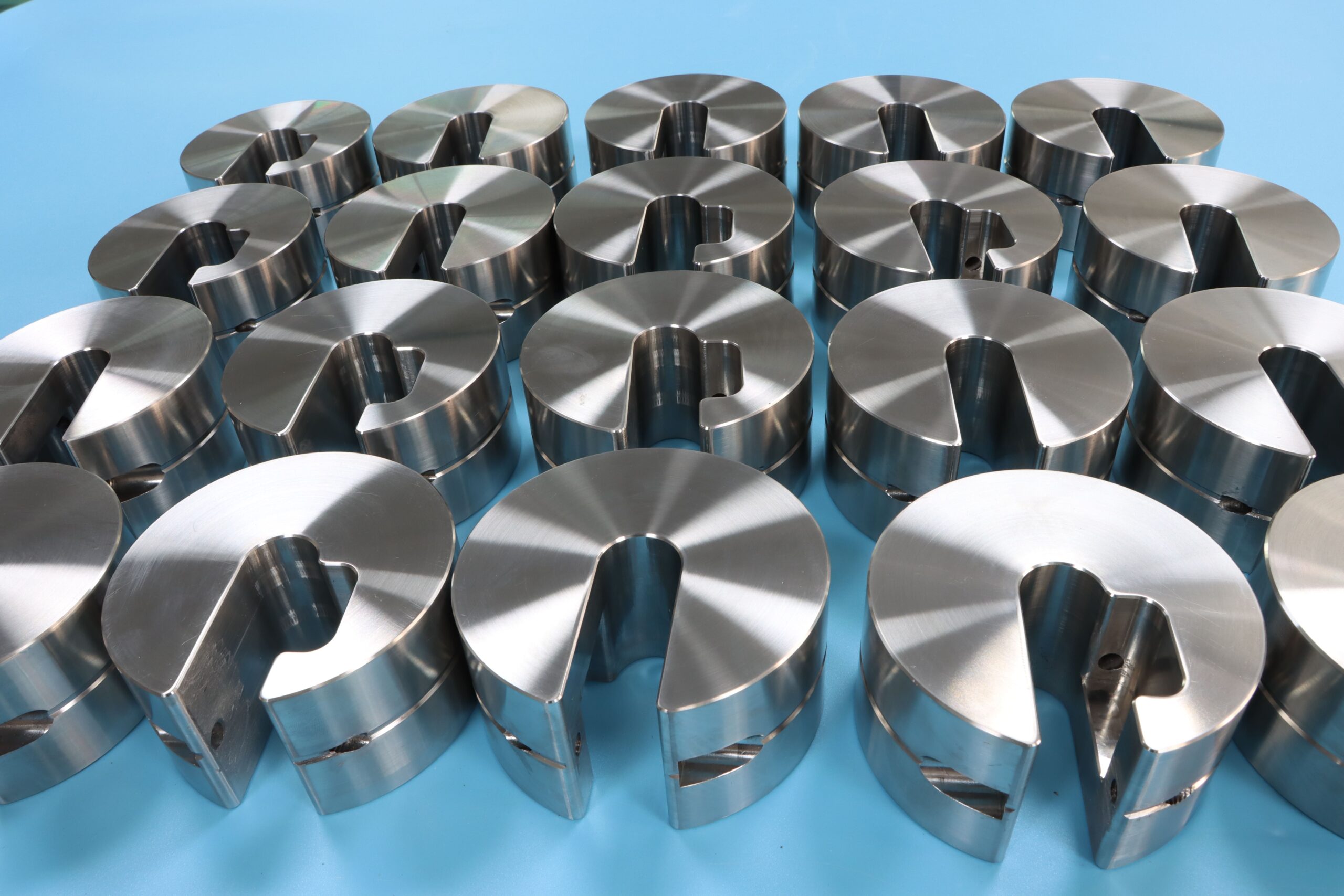
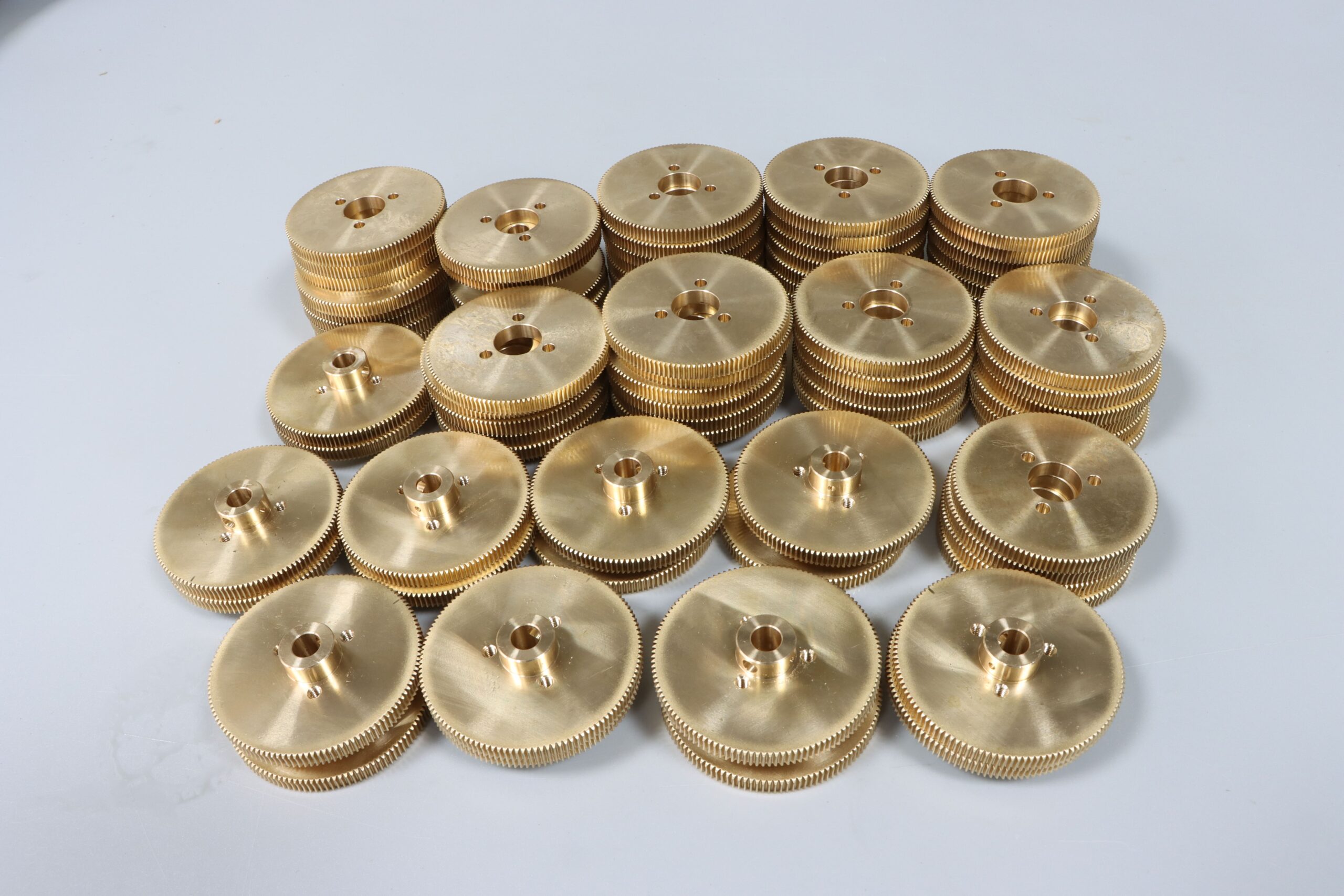
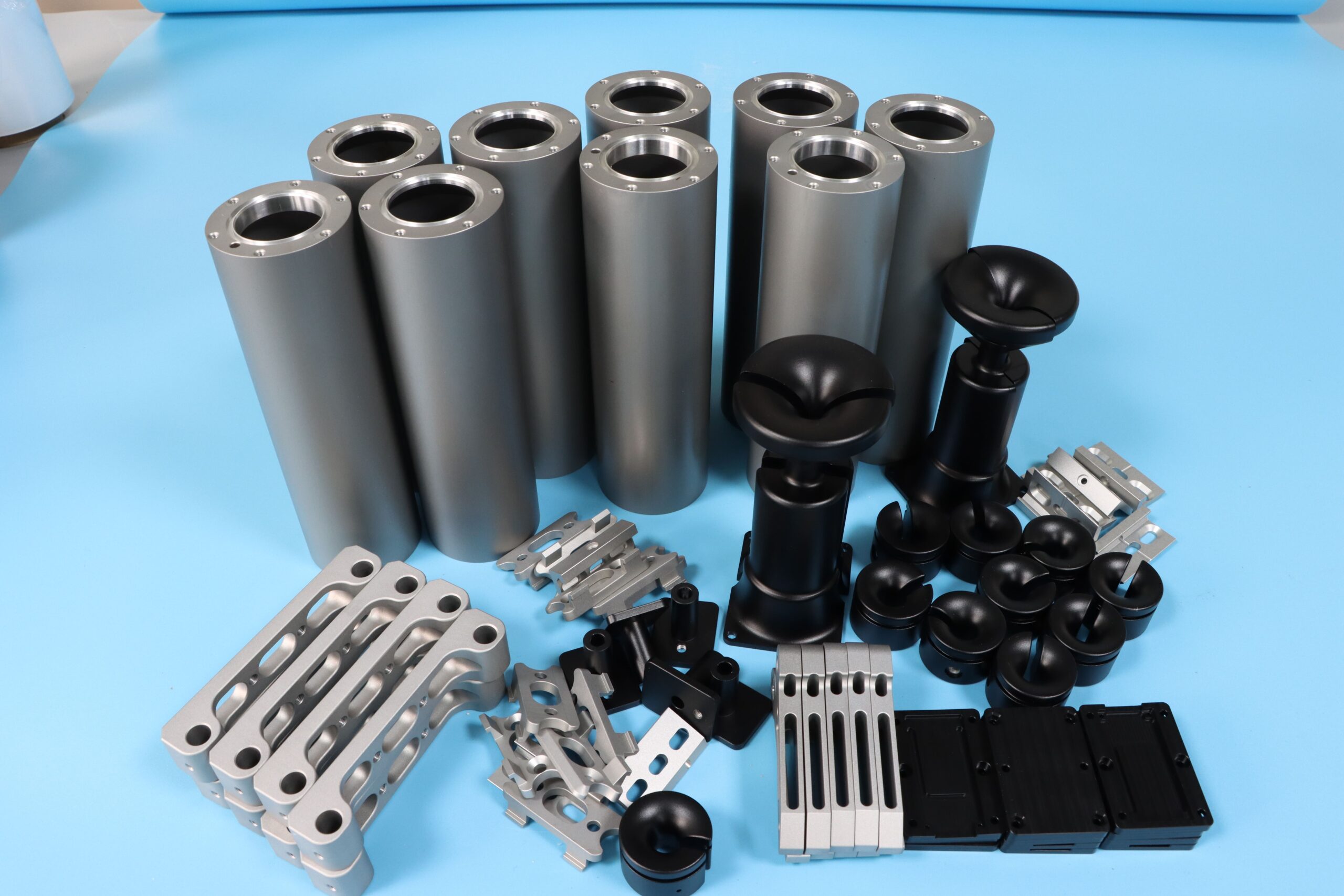
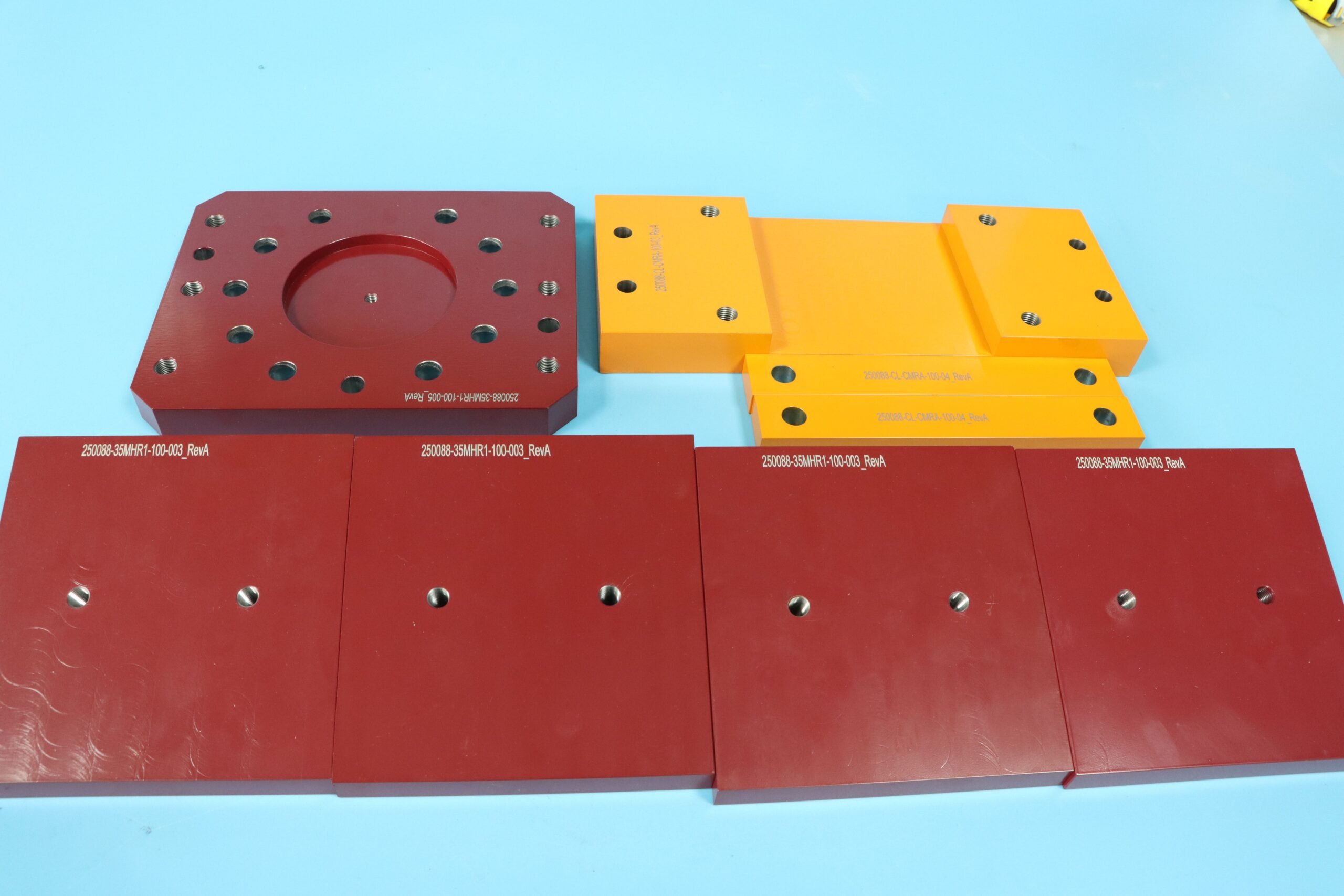
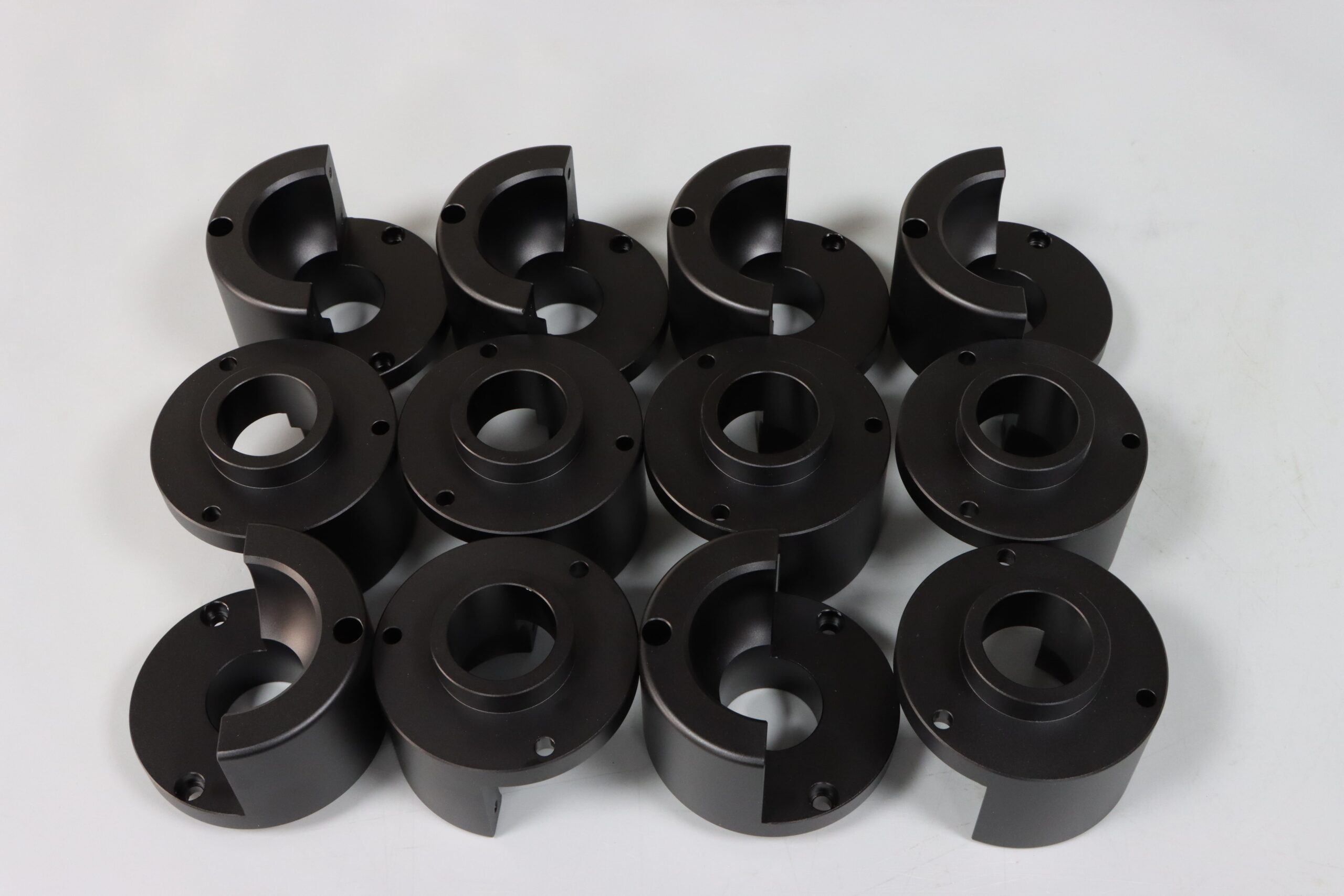
Explore a selection of custom shafts, pins, bushings, sleeves, fittings, connectors, rollers, threaded components, and turn-mill parts manufactured in a wide range of metals and engineering plastics.
Each project is produced according to the customer’s drawings, material specifications, tolerances, surface finishes, and inspection requirements.
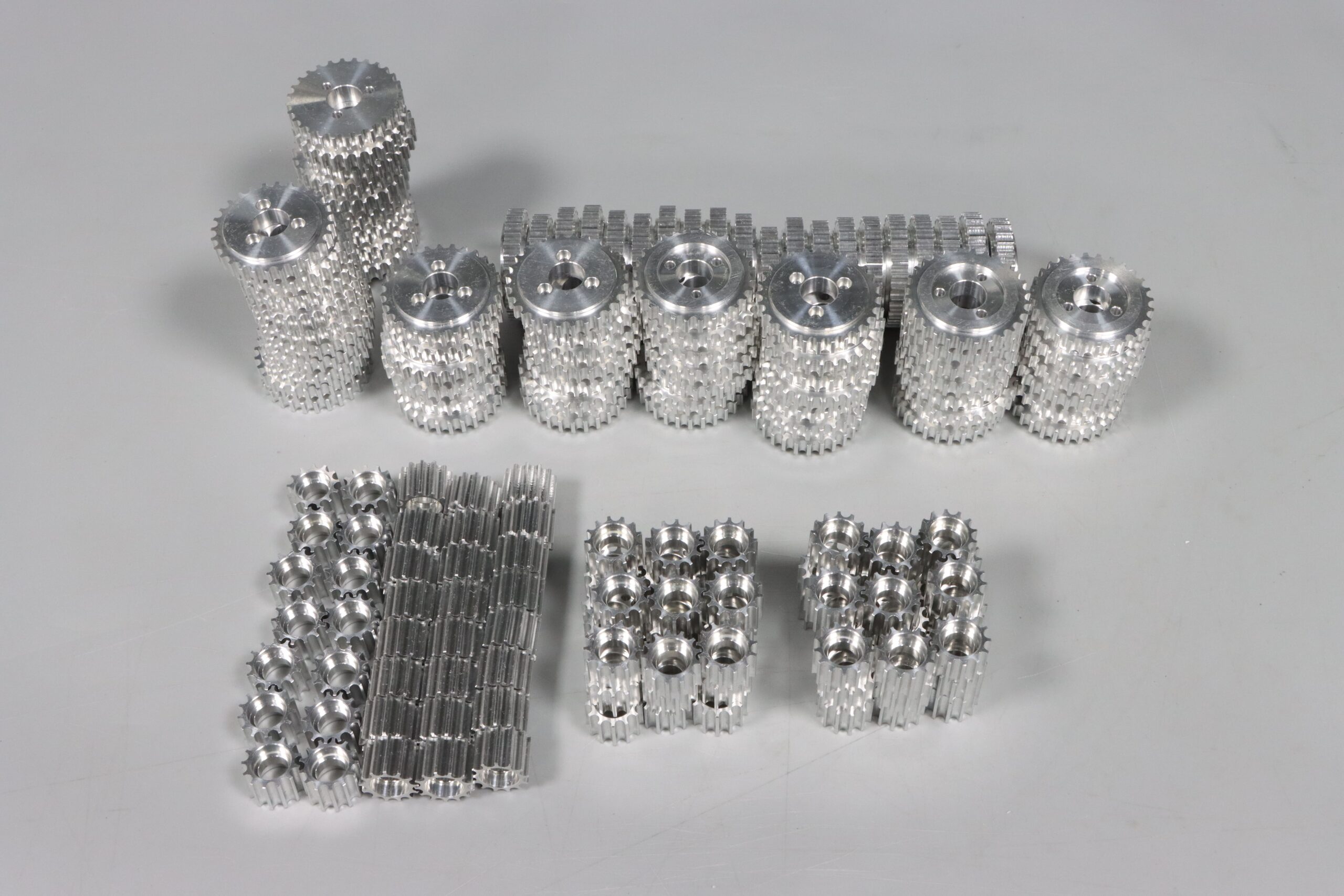
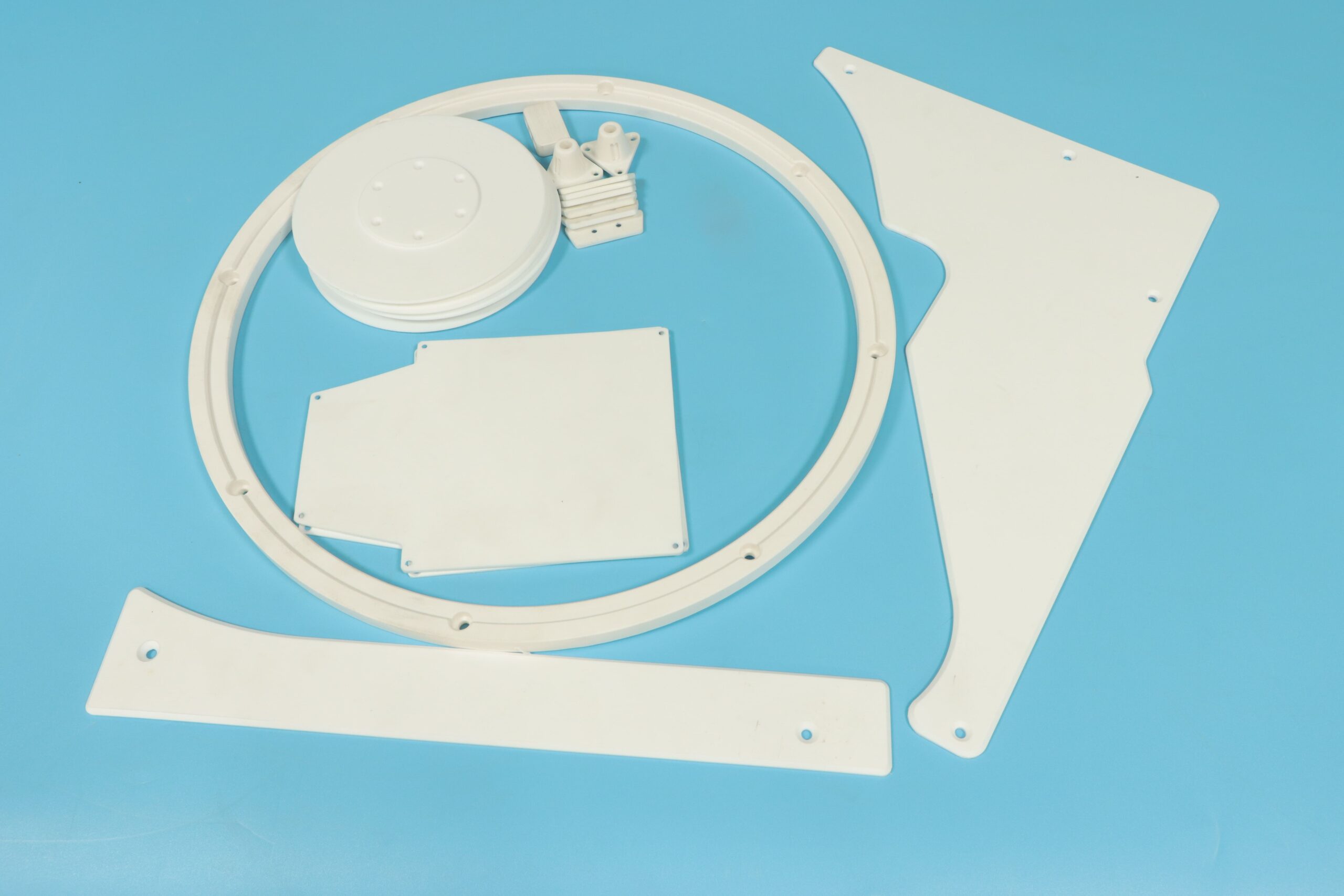
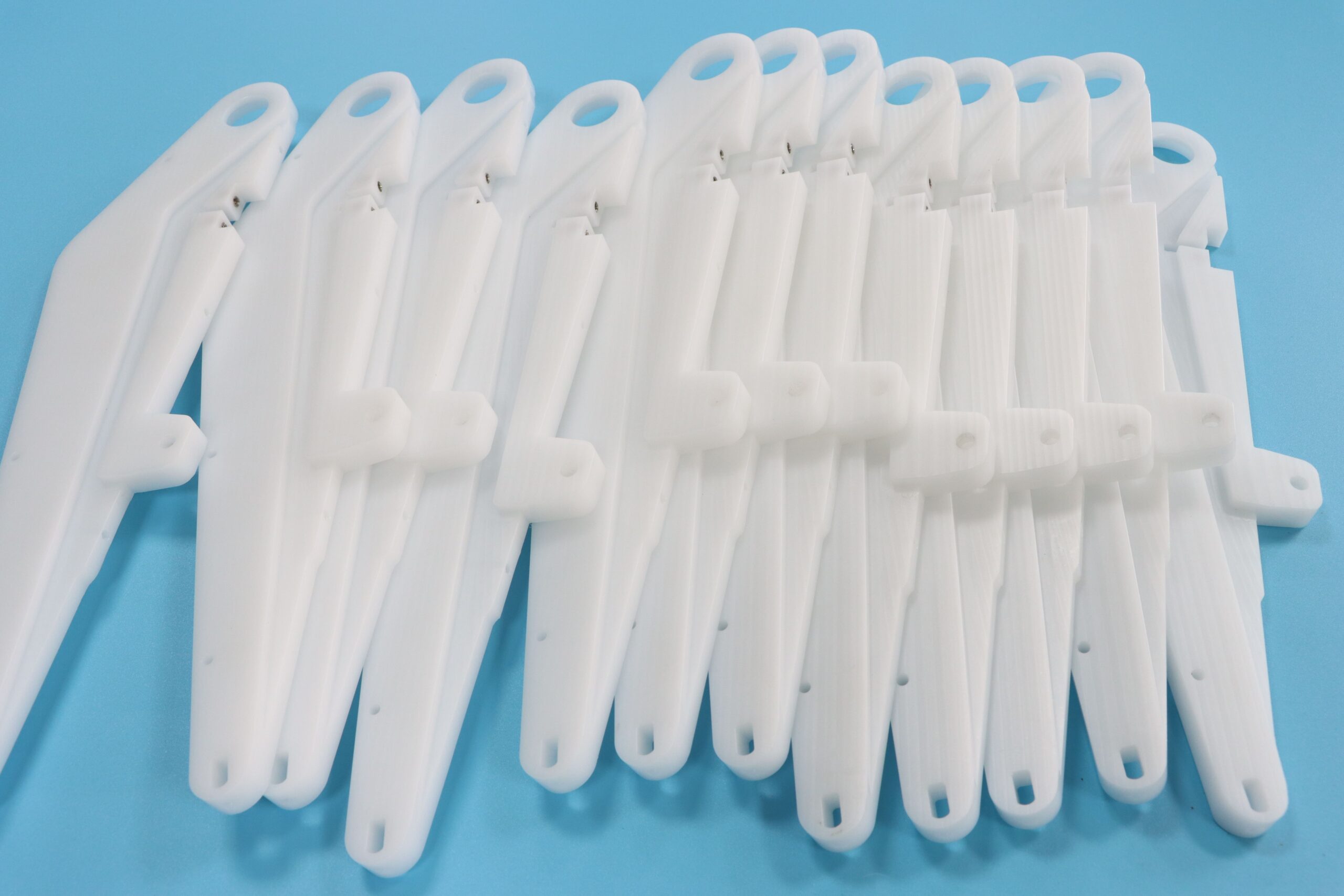
Our CNC turning capacity includes parts up to Ø800 mm in diameter and components up to 1500 mm in length. These maximum dimensions may not be achievable simultaneously. Actual capacity depends on the part geometry, material, weight, tooling clearance, and workholding requirements.
Our standard CNC turning tolerance is typically ±0.05 mm. Tolerances down to ±0.01 mm can be achieved for selected critical diameters and features after engineering review.
Long, slender parts may require tailstock support, a steady rest, staged machining, or adjusted cutting parameters to control vibration and deflection. We review the length-to-diameter ratio, material, geometry, and tolerance requirements before selecting the machining method.
Yes. Live-tool turn-mill equipment can produce turned diameters together with flats, slots, cross-holes, keyways, and other milled features in fewer setups. Feasibility depends on the geometry, feature locations, tooling access, and tolerance requirements.
Yes. As a general design guideline, we recommend minimum wall thicknesses of 0.8 mm for metals and 1.5 mm for engineering plastics. Thinner walls may be possible, but they require engineering review because chuck pressure and cutting forces may cause deformation.
We support common metric and imperial threads, internal and external grooves, thread-relief features, and standard straight or diamond knurling patterns. Please specify the applicable standard, tolerance class, groove dimensions, and knurling requirements on your 2D drawing.
CNC turning rotates the workpiece and is generally best suited to cylindrical parts such as shafts, pins, bushings, and sleeves. CNC milling uses rotating cutting tools on a stationary workpiece and is better suited to plates, brackets, housings, pockets, and parts with multiple flat or contoured features.
Parts containing both turned and milled features may be produced using live-tool turn-mill machining or a combination of both processes.
Please provide a 3D CAD model, a fully dimensioned 2D drawing, material grade, quantity, tolerances, surface finish, inspection requirements, and target delivery date. STEP or STP files and PDF drawings are preferred.
Yes. Material certificates, dimensional inspection reports, CMM reports, and surface-treatment certificates can be provided upon request. Please specify documentation requirements before ordering so they can be included in the quotation and production plan.
Lead time depends on the material, part complexity, quantity, tolerances, secondary processes, and inspection requirements. A project-specific production schedule will be provided after our engineering team reviews your drawings.
Once we receive your design files, our senior manufacturing engineers will manually perform a comprehensive DFM review and deliver an accurate, optimized quote within 24 hours.