High-precision additive manufacturing for technical ceramics. Produce complex, heat-resistant, and chemically inert ceramic components with intricate internal geometries for aerospace, semiconductor, and medical applications.
✅ All Design Uploads Are Secure & Confidential
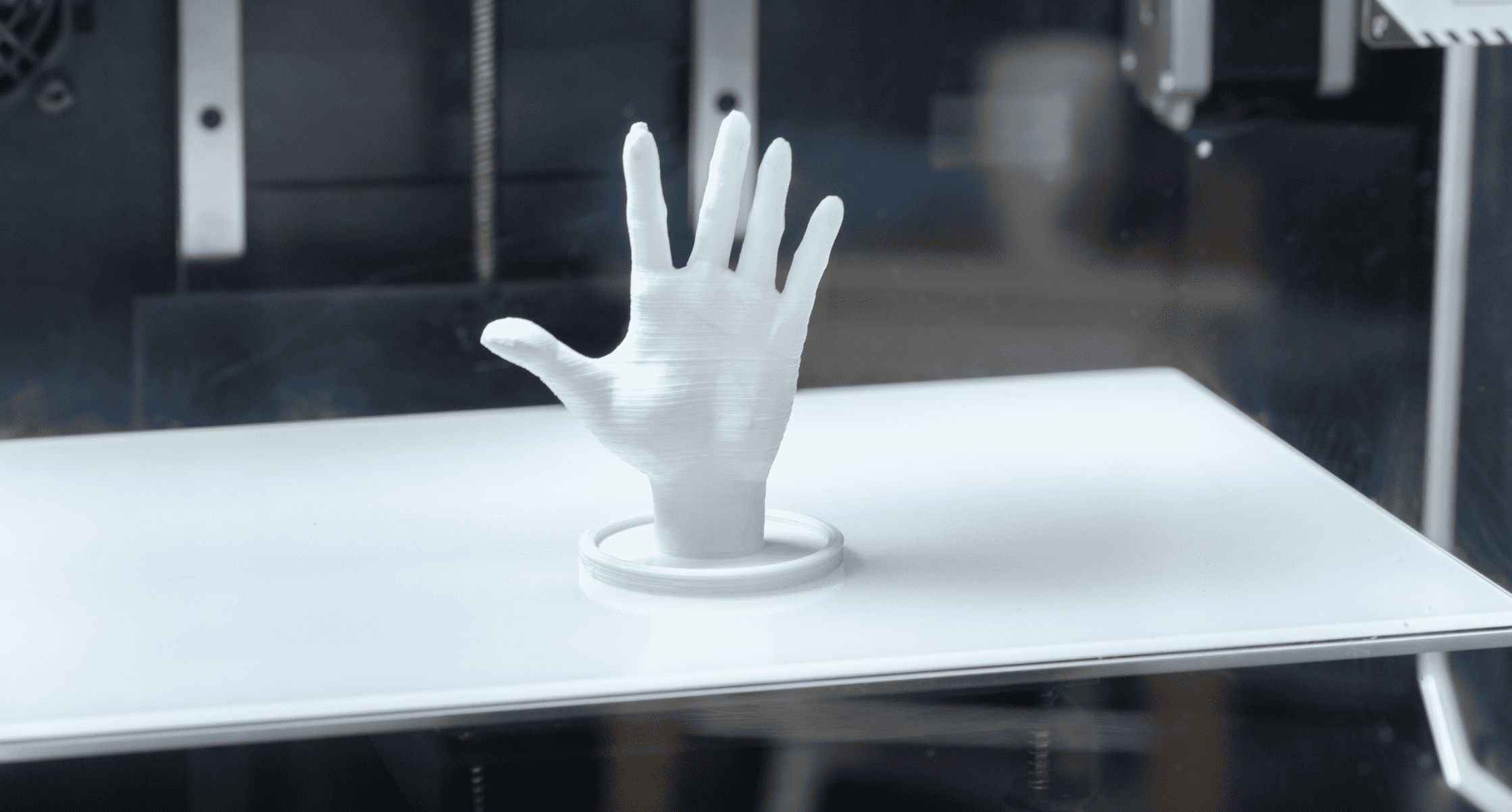
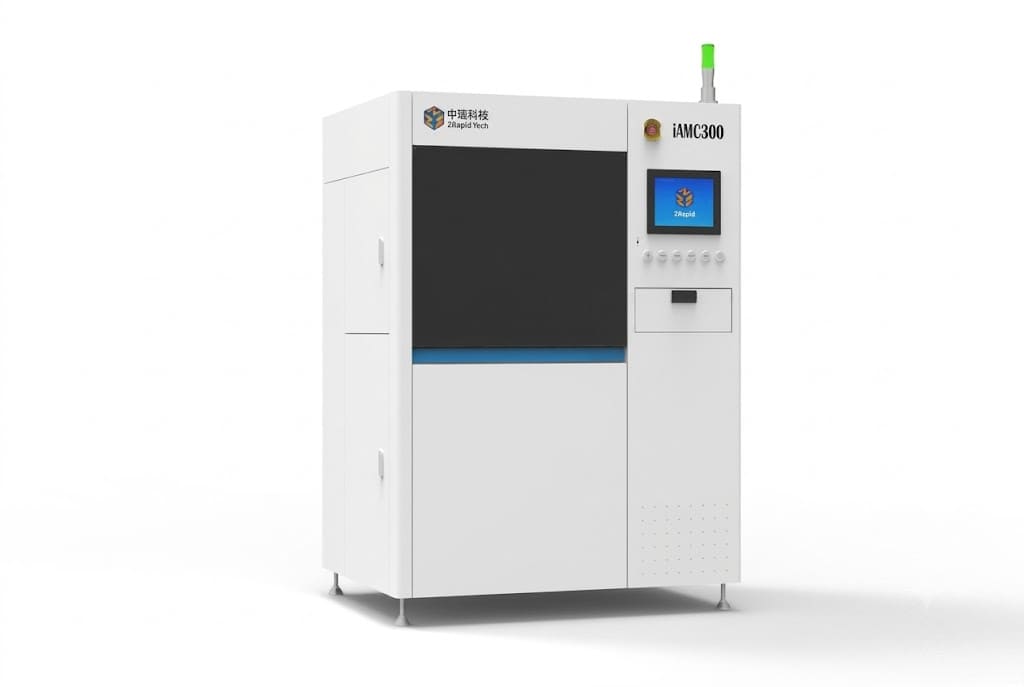
Industrial ceramic 3D printing utilizes light-based vat photopolymerization (Stereolithography/DLP) or binder jetting technologies to cure photopolymer resins mixed with high-purity ceramic powders.
The printed “green part” undergoes a thermal debinding and high-temperature sintering process (up to 1700°C), resulting in a 100% dense, pure ceramic component. This enables engineers to produce complex internal fluid channels, lattice structures, and heat-resistant components without expensive diamond tooling or CNC machining.
Select from our high-purity technical ceramics engineered for extreme thermal, electrical, and chemical environments.
The industry standard for high electrical insulation, exceptional mechanical hardness, and severe wear resistance up to 1600°C operating environments.
Offers outstanding fracture toughness, high bending strength, and thermal insulation, making it ideal for medical implants and cutting tools.
Extremely high hardness and high thermal conductivity paired with low thermal expansion, widely used in semiconductor seal rings and heat exchangers.
Superior thermal shock resistance and elevated mechanical strength under extreme temperatures, ideal for molten metal handling and turbine parts.
Low thermal conductivity combined with excellent thermal shock resistance, widely specified for foundry investment casting cores and shell molds.
Biocompatible and bioactive calcium phosphate ceramic engineered specifically for medical bone implants, tissue engineering, and custom scaffolds.
Endures extreme operating temperatures up to 1700°C while offering superior resistance to severe acids, alkalis, and aggressive corrosive environments.
Eliminates costly diamond tooling and fragile CNC grinding, enabling internal fluid channels, lattice cores, and sharp mechanical threads in dense ceramic.
Every CAD model undergoes comprehensive DFM review to accurately compensate for 15%–20% thermal sintering shrinkage and prevent debinding cracks.
We enforce strict quality control protocols across all thermal sintering stages, providing density testing verification, CMM reports, and material purity certificates.
Optimize raw ceramic parts with precision diamond polishing, glazing, or post-machining to achieve exact engineering specifications.
Delivers a clean, matte ceramic surface directly out of high-temperature sintering furnaces, ideal for structural thermal insulators.
Utilizes multi-stage diamond compound polishing pastes to reduce surface roughness down to Ra 0.1 μm for high-precision sealing faces.
Applies a smooth, non-porous glass-like ceramic glaze to produce an easy-to-clean, fully liquid- and gas-impermeable outer barrier.
Employs specialized diamond-tool CNC grinding to post-machine tight tolerance mating features and bearing seats down to ±0.01mm.
Uses fine ceramic media blasting to clean surface residues and produce a smooth, satin, non-reflective matte aesthetic across complex faces.
Combines high-frequency ultrasonic vibration with diamond tools to machine intricate micro-holes and internal threads without micro-cracking.
Ceramic 3D printing shapes a green part containing ceramic powder and photopolymer binder. The part then undergoes thermal debinding (to burn off organic binders) and high-temperature sintering (up to 1700°C) to achieve a fully dense ceramic structure.
Our light-based ceramic 3D printing technology achieves part densities exceeding 99% of theoretical density, delivering mechanical, thermal, and electrical performance equivalent to traditionally molded or pressed technical ceramics.
Technical ceramics shrink by approximately 15% to 20% during high-temperature sintering. Our CAD/CAM engineering software automatically calculates anisotropic thermal shrinkage factors to ensure final parts meet specified tolerances.
Most technical ceramics like Alumina (Al2O3) and Zirconia (ZrO2) are exceptional electrical insulators with high dielectric strength, making them ideal for high-voltage insulation and semiconductor processing.
Because fully sintered technical ceramics are extremely hard (harder than steel), post-sintering machining is limited to specialized precision diamond grinding, ultrasonic machining, or diamond polishing.
Once we receive your design files, our senior manufacturing engineers will manually perform a comprehensive DFM review and deliver an accurate, optimized quote within 24 hours.