Custom aluminum components via CNC Machining, Sheet Metal Fabrication, and 3D Printing (SLM/DMLS). Rapid prototyping to full production runs.
✅ All Design Uploads Are Secure & Confidential
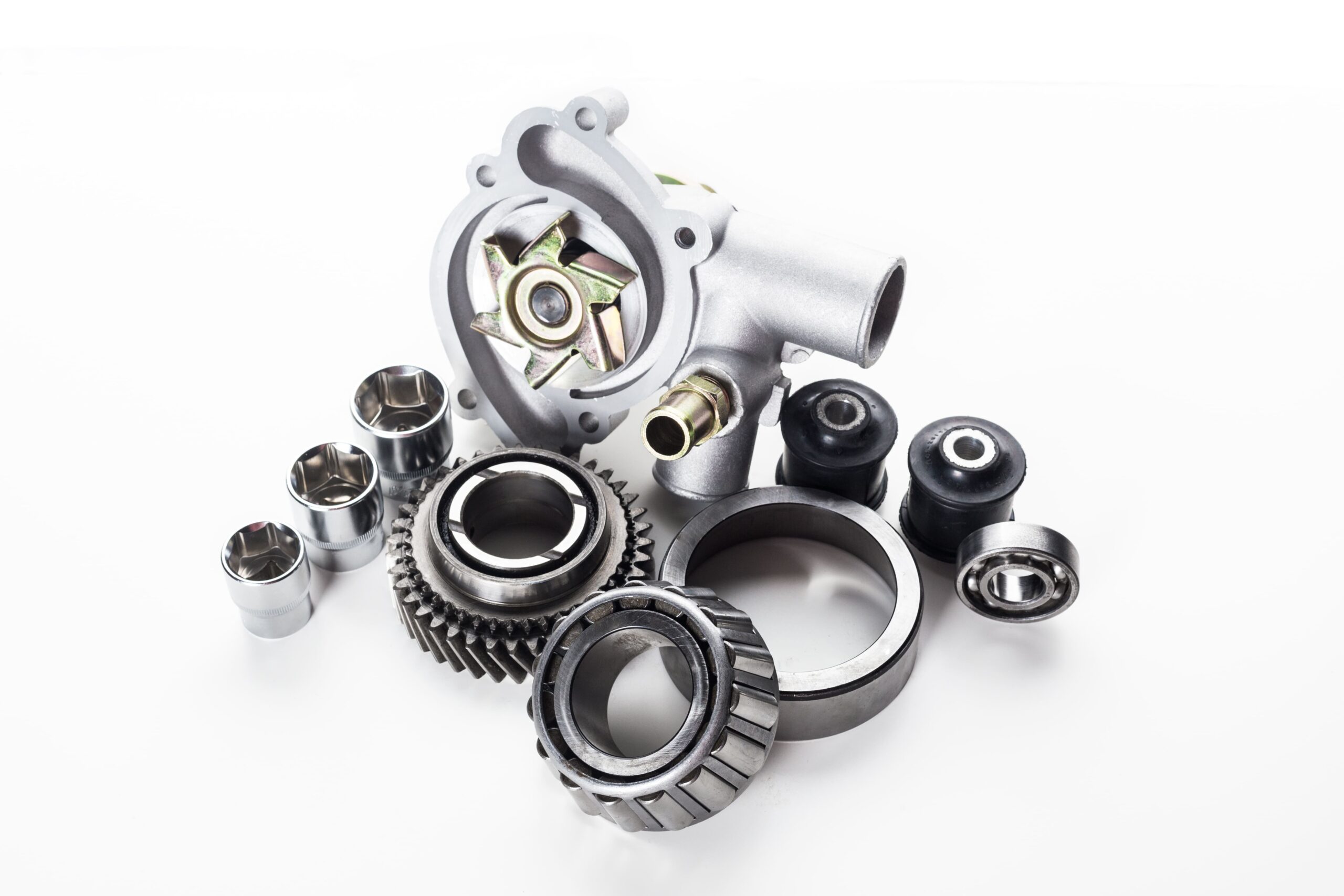
Select the ideal aluminum grade tailored to your manufacturing process, strength requirements, and surface finishing needs.
| Alloy Grade | Primary Process | Key Characteristics & Advantages | Typical Applications |
|---|---|---|---|
|
Aluminum 6061-T6
All-Purpose Alloy
|
CNC Machining Sheet Metal | Most versatile aluminum alloy. Offers exceptional strength-to-weight ratio, excellent weldability, good natural corrosion resistance, and superior anodizing quality. | Structural frames, electronic housings, automotive brackets, heat sinks. |
|
Aluminum 7075-T6
Aerospace High-Strength
|
CNC Machining | Aerospace-grade zinc-alloy with tensile strength comparable to many steels. Excellent fatigue endurance and high hardness, though less weldable. | Aerospace structures, high-stress motorsport parts, defense gear, precision tooling. |
|
Aluminum 5052-H32
Marine & Sheet Metal
|
Sheet Metal | Non-heat treatable alloy with superior marine and atmospheric corrosion resistance. Exceptional ductility and workability for complex bending and stamping. | Sheet metal enclosures, chassis, marine hardware, fuel tanks, outdoor cabinets. |
|
AlSi10Mg
Additive Manufacturing
|
3D Printing (SLM/DMLS) | Aluminum-silicon-magnesium powder delivering dynamic strength, high thermal performance, and lightweight properties for complex organic or hollow structures. | Heat exchangers, organic drone arms, conformal cooling dies, weight-reduced brackets. |
|
Aluminum 2024-T3
High Fatigue Resistance
|
CNC Machining | Copper-alloy aluminum known for outstanding fracture toughness and high fatigue resistance under cyclic loads. Ideal for heavy structural tension applications. | Aircraft wing & fuselage structures, tension members, military hardware. |
|
Aluminum 6082-T6
European Structural Standard
|
CNC Machining Sheet Metal | High-strength structural alloy widely preferred in European engineering. Superior machinability and high resistance to environmental corrosion. | Bridges, cranes, transport equipment, heavy-duty structural components. |
| Mechanical Property | 6061-T6 | 7075-T6 | 5052-H32 | AlSi10Mg (3D Print) |
|---|---|---|---|---|
| Tensile Strength (Ultimate) | 310 MPa | 570 MPa | 230 MPa | 350–460 MPa |
| Yield Strength | 276 MPa | 503 MPa | 193 MPa | 220–260 MPa |
| Hardness (Brinell) | 95 HB | 150 HB | 60 HB | 110–130 HB |
| Elongation at Break | 12% | 11% | 12% | 6–10% |
| Density | 2.70 g/cm³ | 2.81 g/cm³ | 2.68 g/cm³ | 2.67 g/cm³ |
| Machinability Rating | Excellent (80%) | Good (70%) | Fair (50%) | Good (Post-Machined) |
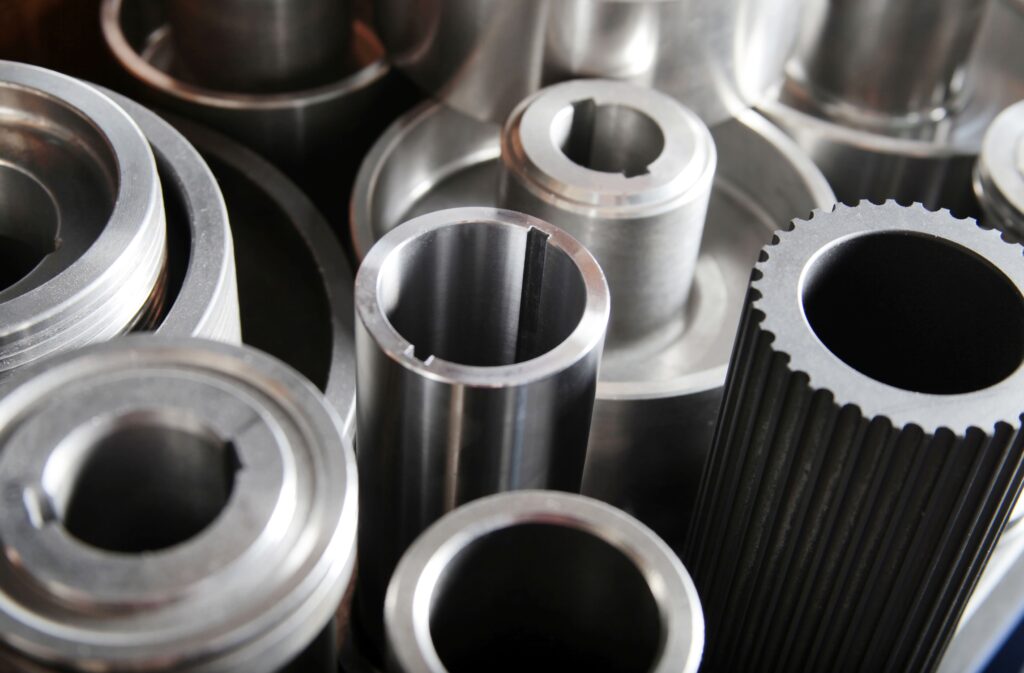
We offer a wide range of custom surface finishing options for aluminum parts as part of our manufacturing services. Each finishing process is precisely executed to enhance corrosion resistance, mechanical durability, electrical conductivity, and aesthetic appearance.
Aluminum is widely preferred for precision manufacturing due to its versatile physical properties. Understanding both its key benefits and material limitations helps in selecting the right grade and processing method for your engineering projects.
Aluminum 6061-T6: Most popular all-around alloy, excellent machinability, weldability, and value for general structural parts.
Aluminum 7075-T6: High-strength (aerospace grade), ideal for high-stress components requiring high fatigue resistance.
Aluminum 5052-H32: Best choice for sheet metal bending, enclosures, and marine corrosion resistance.
AlSi10Mg: Optimized for complex 3D printed lightweight geometries.
Our standard machining tolerance for custom aluminum parts is ±0.05 mm (±0.002") in accordance with ISO 2768-m. For precision critical features, we can achieve tight tolerances down to ±0.01 mm (±0.0004") upon request, verified with CMM inspection.
Type II Anodizing: Offers great corrosion protection and colorful cosmetic finishes.
Type III Hardcoat Anodizing: Provides extreme wear resistance and surface hardness for demanding industrial/military applications.
Bead Blasting + Anodizing: The most popular combination for a premium, non-reflective matte satin texture that hides machining tool marks.
Rapid Prototypes: 3 to 5 business days for standard CNC machining or 3D printing.
Low-to-Medium Volume: 7 to 14 business days depending on surface finishing requirements (e.g., anodizing adds 2-3 days).
Expedited fast-track manufacturing options are available for urgent time-to-market projects.
We accept STEP (.stp / .step), IGES (.igs), X_T (ParaSolid), and SolidWorks (.sldprt) files for 3D automated pricing and DFM (Design for Manufacturability) analysis. For custom threads and critical tolerances, please also attach 2D drawings in PDF or DWG format.
Once we receive your design files, our senior manufacturing engineers will manually perform a comprehensive DFM review and deliver an accurate, optimized quote within 24 hours.