Custom Sheet Metal Fabrication Services

TENGHUI provides fast custom sheet metal fabrication services for rapid prototyping and high-volume production. We manufacture precision sheet metal parts to tight tolerances under an ISO 9001-certified quality management system and deliver them quickly worldwide.

✅ All Design Uploads Are Secure & Confidential 

  1. Home
  2. »
  3. Sheet Metal Fabrication Services

Precision Sheet Metal Fabrication Capabilities

Upload your CAD files and drawings to get a fast quote for your custom sheet metal fabrication project. Our experienced engineers provide actionable Design for Manufacturability (DFM) feedback to improve manufacturability, manage costs, and shorten lead times. Supported by comprehensive fabrication and finishing capabilities at our China-based facility, TENGHUI manufactures precision sheet metal parts with consistent quality—from a single prototype to high-volume production—with fast worldwide delivery.

Sheet Metal Laser Cutting

Laser Cutting

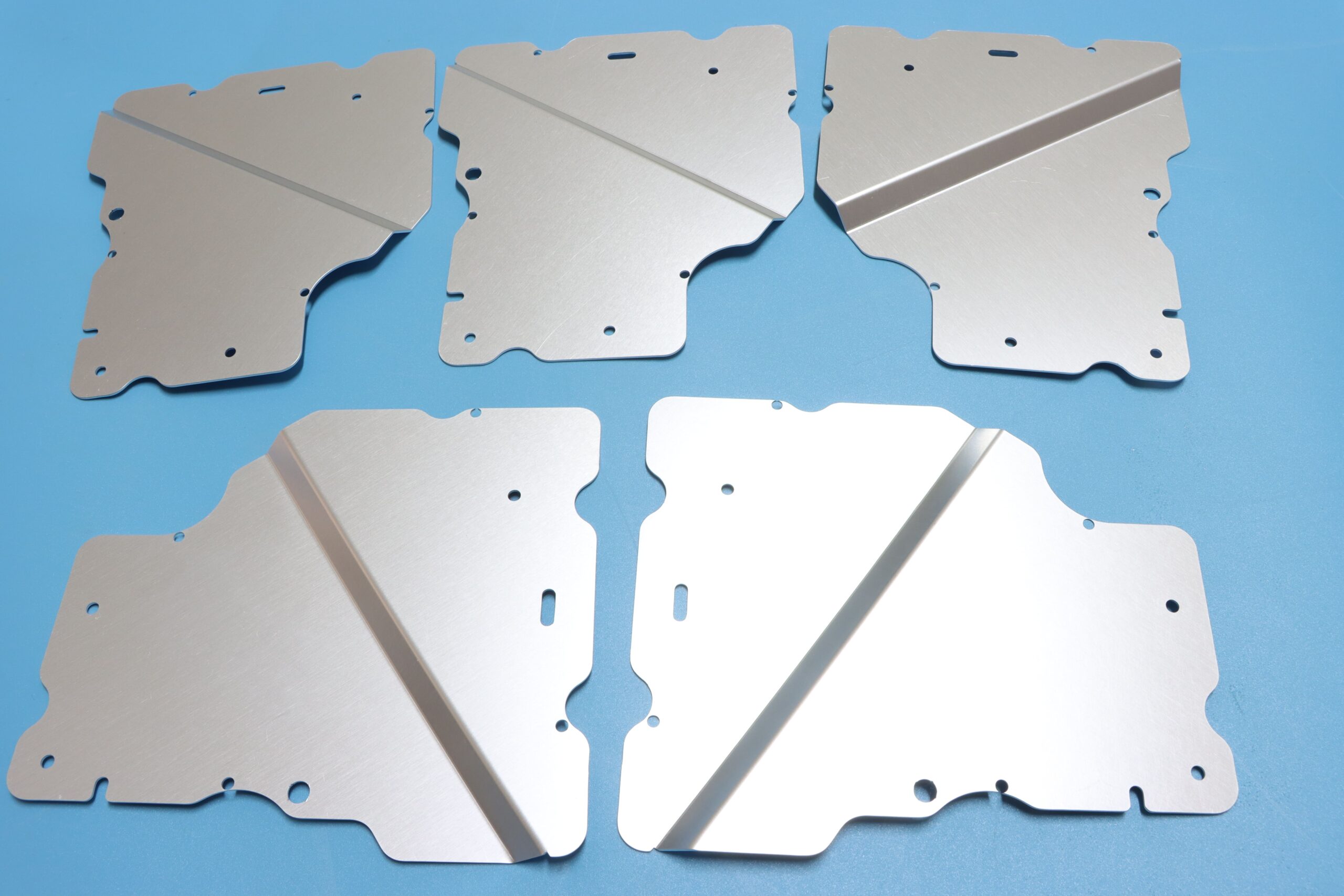
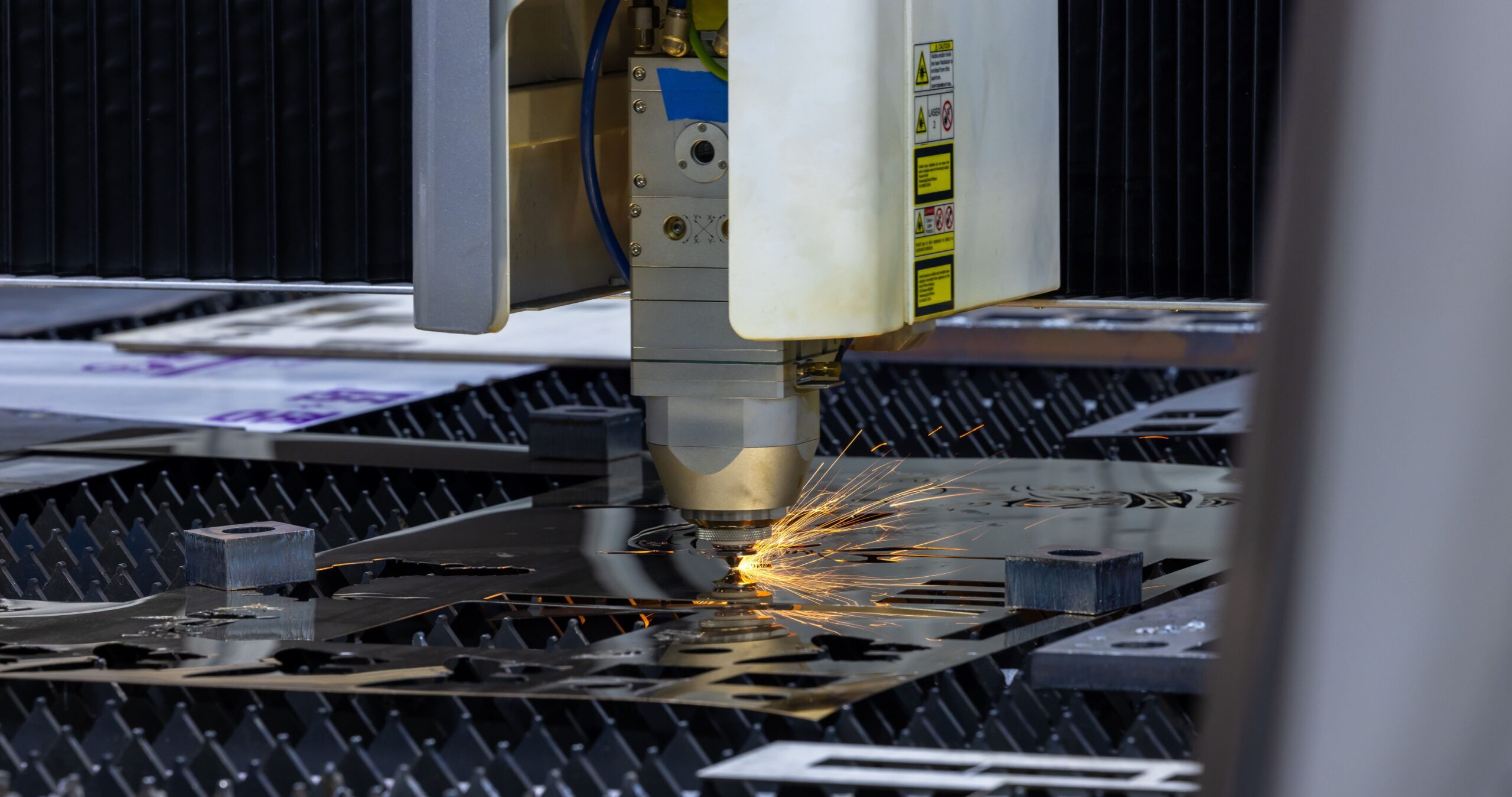
Our fiber laser cutting service delivers accurate profiles, intricate features, and clean, consistent edges across aluminum, stainless steel, carbon steel, brass, and other sheet metals.
Sheet Metal Laser Cutting

CNC Punching & Stamping

CNC punching provides flexible production of holes, slots, louvers, and knockouts, while custom stamping enables efficient, repeatable forming for medium- and high-volume parts.
Sheet Metal bending

Sheet Metal Bending

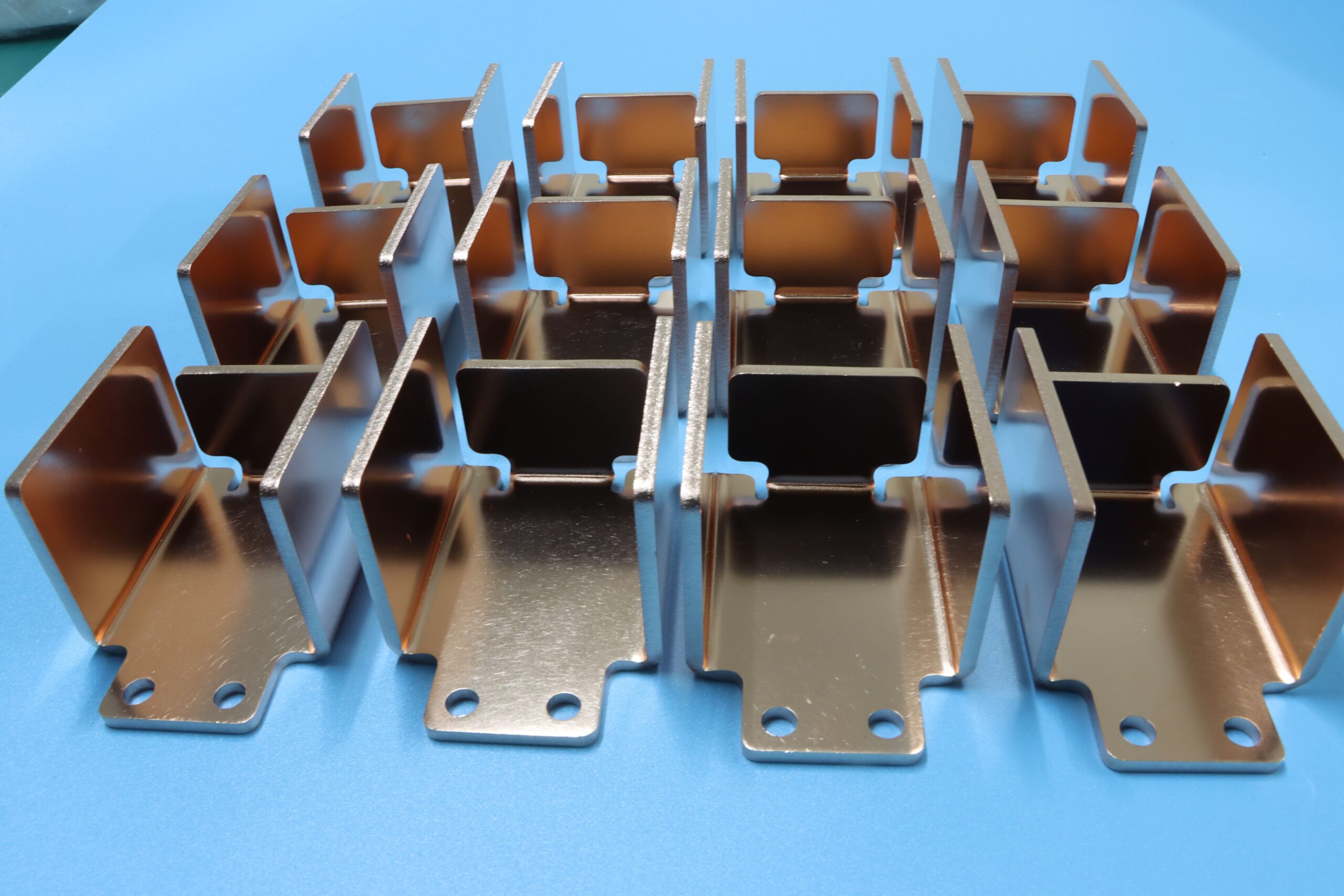
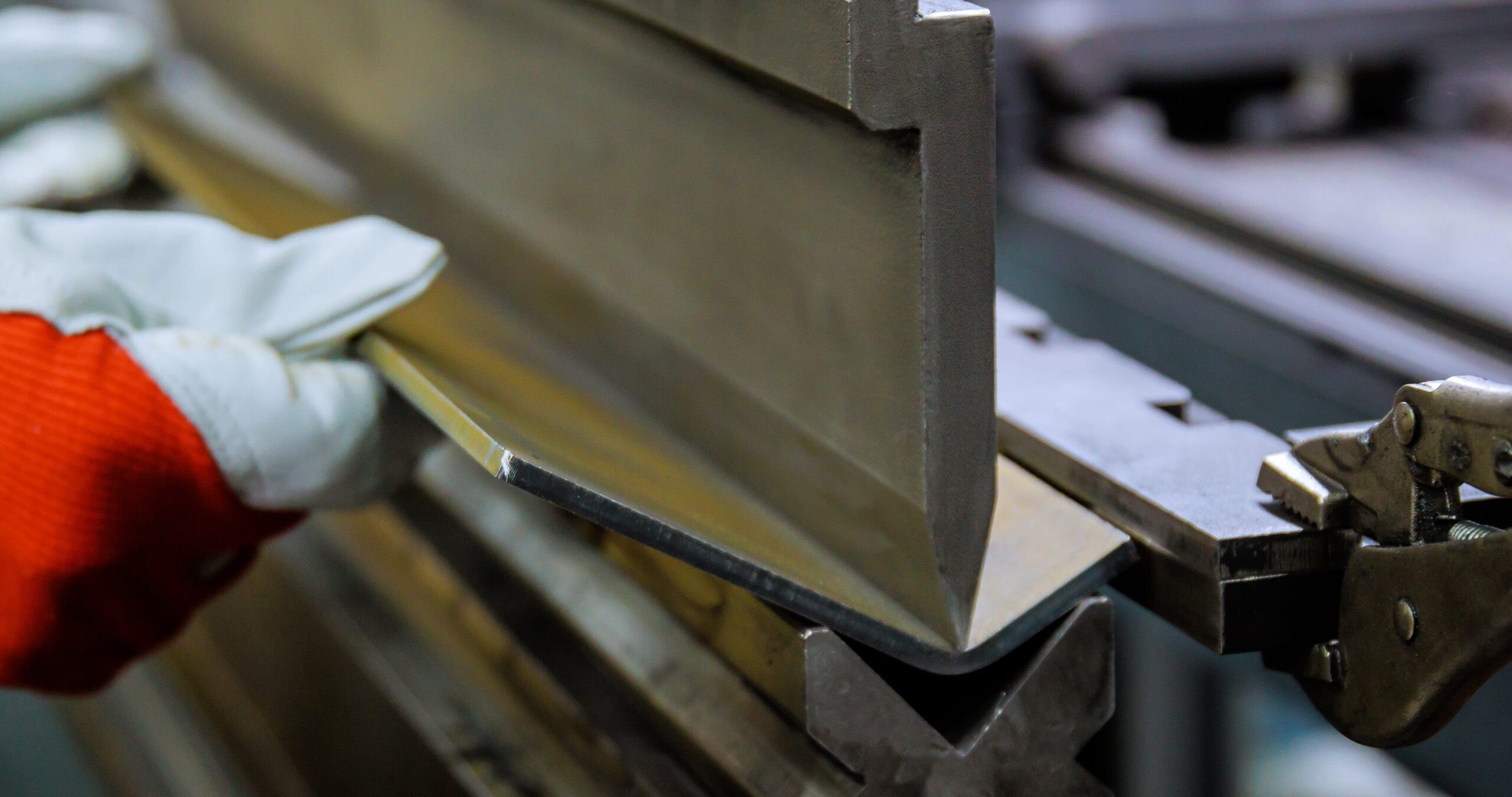
CNC press brake bending and sheet metal rolling produce precise angles, radii, cylinders, cones, and curved panels for both simple and complex components.
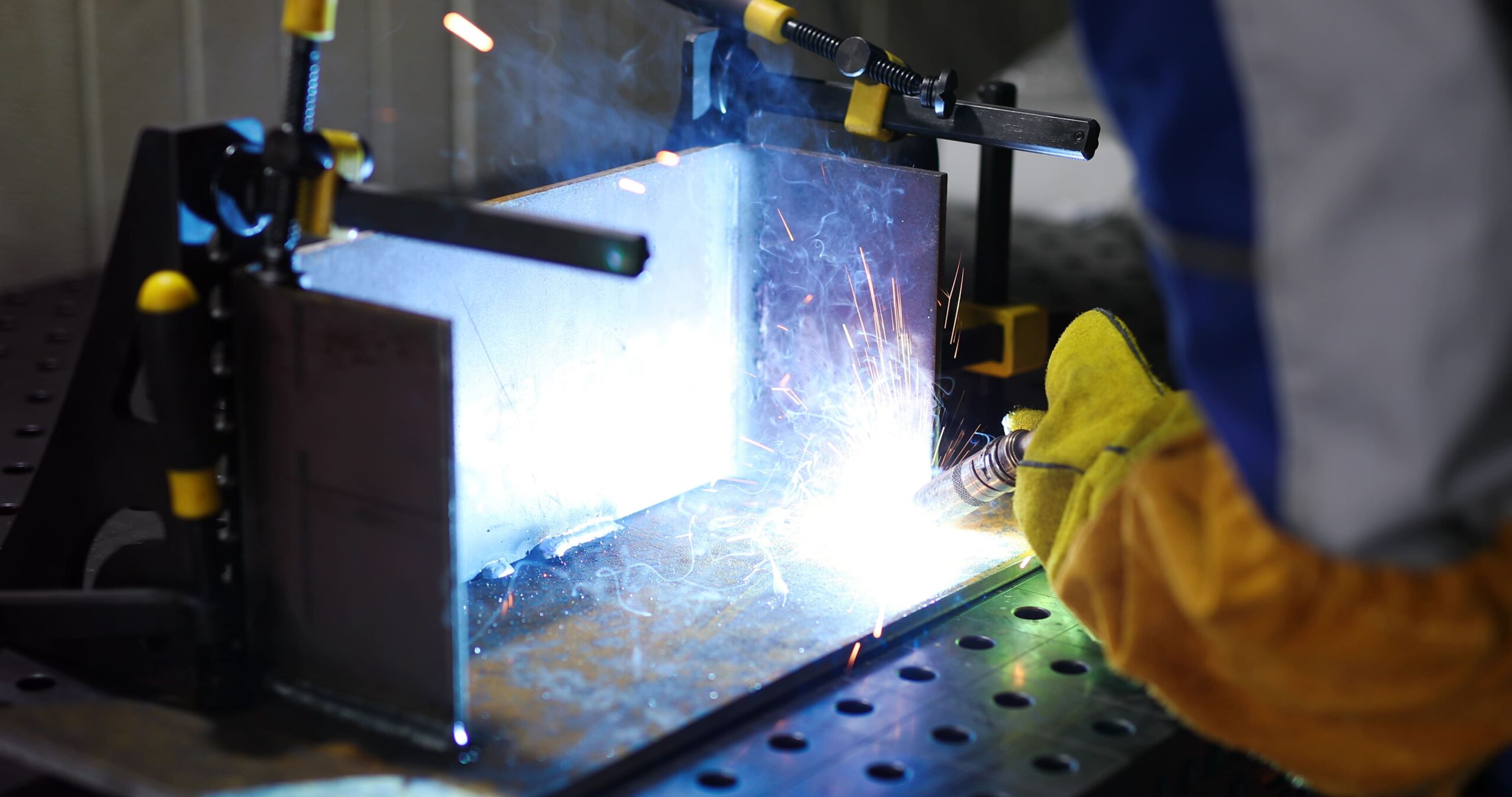
Sheet Metal welding services

Sheet Metal Welding

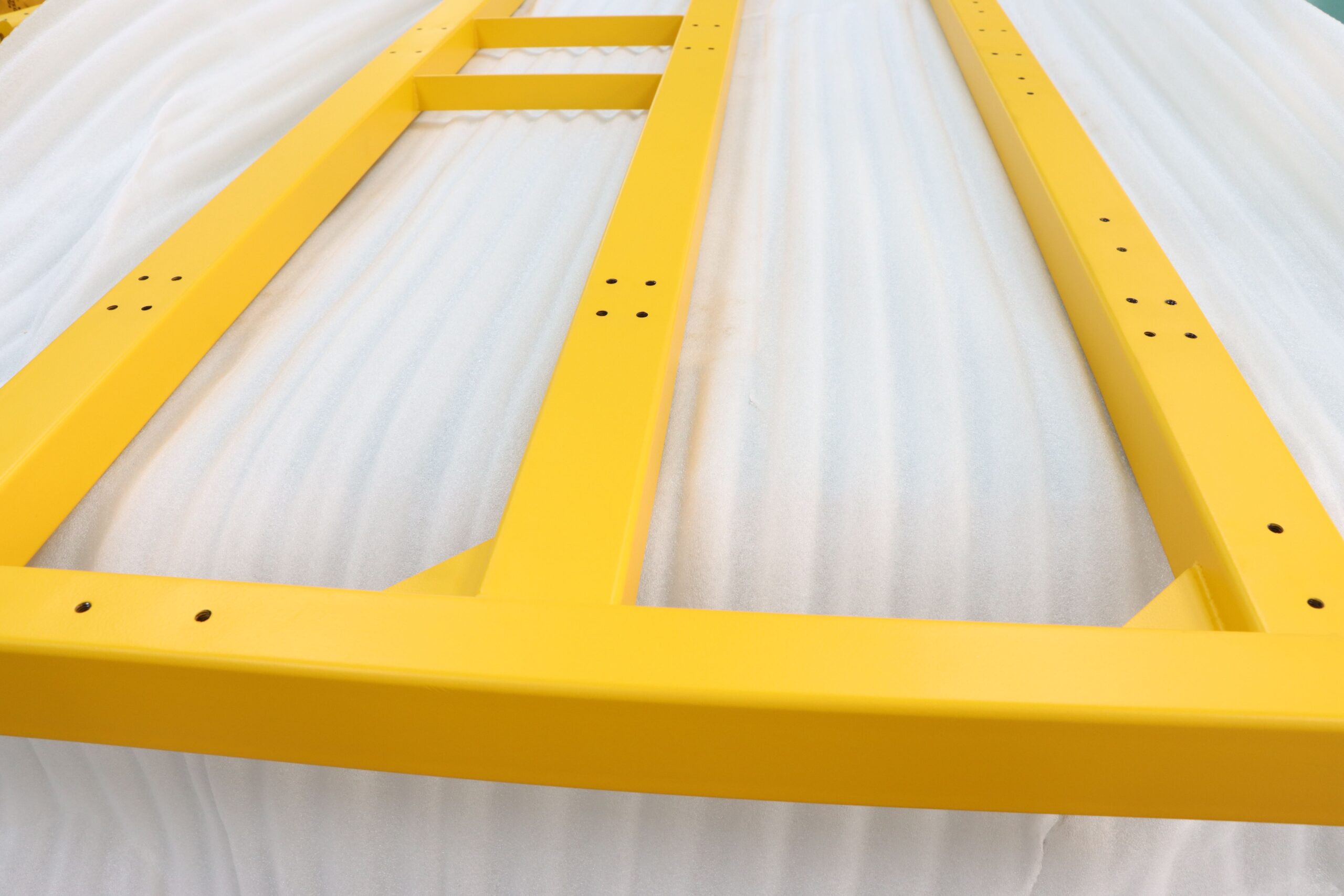
Our TIG, MIG, and spot welding capabilities create strong, reliable parts and assemblies with controlled distortion, dimensional accuracy, and clean weld finishes.
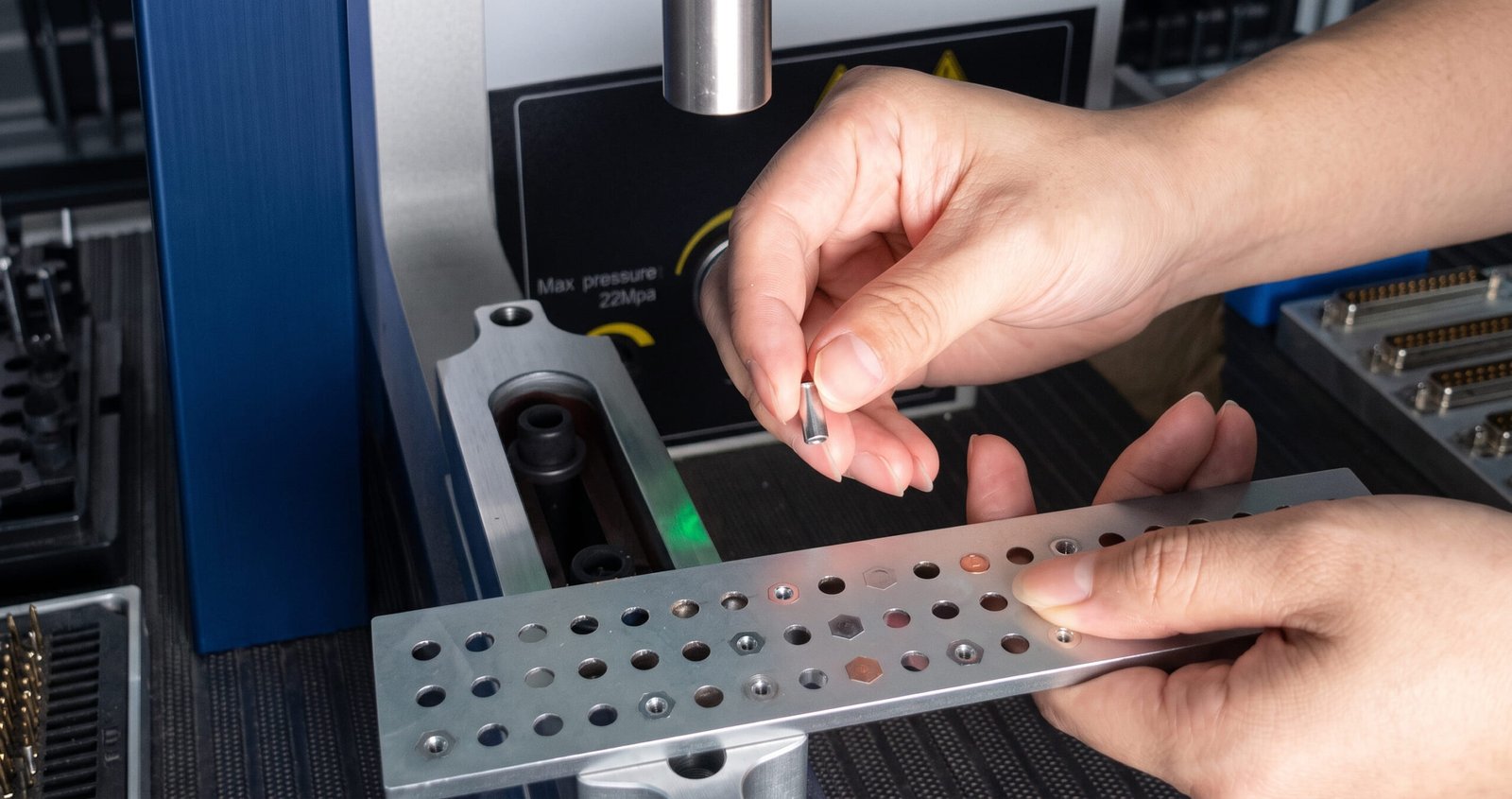
sheet matel Hardware Insertion

Hardware Insertion

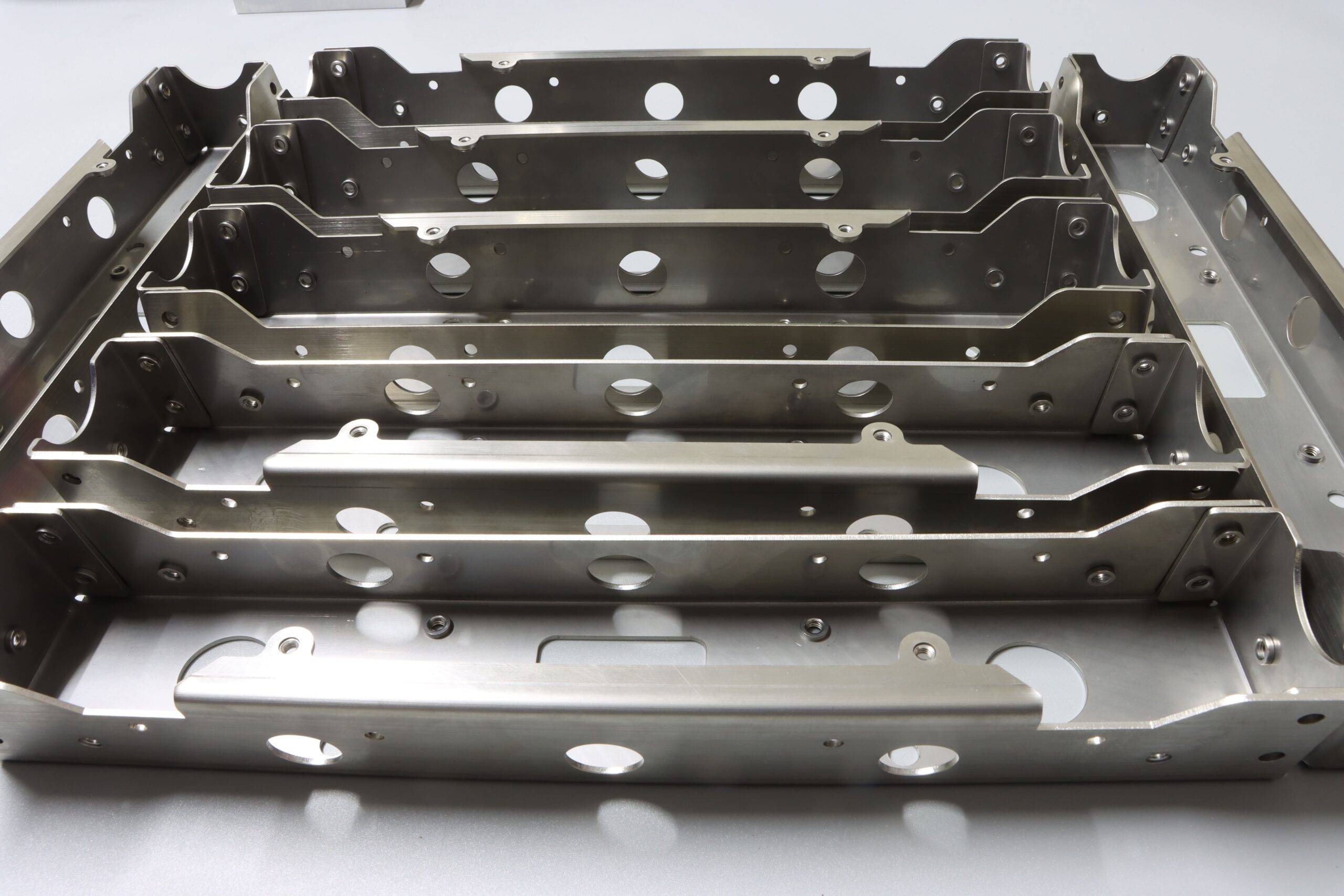
We install self-clinching nuts, studs, standoffs, rivets, and threaded inserts to provide secure attachment points and simplify downstream assembly.
Sheet Metal Parts

Sheet Metal Assembly

We integrate fabricated components, fasteners, and other hardware through welding, riveting, and mechanical fastening to deliver inspected products ready for installation.

Sheet Metal Materials Available at TENGHUI

Choose from our range of aluminum, stainless steel, carbon steel, galvanized steel, brass, copper, and titanium materials for laser cutting, bending, forming, welding, and assembly. Our engineers can help you select the right material based on strength, formability, corrosion resistance, surface finish, and project cost.

Material certificates and traceability documents are available upon request.

Aluminum:

Lightweight, corrosion-resistant, and versatile, aluminum is widely used for enclosures, panels, brackets, covers, and structural sheet metal components.

Available Aluminum Grades for Sheet Metal Fabrication:

Aluminum Type

Available Grades

Key Properties and Applications

Commercially Pure Aluminum

1050, 1060

Offers excellent formability, corrosion resistance, and electrical conductivity but relatively low strength. Suitable for panels, covers, electrical parts, and lightweight enclosures.

Aluminum-Magnesium Alloys

5052, 5754, 5083

Provide a strong combination of corrosion resistance, weldability, strength, and formability. Commonly used for enclosures, brackets, panels, tanks, and marine components.

Aluminum-Magnesium-Silicon Alloys

6061, 6063

Offer good strength, corrosion resistance, and machinability. Suitable for structural components and parts requiring both sheet metal fabrication and additional CNC machining.

High-Strength Aluminum Alloy

7075

Provides very high strength for demanding structural applications. Best suited for flat laser-cut parts and components requiring CNC machining rather than complex bending or welding.

Stainless Steel:
Stainless Steel Material for CNC

Strong, durable, and corrosion-resistant, stainless steel is widely used for enclosures, panels, brackets, food-processing equipment, and components exposed to demanding environments.

Available Stainless Steel Grades for Sheet Metal Fabrication:

Stainless Steel Type

Available Grade

Key Properties and Applications

High-Strength Austenitic Stainless Steel

SUS301

Offers high strength, good formability, and excellent wear resistance. Commonly used for clips, springs, brackets, and structural sheet metal components.

General-Purpose Austenitic Stainless Steel

SUS304

Provides excellent corrosion resistance, weldability, and formability. Widely used for enclosures, panels, covers, and food-processing equipment.

Corrosion-Resistant Austenitic Stainless Steel

SUS316

Provides greater resistance to corrosion, chemicals, and chloride environments than SUS304. Suitable for marine, chemical-processing, food-grade, and other demanding applications.

Steel:
Steel Alloy Material for CNC

Strong, versatile, and cost-effective, steel is widely used for brackets, frames, panels, enclosures, and structural sheet metal components.

Available Steel Grades for Sheet Metal Fabrication:

Steel Type

Available Grades

Key Properties and Applications

Cold-Rolled Steel

SPCC, DC01, DC05

Provides a smooth surface, good dimensional accuracy, and excellent formability. Suitable for enclosures, panels, covers, brackets, and precision sheet metal parts.

Electro-Galvanized Steel

SECC

Features a smooth, uniform zinc coating with good corrosion resistance and surface quality. Commonly used for electronic enclosures, cabinets, and indoor equipment.

Hot-Dip Galvanized Steel

SGCC

Provides durable zinc coating protection and good corrosion resistance. Suitable for HVAC components, cabinets, structural panels, and indoor or outdoor equipment.

Hot-Rolled Carbon Steel

SPHC, Q235, Q355

Offers strength, durability, and competitive material costs. Commonly used for structural brackets, frames, base plates, and heavy-duty fabricated components.

Brass:
brass material for cnc

Brass combines good formability, corrosion resistance, electrical conductivity, and an attractive appearance. It is suitable for terminals, brackets, covers, decorative panels, and other precision sheet metal parts.

Available Brass Grades for Sheet Metal Fabrication:

Brass Type

Available Grades

Key Properties and Applications

General-Purpose Yellow Brass

H62, H65

Offers a good balance of strength, formability, corrosion resistance, and appearance. Commonly used for electrical terminals, brackets, panels, covers, and decorative components.

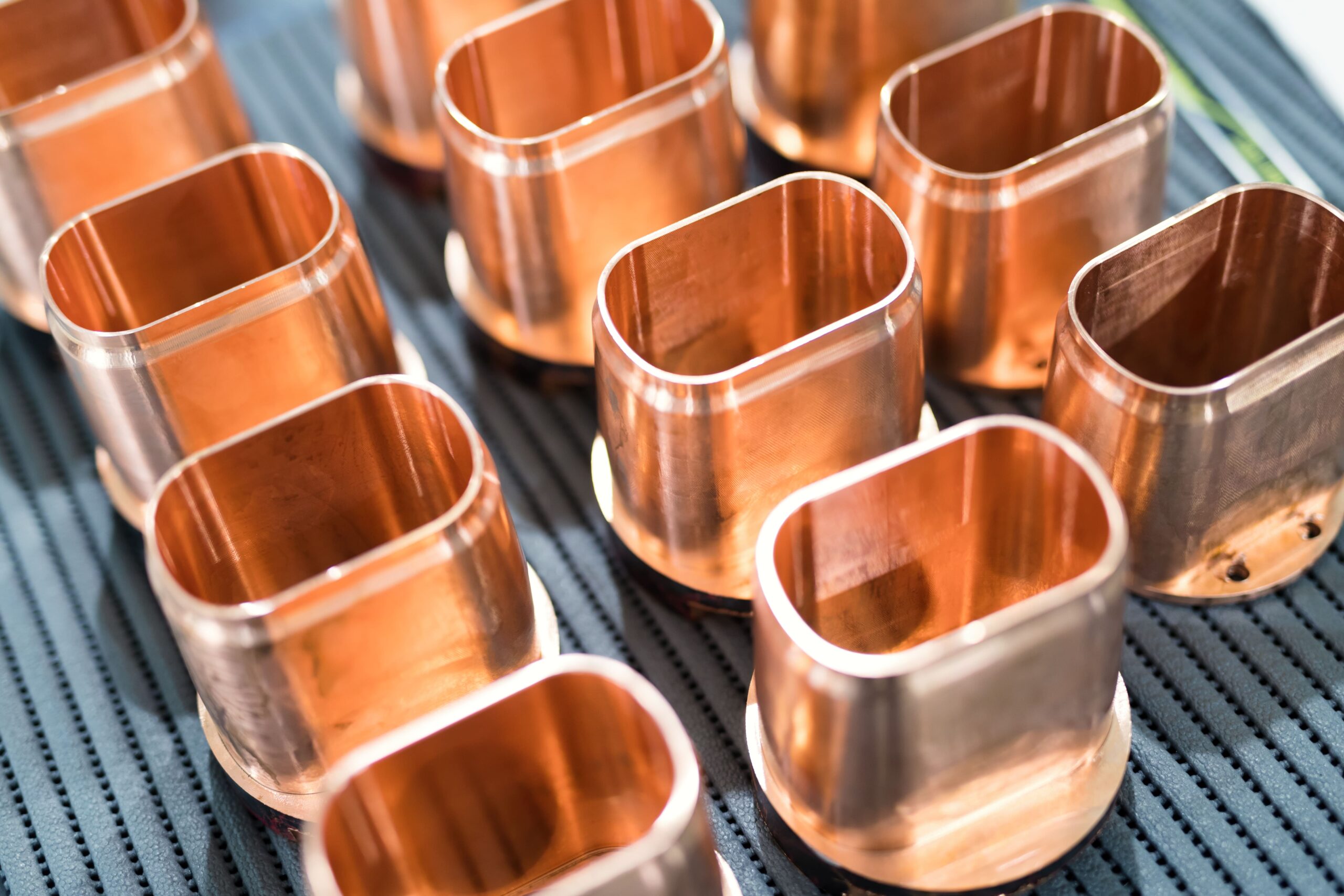
Copper:
Copper material for cnc

Copper offers excellent electrical and thermal conductivity, corrosion resistance, and formability. It is widely used for busbars, terminals, electrical contacts, heat-transfer parts, and shielding components.

Available Copper Grade for Sheet Metal Fabrication:

Copper Type

Available Grade

Key Properties and Applications

Electrolytic Tough Pitch Copper

T2

Provides excellent electrical and thermal conductivity with good formability. Commonly used for busbars, terminals, electrical contacts, heat sinks, and heat-transfer components.

Titanium:
Titanium Material For CNC

Titanium offers an excellent strength-to-weight ratio, outstanding corrosion resistance, and reliable performance in demanding environments. It is suitable for aerospace, marine, and high-performance industrial components.

Available Titanium Grade for Sheet Metal Fabrication:

Titanium Type

Available Grade

Key Properties and Applications

Alpha-Beta Titanium Alloy

TC4 (Grade 5 / Ti-6Al-4V)

Combines high strength, relatively low weight, corrosion resistance, and good fatigue performance. Suitable for aerospace brackets, protective panels, marine components, and specialized industrial parts.

Sheet Metal Surface Finishing Options

Enhance the appearance, corrosion resistance, wear performance, and service life of your sheet metal parts with our range of mechanical, chemical, coating, and plating finishes.

As Machined / Deburred

Parts are left with their natural metal finish. All sharp edges and burrs are mechanically removed for safe handling.

Powder Coating

A dry powder is electrostatically applied and cured under heat. Delivers a thick, highly durable, and scratch-resistant protective layer.

Anodizing

An electrochemical process that converts the aluminum surface into a decorative, highly durable, and corrosion-resistant anodic oxide finish.

Plating

Coating the metal with a thin layer of another metal (such as Zinc or Nickel) to dramatically improve rust resistance and electrical conductivity.

DFM Design Guidelines for Sheet Metal

Optimize your sheet metal CAD designs to ensure high manufacturability, minimize tooling wear, and reduce your production costs.

1. Uniform Bend Radii

Design all bends on a single part with the same radius. This avoids machine tooling changes during production, drastically lowering your unit cost.

2. Hole Distance from Bends

Keep holes and slots at a minimum distance of 3x the sheet thickness away from the bend line to prevent the hole from stretching or warping during forming.

3. Hole Diameter Limits

Ensure the diameter of any pierced holes is at least equal to or greater than the sheet thickness to prevent tooling damage and material deformation.

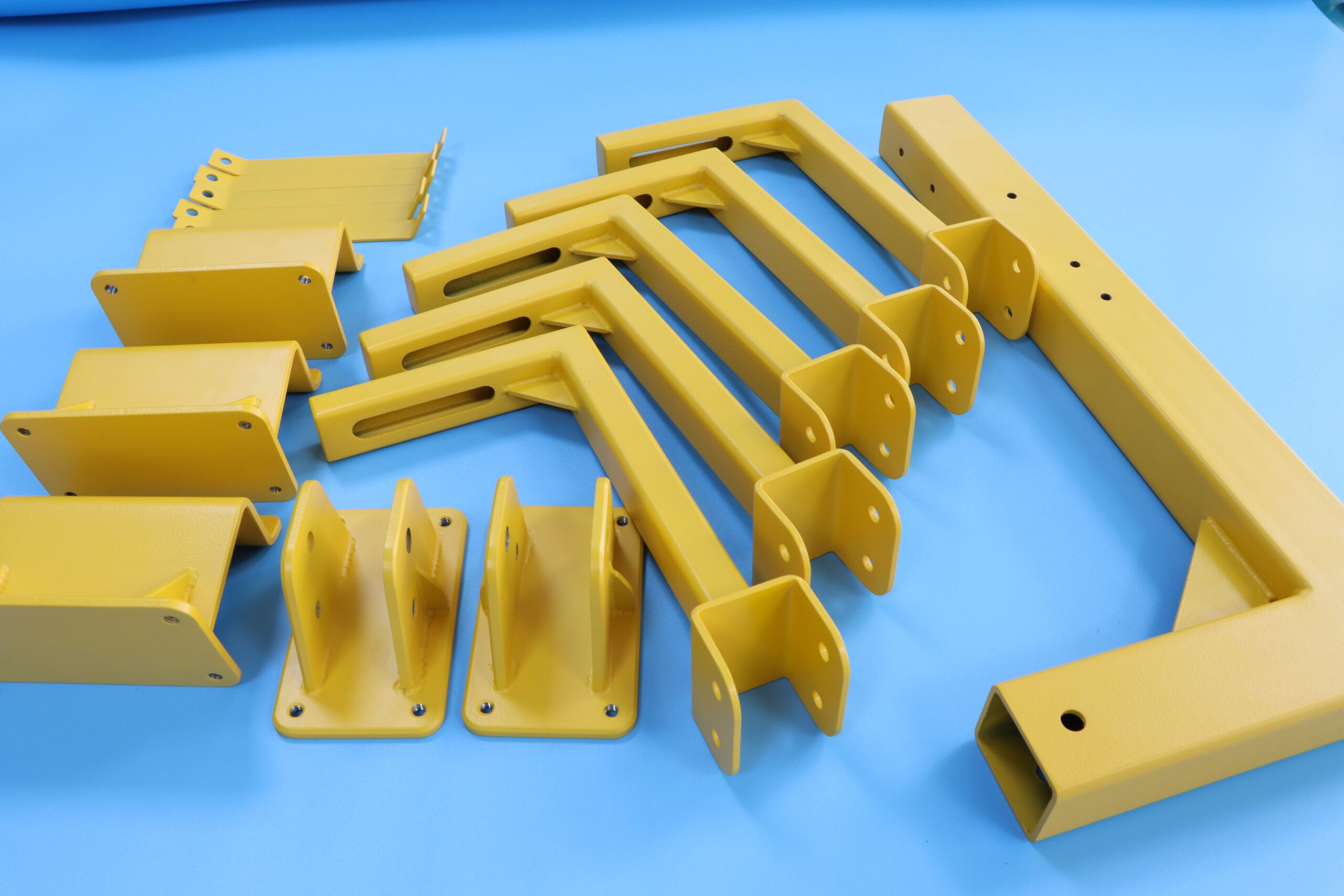
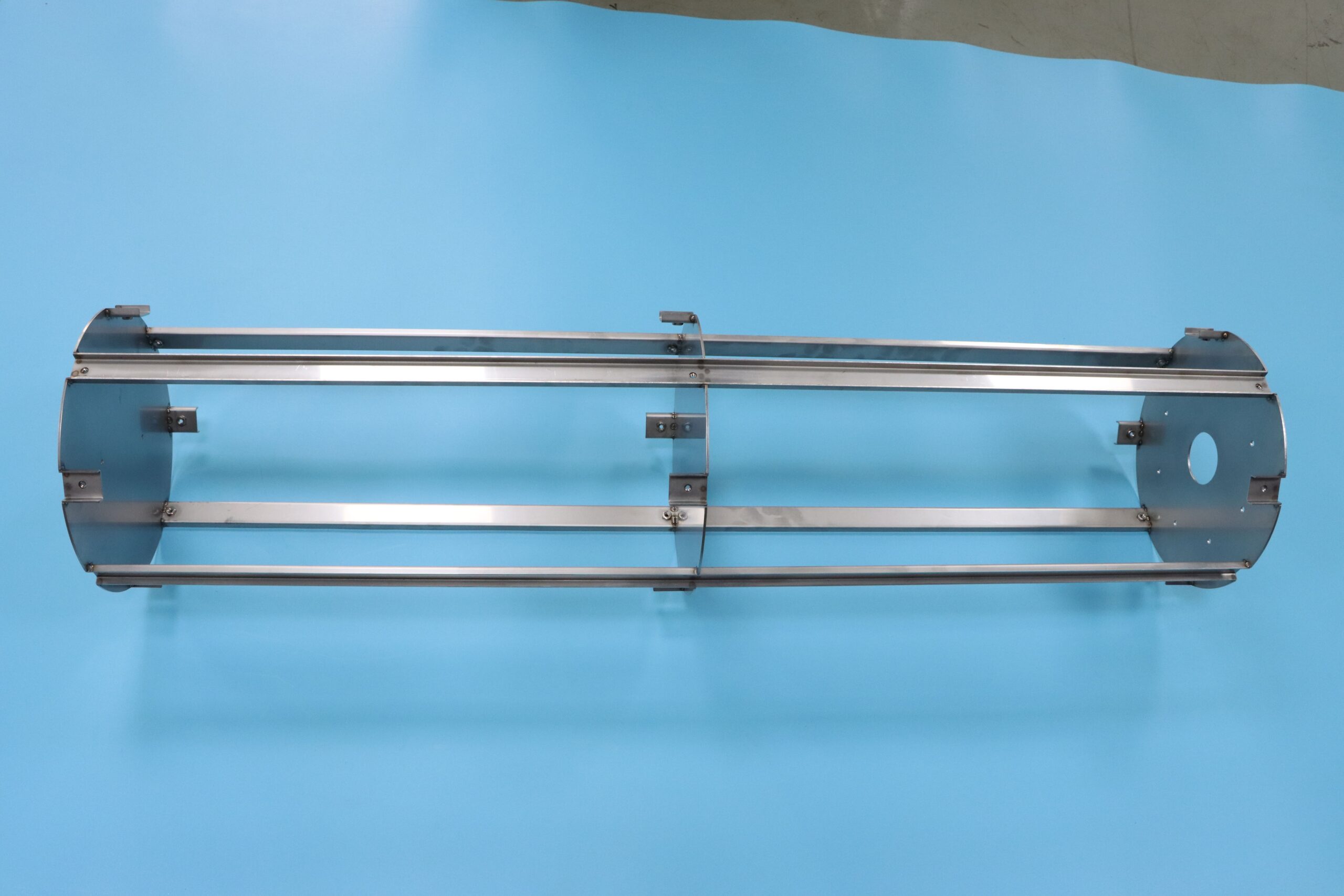
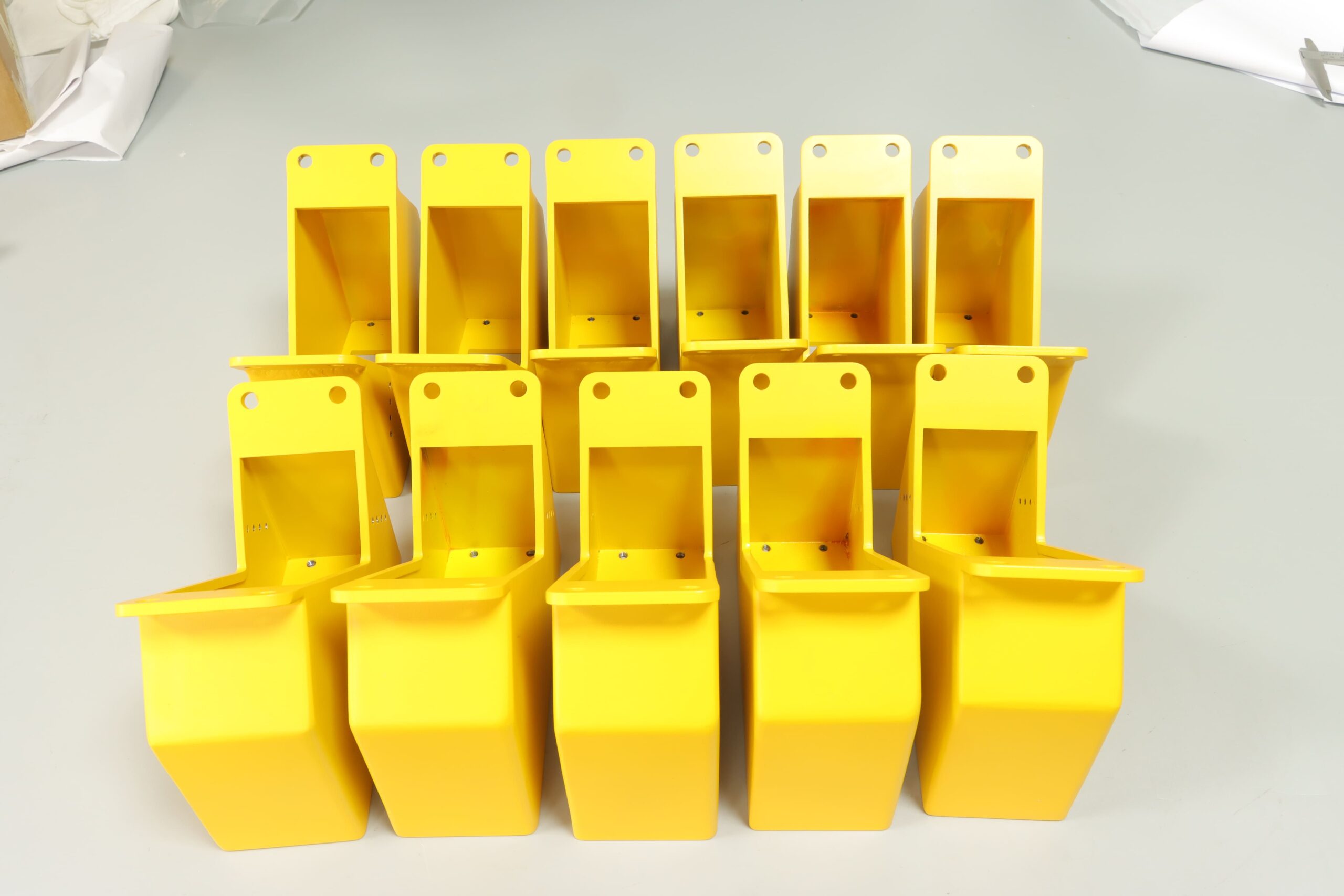
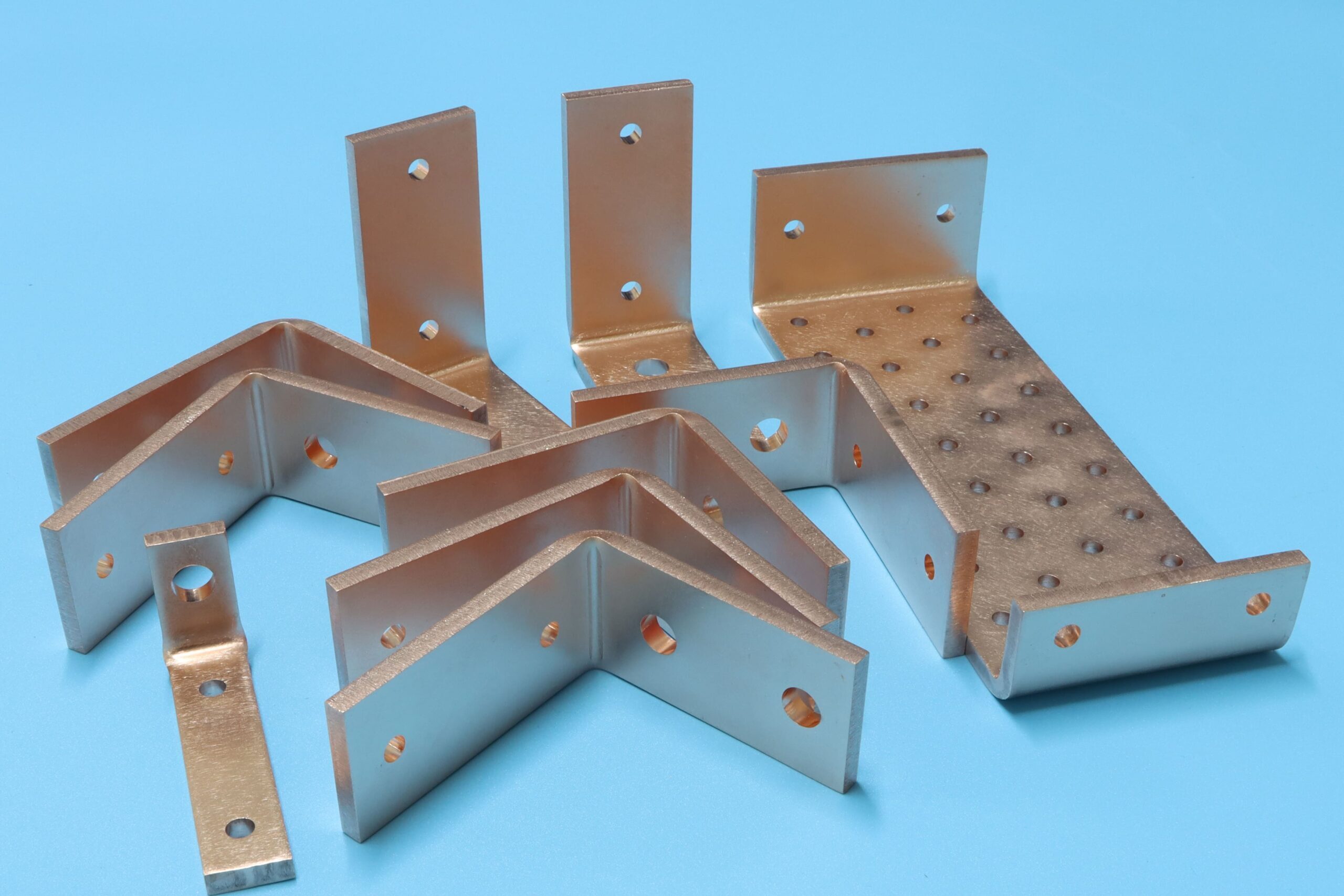
Case Applications of Sheet Metal Parts

Sheet Metal Fabrication FAQs

Precision sheet metal fabrication requires tighter dimensional control, more consistent bend angles, better feature alignment, cleaner surfaces, and greater part-to-part repeatability. It typically involves controlled laser cutting, CNC bending, precision welding, dedicated fixtures, detailed inspection, and documented quality control. Conventional sheet metal fabrication generally focuses more on basic structural functionality and less demanding tolerances.

Typical laser-cutting tolerances range from ±0.1 mm to ±0.2 mm. CNC bending tolerances are generally ±0.2 mm to ±0.5 mm for linear dimensions and ±0.5° to ±1° for bend angles. Actual tolerances depend on material type, thickness, part size, bend geometry, and feature location. Critical dimensions and tighter tolerances are evaluated individually according to your drawings.

TENGHUI processes sheet metal in thicknesses ranging from approximately 0.3 mm to 20 mm. The available thickness range depends on the material and manufacturing process. Laser cutting, CNC punching, bending, rolling, and welding requirements are reviewed according to the part geometry and material specifications.

Use consistent bend radii, appropriate bend reliefs, and adequate distances between holes, edges, and bend lines. Avoid placing critical features too close to bends, as material stretching and springback may affect their final position. Material grade, thickness, grain direction, bend radius, and tooling selection should all be considered during design. Our engineers can review your CAD files and provide DFM recommendations before production.

We control welding distortion through suitable joint design, controlled heat input, optimized welding sequences, dedicated fixtures, and intermediate dimensional inspections. TIG, MIG, or spot welding is selected according to the material, thickness, structural requirements, and cosmetic expectations. Post-weld grinding, straightening, or additional machining can be evaluated when required.
 

Yes. Powder coating, anodizing, painting, and metal plating add measurable thickness to part surfaces and may affect holes, threads, mating features, and assembly clearances. Critical areas can be masked, plugged, or dimensionally compensated before finishing. Surface finish requirements should therefore be specified during the quotation and DFM review stages.

Our inspection process may include incoming material verification, first-article inspection, in-process dimensional checks, and final inspection. Calipers, micrometers, height gauges, angle gauges, thread gauges, and CMM equipment are used according to part requirements. Dimensional inspection reports, material certificates, and surface-finish documentation are available upon request.

Your drawings should specify material grade and thickness, dimensional tolerances, bend angles and radii, welding requirements, hardware specifications, surface finish, cosmetic requirements, and inspection standards. We recommend providing a 3D CAD model together with a fully dimensioned 2D drawing to prevent manufacturing ambiguity.

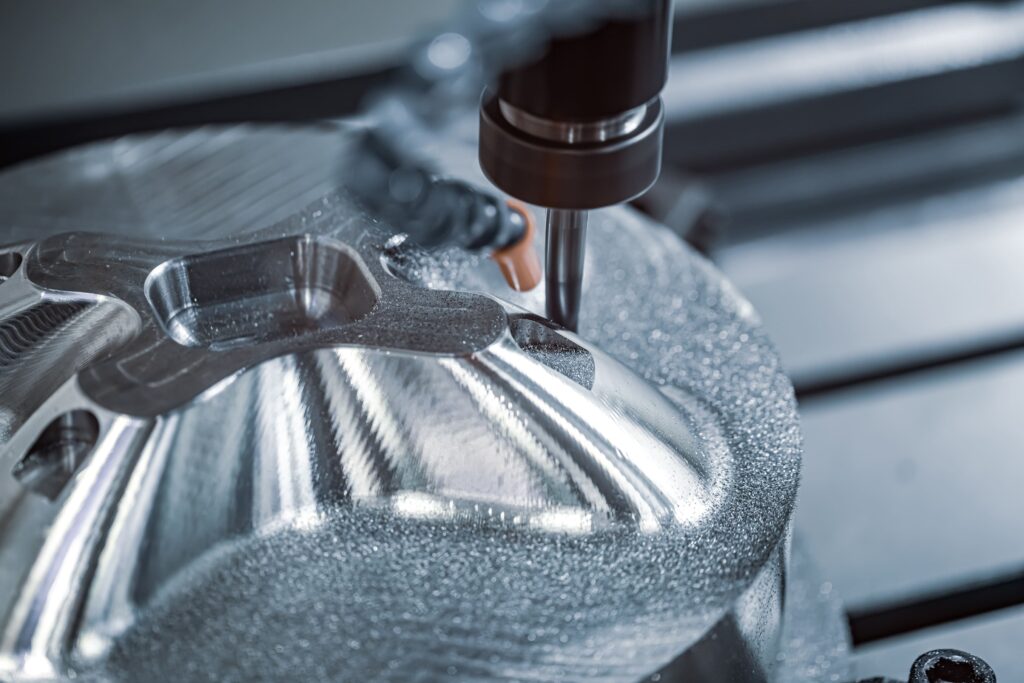
Yes. TENGHUI can combine laser cutting, bending, welding, hardware insertion, and assembly with CNC-milled or CNC-turned components. This hybrid manufacturing capability is suitable for products that require fabricated sheet metal structures together with tight-tolerance holes, machined interfaces, precision mounting features, or custom inserts.

Send Us a Message

Once we receive your design files, our senior manufacturing engineers will manually perform a comprehensive DFM review and deliver an accurate, optimized quote within 24 hours.