Precision CNC Machining Services

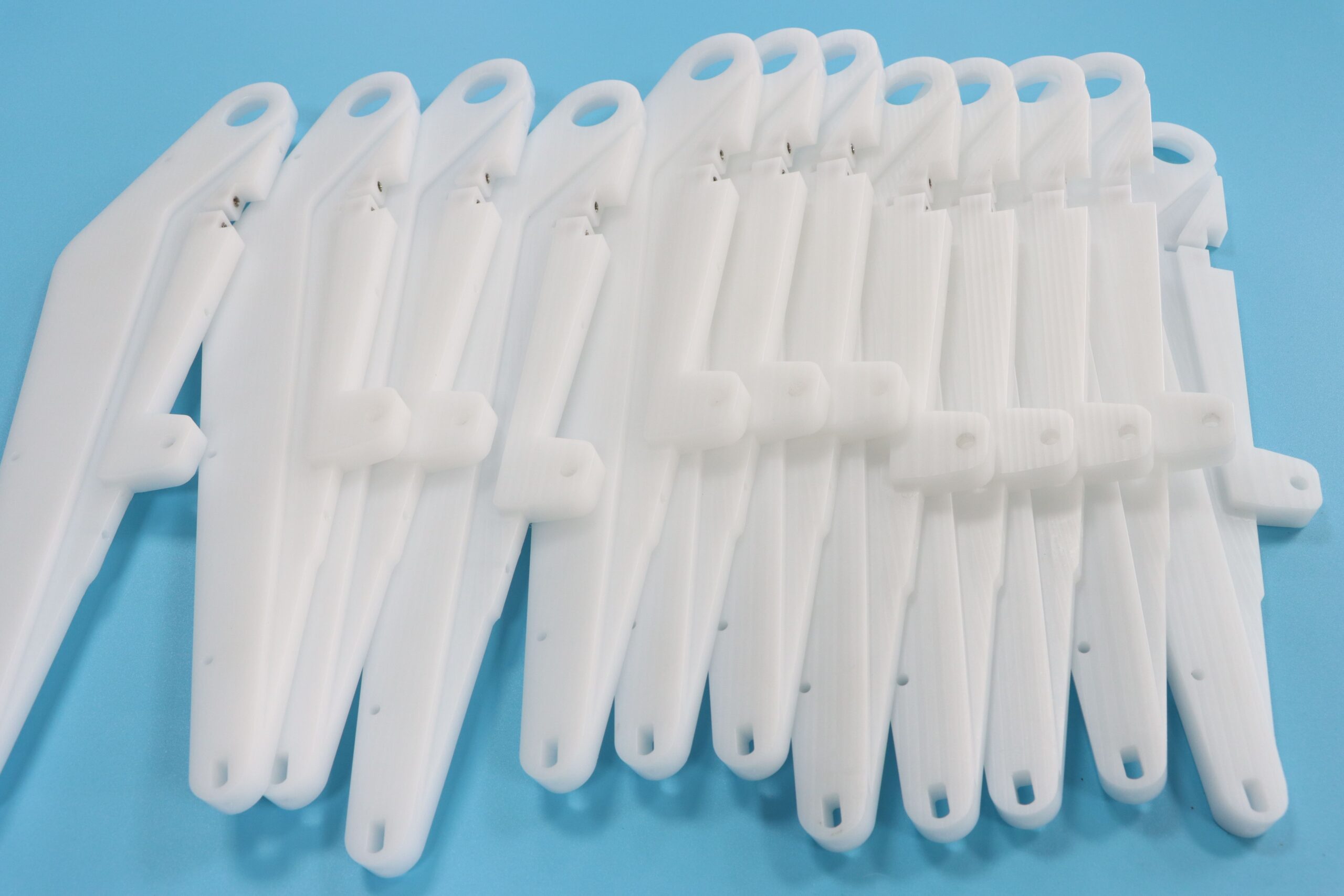
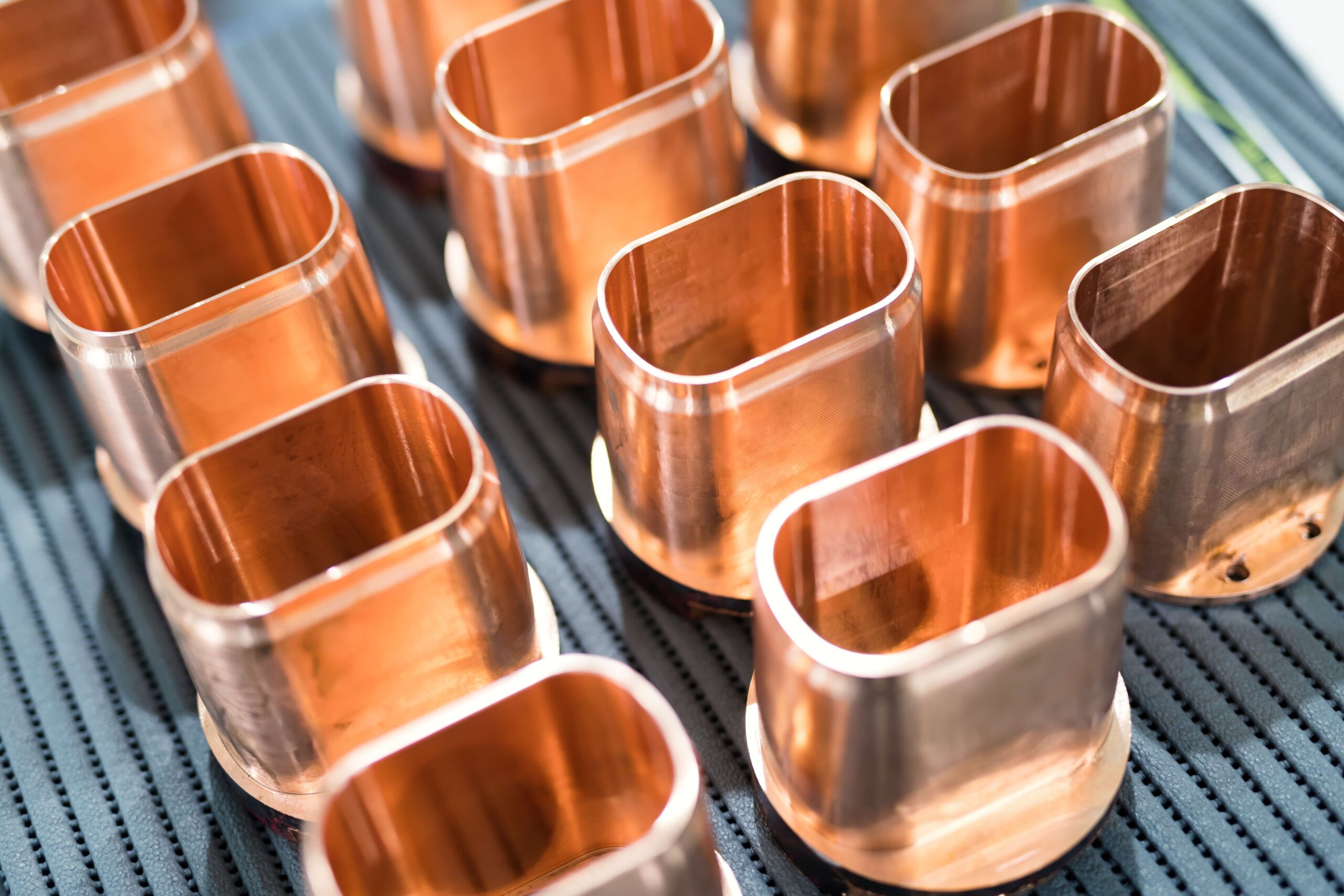
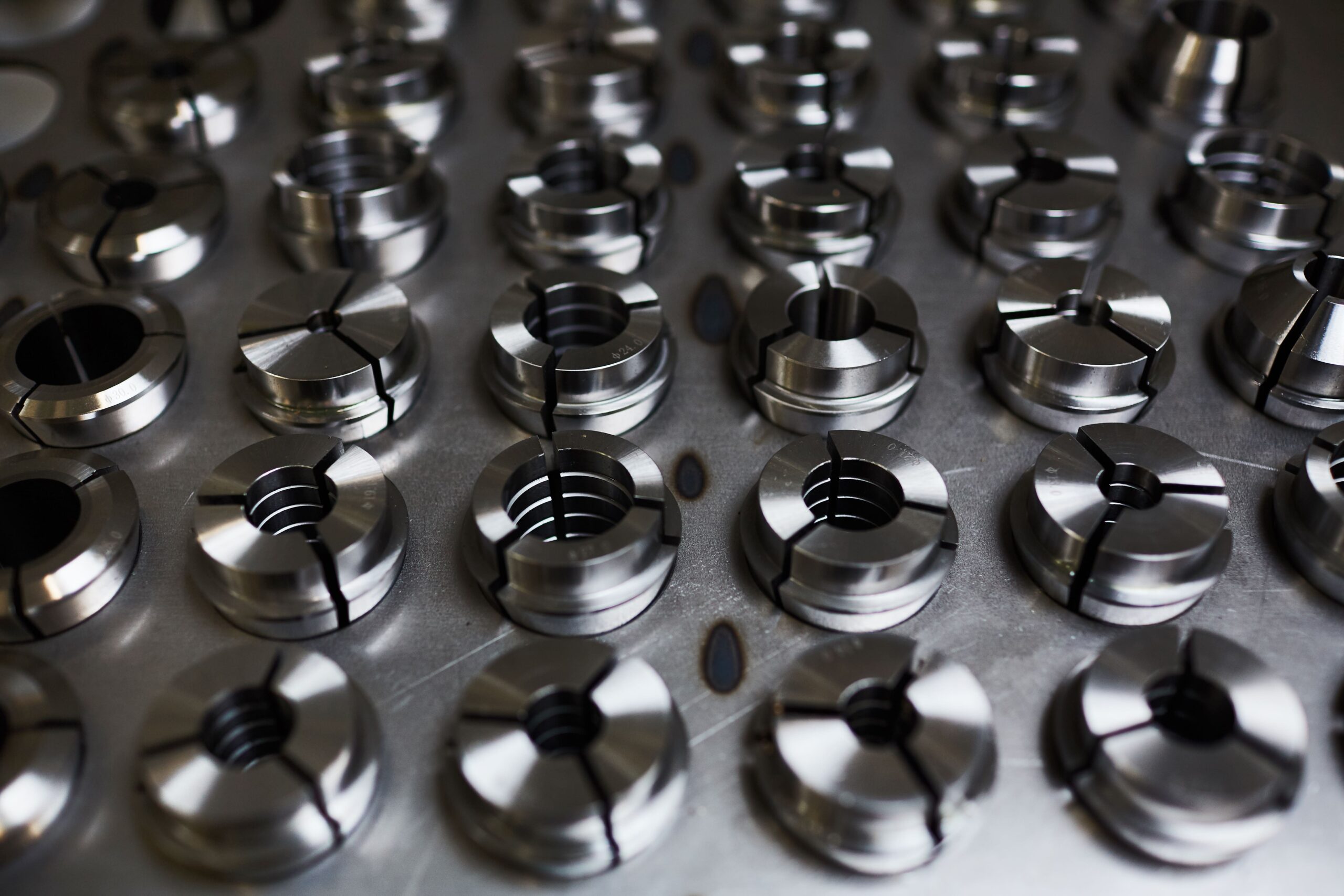
Get custom high-precision metal and plastic components directly from our in-house CNC manufacturing facility, covering rapid prototyping to full-scale mass production with zero middleman markup.

✅ All Design Uploads Are Secure & Confidential 

  1. Home
  2. »
  3. CNC Machining

TENGHUI CNC Machining Capabilities

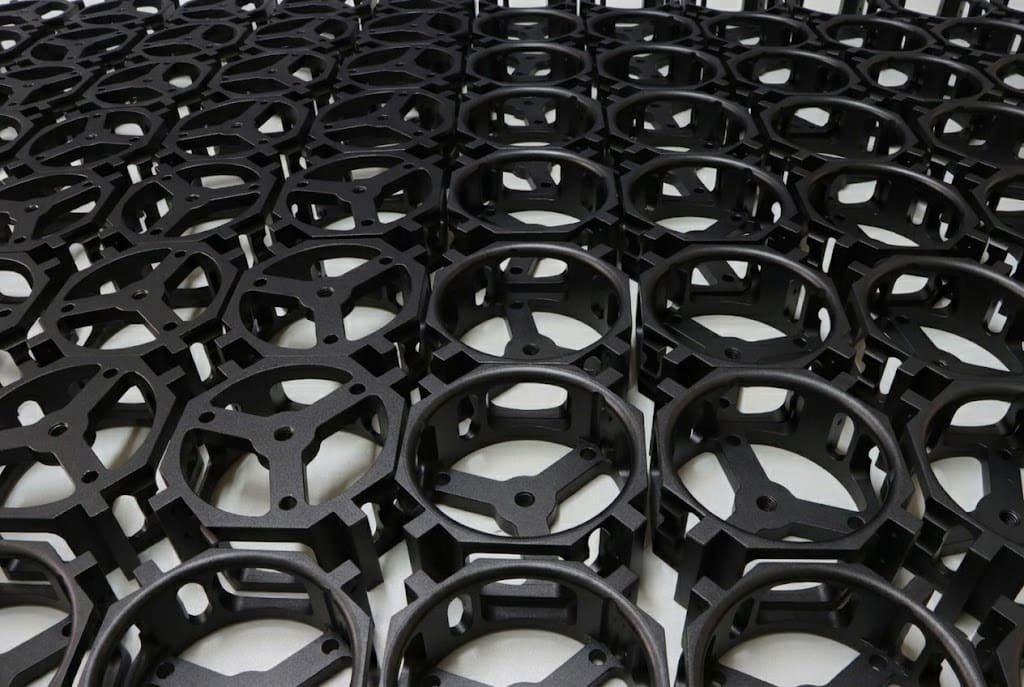
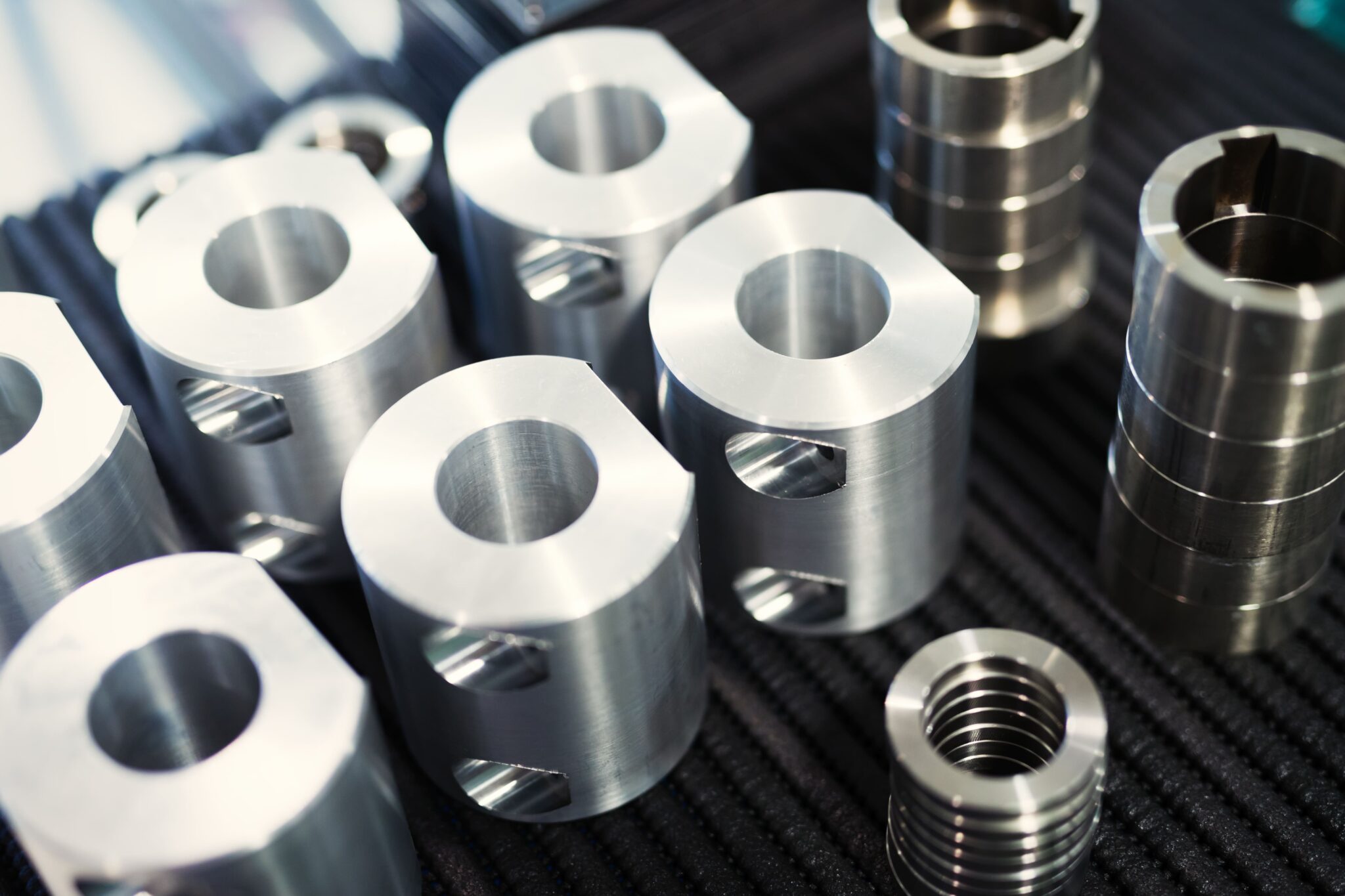
TENGHUI provides custom CNC machining services for metal and plastic parts, from rapid prototyping and low-volume runs to full-scale production. With 50+ CNC machines and comprehensive capabilities in CNC milling, turning, EDM, drilling, and precision grinding, we produce both simple and complex parts according to your drawings and specifications. Based in China, we serve customers worldwide with consistent quality, reliable lead times, and dependable delivery.

CNC Milling

Custom CNC Milling Services

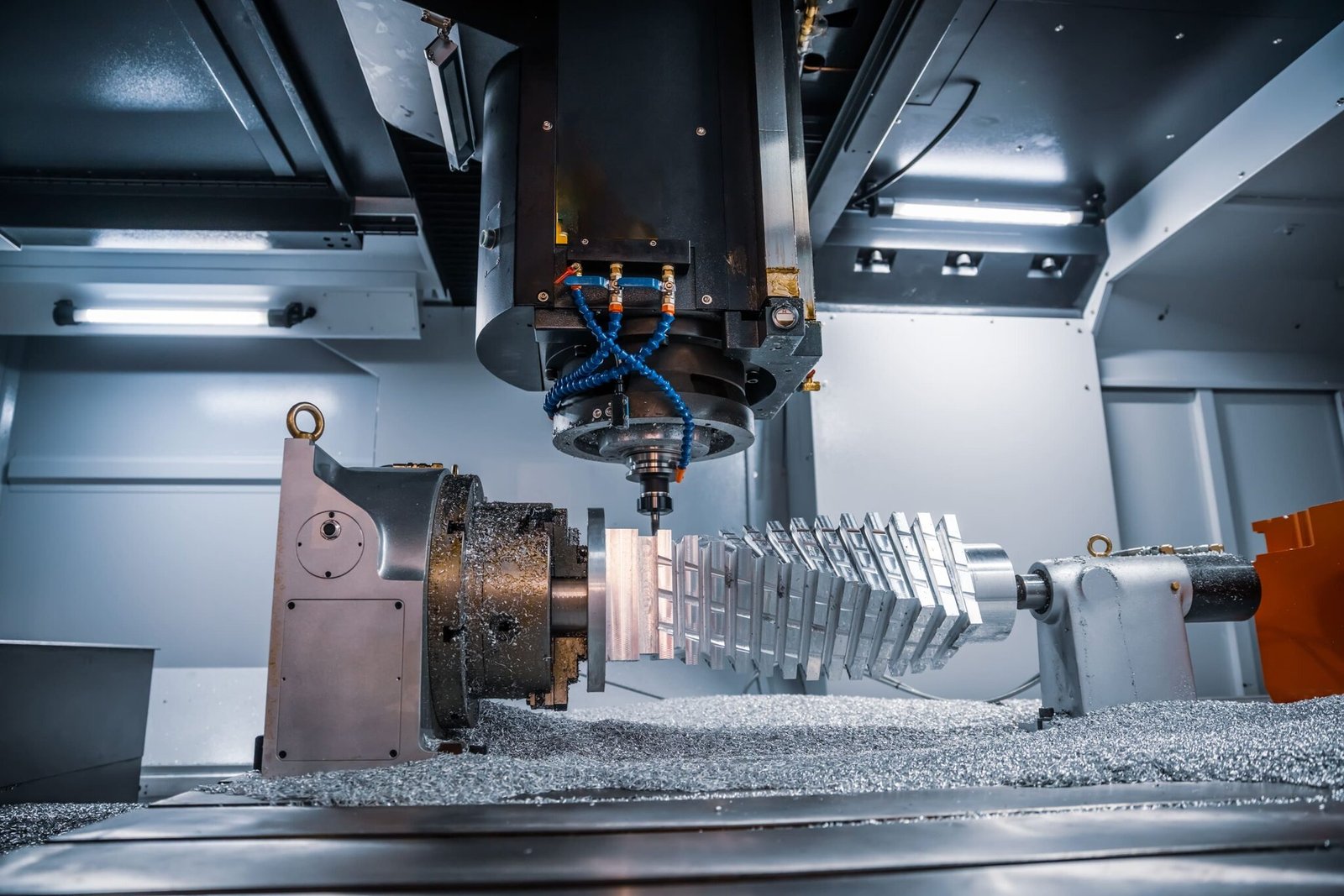
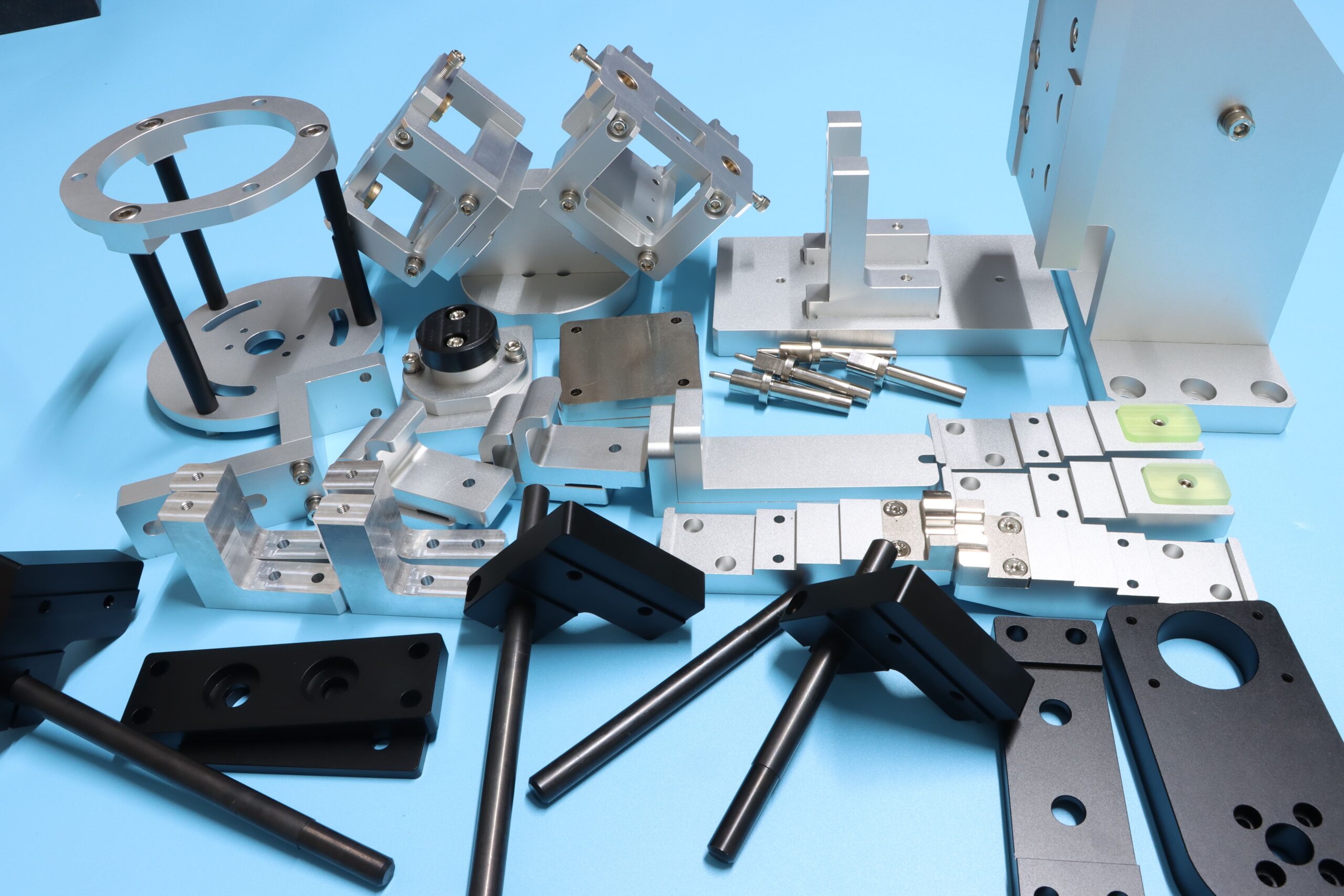
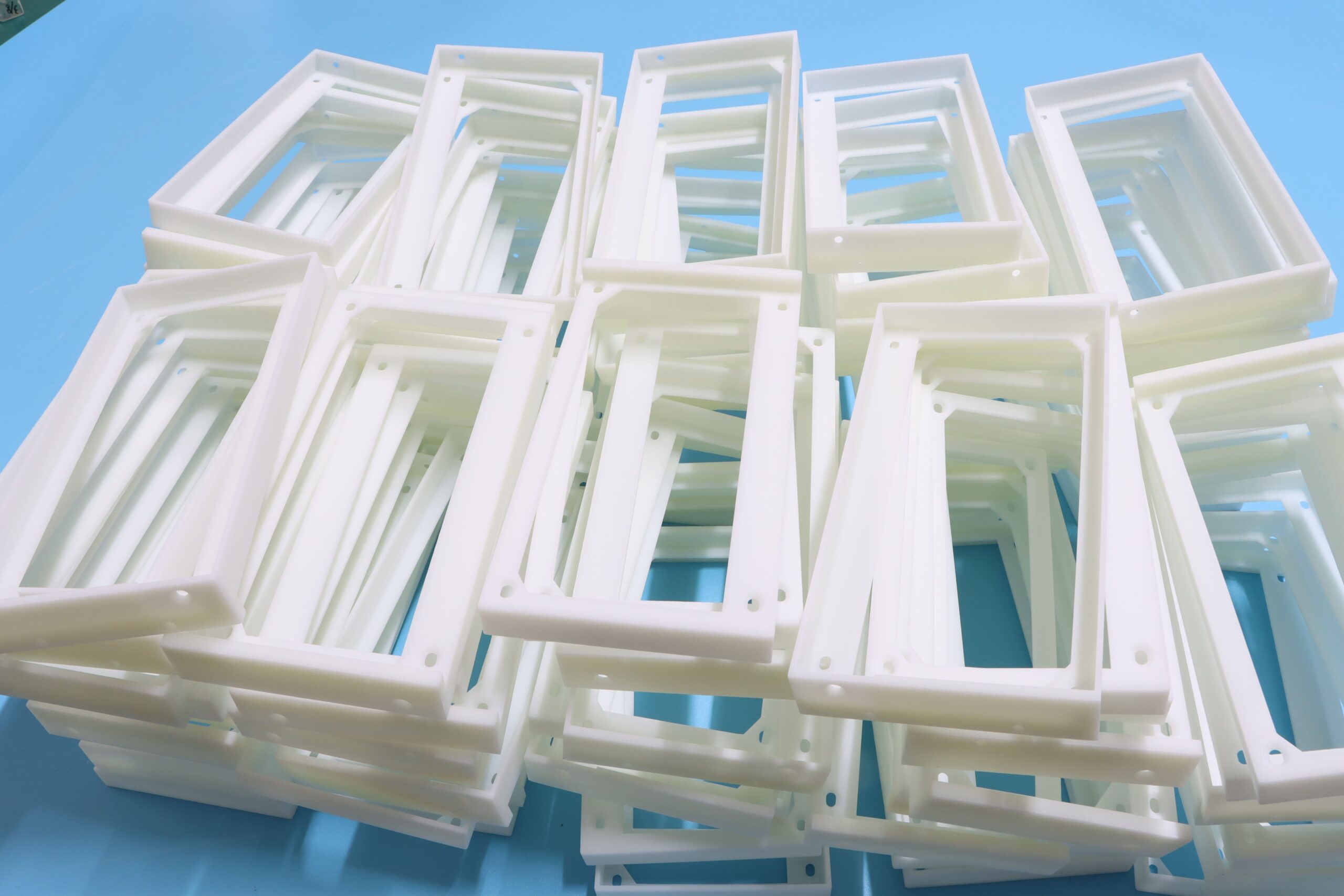
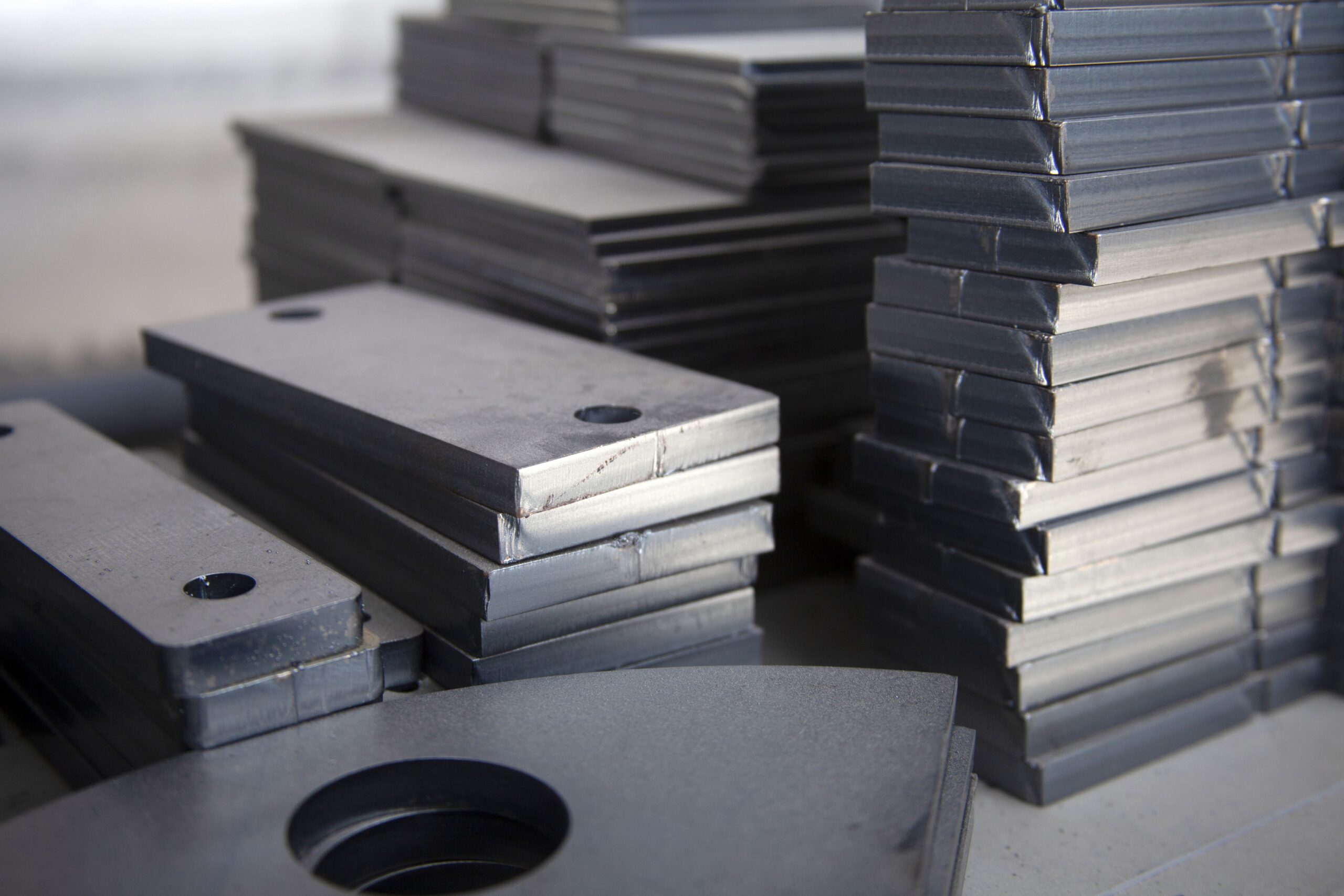
Precision 3-axis and 4-axis CNC milling for parts with complex geometries, tight tolerances, and multiple machined features. Ideal for custom brackets, frames, enclosures, housings, and structural components in a wide range of metals and engineering plastics.
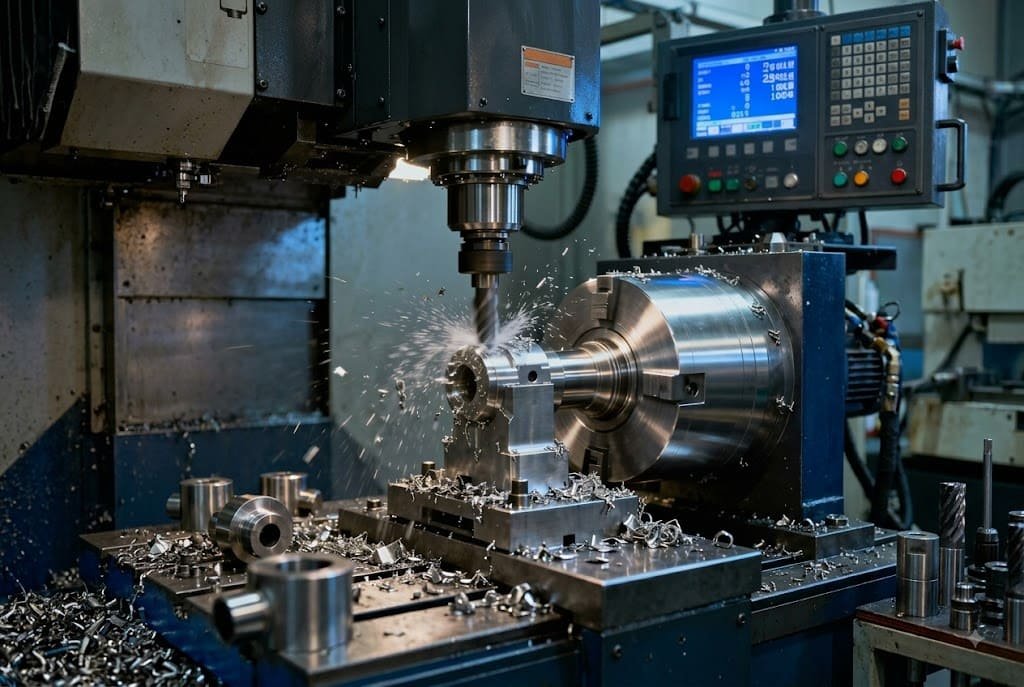
CNC Turning

Custom CNC Turning Services

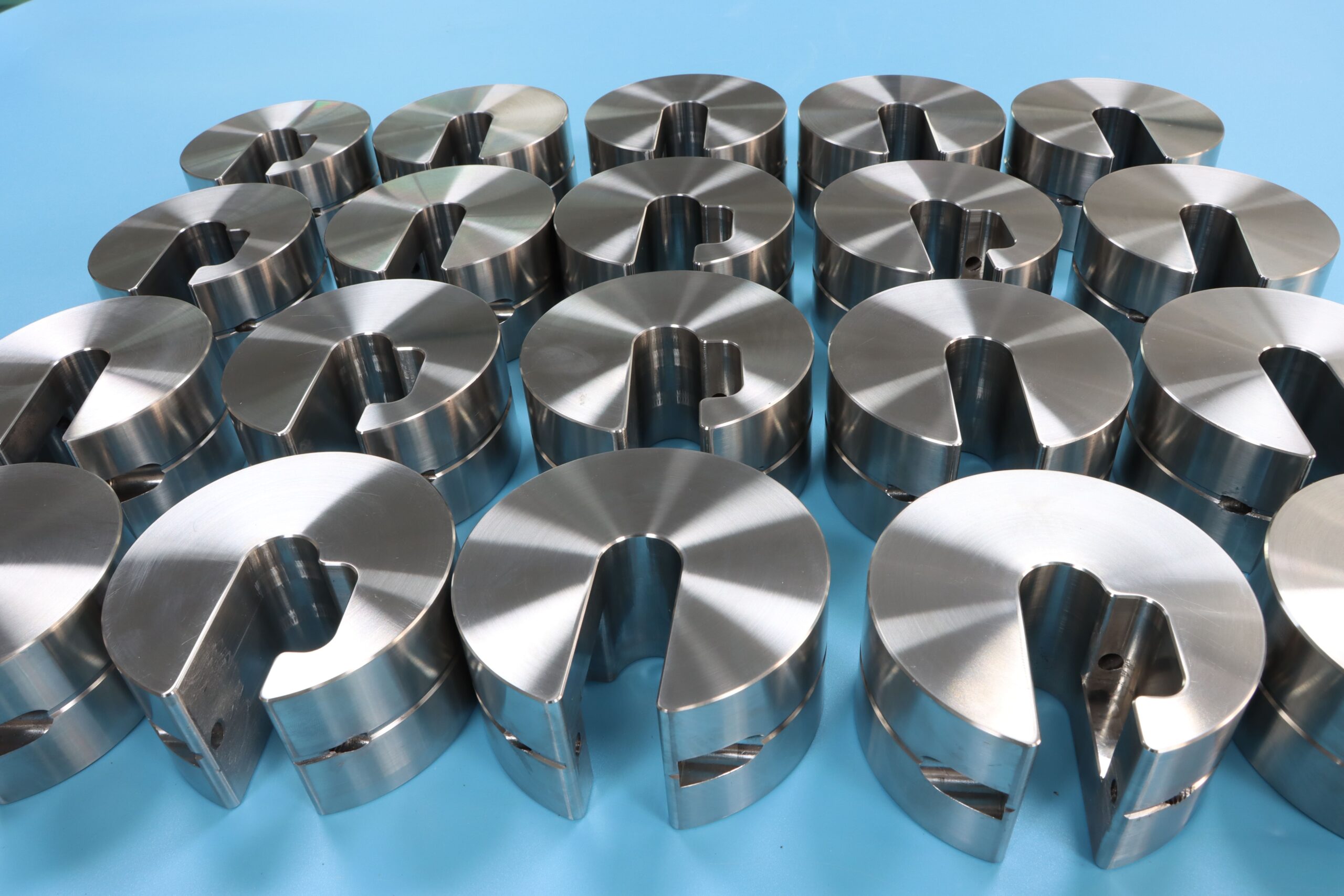
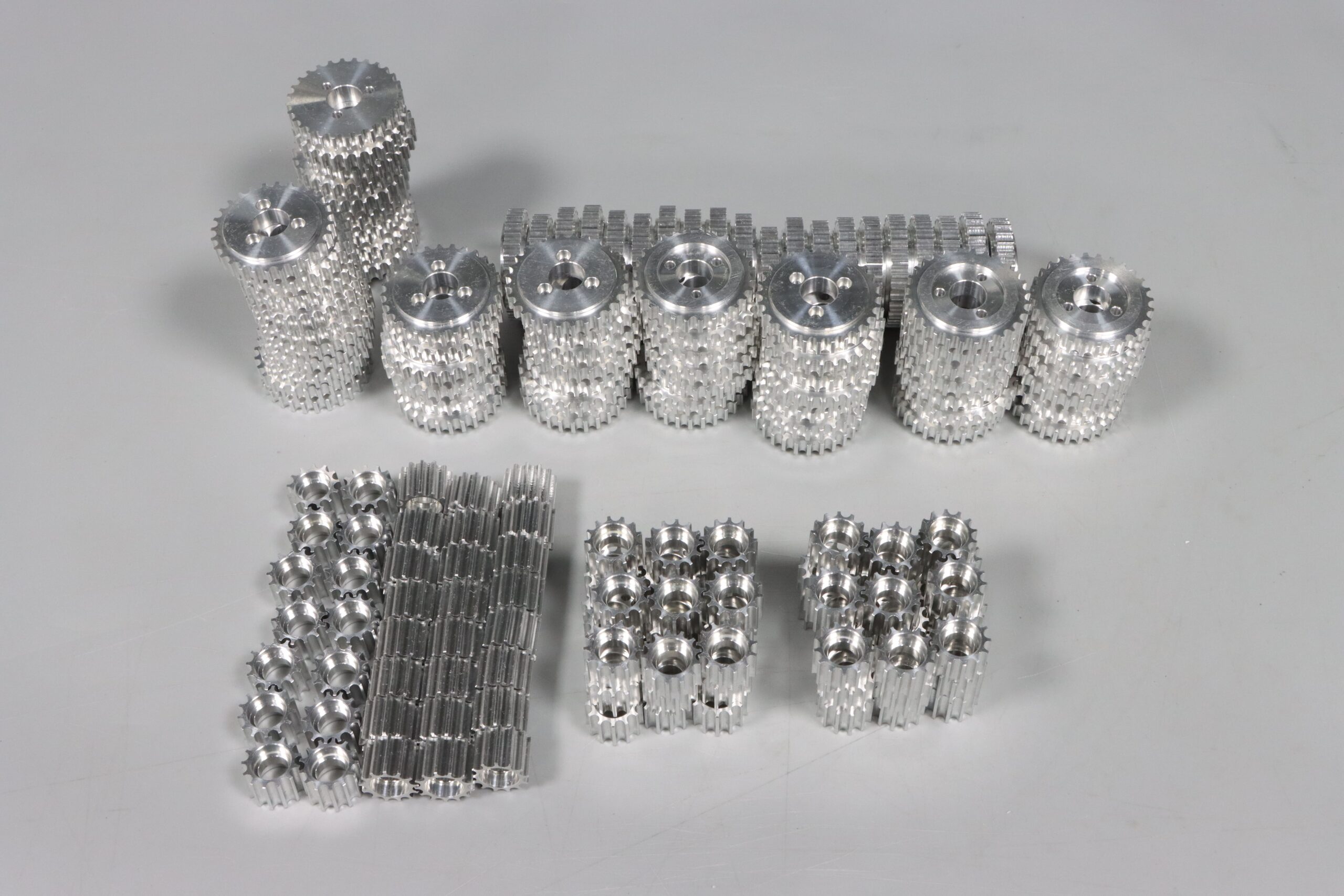
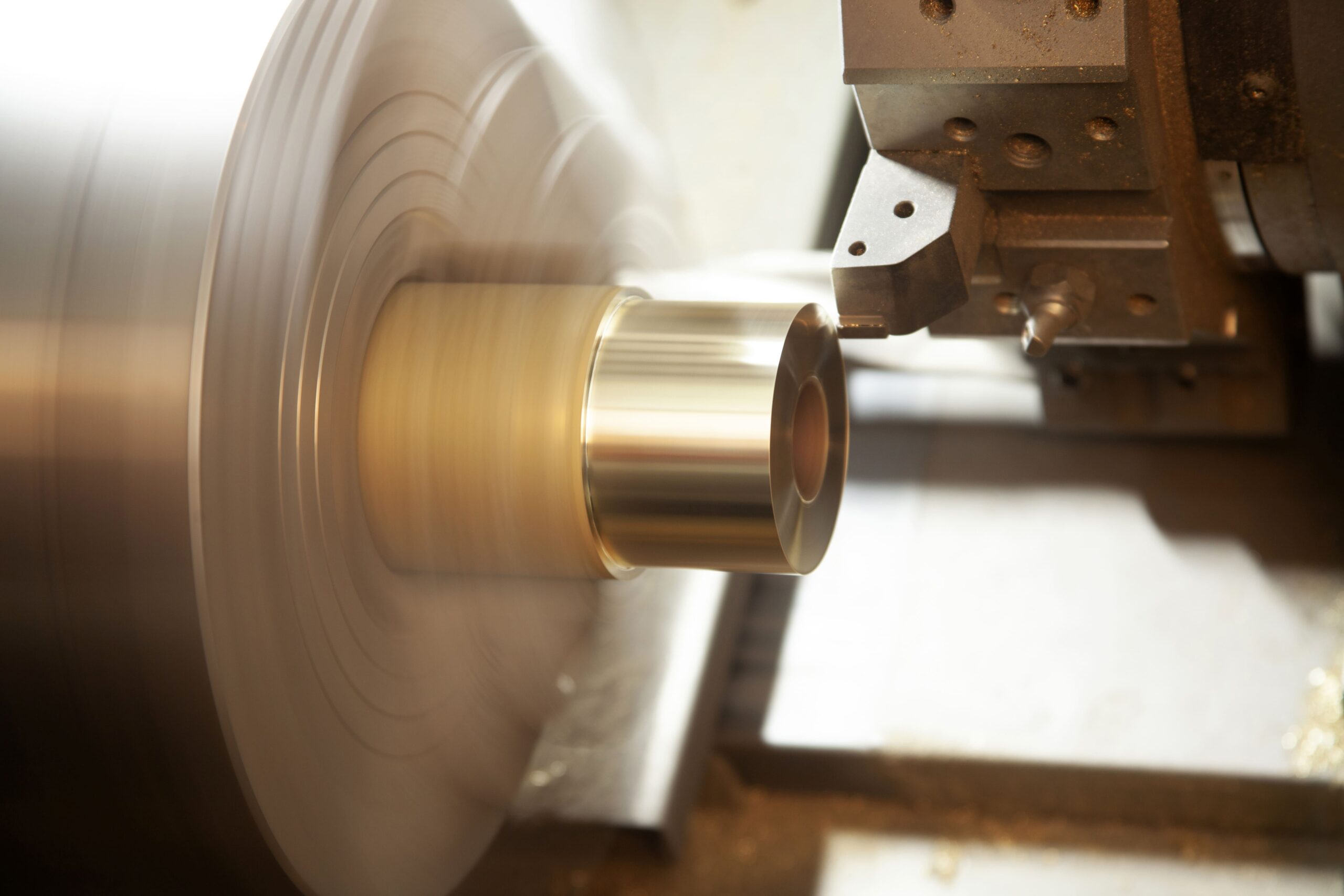
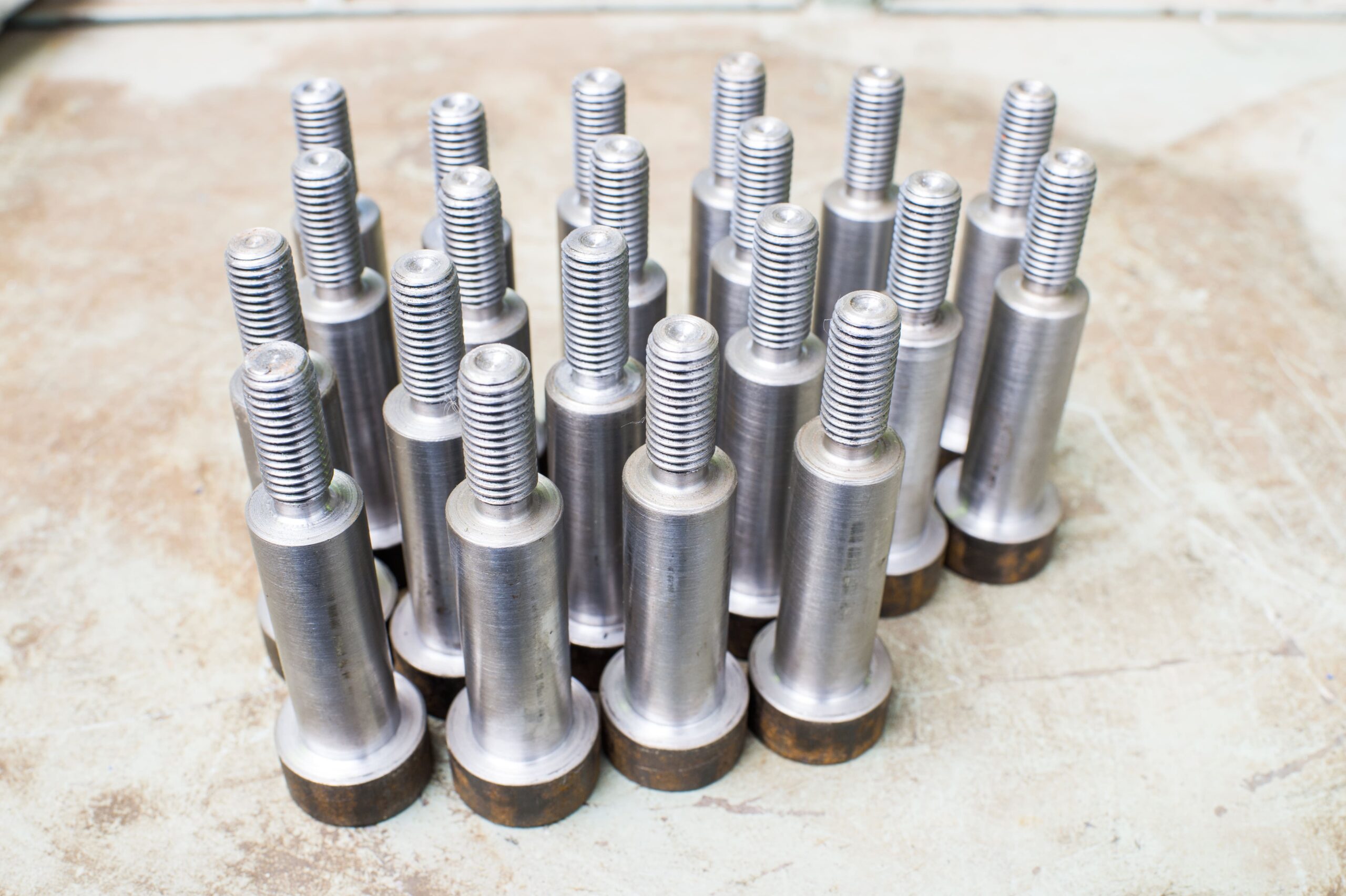
Precision CNC turning with live tooling for cylindrical parts and components requiring both turned and milled features. Ideal for shafts, pins, bushings, sleeves, fittings, connectors, threaded parts, and other custom components in a wide range of metals and plastics.
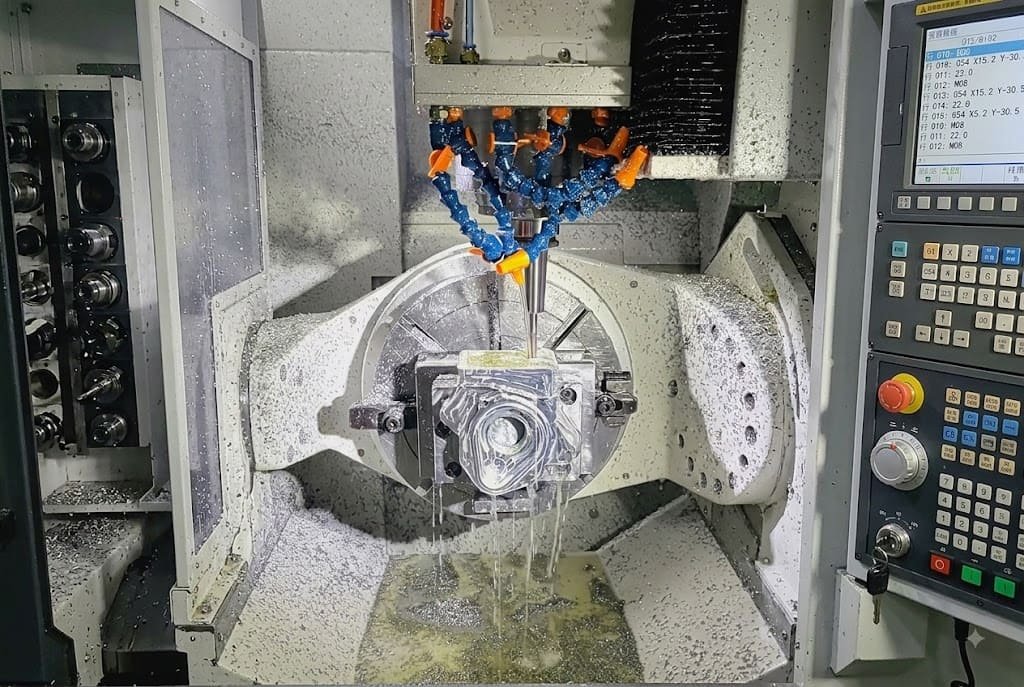
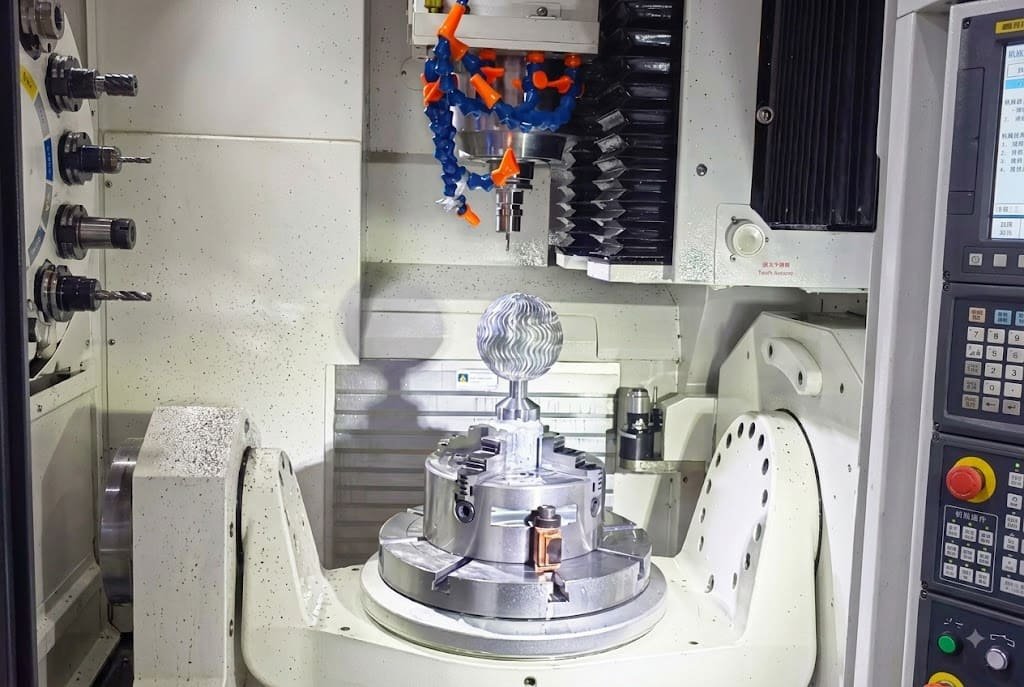
5-Axis CNC Machining

5-Axis CNC Machining Services

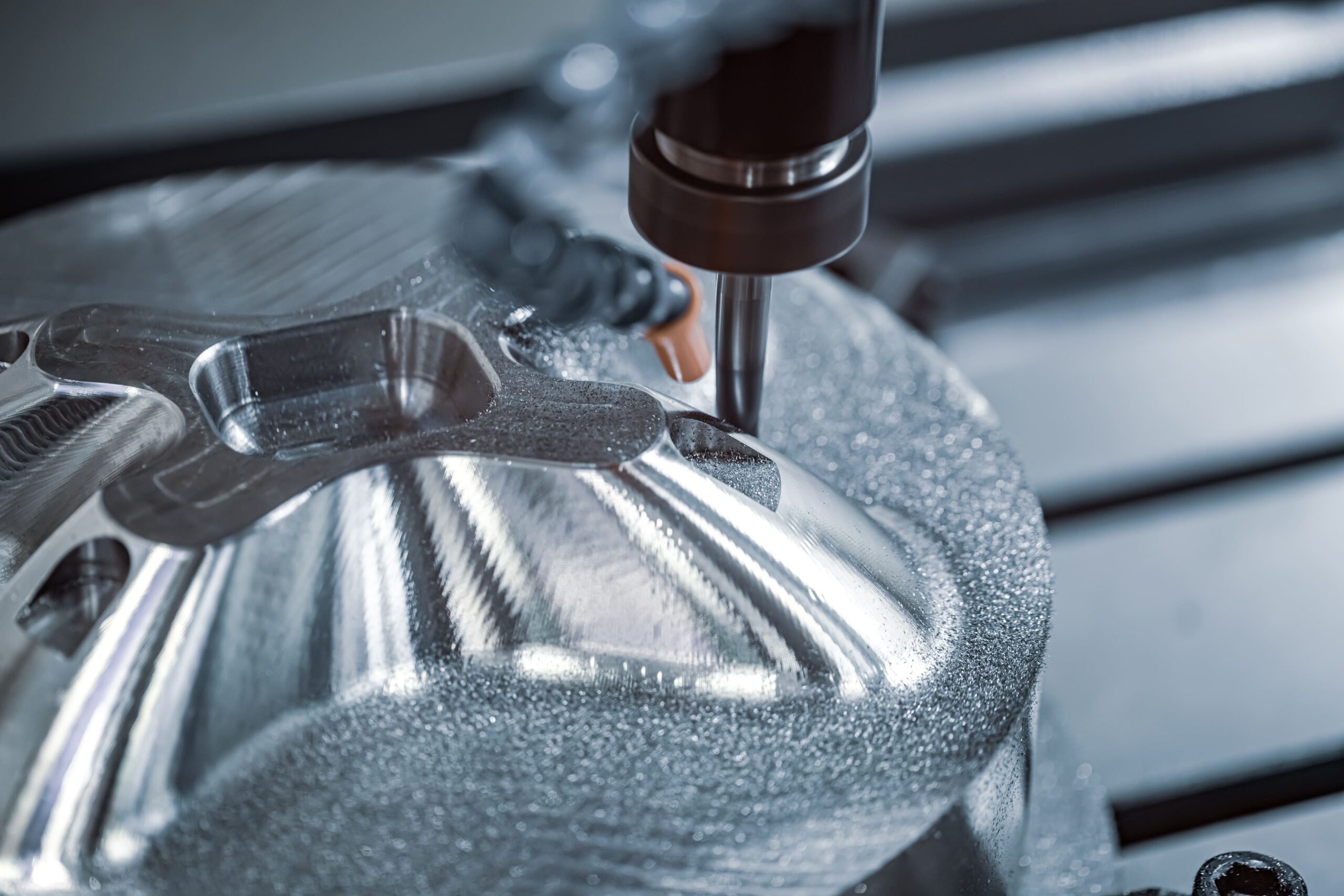
Simultaneous 5-axis CNC machining for parts with highly complex geometries, deep features, intricate contours, and free-form surfaces. Fewer setups improve accuracy, shorten lead times, and enable the efficient production of complex components.
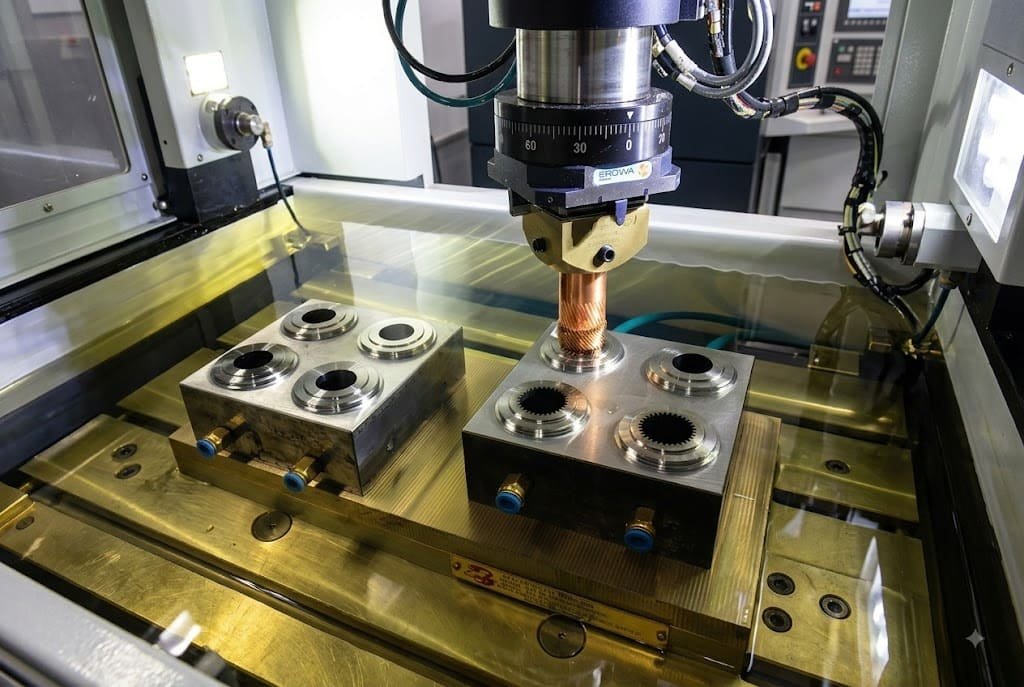
Electrical DischargeMachining Services (EDM)

Electrical Discharge Machining (EDM) Services

Precision wire EDM and sinker EDM for producing intricate features in electrically conductive materials. Ideal for hardened metals, deep cavities, sharp internal corners, narrow slots, keyways, and detailed profiles that are difficult to produce using conventional cutting tools.
High-Volume CNC Machining 2

High-Volume CNC Machining Services

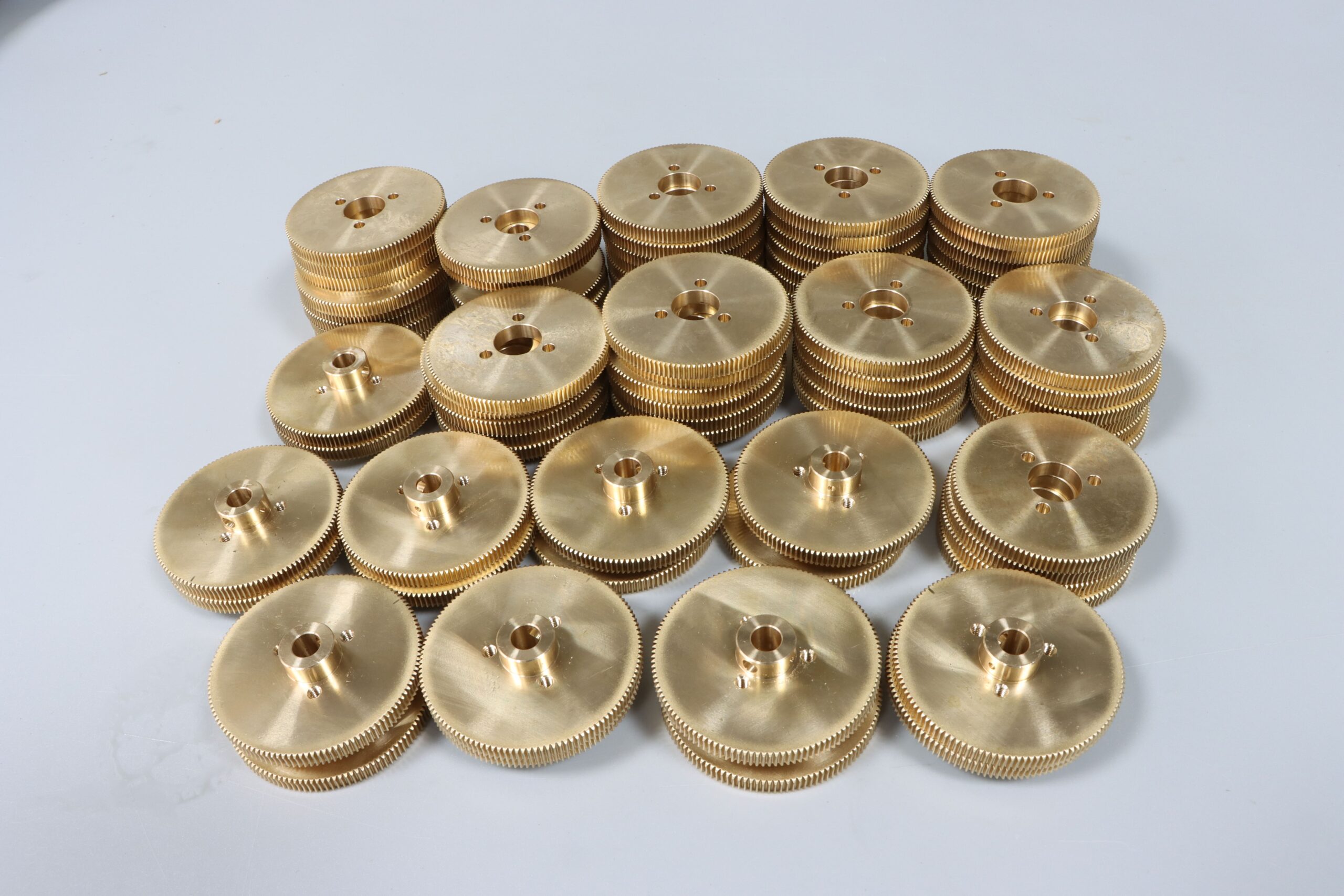
From pilot runs to full-scale production, our 50+ CNC machines, optimized fixtures, and controlled processes support monthly volumes of over 5,000 parts, depending on part size and complexity. We maintain consistent quality, reliable lead times, and batch-to-batch repeatability throughout production.
Large Part CNC Machining factory

Large-Part CNC Machining Services

Our large-travel CNC machining centers produce oversized metal and plastic parts with complex features and demanding specifications. Optimized tooling, stable setups, and rigorous inspection ensure dimensional accuracy and consistent quality for large prototypes, frames, housings, and structural parts.
CNC Machining Materials & Capabilities - TENGHUI
Certified Raw Stock & Engineering Alloys

CNC Machining Materials & Capabilities

TENGHUI machines a complete portfolio of certified metals and engineering plastics for milling, turning, and multi-axis production with full material mill certificates and strict quality traceability.

METALS Lightweight, High Machinability & Strength

Aluminum Machining Capabilities

Lightweight, highly machinable, corrosion-resistant, and cost-effective. Available in structural, high-strength aerospace, and anodizing-friendly grades for both milled housings and precision turned shafts.

Common Grades
6061-T6 6063 7075-T6 2024 5052 5083 6082
Typical Applications

Electronic enclosures, brackets, heat sinks, aerospace structural frames, bushings, shafts, front panels, and custom robotic components.

Available Finishes

Type II color anodizing, Type III hard anodizing, chromate conversion (alodine), bead blasting, powder coating, and laser engraving.

Aluminum CNC Machining Aluminum 6061 / 7075 Precision Parts
Surface Finishes for CNC-Machined Parts

Improve the performance, durability, corrosion resistance, and appearance of your custom CNC-machined parts with our comprehensive surface finishing options. We offer anodizing, plating, powder coating, polishing, bead blasting, laser marking, and other treatments tailored to your material, application, and engineering specifications.

Surface Finish Appearance / Color Key Properties & Benefits Compatible Materials
As-Machined Natural finish with visible tool marks The most economical option with no additional finishing. Typical surface roughness is approximately Ra 1.6–3.2 μm, depending on the material, geometry, and machining process. Aluminum, steel, stainless steel, copper, brass, titanium, and plastics
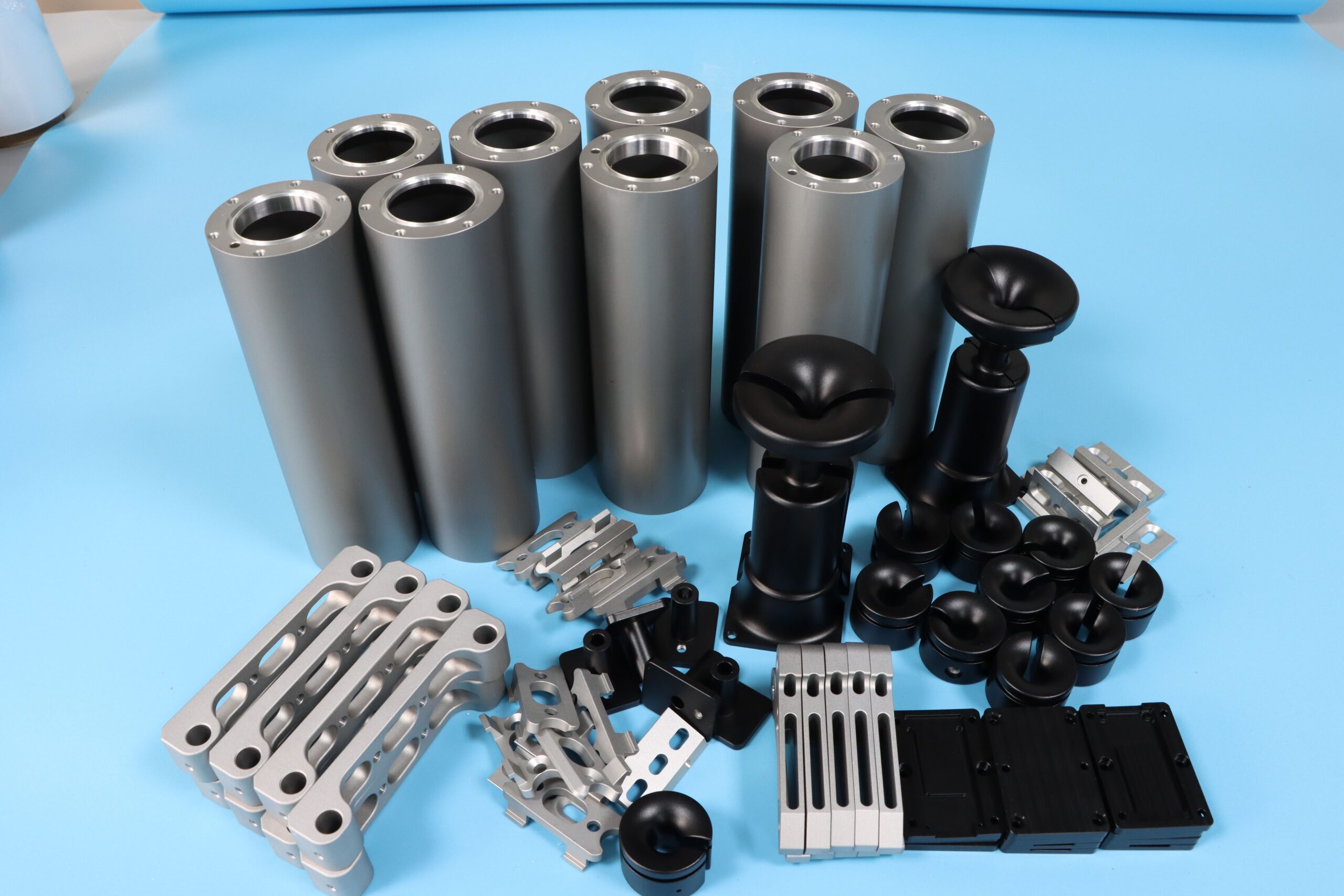
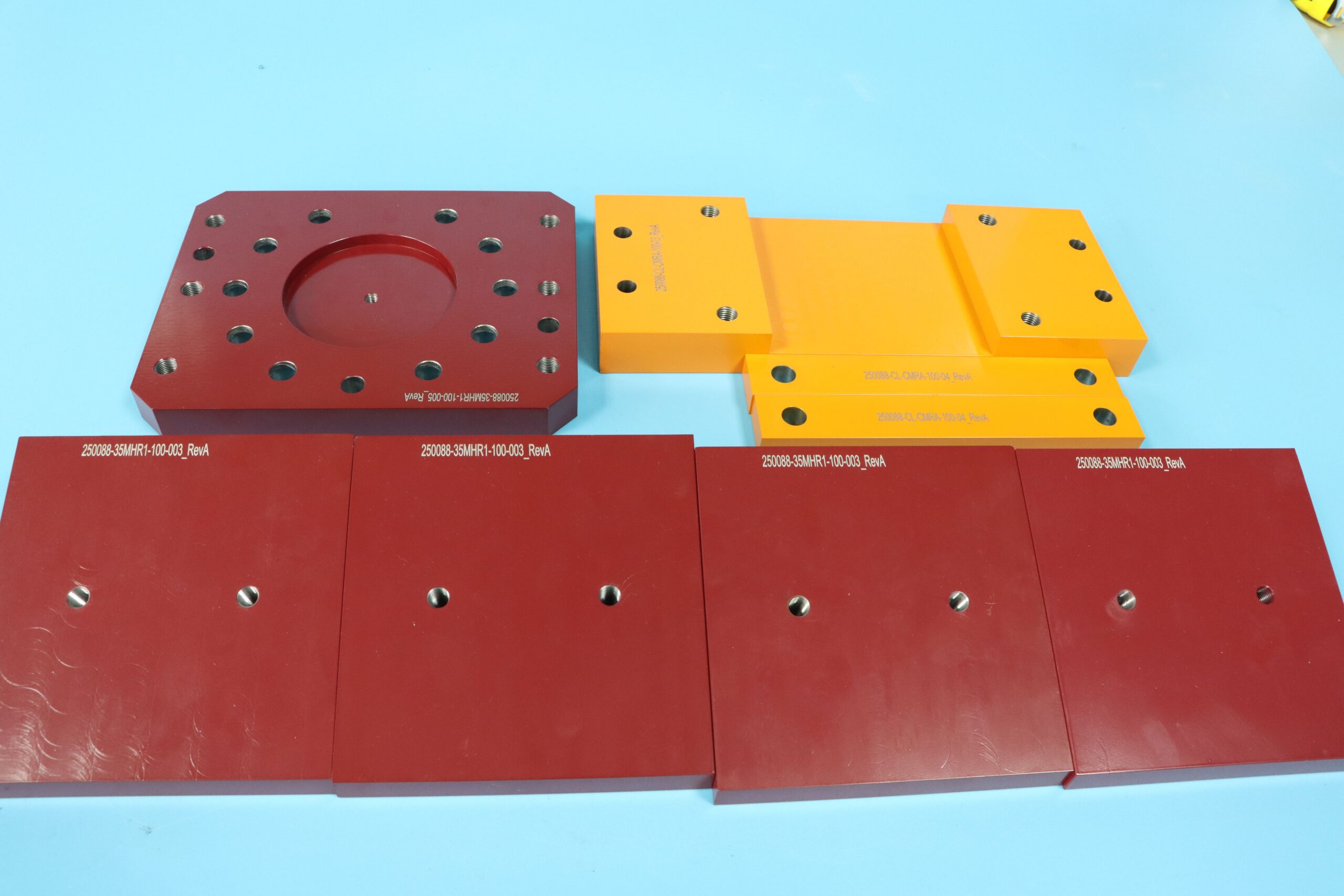
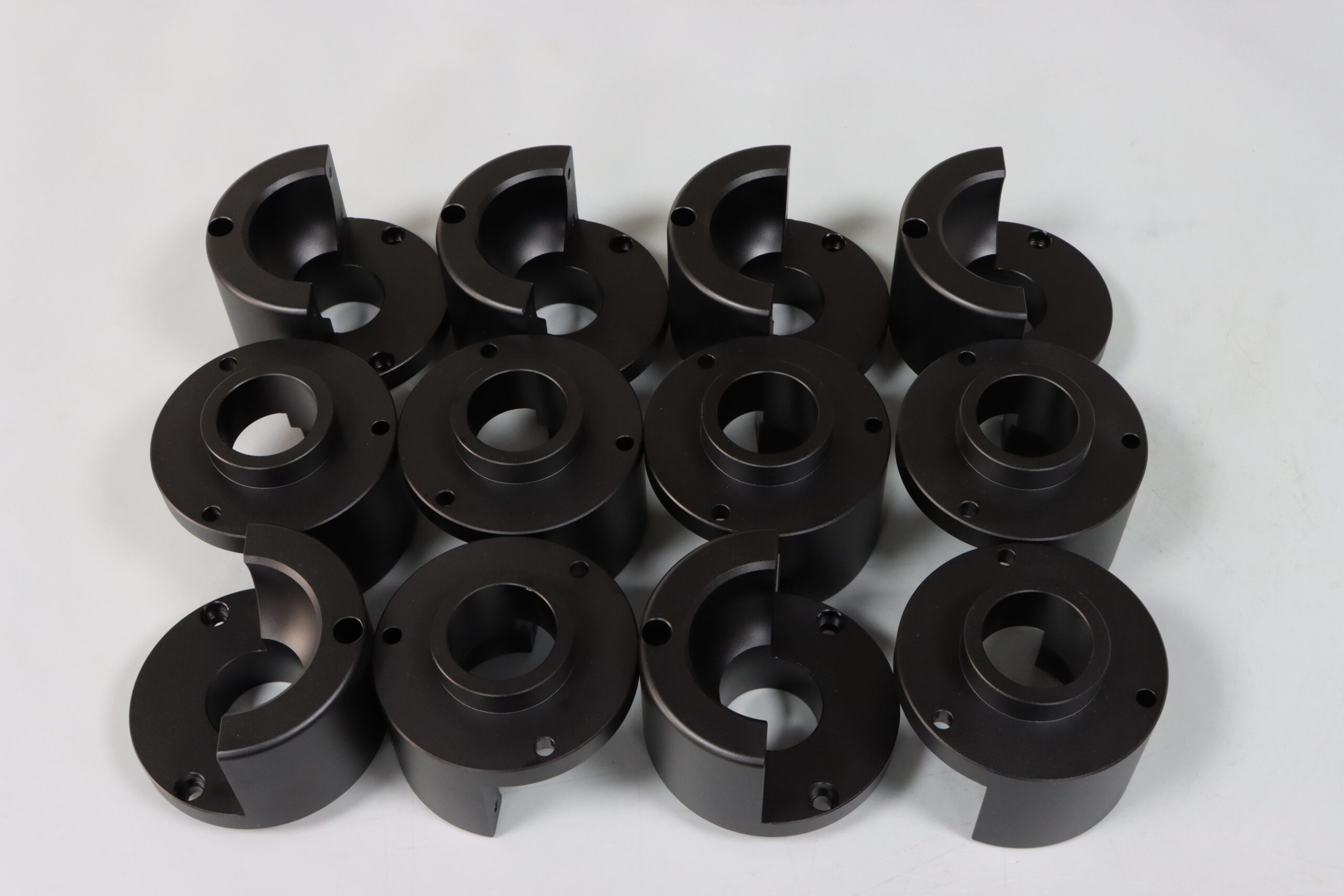
Anodizing (Type II) Clear, black, blue, red, gold, grey, and other colors Creates a protective oxide layer that improves corrosion resistance, wear resistance, and appearance. Color and finish may vary by alloy and surface condition. Aluminum
Hardcoat Anodizing (Type III) Natural grey, dark grey, black, and selected colors Produces a thicker and harder oxide layer for improved surface hardness, abrasion resistance, electrical insulation, and durability. Coating thickness depends on the specification and application. Aluminum
DLC Coating Dark grey to black Provides high surface hardness, low friction, and improved wear resistance while adding minimal coating thickness. Tool steel, stainless steel, titanium, carbide, and selected alloys
Titanium Nitride (TiN) Metallic gold A PVD coating that improves surface hardness, wear resistance, and lubricity, helping extend the service life of tools and mechanical components. Tool steel, stainless steel, carbide, titanium, and selected alloys
Metal Plating Nickel, chrome, zinc, tin, silver, gold, and other metallic finishes Improves corrosion resistance, wear resistance, conductivity, solderability, or appearance, depending on the plating material and process. Steel, stainless steel, copper, brass, and properly pretreated aluminum
Chemical Conversion Coating Clear or yellow/gold iridescent Provides corrosion protection while helping retain surface conductivity. It can also serve as a suitable base for painting or powder coating. Aluminum
PTFE-Based Coating Black, grey, green, or other formulation-dependent colors Provides low friction, non-stick performance, chemical resistance, and improved wear characteristics. Performance depends on the coating system and operating conditions. Aluminum, steel, stainless steel, and selected alloys
Case Hardening Minimal change or heat-treatment discoloration Hardens the surface while retaining a tougher core, improving wear resistance and fatigue performance. Available processes depend on the steel grade and part requirements. Selected carbon steels, alloy steels, and tool steels
Heat Treatment Appearance varies by process Modifies mechanical properties such as hardness, strength, toughness, and dimensional stability. Results depend on the material and specified heat-treatment cycle. Carbon steel, alloy steel, tool steel, stainless steel, and selected aluminum alloys
Passivation Minimal change to the original appearance Removes free iron and surface contaminants, helping restore or improve the corrosion resistance of stainless steel. Stainless steel
Powder Coating Matte, satin, gloss, textured, and custom colors Provides a durable decorative and protective coating with good resistance to corrosion, abrasion, scratching, and chipping. Aluminum, steel, stainless steel, and other suitable heat-resistant metals
Industrial Painting Matte, satin, gloss, and custom colors Provides decorative color and additional environmental or corrosion protection. Performance depends on surface preparation, primer, paint system, and operating conditions. Metals and selected plastics
Bead Blasting Uniform matte or satin texture Removes minor machining marks and creates a consistent, non-reflective surface. It is commonly used before anodizing or other finishing processes. Aluminum, stainless steel, titanium, brass, and selected plastics
Polishing Smooth, bright, or mirror-like finish Reduces surface roughness and improves appearance, cleanability, and, in some applications, corrosion resistance. Aluminum, stainless steel, brass, copper, titanium, and selected plastics
Brushing Directional satin finish Creates a uniform linear texture that improves appearance and helps conceal minor surface marks. Aluminum, stainless steel, brass, and copper
Black Oxide Matte or satin black Produces a thin conversion layer that improves appearance and provides mild corrosion resistance when combined with oil or sealant. Carbon steel, alloy steel, tool steel, and selected stainless steels
Zinc Plating Clear, blue, yellow, black, or olive drab Provides economical sacrificial corrosion protection for steel components. Additional chromate conversion coatings can improve corrosion resistance. Carbon steel and alloy steel
Electropolishing Smooth, bright, and clean metallic finish Removes a controlled amount of surface material to improve smoothness, cleanability, corrosion resistance, and edge quality. Stainless steel and selected conductive metals
Laser Marking Permanent text, logos, serial numbers, or codes Creates durable identification and traceability marks with minimal effect on part dimensions. Marking appearance depends on the material and finish. Most metals and selected plastics

Case Applications of CNC Machined Parts

FAQ About CNC Machining

1. What is CNC machining and how does it work?

CNC machining is a subtractive manufacturing process that uses computer-controlled cutting tools to remove material from solid blocks, bars, plates, or tubes. It produces custom metal and plastic parts with tight tolerances and fine surface finishes strictly according to 3D CAD models and 2D technical drawings.

2. What CNC machining services does TENGHUI provide?

TENGHUI provides a full spectrum of precision machining processes, including CNC Milling, CNC Turning, 5-Axis CNC Machining, EDM Services, deep drilling, and Precision Grinding. Our fleet of 50+ CNC machines supports rapid prototypes, pilot batches, and repeat high-volume production.

3. What materials can you CNC machine?

We machine certified aerospace and commercial grade metals and plastics:

Metals & Alloys: Aluminum (6061, 7075, etc.), Stainless Steel (304, 316L, 17-4PH), Carbon & Alloy Steel (4140, 1045), Tool Steel (D2, H13, P20), Titanium (Grade 5, Grade 2), and Copper & Brass (C110, C360).

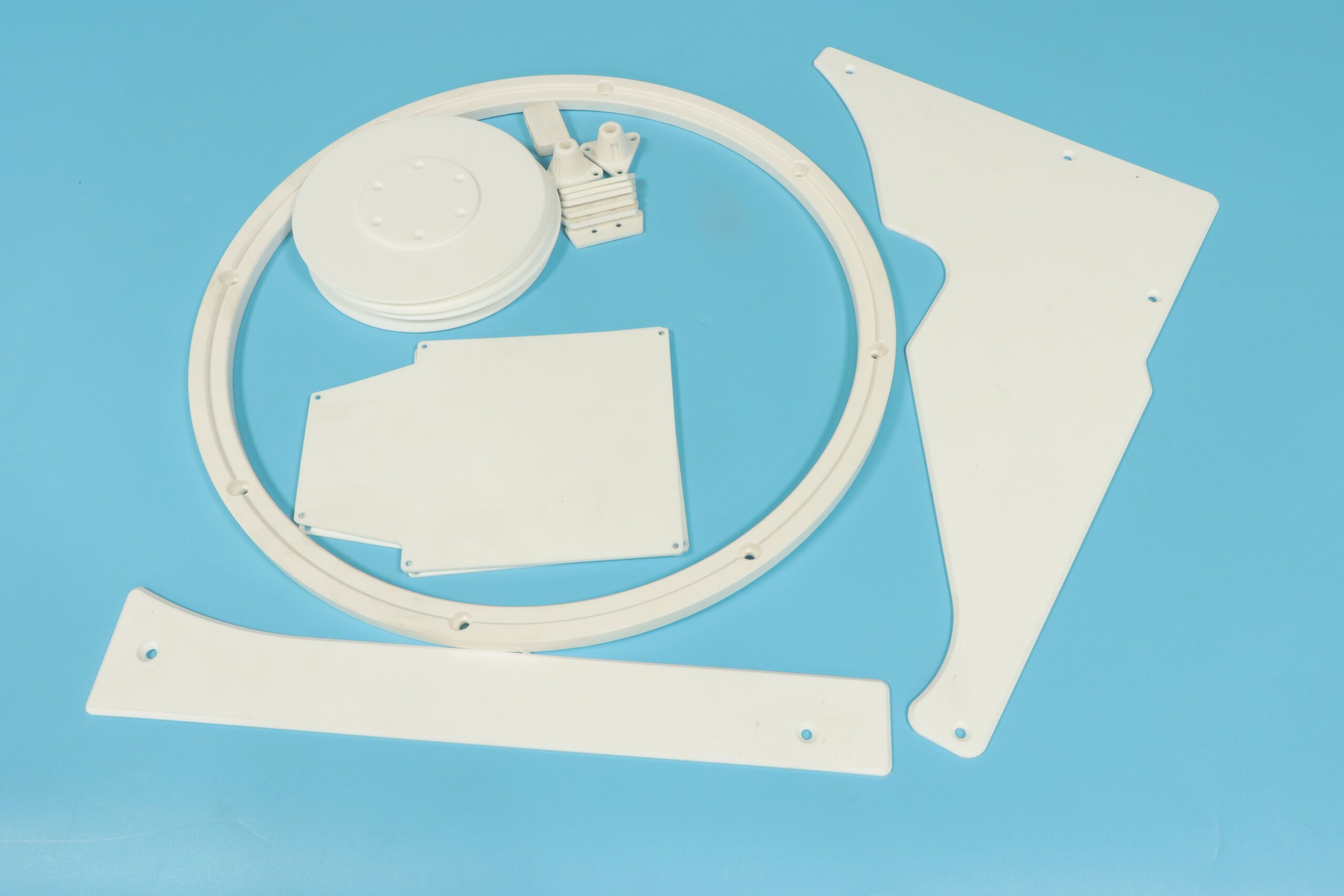
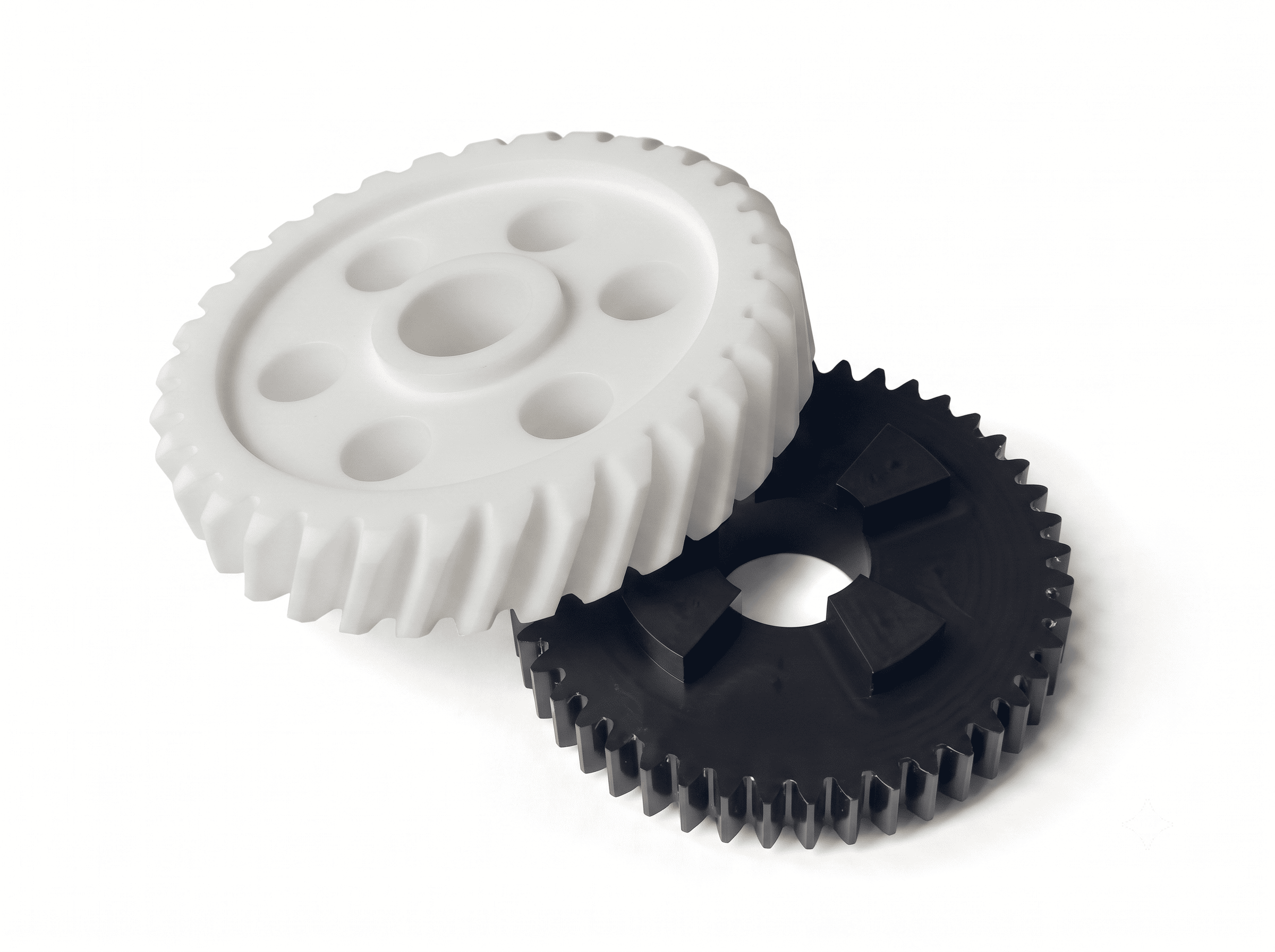
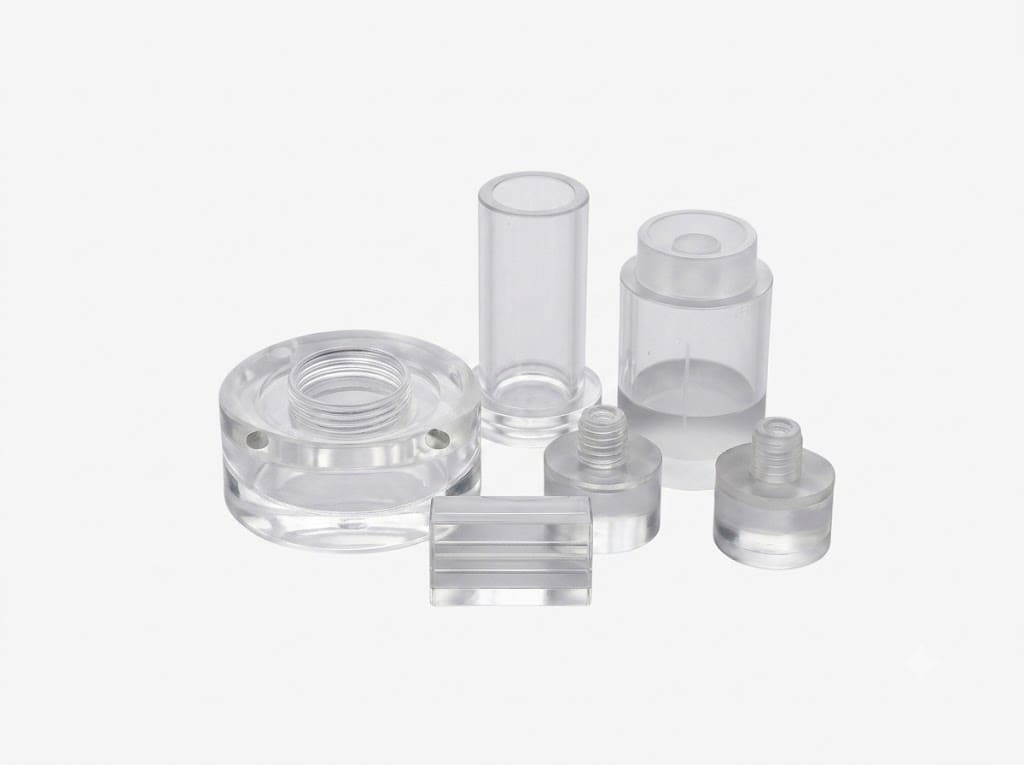
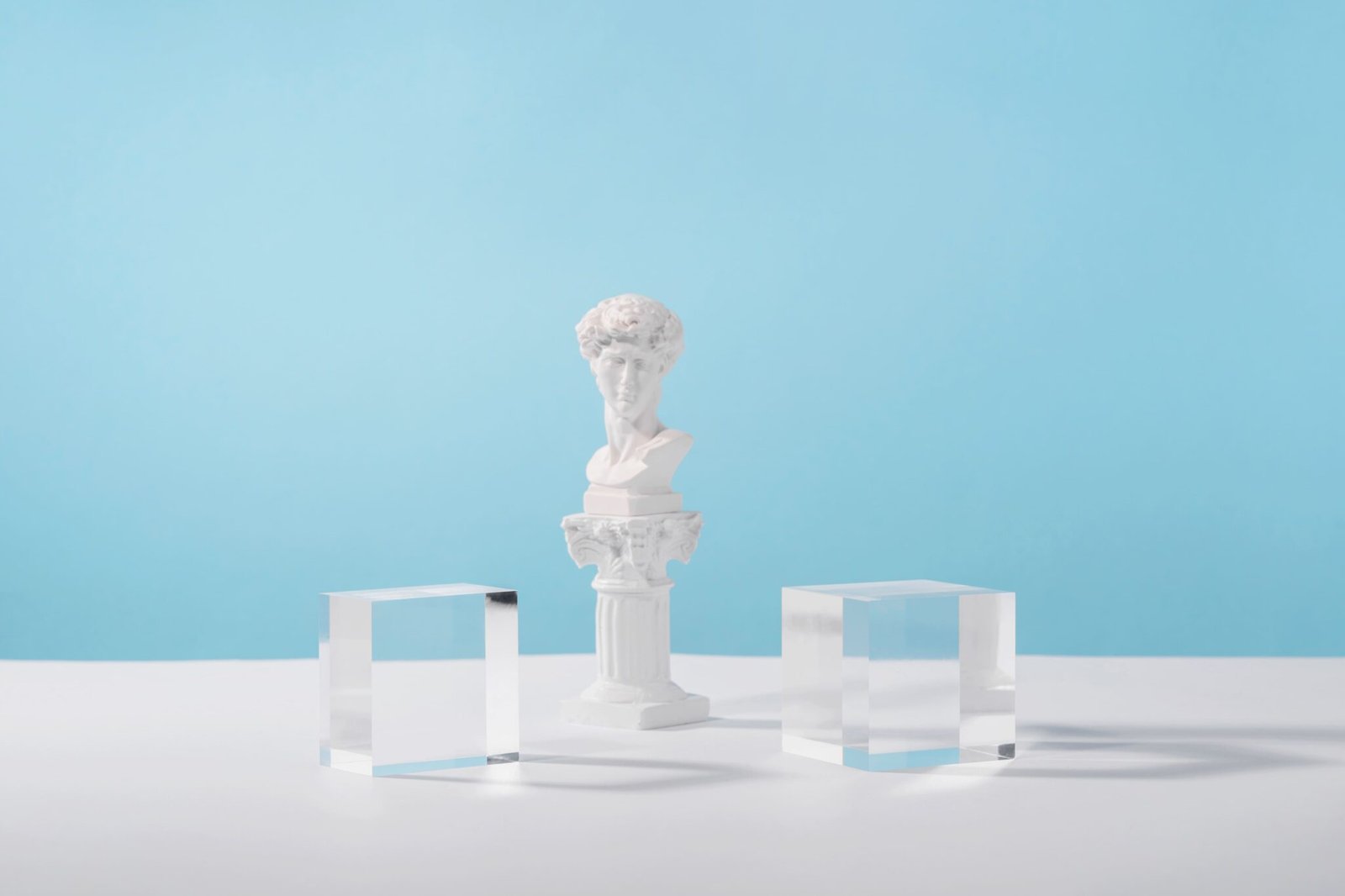
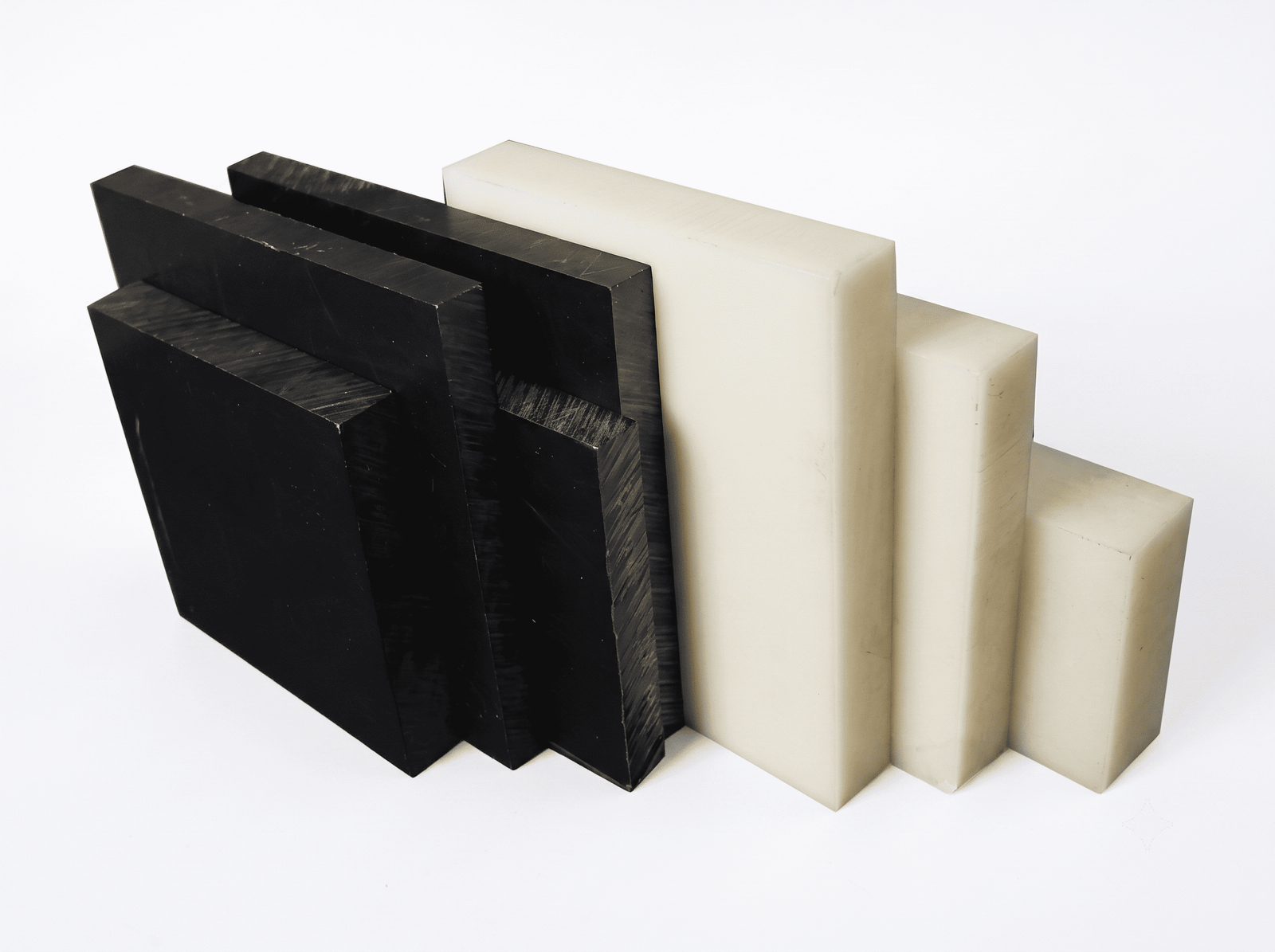
Engineering Plastics: ABS, POM (Delrin), PA (Nylon), PEEK, PP, HDPE, PC (Polycarbonate), and PMMA (Acrylic). Other specialized raw materials are available upon request.

4. What files and information do you need for a quotation?

Please provide your 3D CAD files (STEP, STP, or IGES preferred) and fully dimensioned 2D drawings (PDF format). Be sure to specify the material grade, order quantities, surface finishes, critical tolerances, and any inspection or certification requirements.

5. Do you provide design for manufacturability (DFM) analysis?

Yes. Our engineering team conducts a thorough DFM review on every project, evaluating part geometry, critical tolerances, tool accessibility, raw stock availability, surface finishes, and potential machining risks. We provide practical engineering suggestions to optimize machinability, shorten cycle times, and lower unit costs.

6. What CNC machining tolerances can you achieve?

Our standard machining tolerance is typically ±0.05 mm. Precision tolerances down to ±0.01 mm can be consistently achieved for selected critical features after engineering review, depending on material stability, geometry, overall size, and inspection method.

7. How can I reduce CNC machining costs?

Machining costs can be substantially reduced by:

  • Applying tight tolerances only to functional and mating interfaces
  • Increasing internal corner radii to allow standard, rigid endmills
  • Avoiding unnecessarily deep cavities and thin vertical walls
  • Designing standard tapped holes and thread sizes
  • Selecting readily available standard bar stock and plate thicknesses
  • Simplifying non-functional cosmetic freeform contours
8. What quantities can TENGHUI support?

We support one-off functional prototypes, pilot runs, and high-volume contract production. For suitable components, our 50+ machine fleet, automatic bar feeders, and multi-part workholding systems can comfortably support monthly production volumes exceeding 5,000 pieces.

9. What is your typical lead time for CNC-machined parts?

Lead times typically range from 3 to 7 business days for rapid prototypes, and 2 to 4 weeks for volume production, depending on part complexity, total order quantity, raw material availability, post-finishing processes, and CMM inspection requirements. A guaranteed schedule is confirmed with each quotation.

10. What surface finishes do you provide?

Through our comprehensive Surface Finishing Services, we provide Type II color anodizing, Type III hardcoat anodizing, electroplating, chemical passivation, powder coating, PU painting, bead blasting, mirror polishing, brushing, heat treatment, and precision laser marking tailored to your material and operating environment.

11. How do you ensure the quality of CNC-machined parts?

We execute multi-tier quality control across four stages: Incoming Raw Material Verification, First-Article Inspection (FAI), In-Process Real-Time Checks, and Final Metrology Inspection. Our facility is equipped with micrometers, thread gauges, height gauges, optical projectors, surface roughness testers, and calibrated Coordinate Measuring Machines (CMMs).

12. Can you provide material certificates and inspection reports?

Yes. Raw material mill certificates, dimensional inspection reports, full CMM reports, and surface-treatment certificates can be provided upon request. Please specify all compliance and documentation requirements prior to order placement so they are documented in the manufacturing plan.

Send us a message

If you have any questions or would like to book a session please contact us.

Send Us a Message

Once we receive your design files, our senior manufacturing engineers will manually perform a comprehensive DFM review and deliver an accurate, optimized quote within 24 hours.