Precision steel component manufacturing covering Mild Steel, Medium Carbon Steel, and High-Strength Alloy Steels. Leveraging CNC Machining, Sheet Metal Bending, and Custom Heat Treatments (Quenching, Carburizing) with tolerances down to ±0.01 mm.
✅ All Design Uploads Are Secure & Confidential
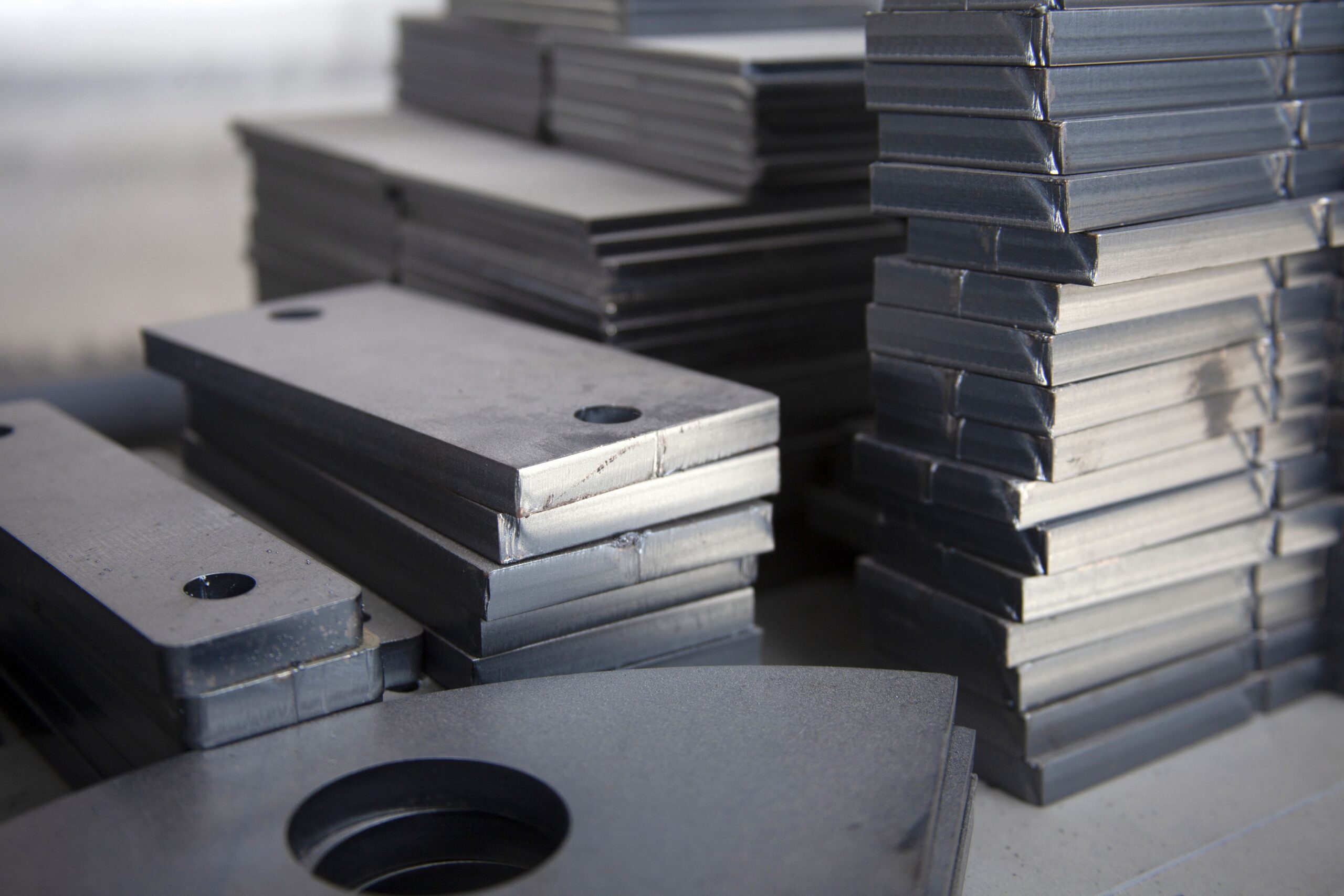
Select the optimal steel alloy tailored to your structural strength requirements, heat treatment specs, and machining budget.
| Alloy Grade | Primary Process | Key Characteristics & Advantages | Typical Applications |
|---|---|---|---|
|
Steel 1018 / A36 / Q235
Mild / Low Carbon Steel
|
CNC Machining Sheet Metal | Most popular economical low-carbon steel. Offers excellent weldability, superior cold formability, and easy machining for low-stress structural parts. | Structural frames, mounting brackets, sheet metal enclosures, weldments. |
|
Steel 1045 (C45)
Medium Carbon Steel
|
CNC Machining | Medium carbon steel balancing high strength, toughness, and fair machinability. Can be flame or induction hardened to increase surface wear resistance. | Drive shafts, gears, axle pins, bolts, hydraulic cylinders, keyways. |
|
Alloy Steel 4140 (42CrMo)
High-Tensile Chromium-Moly
|
CNC Machining | Chromium-molybdenum alloy steel providing high tensile strength, extreme fatigue resistance, and deep hardenability through heat treatment. | High-stress transmission shafts, connecting rods, heavy-duty gears, valve bodies. |
|
Alloy Steel 8620
Case-Hardening Alloy
|
CNC Machining | Triple-alloy steel (Ni-Cr-Mo) engineered specifically for carburizing. Develops an ultra-hard wear-resistant outer case while retaining a tough, flexible core. | Automotive gears, crankshafts, piston pins, ring gears, heavy bushings. |
|
Tool Steel D2 / A2
High Carbon Cold-Work Steel
|
Precision CNC Milling | Air-hardening tool steel featuring exceptionally high wear resistance, dimensional stability during heat treatment, and extreme hardness (up to 58-62 HRC). | Stamping dies, shear blades, cold-forming tools, high-wear fixtures. |
Compare tensile strength, yield strength, and hardness values across representative carbon and alloy steel grades.
| Property | Steel 1018 (Mild Steel) |
Steel 1045 (Medium Carbon) |
Alloy 4140 (High Strength) |
Tool Steel D2 (Die Steel) |
|---|---|---|---|---|
| Tensile Strength | 440 MPa | 570–620 MPa | 950–1100 MPa | 1700–2000 MPa |
| Yield Strength | 370 MPa | 310–450 MPa | 650–900 MPa | 1500–1650 MPa |
| Hardness (Brinell / HRC) | 126 HB | 170–210 HB | 280–320 HB (or 28-34 HRC) | 58–62 HRC (Hardened) |
| Density | 7.87 g/cm³ | 7.85 g/cm³ | 7.85 g/cm³ | 7.70 g/cm³ |
| Machinability Rating | Good (78%) | Fair (55–65%) | Fair (65% Annealed) | Fair (Post-EDM / Grinding) |
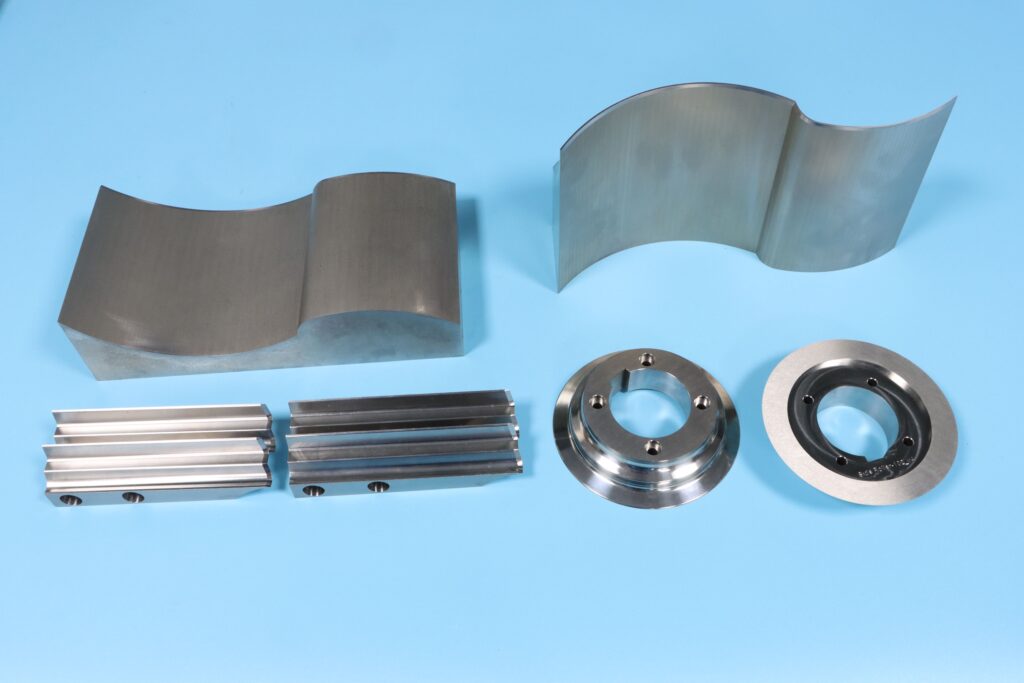
Enhance wear resistance, fatigue life, surface hardness, and rust prevention through specialized heat treatments and protective coatings.
Carbon and alloy steels deliver the best balance of mechanical strength, hardness, and cost-efficiency.
Choose Mild Steel 1018 for low-cost structural brackets, welded frames, and general sheet metal parts requiring easy welding and ductility. Choose Alloy Steel 4140 if your component faces high fatigue stress, heavy torque, or requires heat treatment to achieve high surface hardness.
Raw carbon steel rusts quickly in air. We apply rust-preventative oil for short-term transit. For permanent outdoor or industrial protection, we offer Black Oxide, Clear/Yellow Zinc Plating, Nitriding, or Powder Coating.
Yes. For parts requiring extreme hardness (e.g., 50–62 HRC), we perform rough CNC machining first, send parts for vacuum heat treatment/carburizing, and then finish with precision surface grinding or hard-milling to achieve tight tolerances down to ±0.005 mm.
Carburizing diffuses carbon into low-carbon alloy steels (like 8620) to create a high-hardness outer case (resistant to surface wear) while keeping the inner core tough and ductile (resistant to impact breakage under shock load).
Please upload 3D CAD models in STEP (.stp / .step) or IGES (.igs) format. If your design includes thread callouts, specific heat treatment hardness (e.g., HRC 28-32), or plating thickness requirements, please attach a 2D drawing in PDF or DWG format.
Once we receive your design files, our senior manufacturing engineers will manually perform a comprehensive DFM review and deliver an accurate, optimized quote within 24 hours.