Turn your individual sheet metal components into a complete enclosure, chassis, cabinet, box, frame, or mechanical assembly. TENGHUI coordinates laser cutting, forming, welding, PEM hardware insertion, surface finishing, and final integration according to your drawings and bill of materials (BOM).
You receive turnkey finished assemblies with mating components, installed hardware, critical interface dimensions, and Class-A cosmetic surfaces verified before delivery. Services are fully scalable for one-off prototypes, low-volume projects, and serial production orders.
Submit your 2D assembly prints, 3D CAD models, and Bill of Materials (BOM) for complete quotation.
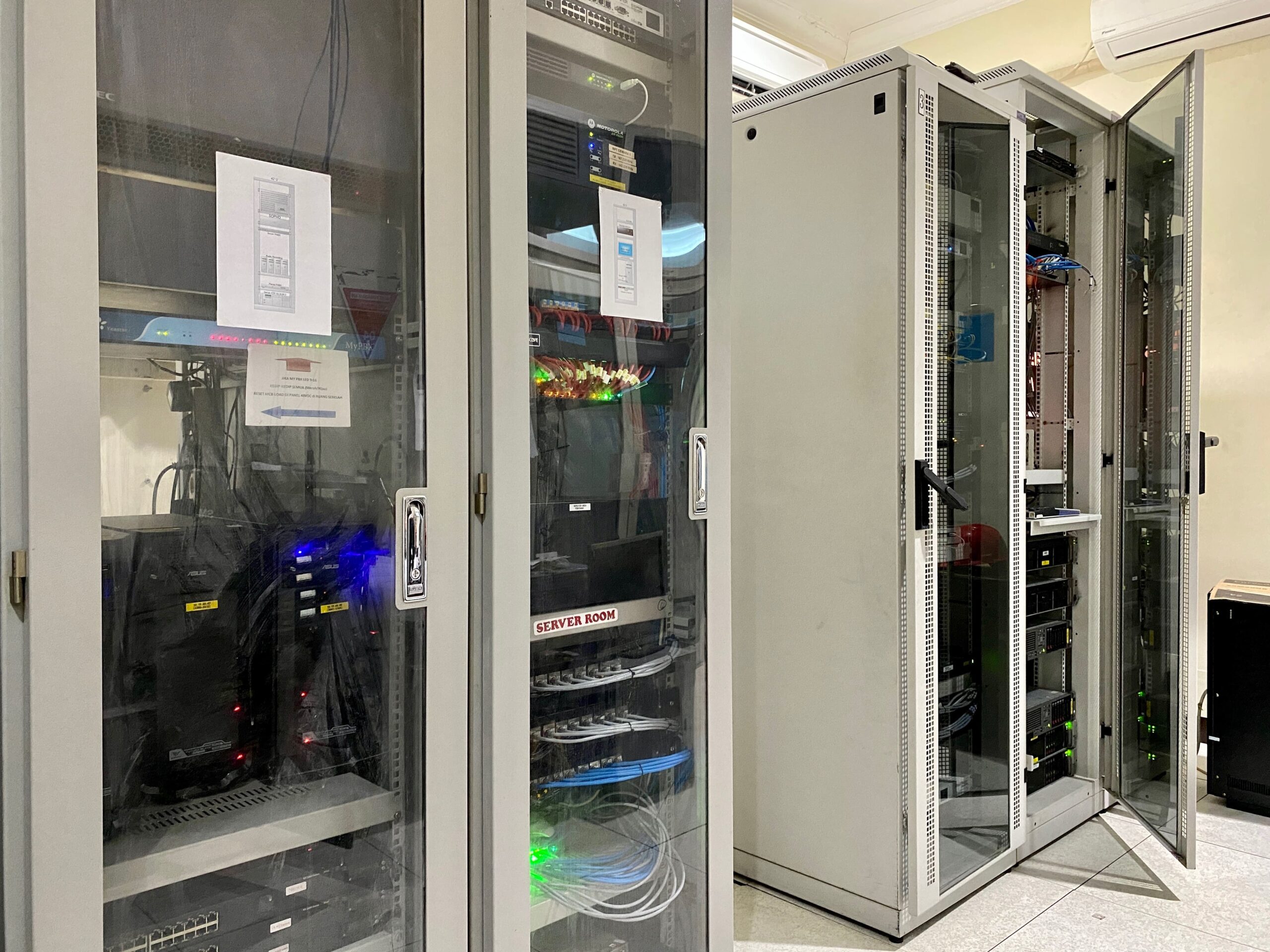
From rugged floor-standing industrial cabinets to precision desktop electronic boxes, we deliver fully finished sheet metal housings with integrated hardware and custom finishes.
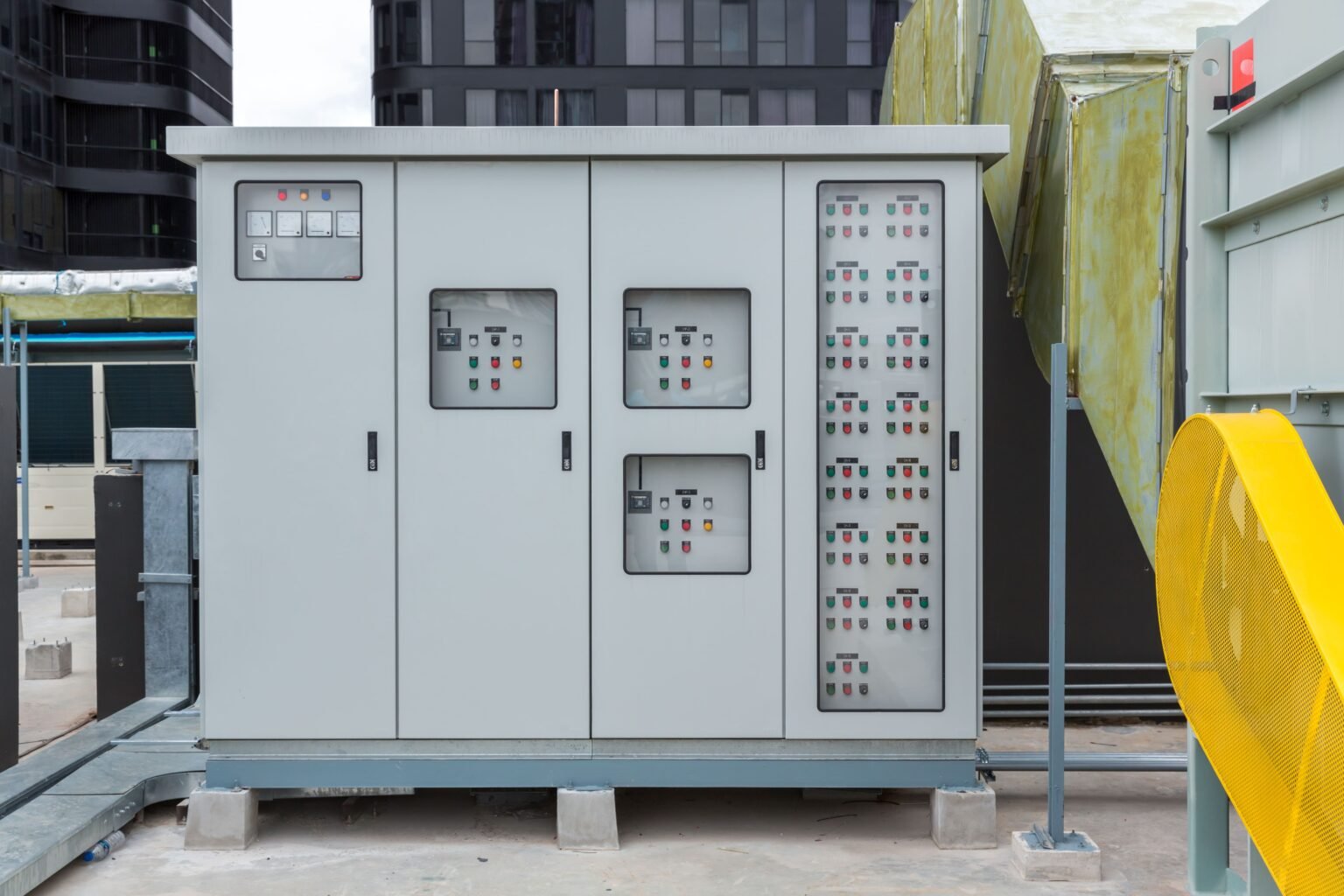
Heavy-duty enclosures specifically built for industrial automation, manufacturing plant machinery, robotics, and machine control applications, offering excellent structural stability.
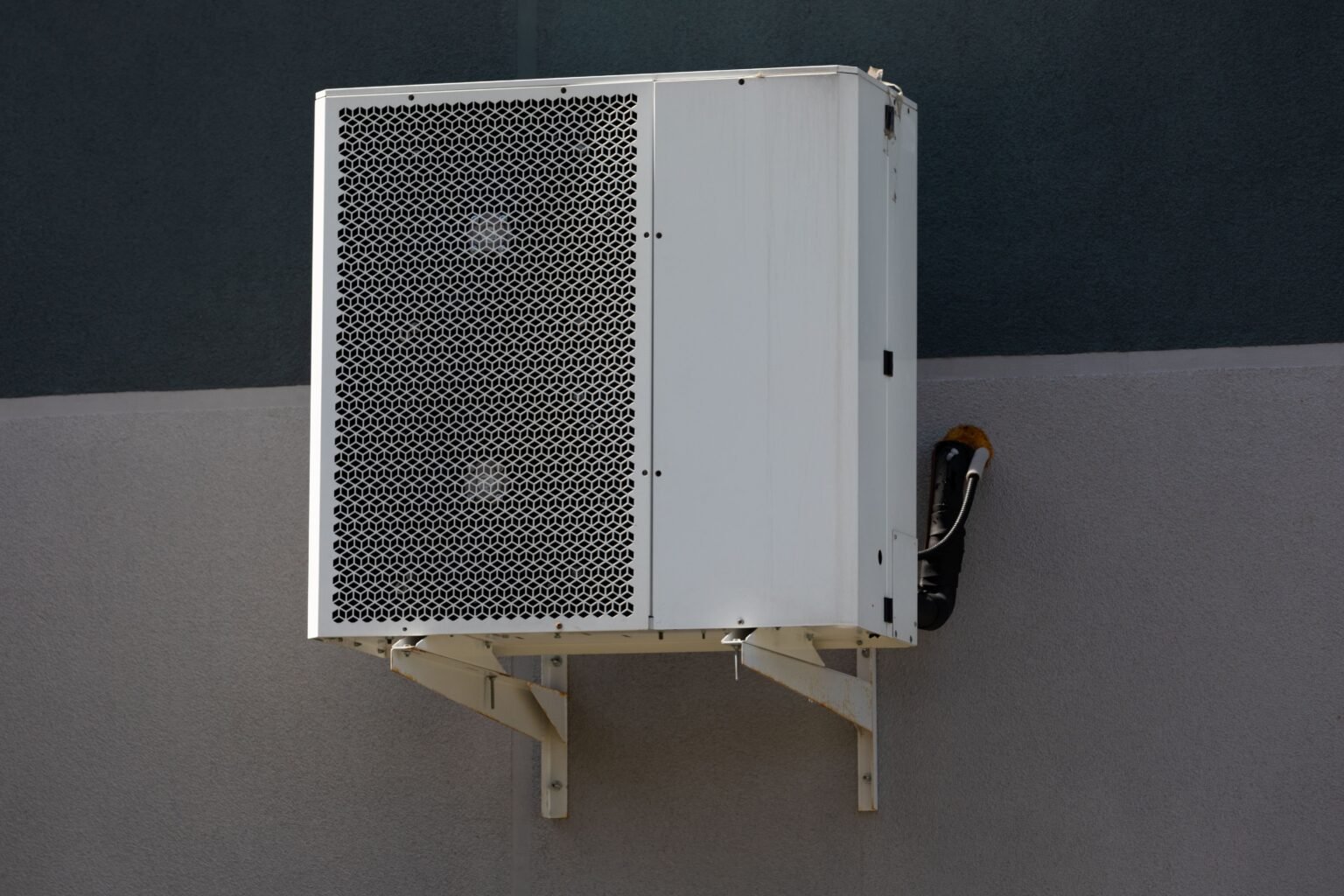
Weatherproof and dustproof enclosures manufactured to meet NEMA / IP standards. Protects sensitive internal components from dust, water, oil, and harsh environmental corrosion.
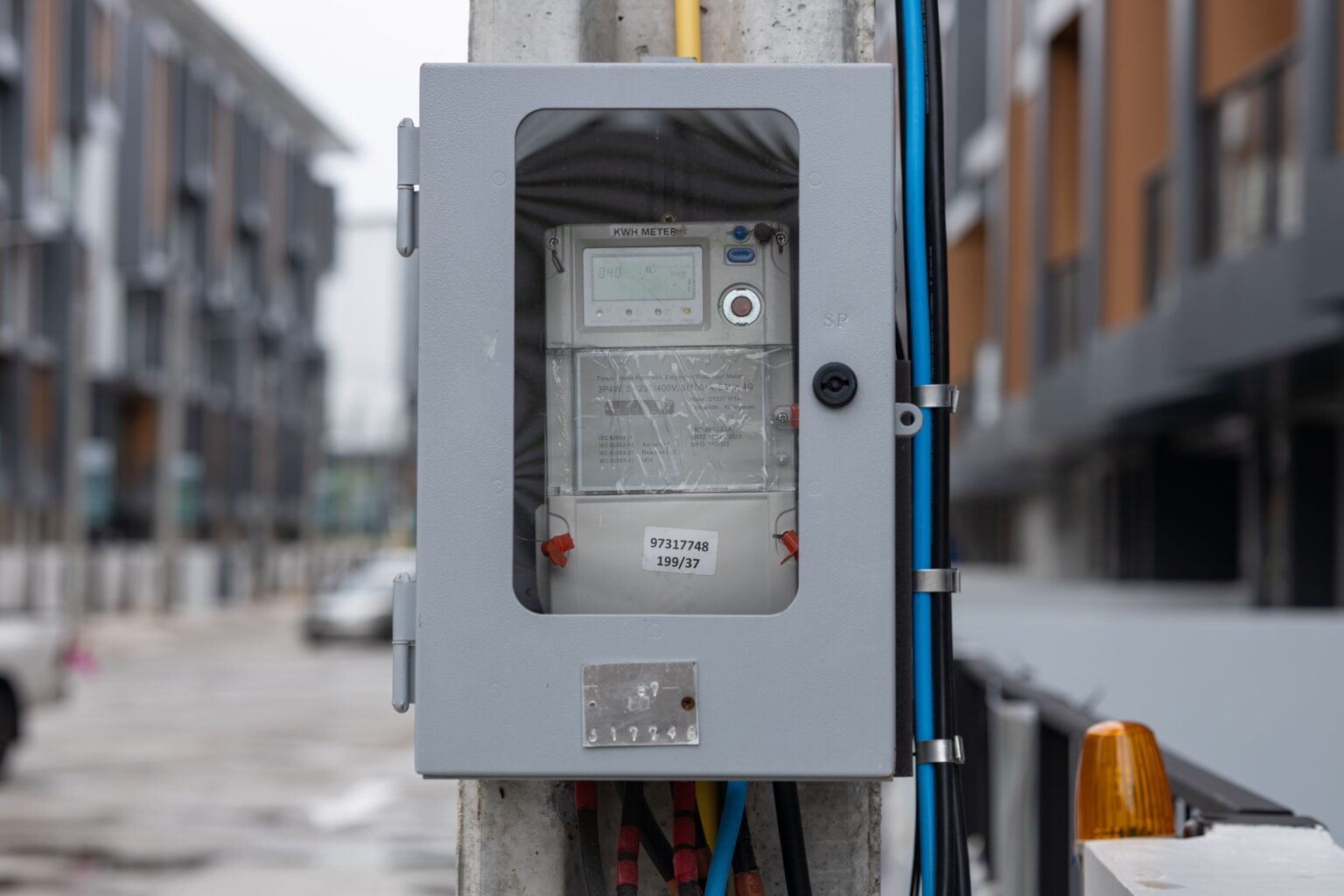
Custom-engineered electrical cabinets and control boxes designed for power distribution systems and industrial wiring protection. Built with precise cable entries and mounting pans.
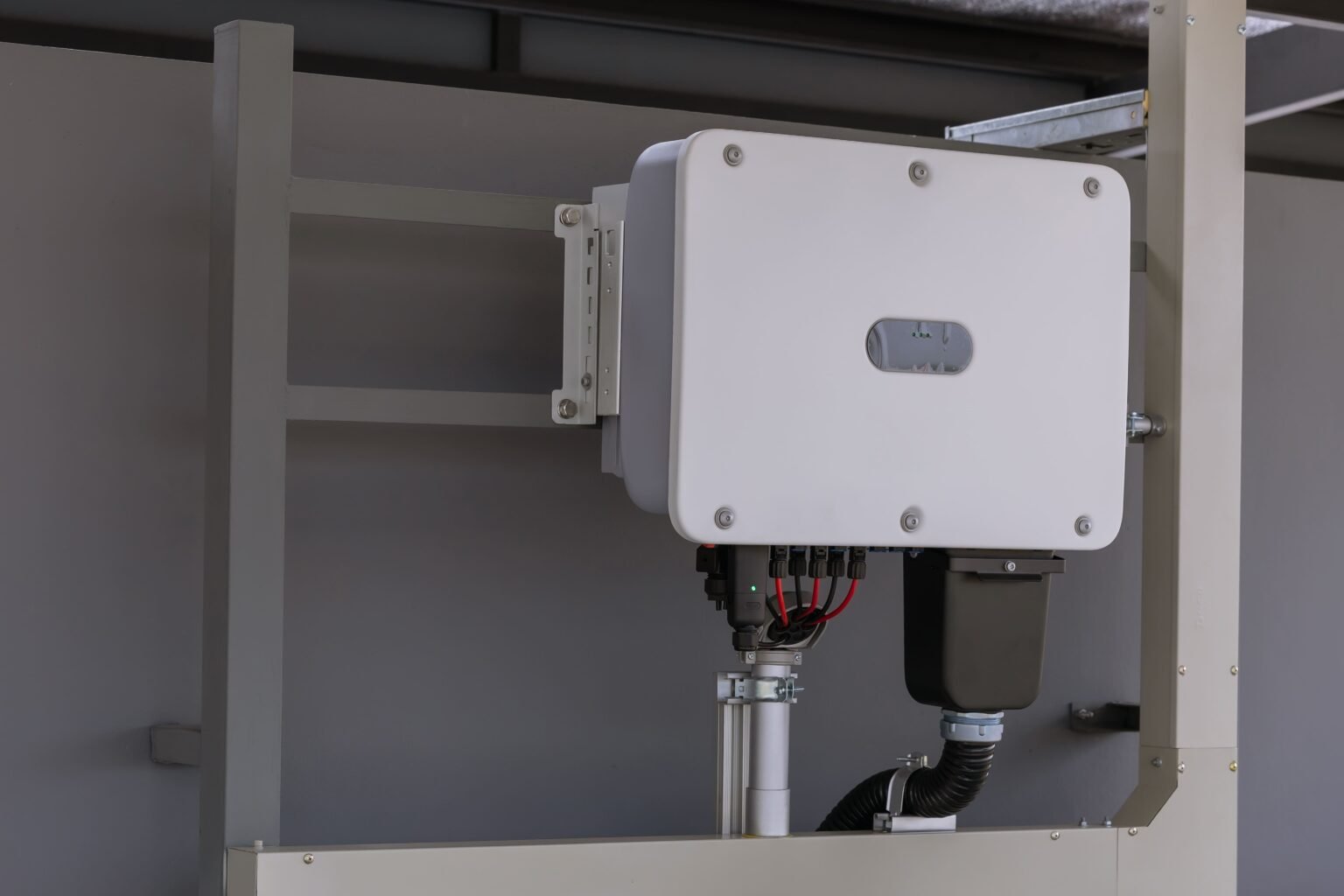
Precision-fabricated small to medium enclosures designed for PCBs, embedded systems, telecommunication hardware, and smart devices. Features tight tolerances and fine cosmetic finishes.
Eliminate inter-supplier finger-pointing, fit-up misalignment, and finish variations by sourcing complete fabricated, coated, and assembled systems from a single accountable partner.
Ensures precision alignment between mating fastener locations across multi-part welded assemblies and structural frames without forced manual fitting.
Identifies and prevents physical collisions between formed return flanges, internal mounting brackets, weld bead fillets, and adjacent structural panels.
Verifies adequate operational clearance for assembly torque tools, pneumatic riveting equipment, and automatic PEM fastener insertion presses.
Checks piano/concealed hinged doors, sliding drawers, and enclosure face covers for smooth, binding-free operational swing and uniform gap reveals.
Analyzes cumulative dimensional variations across stacked metal components to guarantee final overall envelope limits and mating hole clearances.
Calculates paint, powder coat, or anodizing layer buildup thickness that can bind slide rails, reduce hinge clearances, or compromise grounding contacts.
Protects high-finish exterior surfaces from handling scratches, tool friction marks, and airborne dust throughout fabrication and final packout.
Guarantees that external mounting lugs, cable entries, and rack DIN-rails precisely match your customer-side equipment integration points.
From flat sheet blanking to precision folding, welding, hardware insertion, powder coating, and final integration — we manage the complete manufacturing pipeline in-house.
Accurate blanks, contours, and complex external profiles.
Perforations, louver forms, and standard cutouts.
Precise bend angles, return flanges, and channel sections.
Continuous sweeping radius curves and curved wrap covers.
High-strength framework joints and clean aesthetic seams.
Self-clinching standoffs, studs, and blind rivets pressed flush.
Mechanical deburring and smooth corner dressing.
Durable powder coat, painting, or anodizing corrosion barrier.
Installation of internal rails, hinges, handles, and gaskets.
Dimensional CMM check and visual QA for delivery readiness.
Your enclosure design can seamlessly incorporate modular components to meet exact mechanical, electrical, and thermal requirements:
From heavy-duty structural steel racks to lightweight aluminum enclosures and conductive copper busbars, we select compatible raw materials, hardware fasteners, and finishes for reliable turnkey mechanical integration.
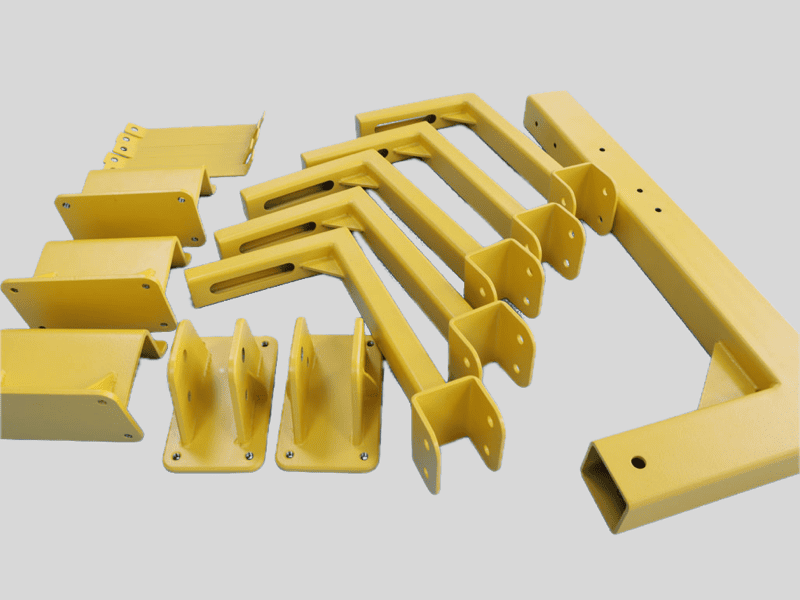
SPCC, SPHC, DC01, DC05, Q235, Q355
Provides exceptional rigidity and high push-out/torque-out resistance for pressed PEM nuts and heavy bracket fasteners. Coating thicknesses (powder coat/plating) must be factored into thread fit clearances.
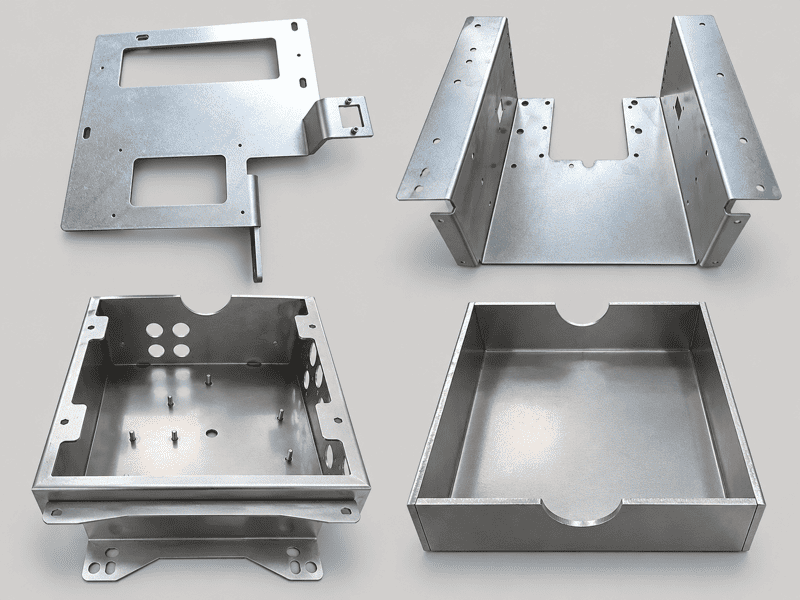
SUS301, SUS304, SUS316, 316L
Ideal for sanitary, food-grade, and corrosive environments. High panel hardness requires specialized hardened stainless PEM hardware. Anti-galling measures and scratch-free surface handling are strictly enforced.
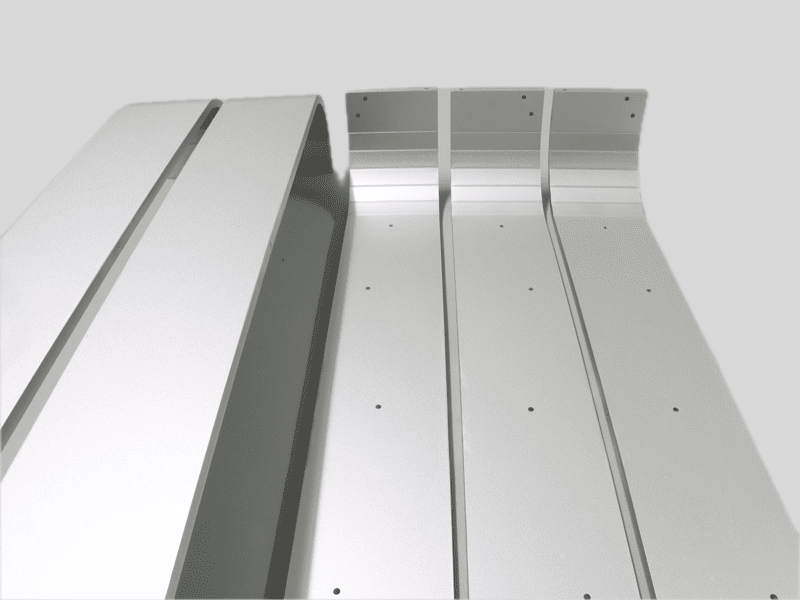
5052, 5754, 5083, 6061
Perfect for electronics enclosures, sliding trays, and front faceplates. Ductile alloys accept self-clinching standoffs effortlessly. Hardware materials are paired properly to eliminate galvanic corrosion.
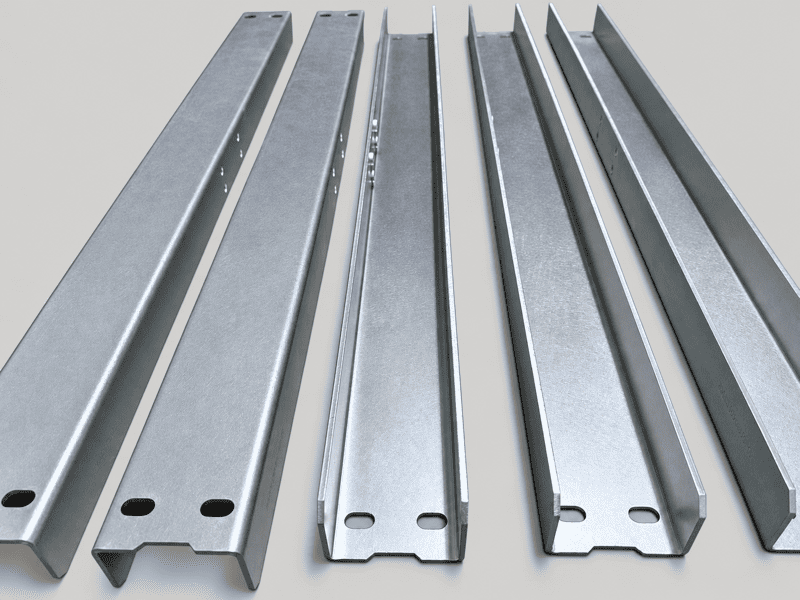
SECC (Electrolytic), SGCC (Hot-Dip)
Widely specified for internal chassis partitions, server racks, and mounting sub-plates. The self-healing zinc layer eliminates post-weld painting costs while providing clean rivet-nut and pop-rivet installation.
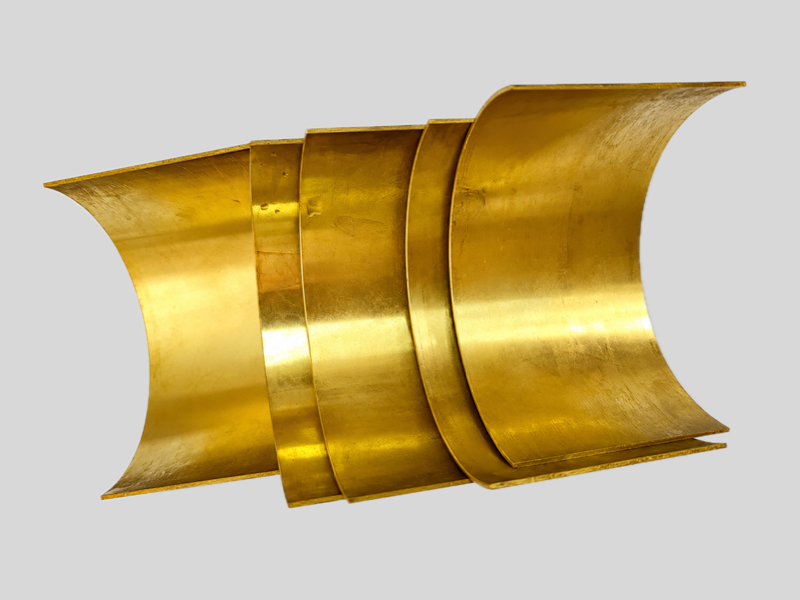
T2 Pure Copper, C110, H62, H65 Brass
Primarily integrated into power distribution cabinets as electrical busbars, grounding lugs, and EMI contact fingers. Assembled with insulated standoffs, torque-controlled bolts, and Belleville spring washers.

The appropriate joining method depends on whether your product requires a permanent joint, removable access, controlled appearance, structural strength, or installation from only one side.
| Your Assembly Requirement | Suitable Method | Important Design Factors |
|---|---|---|
| Thin sheet with narrow or visible seams | Laser welding | Joint fit-up, material, thickness and weld access. |
| Controlled weld appearance on stainless steel or aluminum | TIG welding | Heat input, distortion and grinding requirements. |
| Frames, brackets and structural components | MIG welding | Weld size, strength and surface appearance. |
| Overlapping panels and cabinet bodies | Spot welding | Electrode access, overlap and material thickness. |
| Permanent joint with access from only one side | Blind riveting | Rivet diameter, grip range and material. |
| Removable covers or serviceable components | Screws and bolts | Thread type, torque and tool clearance. |
| Captive threads in thin sheet metal | Self-clinching hardware | Sheet hardness, thickness, hole size and edge distance. |
From precision self-clinching studs to handles, hinges, slide rails, and customer-specified hardware — receive turnkey metal enclosures ready for electrical installation.
Fitted with self-clinching nuts, studs, standoffs, rivet nuts, and threaded inserts pressed flush before final assembly.
Installed using your designated manufacturer brands (PEM, Southco), specific part numbers, materials, and plating finishes.
Sourced and installed mechanical continuous/concealed hinges and robust operational grab handles for doors and panels.
Integrated quarter-turn cam latches, compression latches, and keyed security locks for electrical enclosures and cabinets.
Equipped with 19" equipment mounting DIN-rails, chassis slides, internal sub-panels, and specialized support brackets.
Assembled with service-ready removable access panels, gasketed covers, cable gland plates, and mating enclosure bodies.
Fitted with vibration-damping rubber feet, support pads, castors, and heavy-duty adjustable leveling glides for chassis stability.
Seamless mechanical integration and fit-checking of customer-provided parts, specialty sensors, fans, and customized hardware.
Surface finishing may be completed before or after assembly depending on joint geometry, welded chassis structures, electrical grounding, and critical dimensional stack-up.
Essential mechanical finishing cleans laser-cut dross, blends welded seams, and conditions raw sheet surfaces for optimum coating adhesion and safe assembly.
Removes sharp burrs and edges to ensure safe manual handling and flawless pre-treatment for subsequent powder coating or wet spray painting.
Smoothes out corner weld fillets and seam transitions for a clean, monolithic, uniform structural appearance across enclosure outer faces.
Produces consistent directional satin or linear grain textures, widely specified for architectural covers and stainless steel or aluminum front panels.
Creates an even non-reflective matte finish, eliminates heat scale and mill oxidation, and significantly enhances mechanical coating adhesion.
Applies robust, environmentally sealed barrier coatings in strict accordance with specified RAL/Pantone color standards, gloss levels, and texture grades.
Provides a thick, impact-resistant protective polymer finish available in diverse RAL colors, matte/gloss levels, and fine-texture ripples.
High-precision liquid paint applications tailored for strict custom color matching, smooth cosmetic finishes, and low coating build-up specs.
Achieves brilliant high-gloss or mirror-like reflective finishes for decorative trims, medical faceplates, and visible consumer-facing panels.
Electrochemical plating and chemical passivation layers increase surface hardness, prevent galvanic oxidation, and maintain electrical conductivity.
Electrochemical process that increases natural corrosion resistance and surface wear hardness on aluminum parts, with extensive color dyeing options.
Electroplated metallic coatings offering strong atmospheric corrosion resistance while preserving electrically conductive surfaces for chassis grounding.
Specialized acid bath treatment for stainless steel assemblies that dissolves free iron impurities from fabrication to maximize environmental corrosion resistance.
Final assembly accuracy depends on the cumulative interaction of all fabrication steps rather than a single process. Below are our typical baseline capabilities.
Base dimensional variations originating from individual laser-cut sheet blanks and press-brake formed metal parts.
Cumulative springback variations arising from multiple press brake bend sequences, flange lengths, and grain directions.
Clearance gaps in through-holes, slots, and screw locations allowing slight cumulative structural shifting during assembly.
Thermal energy distribution introduced during continuous sealing seams or intermittent stitch welding passes.
Post-weld molten pool cooling contraction affecting overall structural envelope dimensions and flange squareness.
Rigid dedicated clamping and locating tooling used to mechanically restrain movement and preserve datums during assembly.
Build-up dimensions (50–100 μm) from powder coating, wet paint, or plating that reduce tight sliding and hinge fit clearances.
Physical envelope scale across long structural profiles, tall server cabinets, and multi-component enclosure chassis.
Accumulated variances across multiple stacked parts, sheet thicknesses, and long welded seams requiring wider overall allowances.
Rather than relying solely on a final cosmetic look, TENGHUI executes a 4-station quality audit protocol directly integrated into the assembly timeline.
Checking correct stamped parts, raw material alloy mill certificates, and designated hardware specifications against 2D drawings.
Ensuring self-clinching nuts, studs, standoffs, and blind rivets are securely pressed flush with verified push-out resistance.
Checking internal/external threads for burrs, plating clogging, and smooth engagement with matching plug gauges and bolts.
Verifying that overall profile envelope dimensions, return flanges, and enclosure depths strictly match tight design limits.
Ensuring precise pitch alignment, slot clearances, and breakout spacing for external installation points and mating chassis.
Validating strict geometrical tolerances for structural cabinet frames, door parallelism, and 90° right-angle squareness.
Inspecting weld seam continuity, weld fillet height, spatter removal, and post-weld flush grinding quality across all joined joints.
Inspecting powder coat, paint, or plating for RAL/Pantone color consistency, uniform film thickness, and gloss levels.
Visual screening under high-illumination inspection booths to eliminate cosmetic blemishes, tooling marks, and surface dents.
Testing functional movement, smooth door swings, slide rails, gasket compression contact, and secure locking of all moving hardware.
Ensuring protective wrap film, edge guards, custom EPE foam inserts, and reinforced palletized crates are applied to prevent transit damage.
Yes. Your order can include the complete turn-key package: enclosure body, cover, panels, internal mounting brackets, sub-plates, inserted hardware (PEM fasteners), powder coating or plating, and final mechanical assembly delivered ready for integration.
Sheet metal fabrication focuses on creating individual metallic parts through laser cutting, punching, CNC bending, and welding. Assembly integrates those fabricated components with rivets, self-clinching hardware, threaded inserts, hinges, latches, screws, and seals to produce a fully functioning, finished structural enclosure or chassis.
Yes. We routinely install specified fasteners from major brands (such as PEM, Southco, and Dirak), as well as selected customer-supplied mechanical components, locks, drawer rails, and cable glands once dimensions, materials, installation tooling, and quality criteria have been confirmed.
Yes. One-off functional engineering prototypes and low-volume pilot assemblies are fully supported. Building a prototype allows our engineering team and your designers to verify physical component fit-up, mounting hole clearances, assembly sequence, thermal dissipation, and cosmetic appearance before committing to serial production.
An enclosure can be manufactured strictly according to your engineering drawings designed for specific NEMA (e.g., NEMA 3R, 4, 4X, 12) or IP ratings (e.g., IP54, IP65, IP66). However, the achieved rating depends on overall casing geometry, sealing gasket type, compression latching, cable glands, and door seam design. Formal laboratory certification or specialized ingress testing must be designated separately.
Welded chassis bodies, seam-sealed cabinets, and frames are generally completed, ground, and cleaned before powder coating to ensure total corrosion coverage. Removable panels, hinges, operational handles, locking mechanisms, rubber seals, and internal electronics hardware are installed afterward to maintain Class-A cosmetic surfaces and avoid heat damage.
Final tolerances are evaluated during quotation and DFM review based on material grade, thickness, overall enclosure scale, number of press-brake bends, weld shrinkage, coating build-up, and cumulative tolerance stack-up. Critical interface dimensions, datum planes, door reveal gaps, and mounting hole patterns must be explicitly called out on your 2D assembly drawings.
Yes. First Article Inspection (FAI) reports, dimensional CMM records, thread plug-gauge audits, fastener torque tests, and custom fit-check records can be provided upon request. Please specify your documentation and inspection requirements prior to quotation so our quality team can prepare appropriate QA sign-off protocols.
If you have any questions or would like to book a session please contact us.
Once we receive your design files, our senior manufacturing engineers will manually perform a comprehensive DFM review and deliver an accurate, optimized quote within 24 hours.