Non-Contact Thermal Erosion Technology

Custom EDM Services

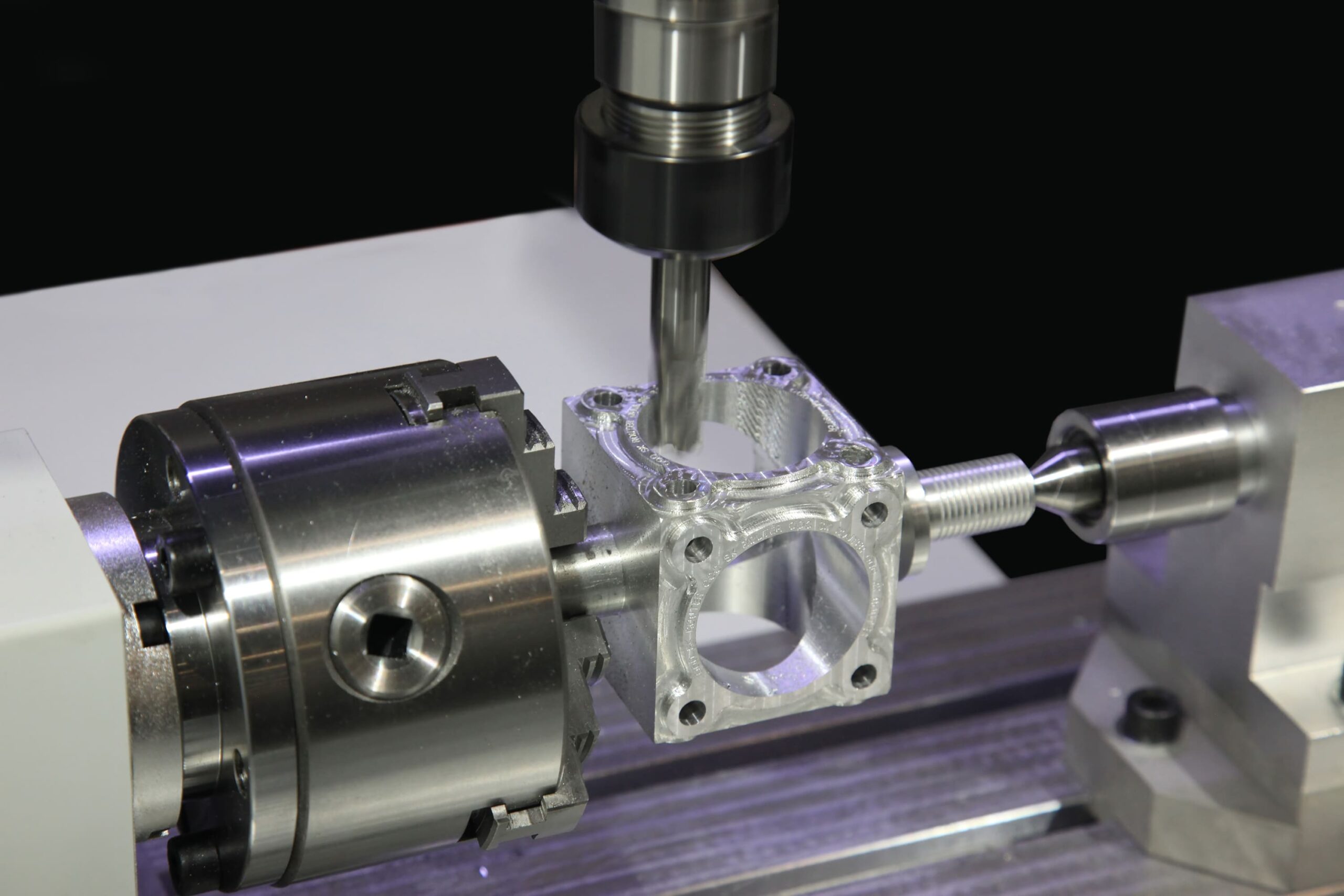
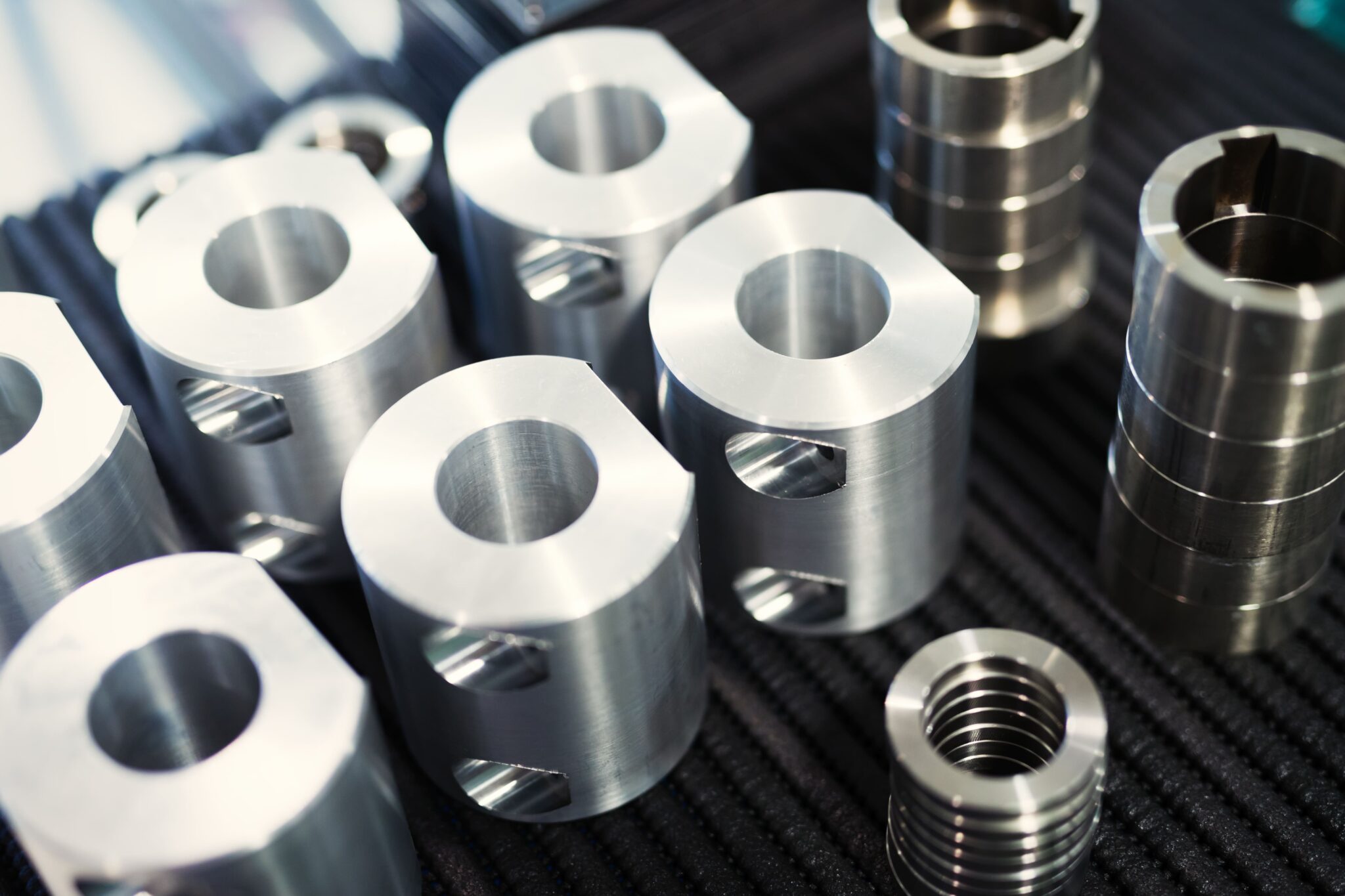
When traditional CNC cutting tools reach physical limits, Tenghui's Electrical Discharge Machining (EDM) delivers non-contact thermal erosion for ultra-hard conductive metals, deep cavity pockets, and complex micro-features with zero cutting stress and zero mechanical deformation.
±0.005 mm
Micro Tolerancing
Zero Stress
Non-Contact Erosion
Hard Metals
Tool Steel & Carbide
Quotes within 24 Hours
Strict NDA & CAD Confidentiality
Material & CMM Reports Available
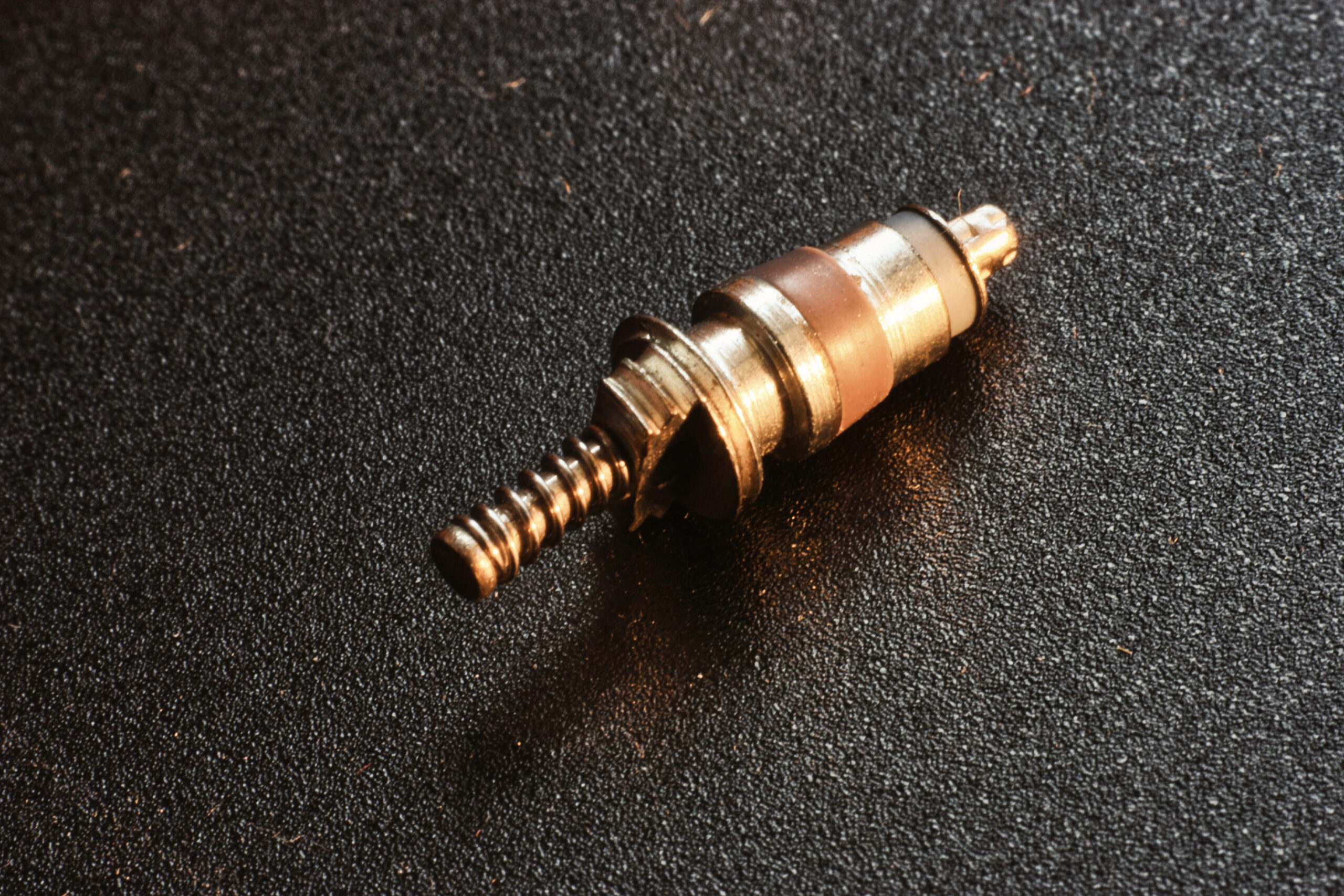
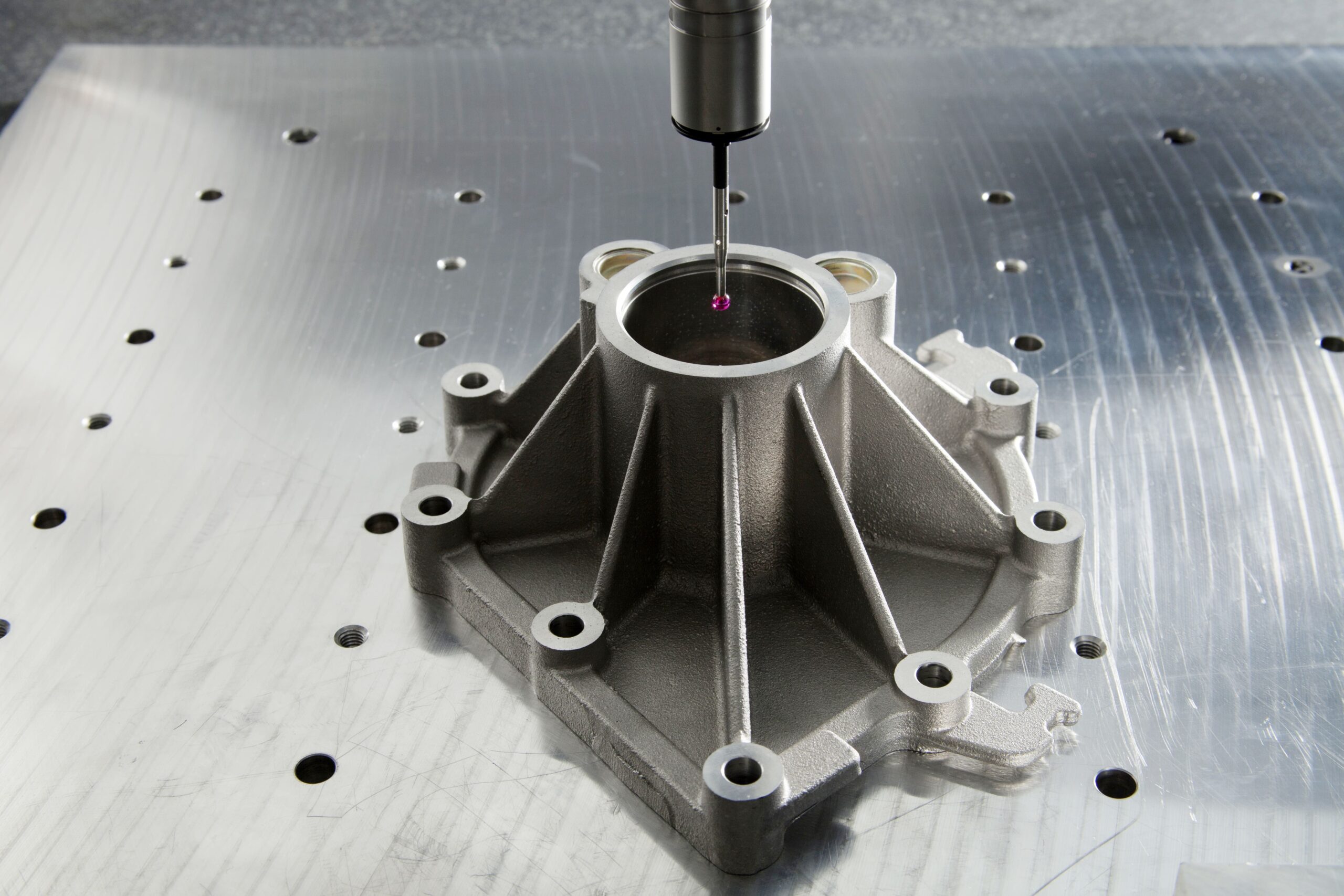
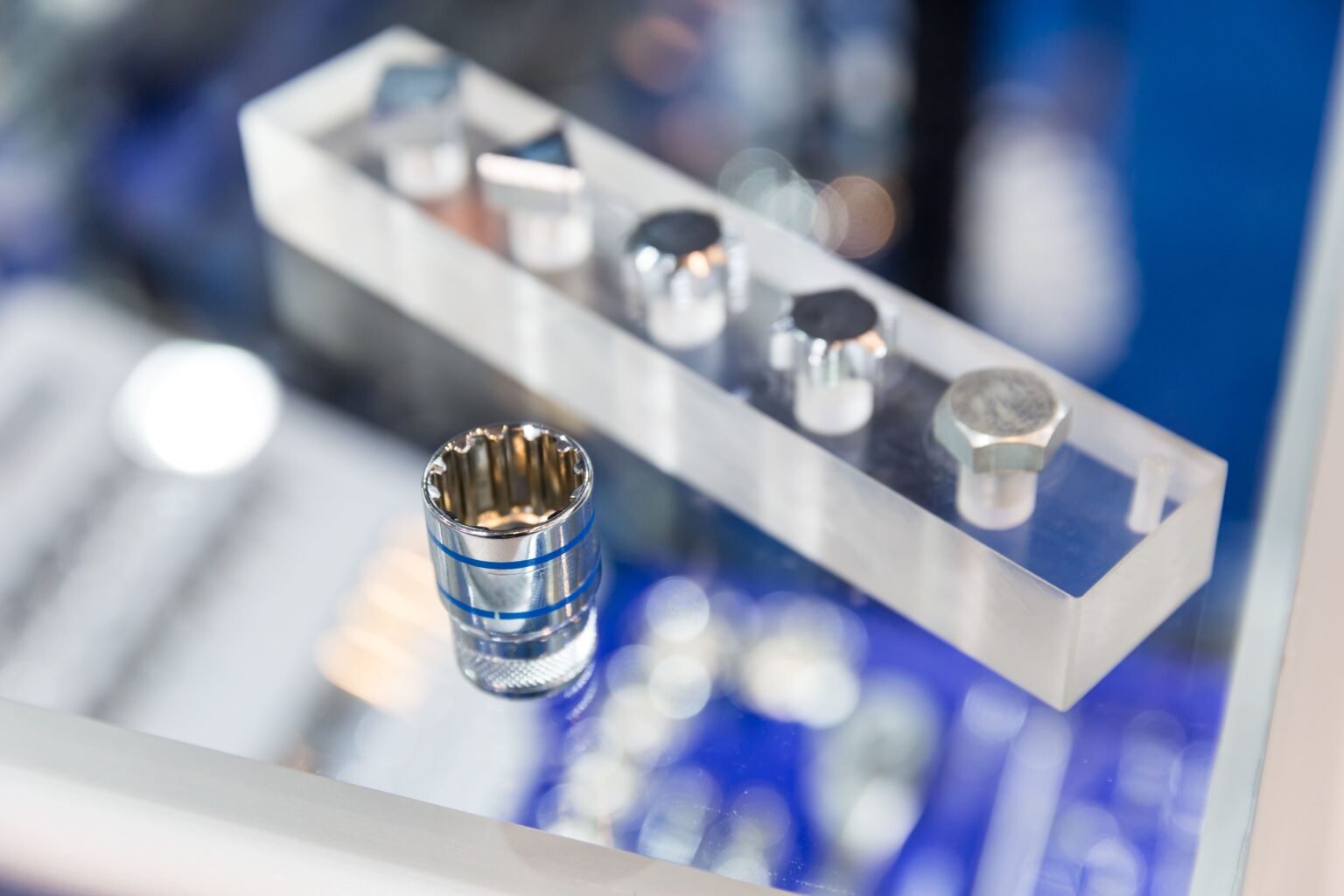
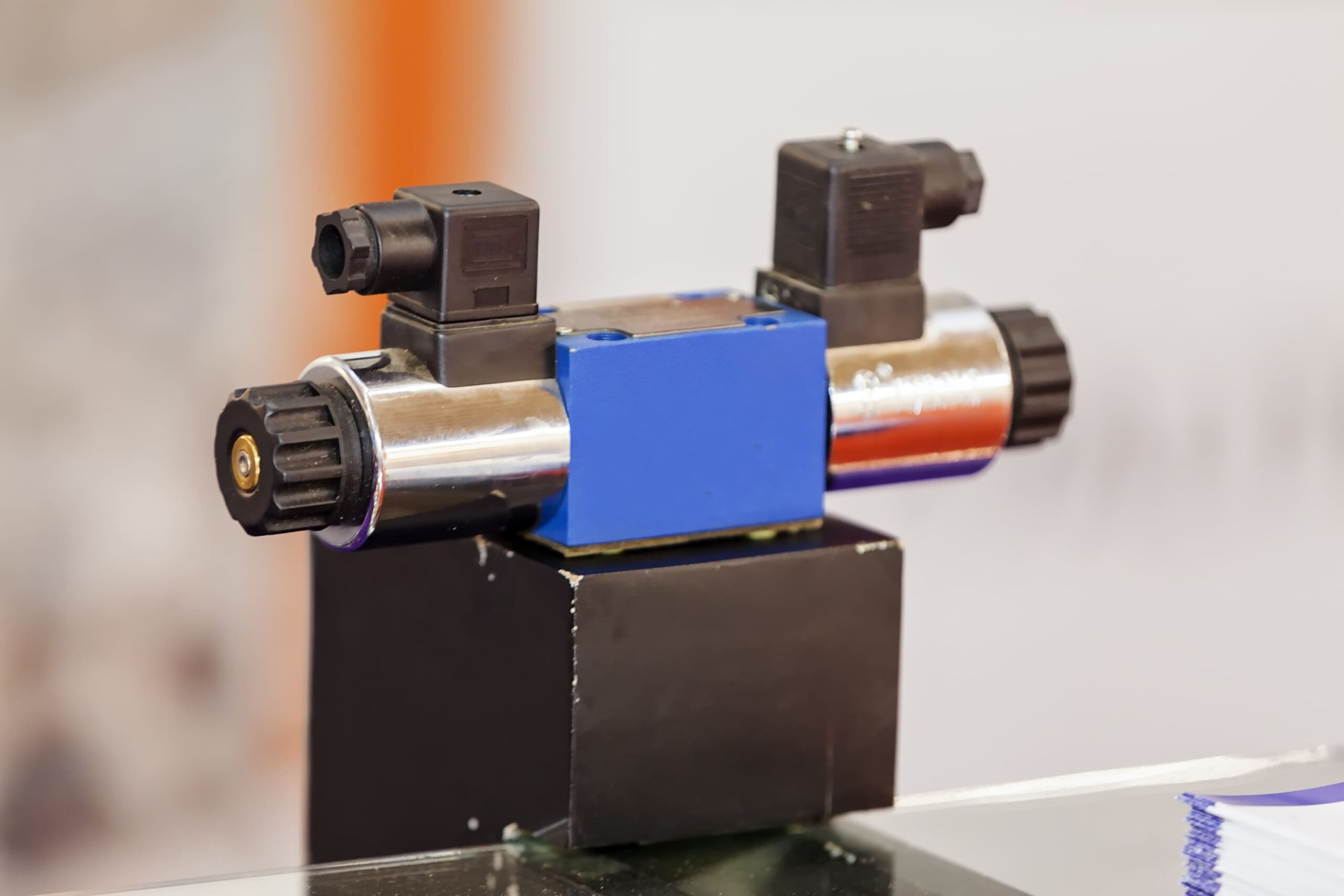
Sinker EDM Hydraulic Valve Component Inspection
Sinker EDM Hydraulic Valve Part

Wire EDM vs. Sinker EDM

Choose between our high-precision Wire EDM for cutting complex 2D profiles and Sinker EDM for eroding deep, non-through cavities that conventional cutting tools cannot reach.

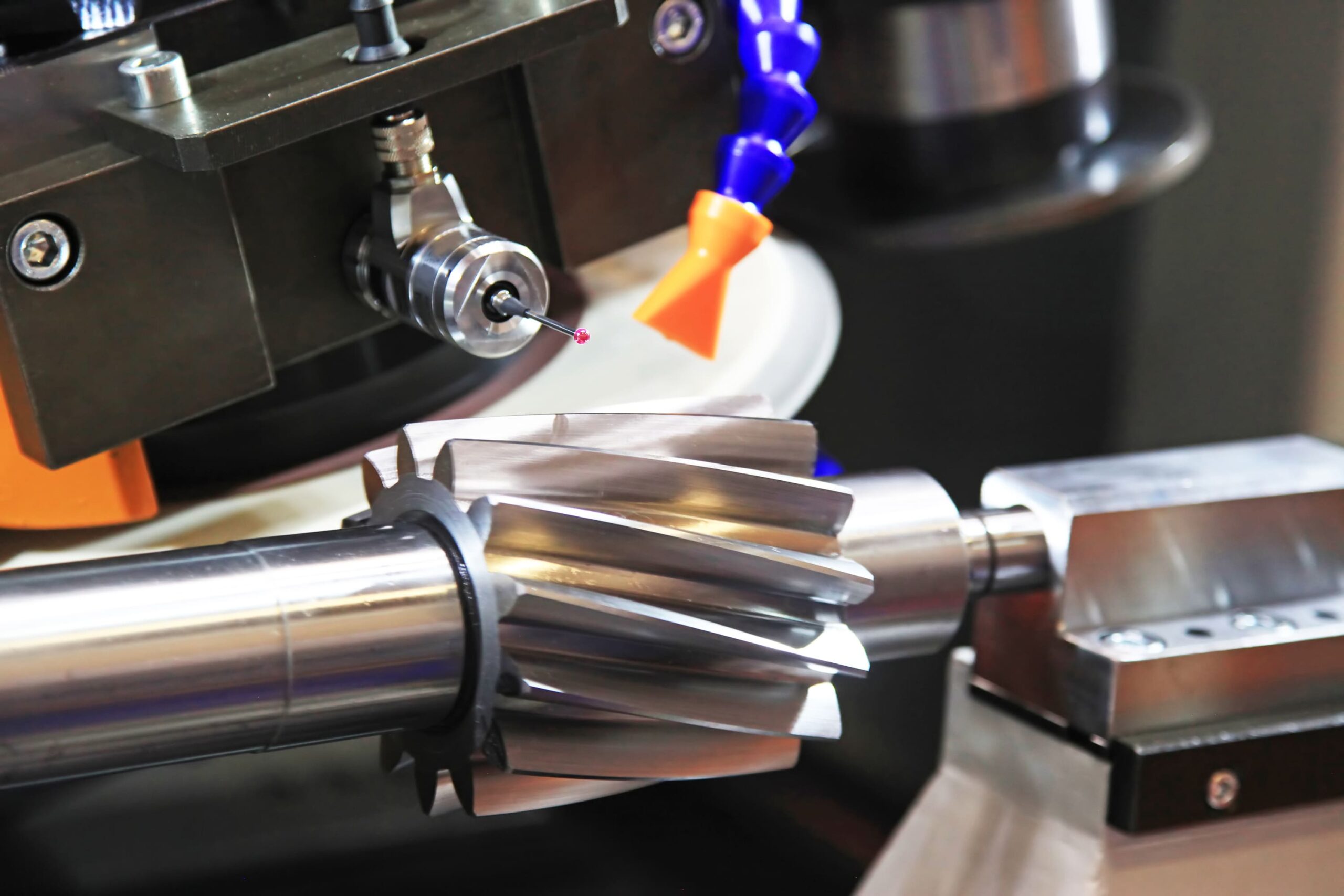
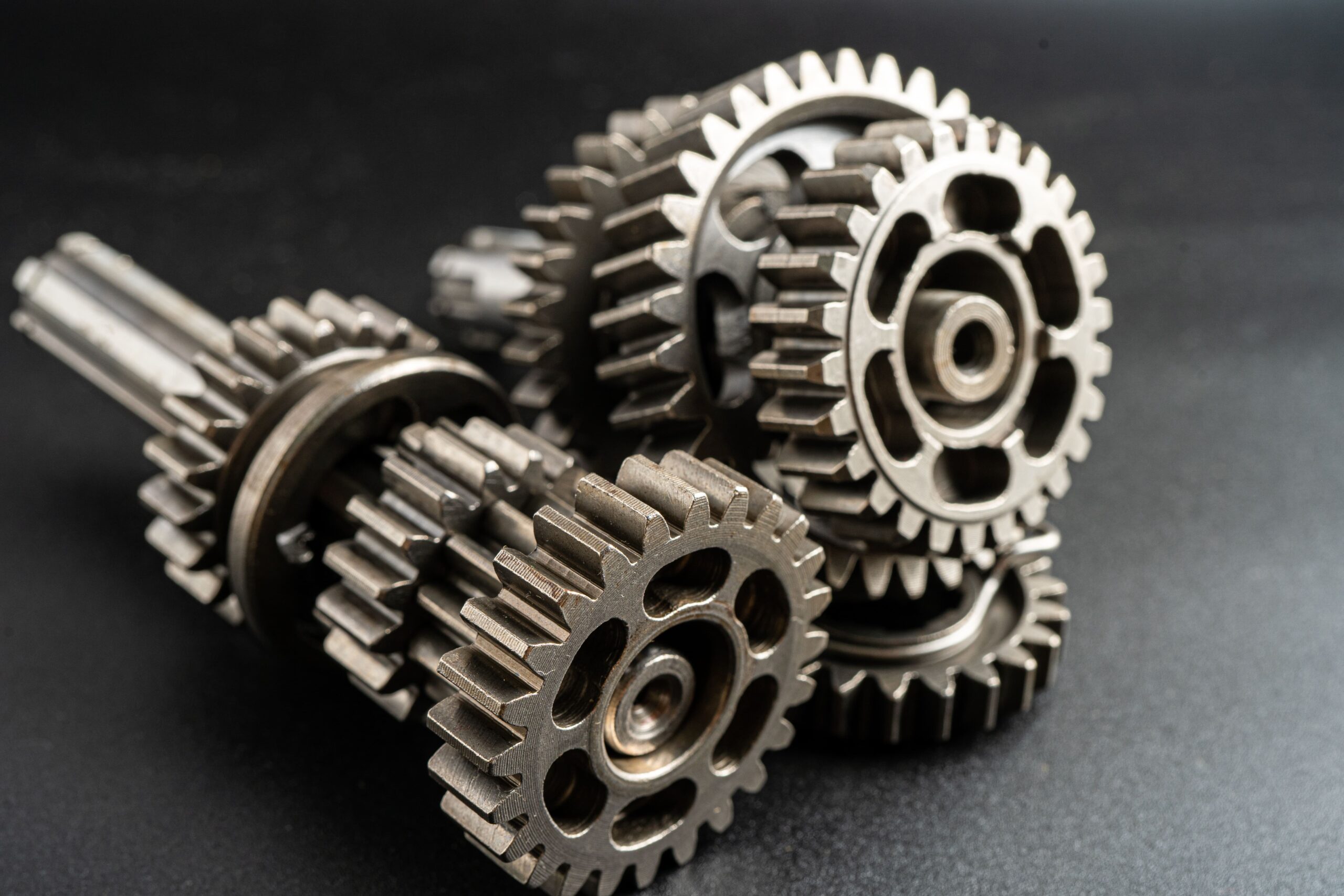
precision EDM sprocket

Wire EDM

Uses a continuously spooling micro-thin wire to cut intricate 2D shapes, tight keyways, and complex gears through the entire thickness of the metal. Perfect for ultra-precise profiles and tight tolerances.
Sinker EDM blind pocket

Sinker EDM

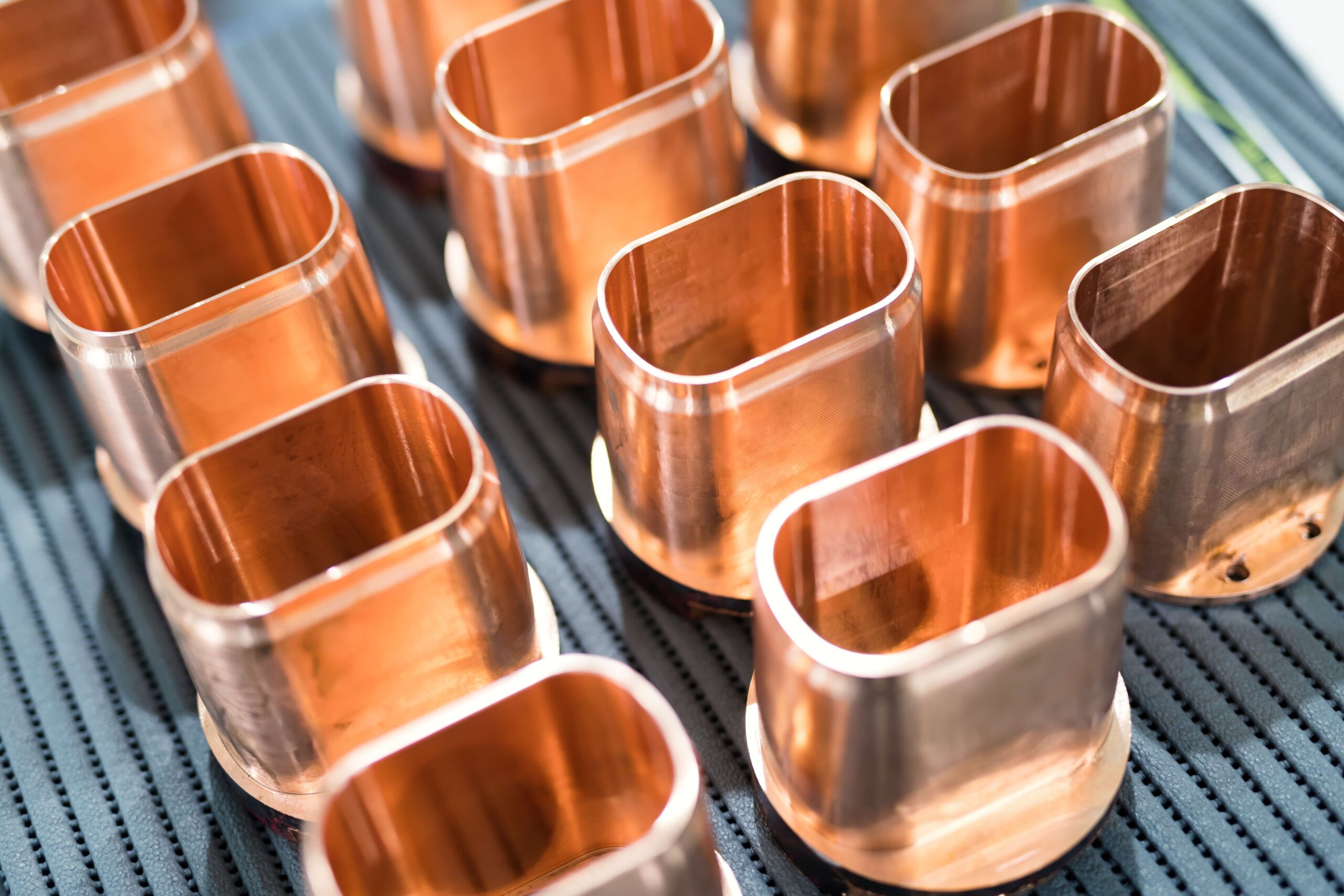
Uses a custom-machined copper or graphite electrode to erode blind cavities, complex internal molds, and non-through features. Ideal for deep internal geometries that rotating milling tools cannot physically reach.
EDM Materials & Capabilities - TENGHUI
Electrically Conductive Metals & Hardened Alloys

EDM Materials & Capabilities

Electrical Discharge Machining processes any electrically conductive material with zero cutting force. Ideal for intricate blind pockets, deep ribs, and hardened alloys.

CONDUCTIVE METALS Sharp Internal Corners & Zero-Radius Pockets

Aluminum EDM Capabilities

When high-strength aluminum parts require sharp 90° internal corners, zero-radius blind pockets, or narrow flexure cuts that rotating milling cutters cannot physically reach, Wire & Sinker EDM deliver burr-free precision.

Common Grades
6061-T6 7075-T6 2024 5083 MIC-6 Tooling Plate
Typical Applications

Aerospace optical housings, delicate flexure hinges, square cavity keyways, thin heat sink fins, and wave guides.

Available Finishes

Type II / III hard anodizing, chemical conversion coating (chromate), micro-bead blasting, and laser engraving.
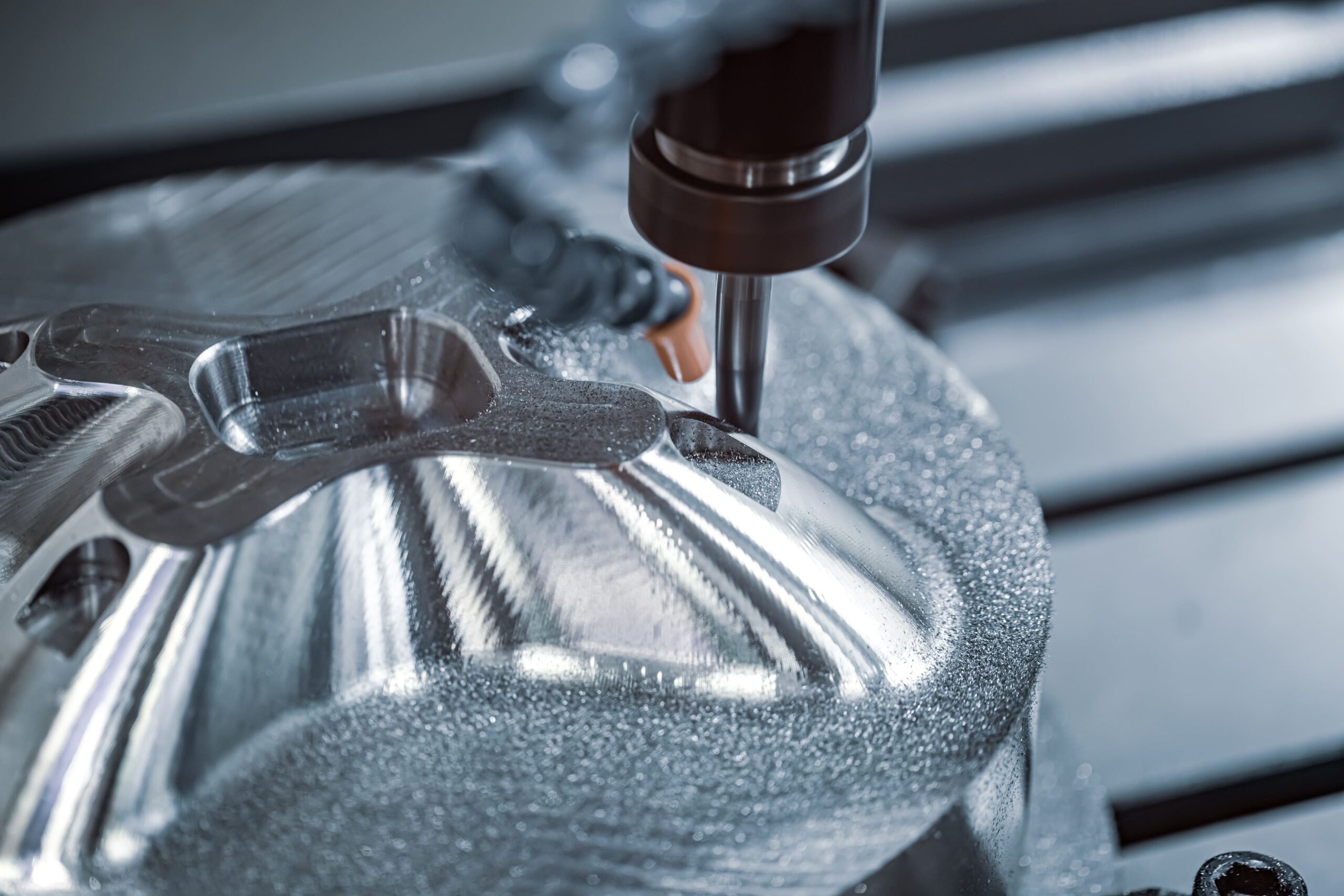
Aluminum EDM Sharp Corner EDM Aluminum 7075 Pockets

EDM Design Guidelines

⚡

Conductive Materials Only

EDM only works on electrically conductive metals (such as Steel, Titanium, Aluminum, Brass, and Copper). Non-conductive plastics cannot be processed.

📐

Minimum Corner Radii

Our wire EDM can achieve sharp internal corner radii as small as ≥ 0.1 mm, far exceeding the tightest physical limits of traditional CNC milling cutters.

✨

Surface Finish Options

Leaves a uniform, matte spark texture (typically Ra 0.8 to 3.2 μm). We can easily provide secondary mirror polishing if your project requires a smooth cosmetic finish.

Hobbing vs. Wire EDM vs. Sinker EDM

Compare our precision gear-manufacturing and electrical discharge machining capabilities. Use this technical breakdown to select the optimal manufacturing process for your project’s dimensional tolerances, material constraints, and delivery timelines.Review our recommended design guidelines to optimize your parts for seamless CNC production. By aligning your 3D models with these manufacturing best practices, you can significantly reduce cycle times, prevent machining errors, and lower overall production costs.

Process Features Hobbing Wire EDM Sinker EDM
Tolerance Level ISO Grade 6 to 12 ISO Grade 7 to 12 ISO Grade 8 to 12
Part Size Min: 1.0 × 1.0 × 0.3 mm
Max: 500 × 500 × 800 mm
Min: 3.0 × 3.0 × 0.3 mm
Max: 300 × 300 × 200 mm
Min: 3.0 × 3.0 × 0.3 mm
Max: 200 × 200 × 150 mm
Top Use Cases External gears and splines. External gears, shafts with integrated gears, and helical gears. Internal gears, blind-hole cavities, hexagonal shaped cutouts, and complex non-through features requiring minimal fillets.
Materials All materials (metals and plastics) Conductive metals only Conductive metals only
Min. Fillet Radius N/A (Tool geometry dependent) 0.05 mm (Standard)
0.01 mm (Premium precision)
0.05 mm (Standard)
0.01 mm (Premium precision)
Lead Time As fast as 12 days As fast as 7 days As fast as 7 days
Advanced Spark Erosion Technology

About Electrical Discharge Machining

Electrical Discharge Machining (EDM) is a non-contact, thermal subtractive manufacturing process that shapes metal not by physical cutting, but by controlled electrical sparks. Generating millions of micro-explosions per second to vaporize conductive material, EDM exerts zero physical cutting force on the workpiece—making it ideal for extremely delicate features and ultra-hard metals like hardened tool steel, titanium, and tungsten carbide.

FEATURE 01 Non-Contact Machining

Zero-Force Machining for Delicate Parts

Unlike conventional milling or turning that relies on sharp cutting tools to shear away metal, EDM uses pure electrical energy. Because there is zero physical contact between the electrode tool and the workpiece, tool pressure and cutting stresses are completely eliminated.

This allows engineers to safely manufacture ultra-thin walls, narrow deep slots, micro-features, and fragile geometries that would otherwise bend, chatter, or crack under traditional CNC cutting forces.

Zero Stress
No Mechanical Pressure
Thin-Wall Agility
Walls Down to 0.1 mm
Micro Machined Precision Metal Parts via EDM Micro-Machined Gear Assemblies & Thin Features
Precision Titanium and Hardened Alloy EDM Components Hardened Tool Steels & Titanium Machined Parts
FEATURE 02 Material Capability

Breaking the Limits of Material Hardness

Conventional CNC cutters struggle to machine pre-hardened metals without severe tool wear, thermal cracking, and breakage. EDM bypasses material hardness entirely because it relies strictly on electrical conductivity rather than physical shear strength.

Whether working with hardened tool steel (60+ HRC), aerospace-grade titanium, Inconel, or dense tungsten carbide, the high-temperature sparks of EDM vaporize material effortlessly, ensuring sub-micron dimensional accuracy and uniform surface finishes across the toughest alloys.
Hardness Immunity
Hardened Up to 70+ HRC
Micro Accuracy
±0.005 mm Precision

Case Applications of EDM Parts

FAQ About EDM Services

1. What types of gears can you manufacture using your EDM services?

We primarily utilize high-precision Wire EDM to manufacture a wide variety of gears, including external spur gears, internal gears, helical gears, splines, and complex sprocket profiles. Because Wire EDM uses a micro-thin cutting wire, we can achieve sharp internal root corners that are physically impossible to cut with conventional rotational CNC milling tools.

2. What specific materials can be processed with Electrical Discharge Machining?

EDM relies on electrical conductivity, meaning we can machine any conductive metal regardless of its physical hardness. This includes hardened tool steel, stainless steel, carbon steel, titanium alloys, aluminum, copper, brass, and tungsten carbide. However, non-conductive materials like plastics, ceramics, and glass cannot be processed using EDM.

3. What is the physical difference between Wire EDM and Sinker EDM?

The main difference lies in their tool geometry and cutting capabilities:

Wire EDM uses a continuously spooling micro-thin metal wire to make 2D through-cuts (all the way through the metal), perfect for gears and keyways.

Sinker EDM (or Ram EDM) uses a custom 3D-shaped copper or graphite electrode to sink into the metal without going all the way through, which is ideal for blind cavities and plastic injection molds.

4. What types of geometric shapes can your Wire EDM machines handle?

Our Wire EDM machines can cut highly complex two-dimensional profiles and contours, as long as the cut is a through-feature with clearance at both the top and bottom of the part. This includes intricate gear teeth, hexagonal cutouts, extremely narrow slots, keyways, and complex internal splines with corner radii as tight as 0.1 mm.

5. Does the high heat of the EDM process affect the mechanical properties of the metal?

Because EDM uses electrical sparks to melt and vaporize metal, it does create a tiny, microscopic Heat-Affected Zone (HAZ) on the cut surface. At Tenghui, we minimize this effect by optimizing our generator settings and using multiple high-precision finishing passes.

If your part requires absolute surface integrity, we can perform secondary post-processing like polishing or grinding to completely remove the micro-layer.

Send us a message

If you have any questions or would like to book a session please contact us.

Send Us a Message

Once we receive your design files, our senior manufacturing engineers will manually perform a comprehensive DFM review and deliver an accurate, optimized quote within 24 hours.