On-Demand Industrial 3D Printing Services

High-precision prototyping and low-volume production with advanced plastic and metal 3D printing. Fast turnaround, functional-grade materials, and strict quality control to bring your designs to life.

✅ All Design Uploads Are Secure & Confidential 

  1. Home
  2. »
  3. 3D Printing

Our 3D Printing Services

Discover the right additive process and material specifications optimized for your specific engineering and design requirements.

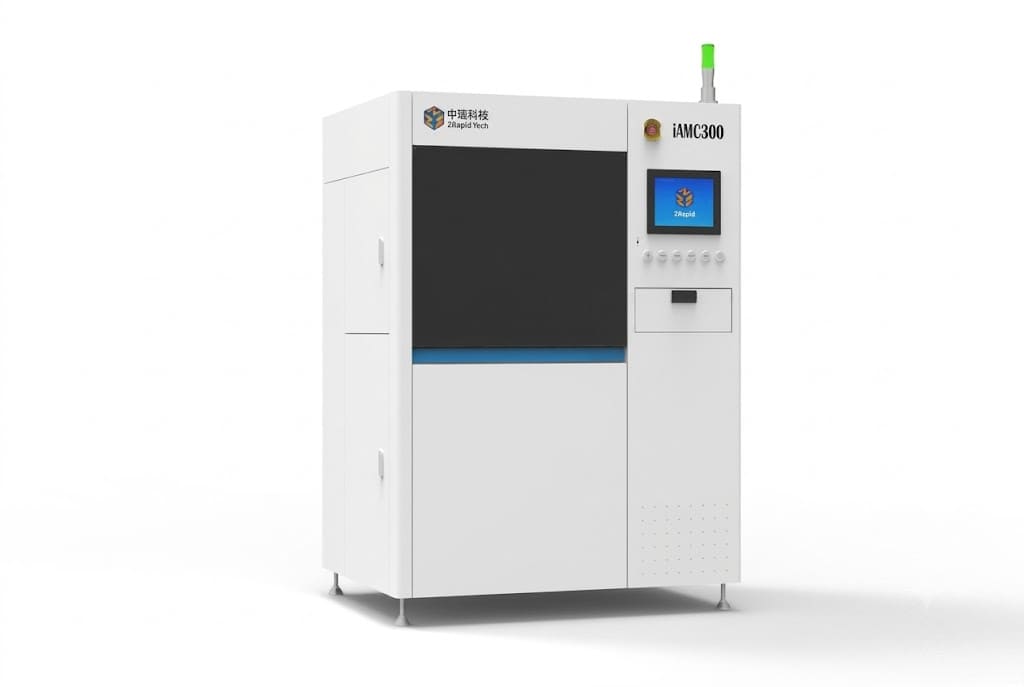
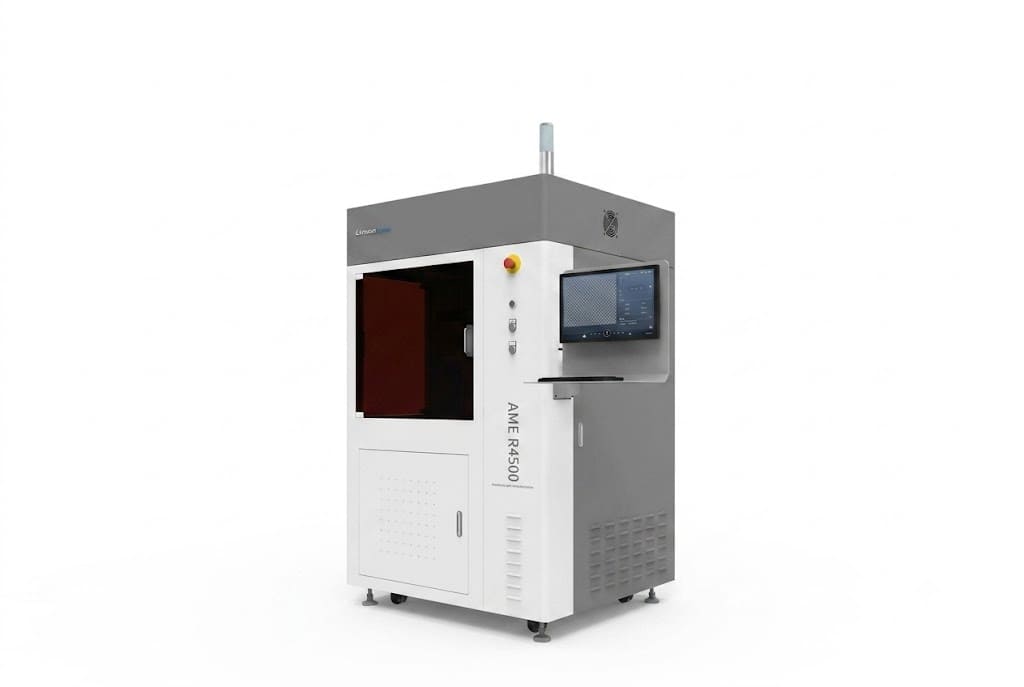
SLA 3D PRINTING

SLA Stereolithography

Target Fields: Automotive manufacturing, structural prototypes, industrial styling models, and artistic sculptures.
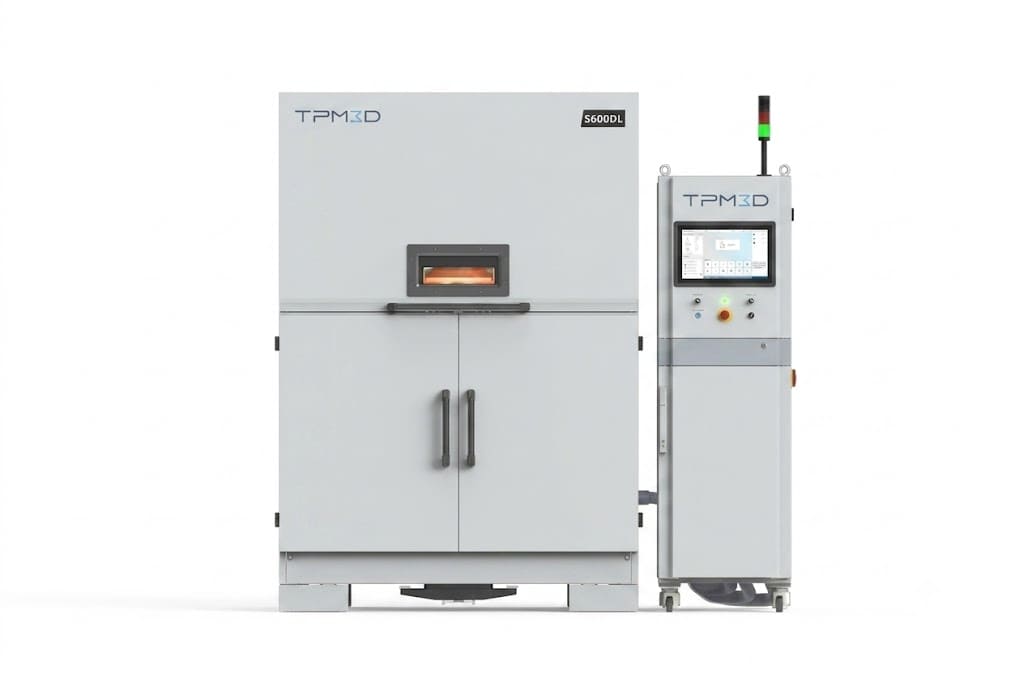
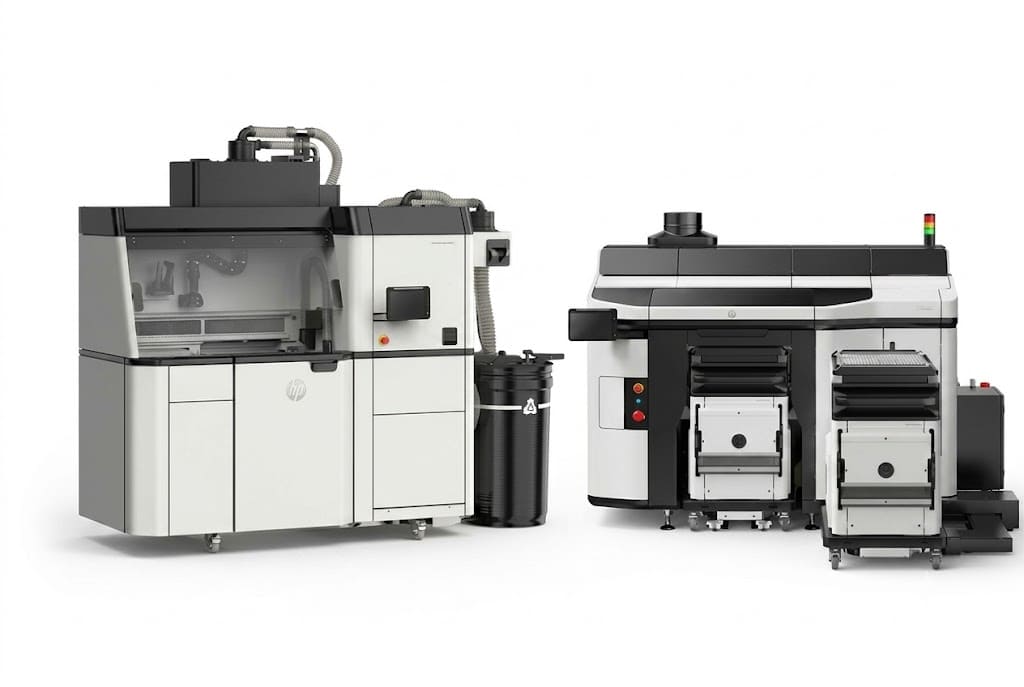
HP MJF Multi Jet Fusion equipment

HP MJF Multi Jet Fusion

Key Applications: Automotive parts, sports medical supports, consumer electronics, power tools, and short-run production.
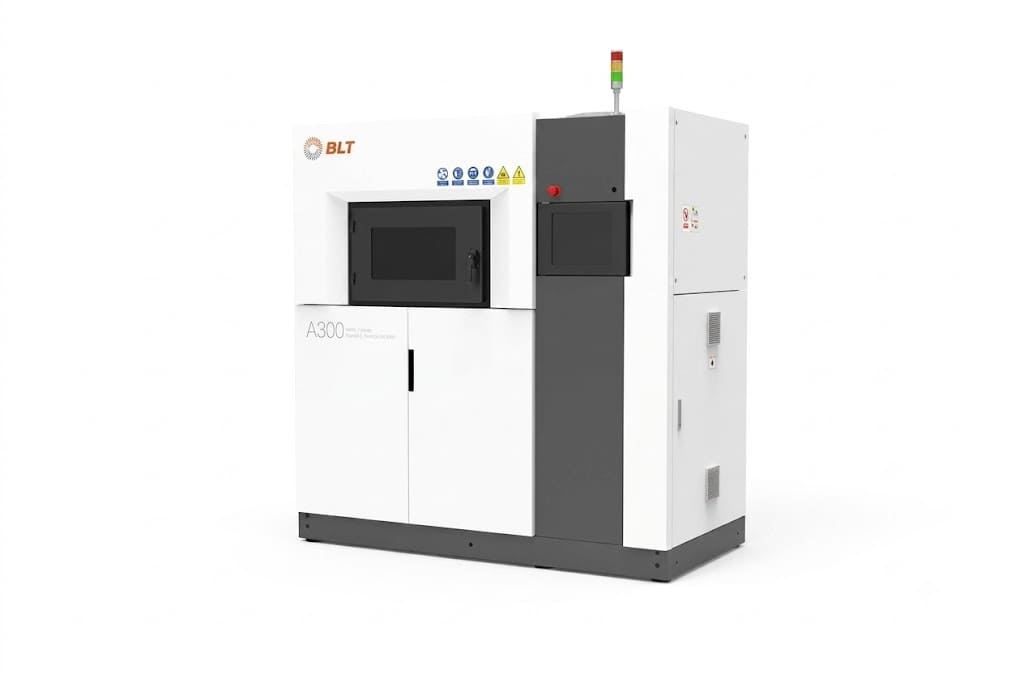
SLM 3D PRINTING

SLM Selective Laser Melting

Target Fields: Automotive assemblies, commercial products, military hardware, aerospace systems, and end-use part production.
SLS 3D PRINTING

SLS Selective Laser Sintering

Key Applications: Vehicle components, electronic hardware, power tool housings, and low-volume functional parts.
Ceramic 3D Printing Technology

Ceramic 3D Printing Technology

Target Fields: Premium jewelry, luxury items, biomedical devices, and technical electronics.

3D Printing Technology Comparison

Features / Processes SLA HP MJF SLM SLS Ceramic
Advantages
  • Excellent surface finish
  • High feature resolution
  • Ideal for clear components
  • Production-grade nylon parts
  • Isotropic strength and density
  • Fast batch manufacturing
  • High-strength metal parts
  • Near-forge density quality
  • Superb thermal resistance
  • No support structures needed
  • Isotropic mechanical properties
  • Suitable for complex geometries
  • Extreme heat resistance
  • Excellent biocompatibility
  • High wear and chemical resistance
Limitations
  • Brittle material options
  • Degrades under UV / sunlight
  • Mainly for cosmetic models
  • Higher cost than entry plastics
  • Matte, slightly grainy finish
  • Restricted to specific polymers
  • Highest unit cost
  • Extensive post-processing
  • High residual stress
  • Grainy surface texture
  • Limited color options
  • Slight porosity present
  • High material brittleness
  • Longer processing times
  • Geometric size limitations
Standard materials Photopolymer resin Nylon (PA12, glass filled) Stainless steel, titanium, aluminum Nylon (PA11, PA12) Alumina, zirconia, technical ceramics
Accuracy ±0.1 mm ±0.3 mm ±0.1-0.2 mm ±0.3 mm ±0.05-0.1 mm
Typical layer height 25-100 μm 80 μm 20-50 μm 100-120 μm 25-50 μm
Lead time 3-5 working days 5 working days 7-10 working days 5 working days 6-8 working days

3D Printing Materials

Resins

White ABS-Like resin

General assembly, high precision.

Black ABS-Like resin

Rigid parts, high toughness, temperature resistant.

High toughness ABS-Like resin

Functional testing, high stability, high strength.

High temperature resin

Thermal testing components, excellent stability.

Clear resin

Clear components, waterproof and stable.

High precision resin

Intricate parts, extreme accuracy, heat resistant.

Nylons

Nylon PA11

High rigidity and hardness, impact resistant, chemical resistant.

Nylon PA12

Temperature and strength requirements, good toughness, fine matte finish.

White nylon

Biocompatible medical devices, high rigidity, excellent toughness.

PP-like

Living hinges, flexible prototypes, high elongation and impact strength.

Glass fiber filled nylon

Precision functional parts, low water absorption, superb insulation.

TPU BASF

Flexible applications, high mechanical strength, excellent shock absorption.

Metals

Aluminum alloy

Lightweight engineering, high strength, corrosion resistant.

Stainless steel 316L

Corrosion resistant parts, high ductility, robust durability.

Die steel

Mechanical mold manufacturing, high hardness, anti-fatigue.

Titanium alloy

Surgical guides, bone replacements, extreme strength, biocompatible.

Tungsten alloy

Radiation shielding, high melting point, high density and hardness.

Copper alloy

Aerospace and telecom applications, high thermal conductivity.

Why choose Tenghui for 3D printing?

Tenghui and our manufacturing network support a wide range of advanced technologies. Here is how we help you move faster, reduce engineering costs, and achieve consistent, production-grade results:

01

Rapid turnaround 3D printing

Upload your 3D CAD files to receive a professional quotation within 24 hours. From single functional prototypes to active production runs of complex parts, our flexible manufacturing setup ensures high consistency and competitive pricing, helping you accelerate your product development cycle without unnecessary delays.

02

Prototype to production

Tenghui offers a seamless transition from one-off engineering prototypes to scalable low-volume production. Whether you need 10 or 1,000 units, our industrial 3D printing solutions provide production-level quality without the high initial costs and long lead times of traditional tooling, keeping your project agile.

03

Dedicated DFM support

Small teams often lack in-house manufacturing experts. Our engineering specialists provide complimentary design for manufacturability (DFM) feedback on every project, covering part orientation, material selection, and tolerance analysis to ensure your 3D printed parts are optimized for performance.

04

3D printing quality assurance

We are proud to maintain a rigorous quality management system that governs every individual stage of our 3D printing workflow. From incoming material inspections to final multi-dimensional verification, our rigorous control process includes advanced coordinate measuring machine (CMM) analysis and detailed first-article inspection reports.

Industry-standard surface finishes for 3D printing

Enhance the durability, corrosion resistance, and cosmetic appearance of your 3D printed parts with our professional post-processing treatments.

Sanding and polishing

Removes layer lines and tool marks to create a smooth surface, capable of achieving various gloss levels up to a high-end mirror finish.

Bead blasting

Utilizes fine abrasive media sprayed onto the surface to eliminate small imperfections, delivering a uniform matte or satin texture.

Painting and clear coating

Applies automotive-grade paint or clear protective layers to customize colors, textures, and pantone matches while adding excellent UV resistance.

Powder coating and anodizing

Utilizes electrostatic spraying or chemical plating to form a durable, wear-resistant outer layer, significantly enhancing surface hardness and corrosion protection.

Dyeing and decaling

Offers a fast, cost-effective way to add vibrant colors to porous prints, or applies custom graphics and logos directly onto the components to improve brand identity.

Post-machining and heat treatment

Integrates precise CNC milling and thermal cycles (like NADCAP or HIP) to meet exceptionally strict dimensional tolerances and optimize the mechanical strength of metal prints.
Case Applications of 3D Printing

3D Printing FAQs

We primarily accept 3D CAD models in STEP (.stp/.step), IGES (.igs/.iges), and STL (.stl) formats. For multi-part assemblies, please provide a compressed (.zip/.rar) folder containing all individual component files.

The minimum wall thickness depends on the chosen technology. For SLA, we recommend a minimum of 0.8mm for structural integrity. For SLS and MJF nylon, a minimum wall thickness of 1.0mm to 1.5mm is ideal to prevent warping during the cooling process.

Yes. While small threads can be printed directly using high-resolution SLA, for functional and high-strength applications we highly recommend post-print threading or installing brass heat-set threaded inserts into SLS, MJF, or SLA components.

For standard plastic prototypes (SLA/SLS), our typical turnaround time is 2 to 4 working days, including basic post-processing. Metal 3D printing or parts requiring advanced surface finishes (like painting or vapor smoothing) usually take 5 to 7 working days.

Send Us a Message

Once we receive your design files, our senior manufacturing engineers will manually perform a comprehensive DFM review and deliver an accurate, optimized quote within 24 hours.