Industrial selective laser sintering for durable, production-grade nylon components with complex geometries and zero support structures. Ideal for functional prototypes and end-use manufacturing.
✅ All Design Uploads Are Secure & Confidential
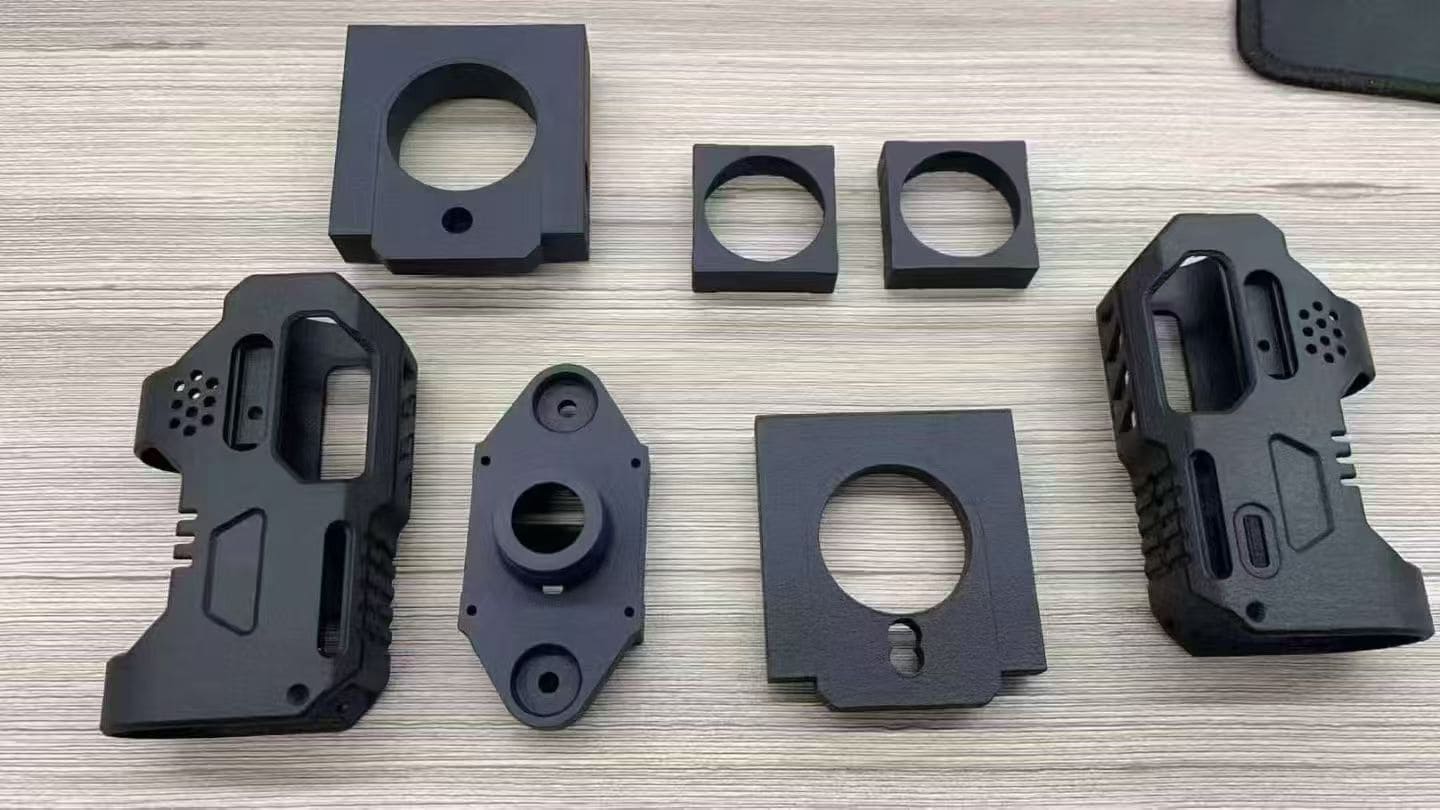
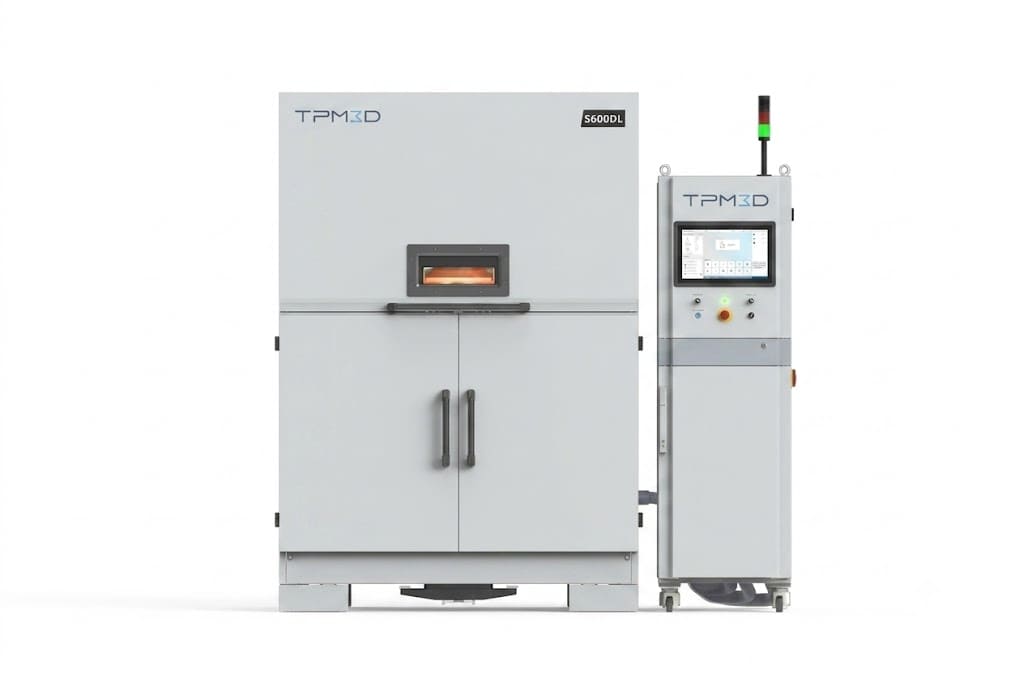
Selective Laser Sintering (SLS) is an industrial powder-bed fusion 3D printing technology. A high-power $CO_2$ laser selectively fuses fine polymer powders (such as Nylon PA12 or PA11) layer by layer.
Because the un-sintered powder bed acts as a natural continuous support structure, SLS eliminates the need for geometric support structures. This allows engineers to design complex internal channels, nested assemblies, and thin-walled enclosures with total geometric freedom and balanced isotropic mechanical properties.
Select from our range of high-performance polymer powders designed for high toughness, thermal stability, and mechanical strength.
Offers high rigidity, elevated hardness, exceptional impact resistance, and superior chemical durability for demanding functional components.
Ideal for parts requiring balanced temperature and strength specifications, delivering good toughness and a fine matte surface finish.
Biocompatible material tailored for medical devices and healthcare applications, featuring high structural rigidity and excellent toughness.
Perfect for living hinges and flexible prototypes, providing high elongation at break, excellent flexibility, and high impact strength.
Engineered for precision functional parts, offering enhanced stiffness, low water absorption, and superb thermal insulation properties.
Tailored for flexible elastomeric applications, combining high mechanical strength, superior elasticity, and outstanding shock absorption.
The self-supporting powder bed eliminates the need for support structures, allowing complex internal channels, intricate lattices, and pre-assembled interlocking mechanisms.
High-power laser sintering bonds nylon particles thoroughly, delivering consistent mechanical properties and impact toughness across all XYZ planes rivaling injection molding.
Every CAD model undergoes thorough manufacturability analysis to evaluate wall thickness thresholds, powder escape hole placements, and thermal stress warping risks.
We enforce rigorous quality assurance for every production build, providing material batch certifications, CMM dimensional inspection reports, and thorough bead blasting verification.
Upgrade raw SLS parts with advanced post-processing for enhanced aesthetics, waterproofing, and surface smoothness.
Uses fine glass beads or abrasive media to remove residual sintered powder, delivering a clean, uniform matte surface texture.
Exposes parts to vaporized solvent cycles that seal microscopic surface pores, creating a smooth, semi-glossy, and liquid-tight outer finish.
Submerges porous nylon parts into specialized heated color dye baths to penetrate outer layers, achieving a rich, durable black aesthetic.
Matches exact Pantone or RAL color codes to coat parts with durable matte, satin, or high-gloss paint layers for production visual appeal.
Applies a specialized polymer impregnation coating that fully seals internal micro-porosity for high-pressure fluid and gas containment.
Installs brass or stainless steel heat-set inserts into pre-designed boss holes, providing strong metal threads for repeated mechanical fastening.
Data-backed engineering tips to prevent thermal warping, ensure powder evacuation, and optimize mechanical snap-fits.
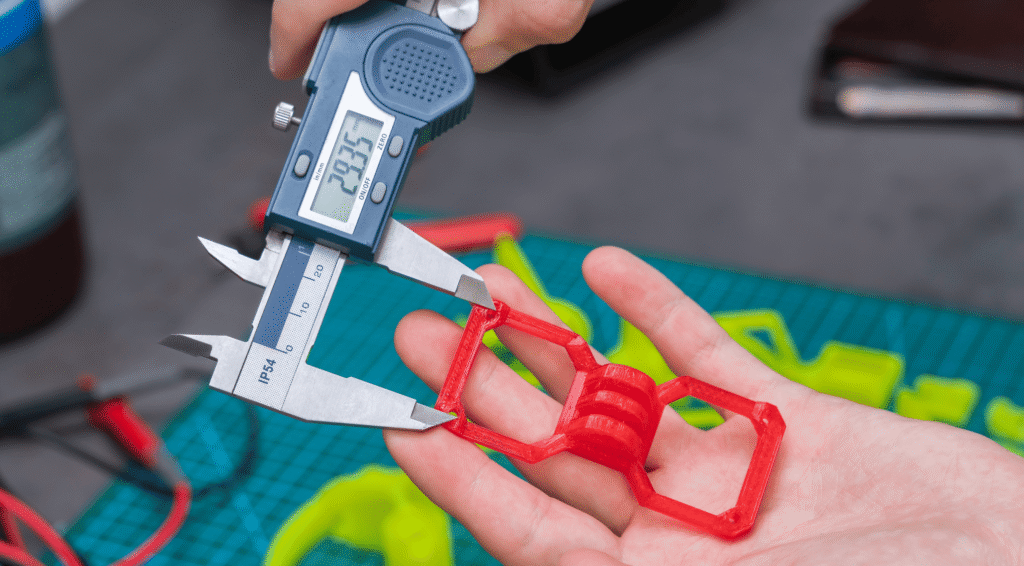
Maintain a minimum wall thickness of $0.8\text{mm}$ for small features and $1.5\text{mm} \sim 2.0\text{mm}$ for large planar enclosures. Large flat plates tend to accumulate thermal stress from laser exposure, requiring structural ribs to prevent warping.
Hollowing thick SLS parts saves up to 50% material cost. Ensure hollowed parts include at least two powder escape holes (minimum $5.0\text{mm}$ diameter) to allow un-fused powder to be media-blasted out cleanly after printing.
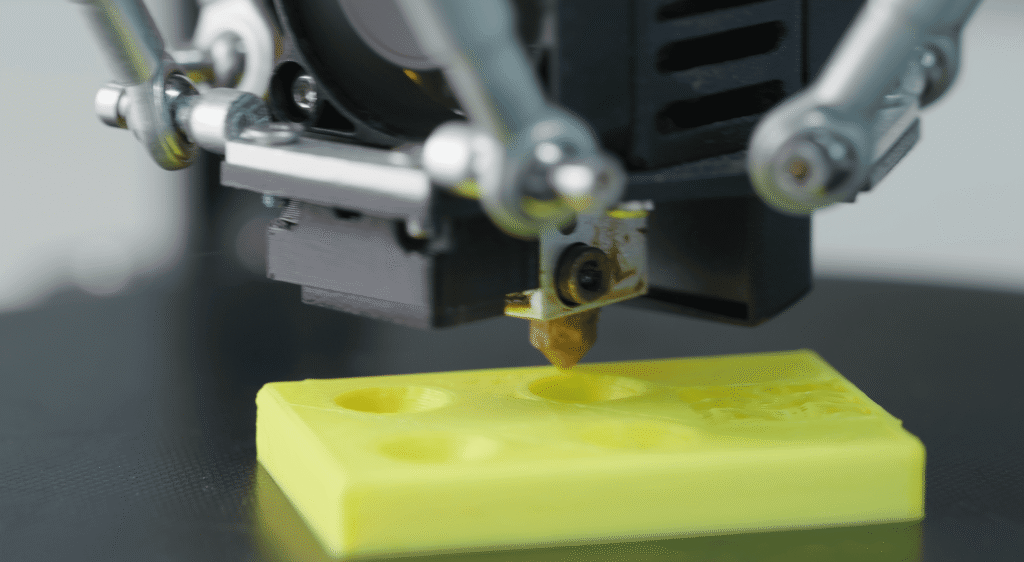
SLS allows printing fully assembled mechanical hinges and gears in a single build. Maintain a minimum clearance gap of $0.5\text{mm}$ between mating surfaces to prevent un-sintered powder from trapping and fusing the parts together.
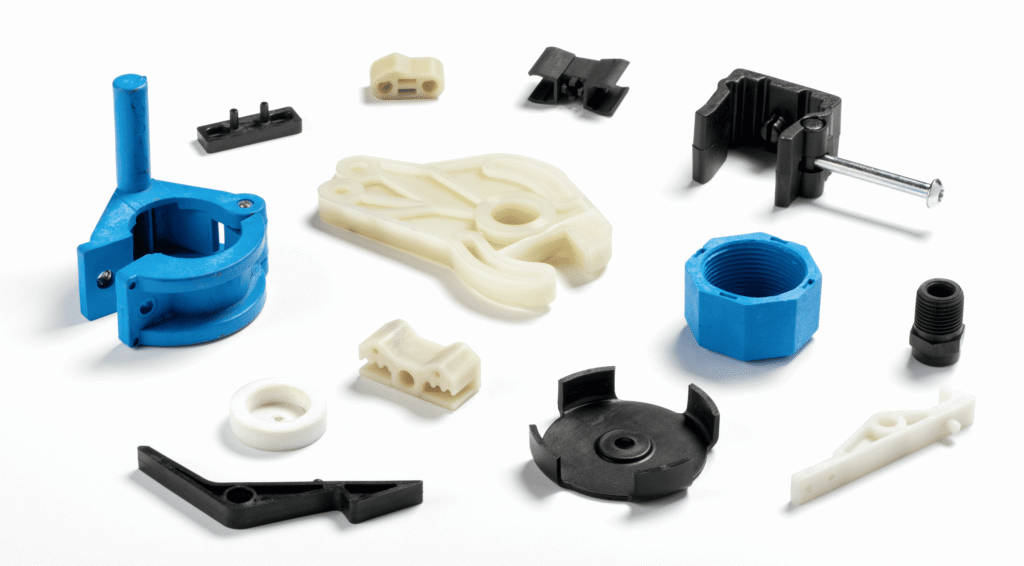
SLS fuses nylon powder to create durable, impact-resistant structural parts without support structures. SLA cures liquid resin to produce ultra-smooth, highly detailed cosmetic models, but requires support structures.
Raw SLS components have a fine, slightly grainy matte surface texture similar to fine sandstone. Optional post-processing like vapor smoothing or media blasting can significantly smooth the surface.
Standard SLS nylon is slightly porous and can absorb moisture over time. For liquid or gas containment, we recommend specifying chemical vapor smoothing or a specialized sealant coating.
Yes. SLS Nylon PA12 and PA11 possess high tensile strength, excellent fatigue resistance, and isotropic properties, making them suitable for functional ducting, drone frames, and automotive enclosures.
After printing, parts are removed from the powder cake and media-blasted with compressed air and glass beads. For complex internal channels, we recommend designing escape holes of at least 5.0mm in diameter.
Once we receive your design files, our senior manufacturing engineers will manually perform a comprehensive DFM review and deliver an accurate, optimized quote within 24 hours.