Precision ABS plastic component fabrication via CNC Machining, Rapid 3D Printing (SLA/FDM), and Injection Molding. Delivering lightweight durability, excellent impact resistance, and versatile surface finishing with tight tolerances down to ±0.02 mm.
✅ All Design Uploads Are Secure & Confidential
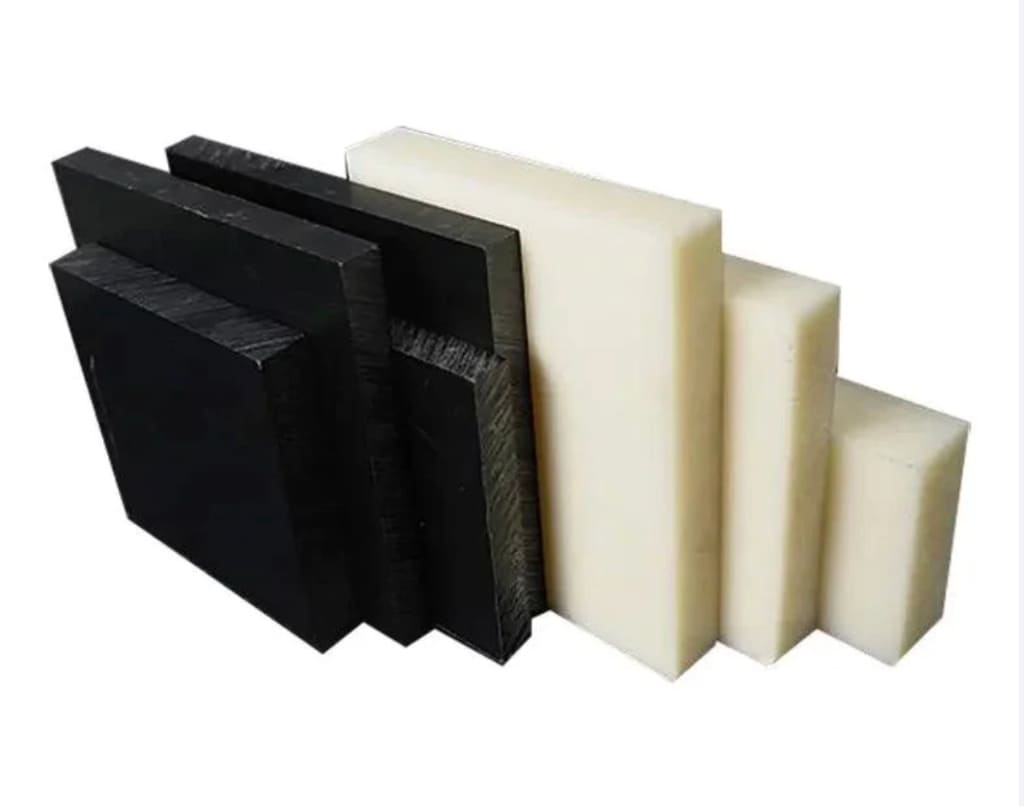
Review key physical and mechanical properties of standard engineering-grade ABS resin for your custom prototypes and production parts.
| Technical Property | Standard Value | Test Condition / Unit |
|---|---|---|
| Density | 1.04 – 1.06 g/cm³ | ISO 1183 / ASTM D792 |
| Tensile Strength (Yield) | 40 – 50 MPa | ISO 527 (50 mm/min) |
| Flexural Modulus | 2.1 – 2.4 GPa | ISO 178 |
| Izod Impact Strength (Notched) | 15 – 25 kJ/m² | ISO 180 (23°C) |
| Heat Deflection Temp (HDT) | 85 – 95 °C (185 – 203 °F) | ISO 75 (0.45 MPa) |
| Rockwell Hardness | R105 – R115 | ISO 2039-2 |
| Machinability & Bonding | Outstanding / Excellent | CNC, Glue, Sonic Weld |
Customize the texture, color, and luster of your custom ABS enclosures and functional models.
Evaluate the versatile material performance and processing characteristics of ABS resin
CNC Machining: Best for 1 to 500 parts requiring solid production-grade material density, tight tolerances (±0.02 mm), and smooth surface finishes.
3D Printing (SLA/FDM): Ideal for rapid 1-to-3-day prototype validation with complex internal geometries.
Injection Molding: Best for high-volume mass production (1,000+ parts) to reach the lowest unit cost.
Yes! ABS is one of the very few plastics that can easily undergo chemical etching and electroplating. We offer chrome, satin nickel, and gold electroplating, giving your ABS parts an authentic metallic luster, cool tactile feel, and enhanced scratch resistance.
Raw ABS degrades under ultraviolet (UV) radiation over time. For outdoor applications, we recommend applying a custom UV-resistant polyurethane spray coat or choosing a black UV-stabilized ABS resin grade.
Standard commercial ABS is not food-contact rated. However, we offer specialized Medical-Grade ABS (ISO 10993 compliant) and FDA-compliant ABS resins upon request for medical device housings and diagnostic instrument covers
We accept STEP (.stp / .step), IGES (.igs), and SolidWorks (.sldprt) CAD files for automated pricing and DFM analysis. If your part requires custom threads, critical snap-fit assembly tolerances, or Pantone paint matching, please also attach a 2D PDF drawing.
Once we receive your design files, our senior manufacturing engineers will manually perform a comprehensive DFM review and deliver an accurate, optimized quote within 24 hours.