High-precision titanium component manufacturing via 5-Axis CNC Machining and Metal 3D Printing (SLM/DMLS). Engineered for high strength-to-weight ratio, biocompatibility, and extreme temperature endurance with tight tolerances down to ±0.01 mm.
✅ All Design Uploads Are Secure & Confidential
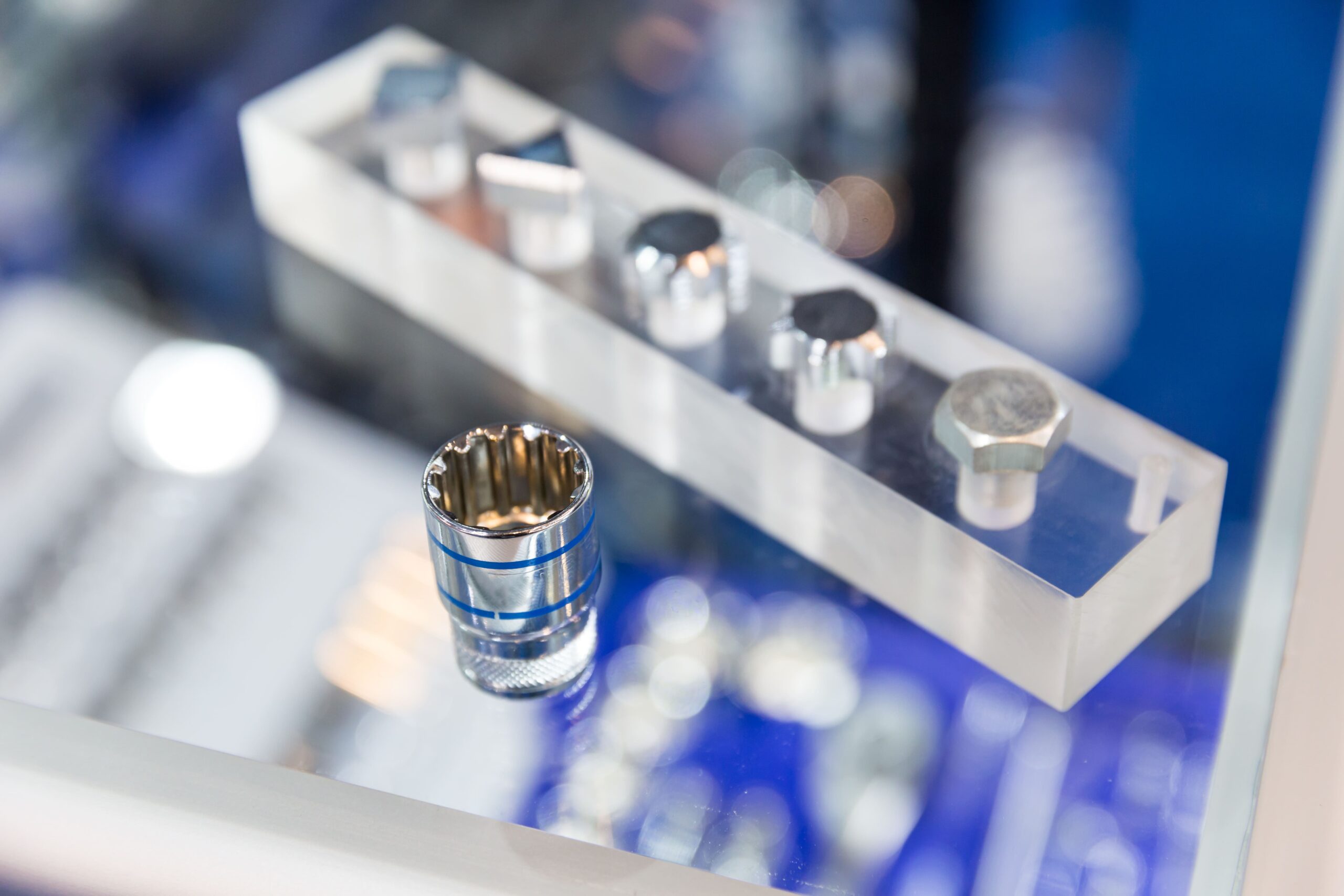
Select the optimal titanium grade tailored to your mechanical stress requirements, medical compliance, or additive manufacturing needs.
| Alloy Grade | Primary Process | Key Characteristics & Advantages | Typical Applications |
|---|---|---|---|
|
Titanium Grade 5 (Ti-6Al-4V)
Aerospace Workhorse (Alpha-Beta)
|
5-Axis CNC Machining | The most widely used titanium alloy. Delivers an extraordinary strength-to-weight ratio, high fracture toughness, and superior corrosion resistance in aerospace environments. | Aircraft structural frames, jet engine fasteners, motorsport suspension, high-stress brackets. |
|
Titanium Grade 2
Commercially Pure Titanium (CP)
|
CNC Machining Sheet Metal | Unalloyed pure titanium offering maximum corrosion resistance, supreme cold formability, excellent weldability, and moderate mechanical strength. | Chemical processing heat exchangers, marine hardware, desalinization systems, exhaust components. |
|
Titanium Grade 23 (Ti-6Al-4V ELI)
Medical Grade (Extra Low Interstitial)
|
CNC Machining | Higher purity version of Ti-6Al-4V with lower interstitial elements. Delivers superior fracture toughness, exceptional fatigue resistance, and full biocompatibility. | Surgical bone implants, orthopedic joint replacements, dental screws, medical instruments. |
|
Ti-6Al-4V Powder
Additive Manufacturing
|
3D Printing (SLM/DMLS) | Fine spherical powder optimized for metal 3D printing. Ideal for lightweight organic topology optimization, internal conformal cooling, and porous lattice structures. | Complex porous bone implants, topological aerospace brackets, lightweight turbine nozzles. |
|
Titanium Grade 1
Most Ductile Pure Titanium
|
Sheet Metal Bending | The softest and most ductile pure titanium grade. Features maximum cold formability and supreme resistance to saltwater and chlorinating media. | Deep-drawn chemical vessels, anodizing fixtures, marine plate heat exchangers. |
| Property | Ti Grade 5 (Ti-6Al-4V) |
Ti Grade 2 (Pure Titanium) |
Ti Grade 23 (Medical ELI) |
Ti-6Al-4V (3D Print) (Additive SLM) |
|---|---|---|---|---|
| Tensile Strength | 895–1000 MPa | 345–480 MPa | 860–960 MPa | 900–1150 MPa |
| Yield Strength | 828–910 MPa | 275–410 MPa | 790–830 MPa | 800–1000 MPa |
| Hardness (Rockwell / Brinell) | 36 HRC (330 HB) | 160–200 HB | 33 HRC (310 HB) | 35–40 HRC |
| Elongation at Break | 10–14% | 20–30% | 10–15% | 8–12% |
| Density | 4.43 g/cm³ | 4.51 g/cm³ | 4.43 g/cm³ | 4.41 g/cm³ |
| Biocompatibility | High | Excellent | Maximum (Medical) | Excellent |
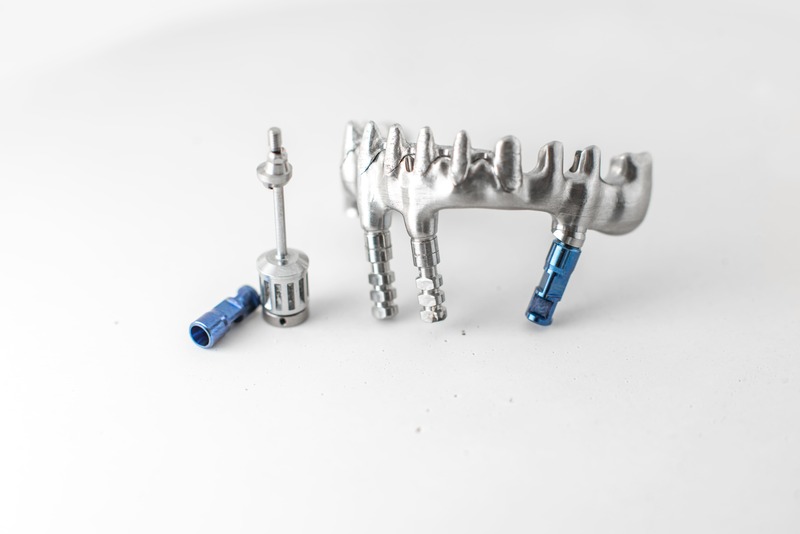
Enhance wear resistance, surface hardness, colorful visual identification, and biological integration.
Titanium is widely recognized as a premium engineering material. Review its performance benefits and manufacturing considerations below.
Ti-6Al-4V accounts for over 50% of total titanium usage worldwide. It balances extreme tensile strength (over 900 MPa), high fatigue resistance, and low density with excellent corrosion resistance, making it the industry standard for aerospace, defense, and racing.
Titanium Grade 23 is an "Extra Low Interstitial" version of Grade 5. By reducing oxygen, nitrogen, and iron content, Grade 23 offers higher fracture toughness and ductility at cryogenic temperatures, making it the mandatory standard for medical implants and surgical devices.
Titanium has low thermal conductivity, meaning heat stays at the cutting edge. We utilize rigid 5-axis CNC machines, custom sharp carbide end mills with TiAlN coatings, low cutting speeds, heavy feed rates, and high-pressure through-spindle coolant to ensure tight tolerances (down to ±0.01 mm).
Yes! Titanium SLM 3D printing is ideal for producing complex organic weight-reduced structural brackets, internal conformal cooling passages, and porous medical bone implants that cannot be manufactured via traditional CNC machining.
Please upload 3D CAD files in STEP (.stp / .step) or IGES (.igs) format for automated pricing and DFM analysis. For medical certifications, custom thread requirements, or color anodizing callouts, please attach 2D drawings in PDF or DWG format.
Once we receive your design files, our senior manufacturing engineers will manually perform a comprehensive DFM review and deliver an accurate, optimized quote within 24 hours.