Precision CNC machining, sheet metal fabrication, and busbar bending for Pure Copper and Brass components. Delivering high conductivity, excellent wear resistance, and tight tolerances down to ±0.01 mm.
✅ All Design Uploads Are Secure & Confidential
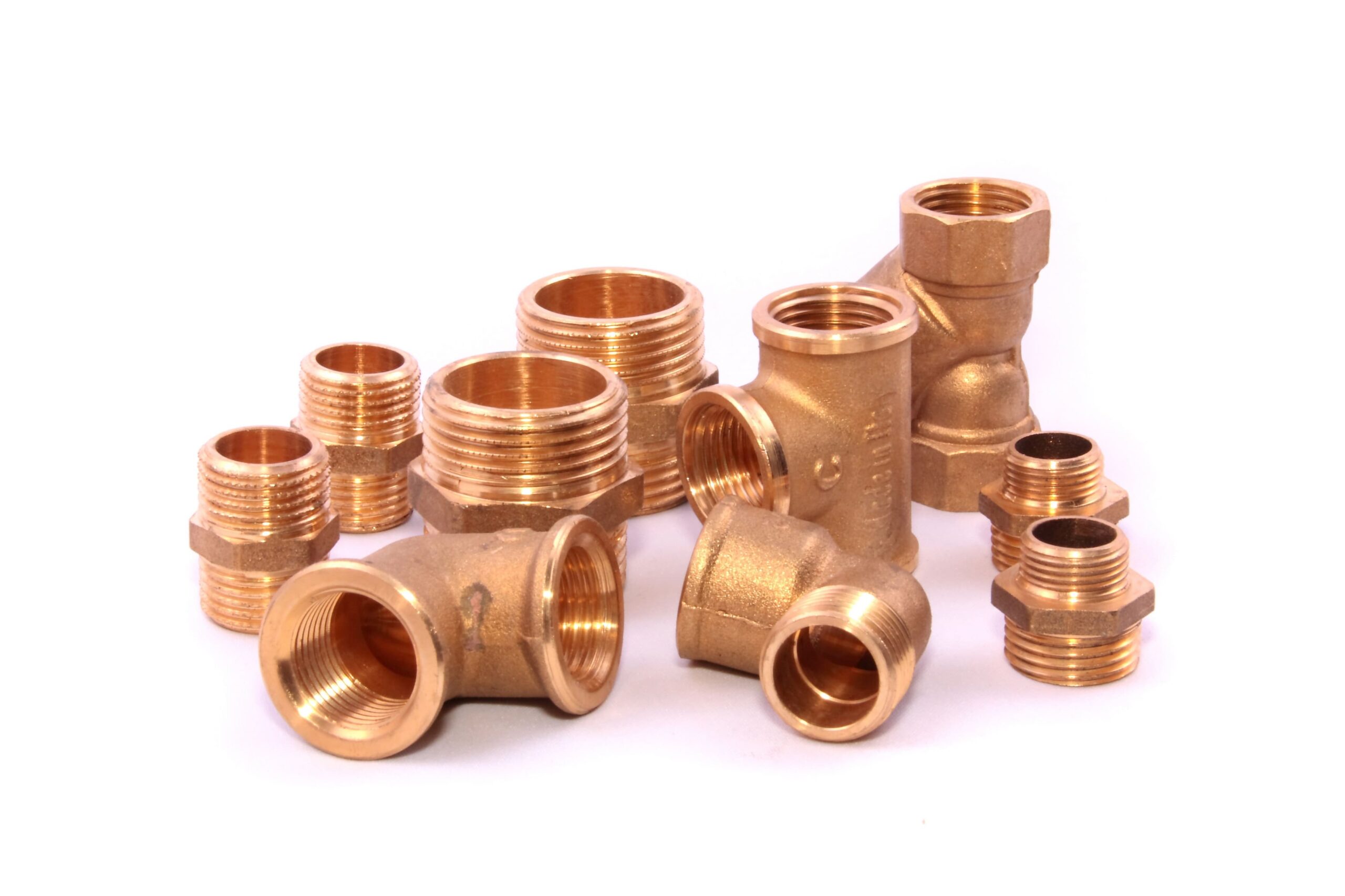
Select the ideal copper or brass grade tailored to your manufacturing process, electrical conductivity, thermal requirements, and surface finishing needs.
| Alloy Grade | Primary Process | Key Characteristics & Advantages | Typical Applications |
|---|---|---|---|
|
Pure Copper C11000
ETP High Conductivity
|
CNC Machining Sheet Metal | 100% IACS high electrical and thermal conductivity. Superior ductility, natural corrosion resistance, and high malleability for heavy power transmission. | EV battery busbars, power distribution, electrical contacts, heat sinks. |
|
Brass C36000
Free-Machining Standard
|
CNC Machining | Industry benchmark for machinability (100% rating). Delivers excellent surface finish, tight threaded tolerances, high strength, and low tool wear. | Precision threaded fasteners, fluid valves, gears, electrical pin connectors. |
|
Oxygen-Free Copper C10200
OFC Ultra-Pure Grade
|
CNC Machining Sheet Metal | High-purity oxygen-free copper (99.95% Cu) with high thermal conductivity and resistance to hydrogen embrittlement under vacuum brazing. | Semiconductor equipment, vacuum electronics, high-end audio, particle physics components. |
|
Brass C26800 / C26000
Stamping & Bending Brass
|
Sheet Metal | Non-leaded yellow brass with exceptional cold-working capacity, deep-drawing ductility, and an attractive golden metallic appearance. | Stamped terminal connectors, radiator cores, electrical clips, architectural trim. |
|
Beryllium Copper C17200
Ultra High-Strength & Spring
|
CNC Machining | Combines high tensile strength comparable to alloy steel with high hardness, non-sparking properties, and outstanding spring fatigue resistance. | Spring contacts, non-sparking safety tools, aerospace bushings, injection molds. |
|
CuCr1Zr (Copper Alloy)
Additive Manufacturing
|
3D Printing (SLM) | Copper-Chromium-Zirconium powder optimized for metal 3D printing. Combines high thermal conductivity with superior mechanical strength. | Rocket engine nozzles, conformal cooling channels, induction coils, organic heat sinks. |
| Property | C11000 (Pure Copper) |
C36000 (Free Brass) |
C17200 (Beryllium Cu) |
CuCr1Zr (3D Print Cu) |
|---|---|---|---|---|
| Tensile Strength | 220–380 MPa | 380–550 MPa | 1100–1400 MPa | 350–500 MPa |
| Yield Strength | 70–300 MPa | 150–310 MPa | 900–1200 MPa | 250–400 MPa |
| Hardness (Brinell) | 50–90 HB | 110–160 HB | 350–400 HB | 110–130 HB |
| Electrical Conductivity | 100% IACS | 28% IACS | 20–25% IACS | 75–85% IACS |
| Density | 8.89 g/cm³ | 8.50 g/cm³ | 8.25 g/cm³ | 8.90 g/cm³ |
| Machinability Rating | Fair (20%) | Excellent (100%) | Good (50%) | Good (Post-CNC) |
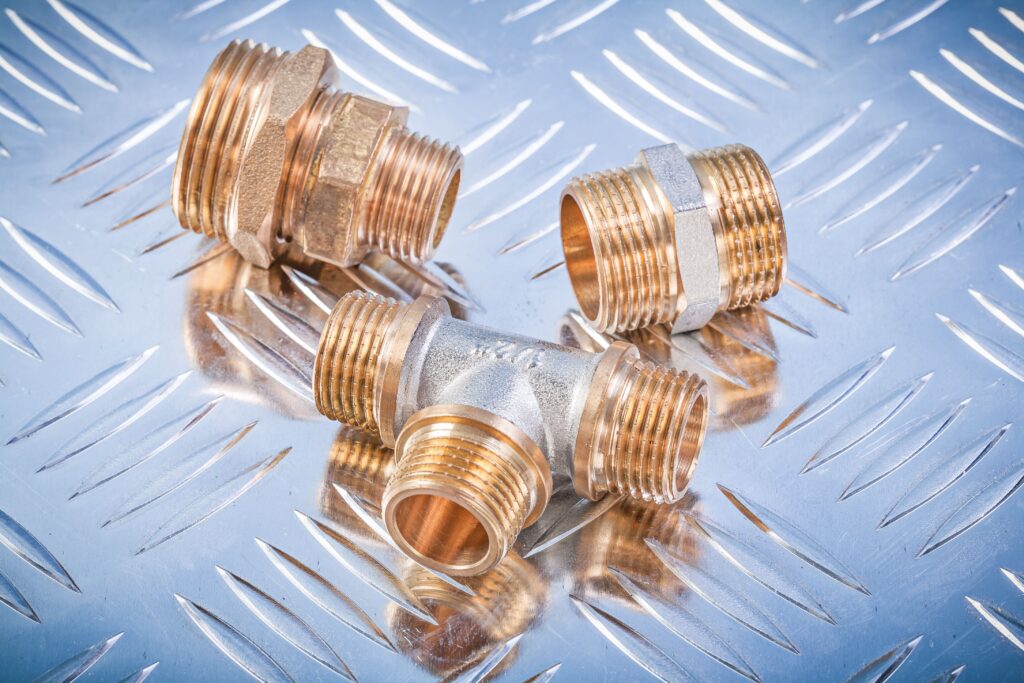
We offer a wide range of custom surface finishing options for copper and brass parts as part of our manufacturing services. Each finishing process is precisely executed to prevent oxidation, enhance electrical conductivity, improve wear resistance, and deliver an aesthetic metallic appearance.
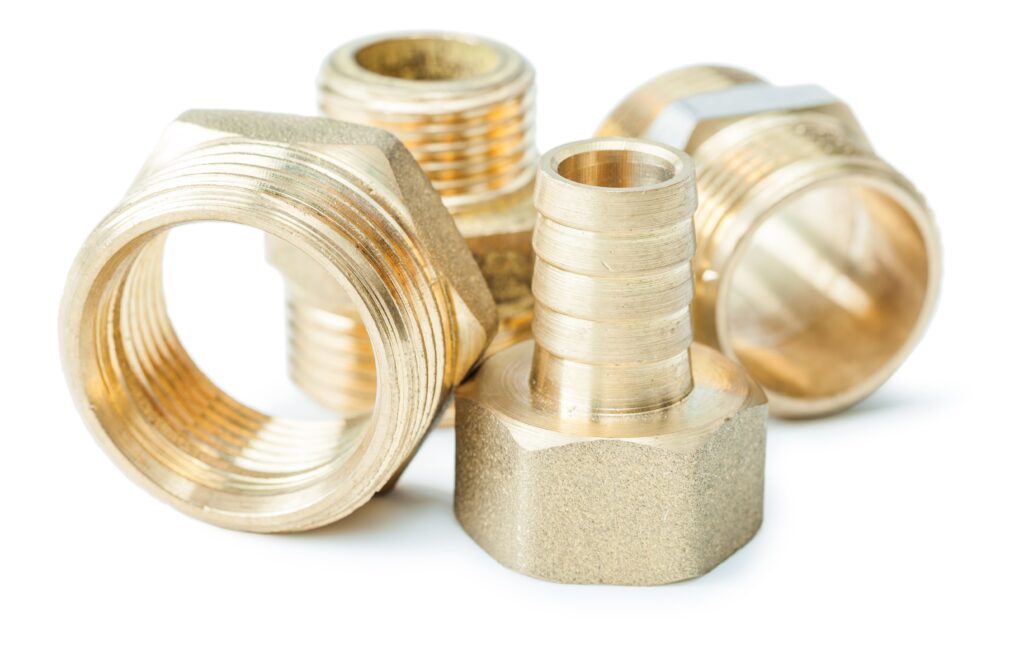
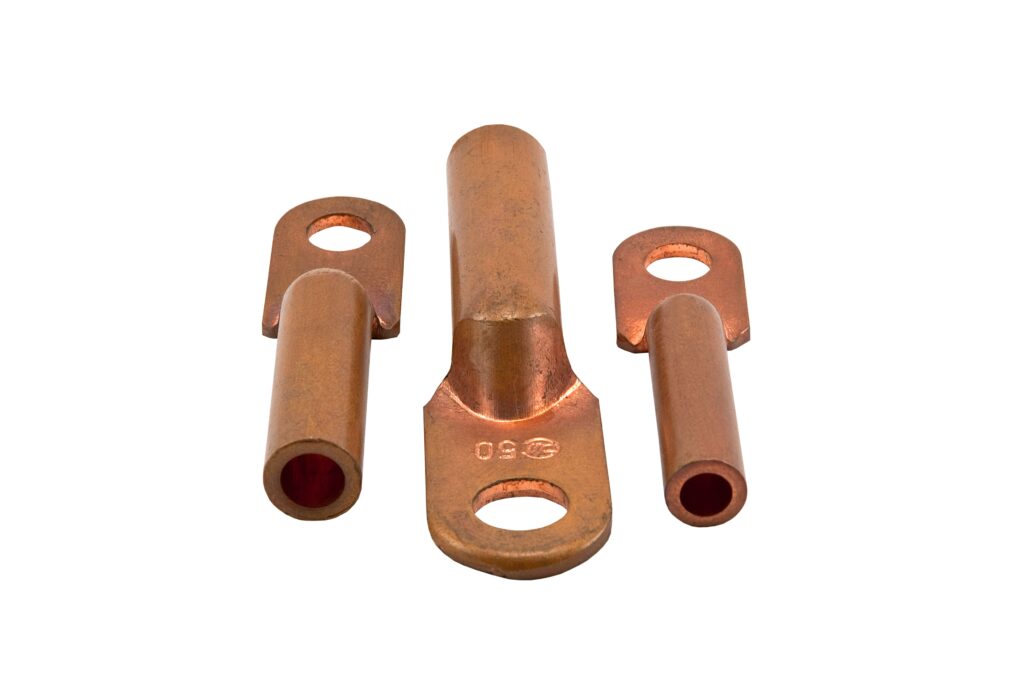
Copper and brass alloys are widely specified across electronics, automotive, and fluid control industries due to their exceptional physical properties. Understanding their key performance advantages and machining characteristics helps in selecting the ideal alloy grade for your engineering requirements.
Pure Copper (e.g., C11000, C10200): Consists of 99.9%+ copper with reddish appearance. It delivers maximum electrical (100% IACS) and thermal conductivity, making it ideal for EV busbars, power contacts, and heat sinks.
Brass (e.g., C36000, C26800): An alloy of copper and zinc with a golden appearance. It features superior machinability (100% rating), higher hardness, and lower cost, making it perfect for threaded valves, fittings, fasteners, and gears.
Bare copper and brass oxidize rapidly in air, forming a dark patina. Electroplating adds a protective barrier:
Tin Plating: Prevents oxidation and provides excellent solderability for EV battery busbars.
Nickel Plating: Offers high hardness, wear resistance, and long-term corrosion protection.
Silver Plating: Delivers maximum electrical conductivity and low contact resistance for high-voltage power transmission.
Yes. We offer end-to-end custom copper busbar fabrication, including CNC punching, laser cutting, precision hydraulic bending, surface electroplating (tin/nickel/silver), and the application of heat-shrinkable PVC/PE insulation sleeves or fluid bed epoxy powder coating for high-voltage dielectric safety.
Pure copper is highly ductile and prone to tool clogging. We utilize custom high-rake sharp carbide cutting tools, high-pressure coolant systems, optimized high-speed milling feeds, and specialized clamping fixtures to prevent part distortion and achieve burr-free, tight-tolerance (down to ±0.01 mm) finished components.
For automated 3D pricing and DFM (Design for Manufacturability) evaluation, please submit 3D CAD files in STEP (.stp / .step), IGES (.igs), or SolidWorks (.sldprt) format. For custom screw threads, tight tolerances, or critical surface plating specifications, please also include a 2D drawing in PDF or DWG format.
Once we receive your design files, our senior manufacturing engineers will manually perform a comprehensive DFM review and deliver an accurate, optimized quote within 24 hours.