Reduce unit costs and scale production with reliable high-volume CNC machining. TENGHUI operates 50+ CNC machines to support repeat production of custom metal and plastic parts, with consistent quality, scheduled deliveries, and monthly volumes exceeding 5,000 pieces for suitable projects.
Upload your CAD files and drawings to receive a project-specific quotation, typically within 24 hours after complete information is received.
✅ All Design Uploads Are Secure & Confidential
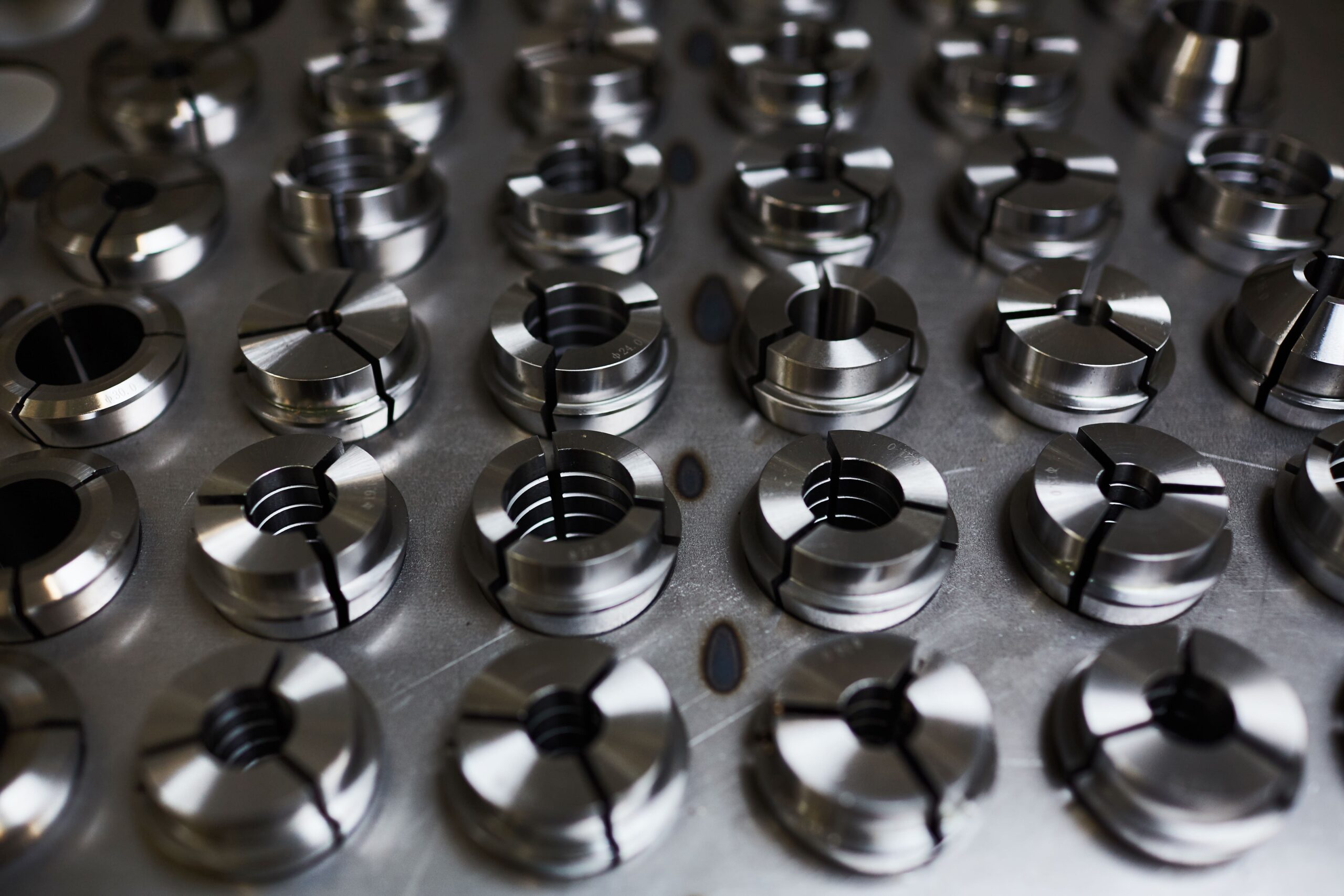
Supports repeat production of brackets, housings, enclosures, frames, plates, heat sinks, fixtures, and other prismatic components.
Suitable for shafts, pins, bushings, spacers, fittings, sleeves, threaded components, and other rotational parts.
Actual capacity and tolerance capability depend on the part size, material, geometry, machining time, surface finish, and inspection requirements.
We review your 3D CAD files, 2D drawings, materials, tolerances, quantities, finishing requirements, and inspection standards. Our engineers identify potential manufacturing risks and opportunities to reduce machining time and cost.
We select suitable machines, cutting tools, workholding methods, machining sequences, inspection equipment, and secondary processes. Custom or multi-part fixtures may be developed when they can improve production efficiency and repeatability.
Initial parts are manufactured and inspected before full batch production. Critical dimensions, materials, appearance, and surface finishes can be verified according to the agreed requirements.
After approval, production proceeds using documented setups and controlled machining parameters. Tool condition and critical dimensions are monitored at planned intervals.
Parts are deburred, cleaned, finished, and inspected according to the drawing and purchase-order requirements. CMM inspection and customized inspection reports are available when required.
Parts are packaged according to their dimensions, finish, and protection requirements. Complete shipments or scheduled batch deliveries can be arranged according to the agreed production plan.
Maintaining consistency across repeated production batches requires a clear inspection plan and a strictly controlled manufacturing process from incoming stock to final delivery.
Our standard CNC machining tolerance is typically ±0.05 mm. Precision tolerances down to ±0.01 mm can be achieved for selected critical features after detailed engineering review.
Avoid specifying extremely tight tolerances on non-critical dimensions. Unnecessary tight limits significantly increase machining cycles, inspection overhead, scrap risk, and overall production unit costs.
Standard material grades, plate thicknesses, and bar diameters are easier to source, reduce lead times, and lower unit costs for repeat production.
Designing parts so critical features can be accessed in fewer part orientations reduces handling, fixture changes, and accumulated setup errors.
Deep pockets require long reach tools and slower feed rates. Reducing depth or increasing internal corner radii extends tool life and shortens cycles.
Specify tight tolerances only where essential for function, fit, or mating. Apply standard machining tolerances to non-critical dimensions.
Using standard drill sizes and common metric/inch threads eliminates custom tool grinding, speeds up setups, and streamlines QC inspection.
Provide fully dimensioned 2D drawings showing datums, critical tolerances, threads, finishes, and specific inspection standards prior to quoting.
Successful high-volume CNC machining requires more than additional machine capacity. It depends on stable workholding, repeatable machining programs, controlled tooling, suitable inspection methods, and reliable material and finishing supply.
TENGHUI develops a production plan based on your part geometry, material, tolerance, quantity, surface finish, inspection requirements, and delivery schedule.
Programming, setup, fixtures, and first-article inspection create initial manufacturing costs. As production quantities increase, these costs can be distributed across more parts, reducing the unit cost.
For suitable components, we use multi-part fixtures, standard tooling, optimized toolpaths, and efficient material layouts to shorten machining cycles and reduce waste.
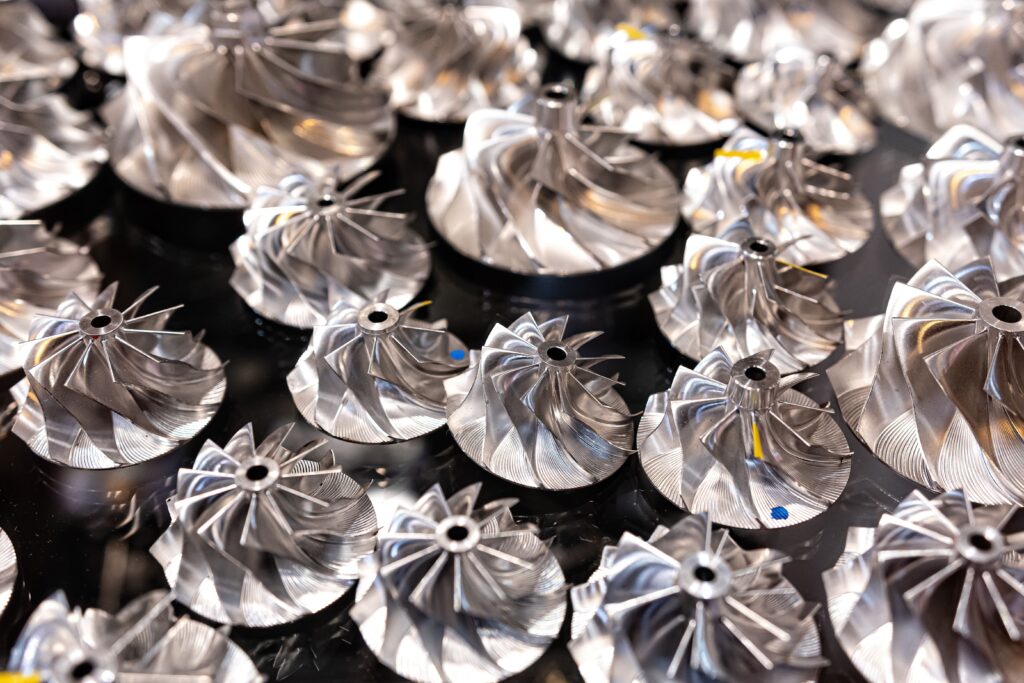
Our 50+ CNC machines allow us to allocate suitable equipment according to part geometry and production demand. Automatic bar feeders, multi-part workholding, and standardized machining setups may be used to improve production efficiency.
Monthly production capacity is confirmed after reviewing the part design, material, cycle time, tolerance, finishing, and inspection requirements.
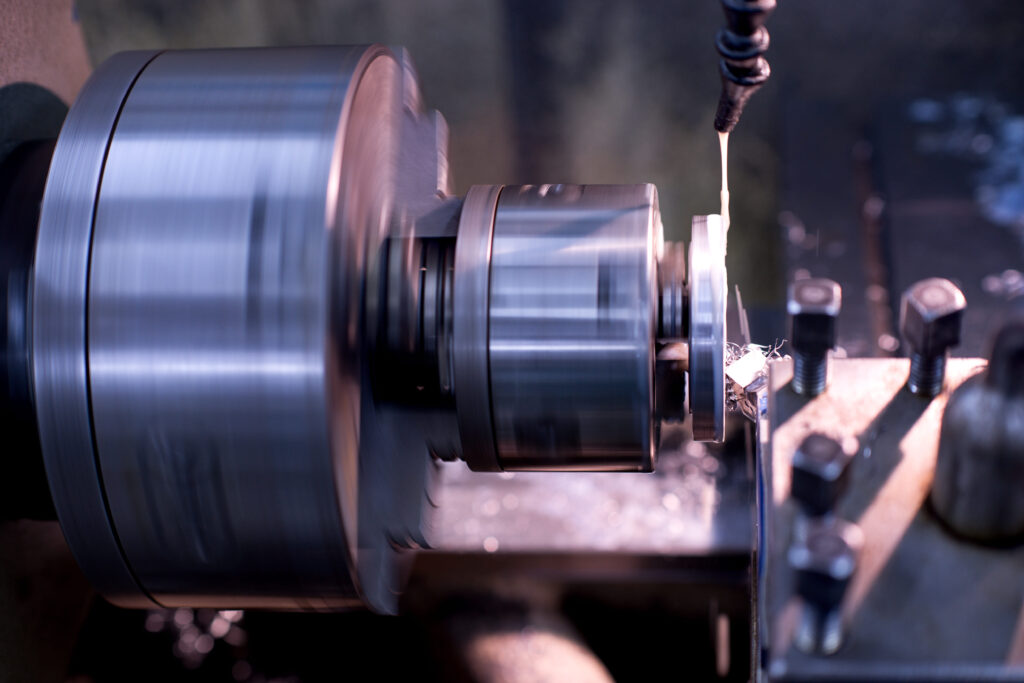
Approved machining programs, stable workholding, tool-life monitoring, in-process measurement, and final inspection help maintain dimensional and visual consistency across repeat orders.
First-article inspection, CMM inspection, material certificates, and dimensional reports can be provided when requested and agreed upon before production.
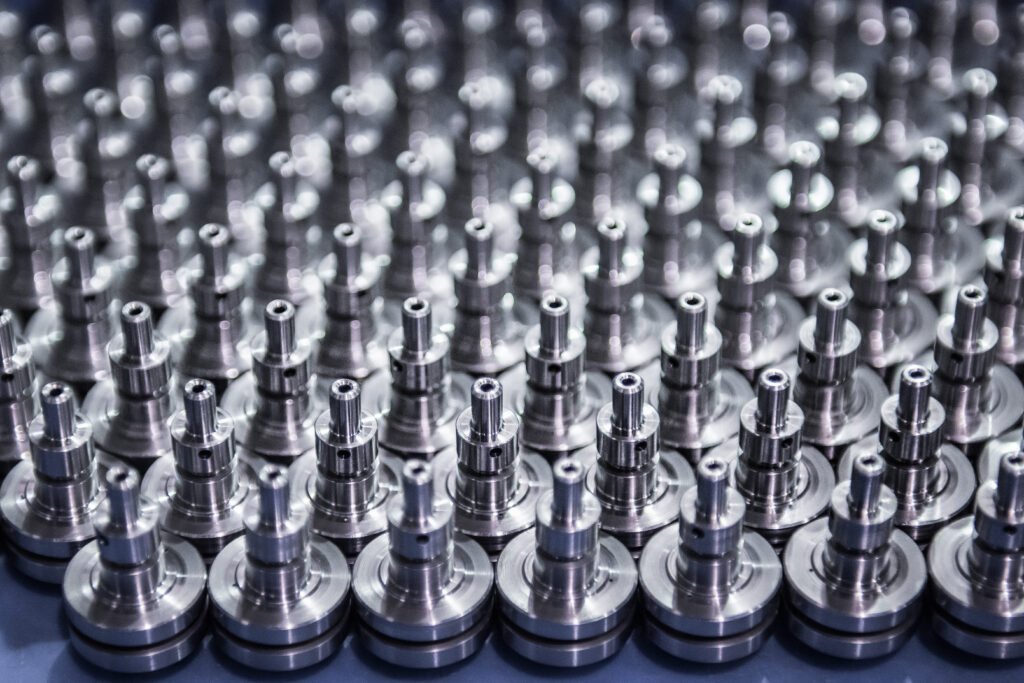
There is no single quantity that applies to every component. Several hundred pieces may be considered high volume for a large or complex part, while smaller components may be produced in batches of several thousand.
The appropriate production method depends on part geometry, material, machining time, tolerance, finishing, and delivery requirements.
Yes. Monthly volumes exceeding 5,000 parts are achievable for suitable projects. Actual capacity depends on the component size, complexity, cycle time, material, surface finish, and inspection requirements.
Send us your drawings and expected monthly demand so that we can evaluate production capacity accurately.
We use approved machining programs, stable fixtures, controlled machining parameters, tool-life monitoring, in-process inspection, and final batch inspection.
Critical dimensions can also be verified using gauges, optical measuring equipment, or CMM inspection according to the project requirements.
Yes. Initial parts can be manufactured and inspected before full-scale production. Batch production begins after the required dimensions, materials, surface finishes, and appearance standards have been approved.
Yes. We can arrange partial shipments or scheduled batch deliveries based on the confirmed purchase order, production forecast, material availability, and agreed delivery schedule.
Our general machining tolerance is typically ±0.05 mm. Tolerances down to ±0.01 mm may be available for selected critical features after engineering review.
Achievable tolerances depend on material, part geometry, feature size, surface finish, and inspection requirements.
Use standard materials and stock sizes, reduce the number of machining setups, avoid unnecessarily deep pockets, increase internal corner radii, and apply tight tolerances only to critical features.
Our engineering team can review your design and recommend practical DFM improvements before production.
Please provide:
Please provide:
Once we receive your design files, our senior manufacturing engineers will manually perform a comprehensive DFM review and deliver an accurate, optimized quote within 24 hours.