High-speed, production-grade thermoplastic 3D printing designed for high-density nylon parts with balanced isotropic strength, complex geometries, and fine feature definition. Perfect for functional prototyping and cost-effective end-use manufacturing.
✅ All Design Uploads Are Secure & Confidential
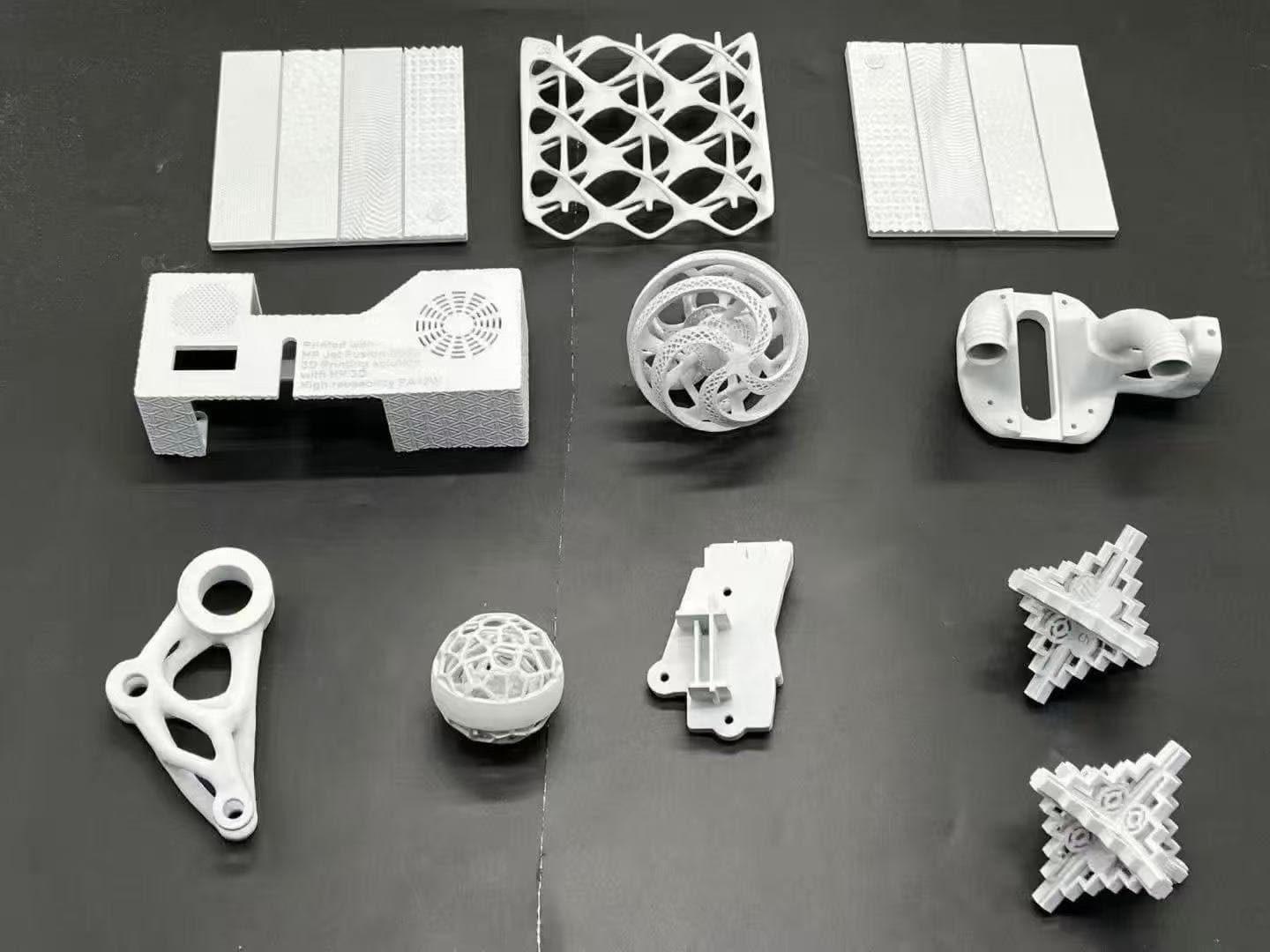
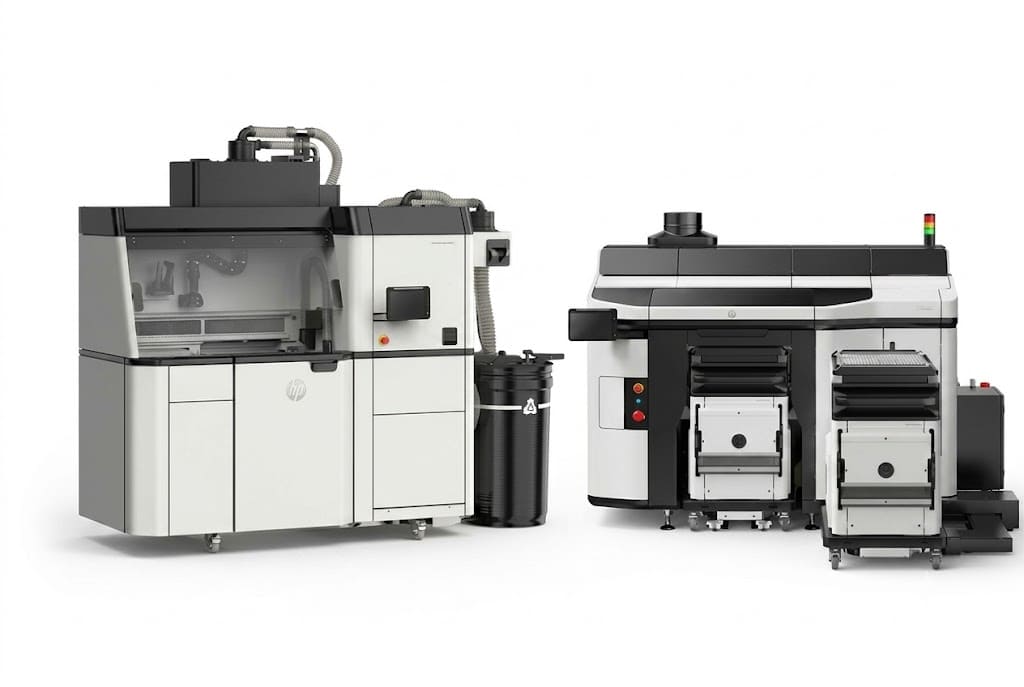
Multi Jet Fusion (MJF) is an advanced powder-bed fusion additive manufacturing technology developed by HP. The process utilizes an inkjet array to selectively apply fusing and detailing agents across a bed of nylon powder, which are then fused into solid layers using infrared heating elements.
Unlike traditional 3D printing, MJF applies heat across the entire print bed uniformly, resulting in ultra-fast build times, exceptional dimensional accuracy, and isotropic mechanical strength along all X,Y,Z axes. Because the unfused powder acts as natural support, MJF enables total design freedom without geometric support structures.
Select from our range of high-density thermoplastics engineered for high toughness, chemical resistance, and end-use structural performance.
The most versatile MJF material offering high part density, excellent chemical resistance, and balanced mechanical toughness for functional components.
Bio-based polyamide delivering higher ductility, elevated impact resistance, and high elongation at break for living hinges and snap-fit assemblies.
Reinforced with 40% glass beads to achieve superior dimensional stability, high stiffness, and warp resistance under mechanical stress.
Flexible elastomeric polyurethane engineered for rubber-like applications, providing outstanding tear strength, flexibility, and shock absorption.
Highly chemical-resistant and low-density polymer ideal for lightweight fluid containers, automotive ducting, and living hinge prototypes.
Certified flame-retardant polyamide tailored for aerospace interior housings, automotive electronics, and demanding electrical enclosures.
MJF fuses full powder layers in a single pass using infrared lamps, delivering up to 10x faster printing speeds than conventional 3D technologies for rapid bridge production.
Selective fusing agents ensure complete molecular bonding across layer boundaries, delivering isotropic strength across XYZ axes comparable to plastic injection molding.
Every CAD model undergoes thorough manufacturability analysis to evaluate wall thickness thresholds, powder evacuation hole placements, and thermal sink mark risks.
We enforce rigorous quality assurance for every build, providing material batch certifications, CMM dimensional inspection reports, and thorough bead blasting verification.
Compare key performance metrics, turnaround speeds, surface densities, and cost efficiencies between Multi Jet Fusion and Selective Laser Sintering.
| Comparison Metric | HP Multi Jet Fusion (MJF) | Selective Laser Sintering (SLS) |
|---|---|---|
| Build Speed & Lead Time | Ultra-Fast: Fuses full powder lines in a single infrared pass (up to 10x faster). | Standard: Draws geometries point-by-point using CO₂ lasers. |
| Isotropic Strength (XYZ) | Exceptional: Homogeneous fusing agents ensure near-equal strength on Z-axis. | Good: Strong mechanical durability, though Z-axis strength is slightly reduced. |
| Part Density & Sealing | High Density: Low porosity, naturally water/air-tight for fluid containers. | Slightly Porous: Requires secondary vapor smoothing or coating for sealing. |
| Raw Color Finish | Charcoal Grey / Black: Best suited for deep black dyeing or spray painting. | White / Off-White: Ideal base color for custom multi-color dyeing. |
| Min Feature & Detail | Fine Detail (0.5mm): Detailing agents refine sharp edges and micro features. | Standard Detail (0.8mm): Limited by laser spot diameter and thermal bleed. |
| Cost Efficiency | High for Batches: Highly cost-effective for mid-volume production (50–5000+ pcs). | High for Prototypes: Cost-effective for single prototypes or very small runs. |
| Material Range | Focused on high-performance thermoplastics (PA12, PA11, PA12-GB, TPU, PP). | Broader polymer powder selection (Nylons, Flame-Retardant, Glass/Alu-Filled). |
Transform raw grey/black MJF parts into polished, deep-dyed, or smooth production-ready components.
Removes unfused powder particles using fine glass beads, delivering a clean, uniform grey matte surface texture across all faces.
Submerges raw grey MJF components into specialized heated dye baths, turning external surfaces into a uniform, rich black finish.
Exposes parts to vaporized solvent cycles that melt micro-surface roughness, producing a smooth, semi-glossy, and liquid-tight outer skin.
Matches exact Pantone or RAL color codes to coat dyed parts with durable matte, satin, or high-gloss cosmetic paint layers.
Applies custom patterned films such as carbon fiber or camouflage textures onto complex MJF enclosures for consumer electronic appeal.
Installs brass or stainless steel heat-set inserts into pre-designed boss holes, providing strong metal threads for repeated mechanical assembly.
Real-world engineering metrics to optimize wall thickness, powder evacuation, and clearance gaps for moving assemblies.
Maintain a minimum wall thickness of 0.8mm for small features and 1.5mm∼2.5mm for structural enclosures. Avoiding sudden wall thickness transitions prevents thermal sink marks and warping during cooling.
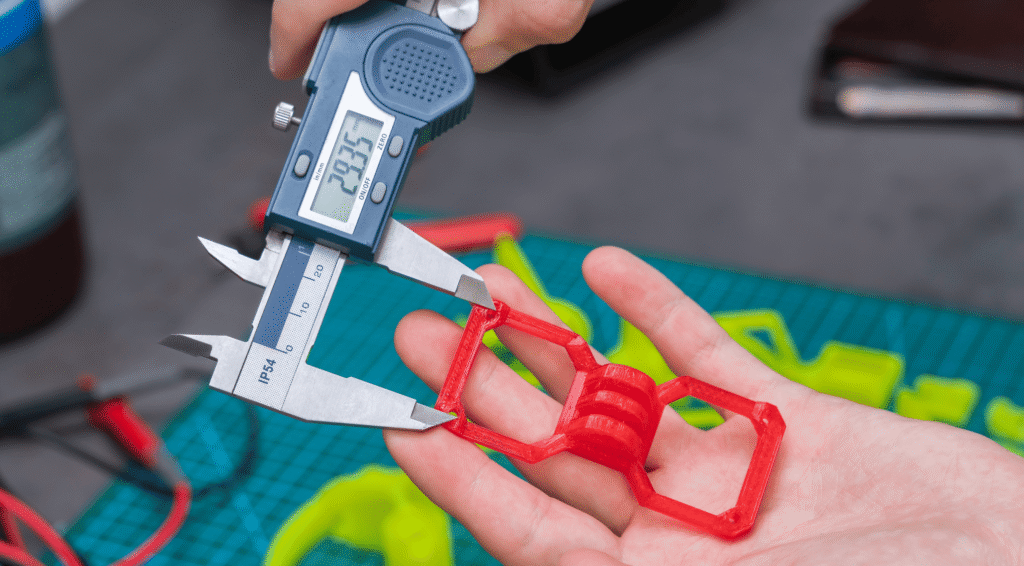
Hollowing thick parts reduces material cost by up to 50%. Incorporate at least two powder evacuation holes (minimum 4.0mm diameter) on opposite ends to allow unfused powder to be bead-blasted out.
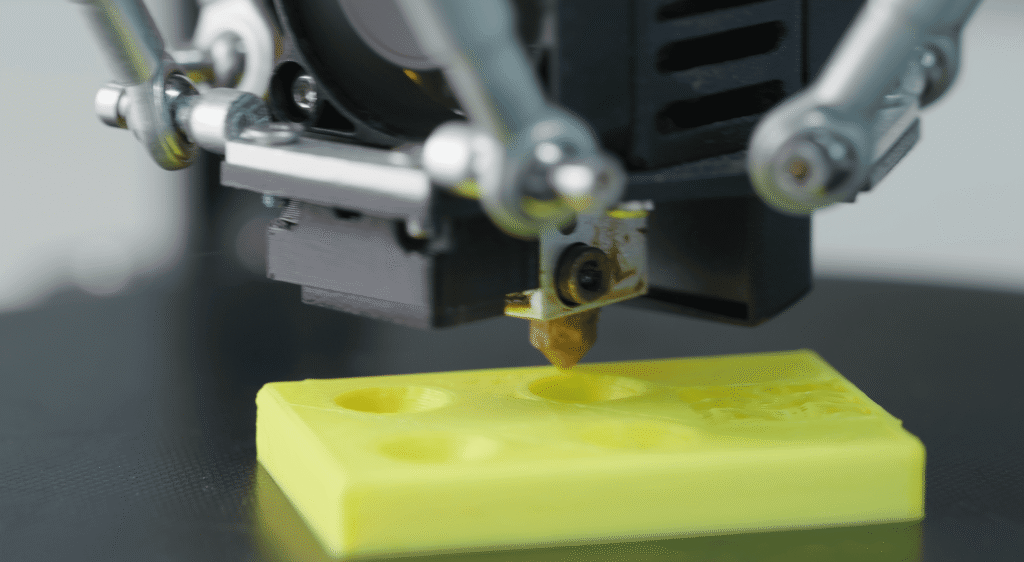
MJF allows printing pre-assembled gears and hinges in a single build. Maintain a minimum clearance gap of 0.5mm∼0.6mm between mating faces to prevent unfused powder from binding the joints.
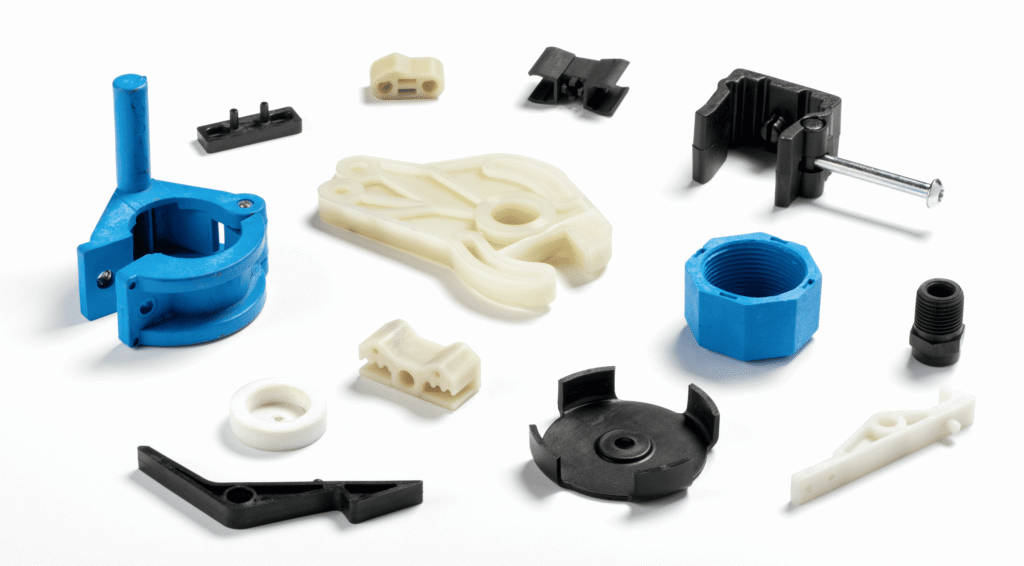
While both fuse nylon powder without supports, MJF uses liquid fusing agents and infrared lamps to build parts faster with higher surface density and more consistent isotropic strength (X,Y,Z) than laser-based SLS.
Raw MJF parts come out of the printer in a natural greyish charcoal color. We routinely perform black deep dyeing or custom painting to give parts a clean, uniform black or colored finish.
Yes. Due to high fusing density during printing, raw MJF PA12 parts are naturally water-tight for low-pressure liquid enclosures. For high-pressure sealing, vapor smoothing or sealant coatings are recommended.
Yes. MJF is ideal for bridge manufacturing and low-to-medium volume production runs (10 to 5,000+ units) without incurring high steel tooling and mold costs.
Post-printing, build units undergo automated cooling and powder recovery. Compressed air and glass bead blasting are used to clean internal channels. We recommend designing powder escape holes of at least 4.0mm in diameter.
Once we receive your design files, our senior manufacturing engineers will manually perform a comprehensive DFM review and deliver an accurate, optimized quote within 24 hours.