Consistent bends, tight tolerances, and rapid turnaround. From simple brackets to complex multi-bend enclosures, we deliver high-precision CNC bending in as fast as 3 days
✅ All Design Uploads Are Secure & Confidential
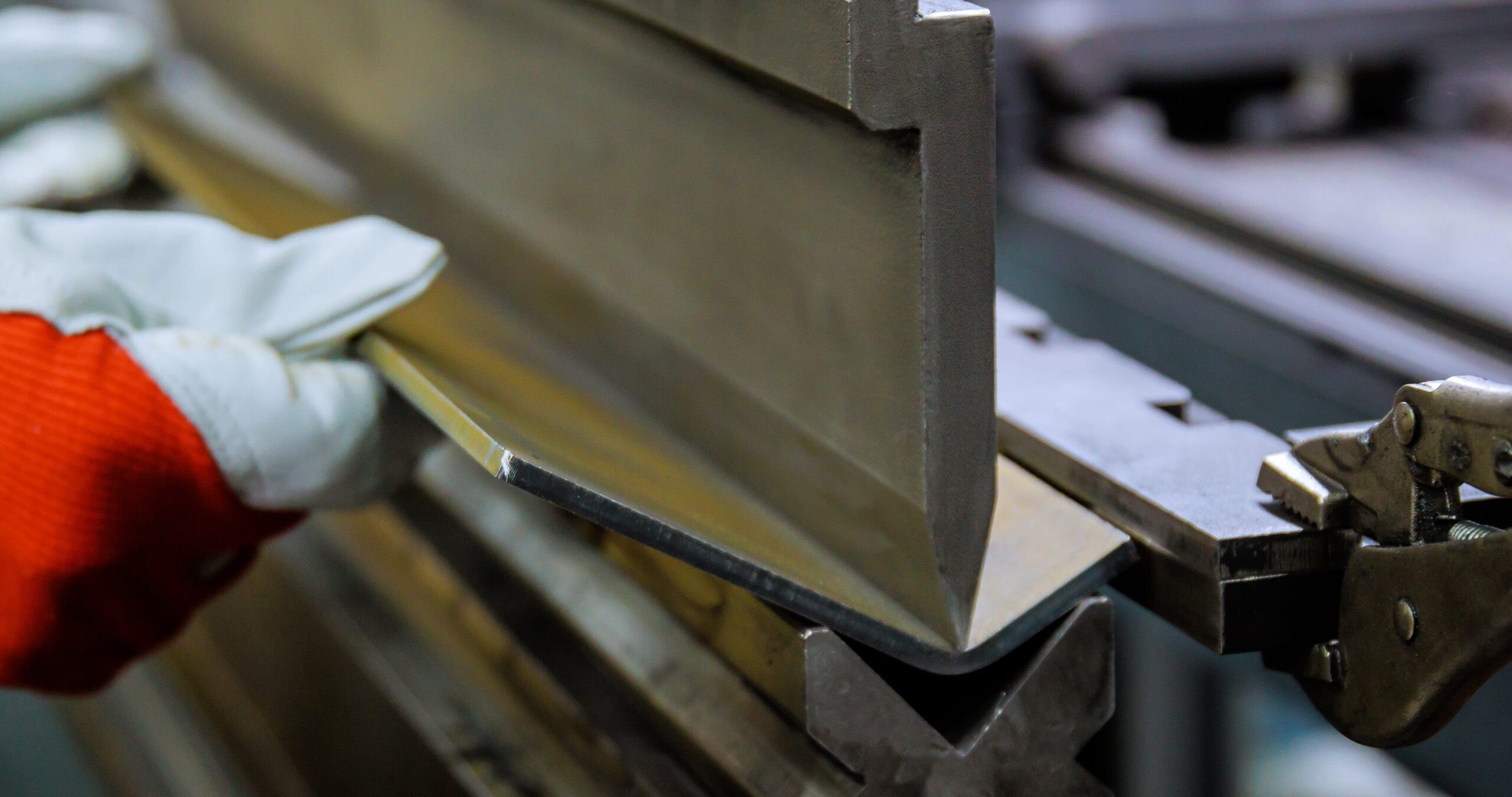
We utilize a diverse range of bending techniques to form complex 3D shapes from flat sheet metal. By matching the right bending method to your design, we ensure maximum structural strength, precise angles, and zero cosmetic damage.
The most widely used bending method. It utilizes a V-shaped punch and die to create precise, straight-line angles (typically 90° or 45°) on various sheet metal thicknesses.
Offers outstanding tooling flexibility. The punch presses the metal sheet into the die cavity without touching the bottom of the die, allowing multiple bend angles with a single toolset.
For projects requiring extreme precision. The punch presses the metal completely against the die bottom. This mechanical bottoming eliminates material springback, delivering superior accuracy.
Specifically designed for shaping parallel sides. By using a specialized U-shaped punch and die, we can form custom channels, brackets, and cabinets with perfectly parallel walls in a single stroke.
Also known as bump bending. It uses a series of multiple small, consecutive V-bends to create large, smooth radius curves without needing expensive custom radius tooling.
Perfect for pre-finished parts. Uses a rotating roll that rolls over the sheet during forming, drastically reducing sliding friction and preventing scratches on cosmetic surfaces.
We utilize CNC Press Brakes and high-performance hydraulic bending machines to process aluminum, stainless steel, carbon steel, and copper. CNC automation ensures that back-gauge positioning and depth control are held to extreme tolerances across every batch.
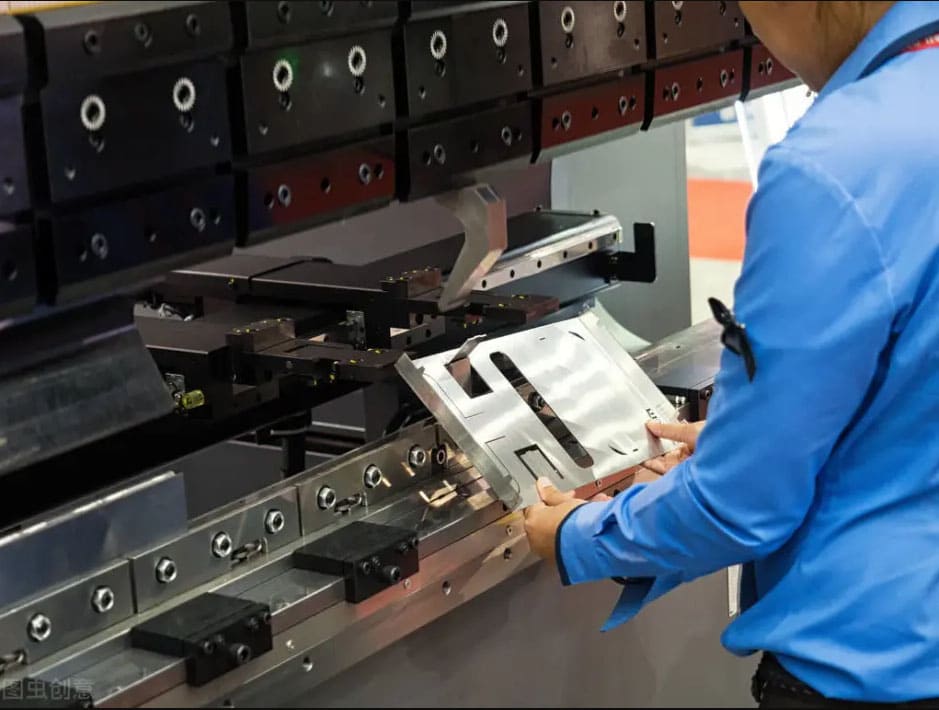
Metal bending allows the fabrication of parts in various shapes, ranging from simple brackets to highly complex components. It reduces part counts, enhances cosmetic appearance, and adapts to diverse industry designs.
Bending forms flat sheets into rigid 3D geometries, increasing mechanical strength and stiffness along the bend lines without adding extra fasteners or material weight.
CNC metal bending minimizes material waste and reduces post-process welding or secondary assembly steps. This ensures faster setups and lower unit costs for prototypes and production runs.
Our bending processes handle aluminum, stainless steel, carbon steel, and copper alloys seamlessly. This makes it an ideal solution for automotive, aerospace, consumer electronics, and medical equipment.
Review our recommended design guidelines to optimize your parts for seamless CNC production. By aligning your 3D models with these manufacturing best practices, you can significantly reduce cycle times, prevent machining errors, and lower overall production costs.
| Bending Parameter | Standard Tolerance | Engineering Impact |
|---|---|---|
| Bend Angles | ±1.0° to ±2.0° | Ensures precise fit-up for interlocking panels and structural brackets. |
| Bend Line & Flat-to-Bend Distance | ±0.5 mm | Maintains highly consistent outer dimensions across multiple parts. |
| Bend Radii | ±0.25 mm to ±0.5 mm | Mitigates material stress concentration to prevent fatigue cracking. |
| Hole-to-Bend Spacing | ±0.5 mm | Prevents physical elongation and oval deformation of nearby pierced holes. |
Sheet metal bending is a plastic deformation process that forces flat sheets into specified 3D profiles using advanced CNC press brake services. Unlike basic folding, custom precision sheet metal bending requires a deep understanding of material limits, tonnage calculation, and springback compensation.
At Tenghui, we utilize high-precision multi-axis CNC machines to form complex structural parts, electronic chassis, and heavy-duty enclosures while maintaining perfect consistency across low and high-volume production runs.
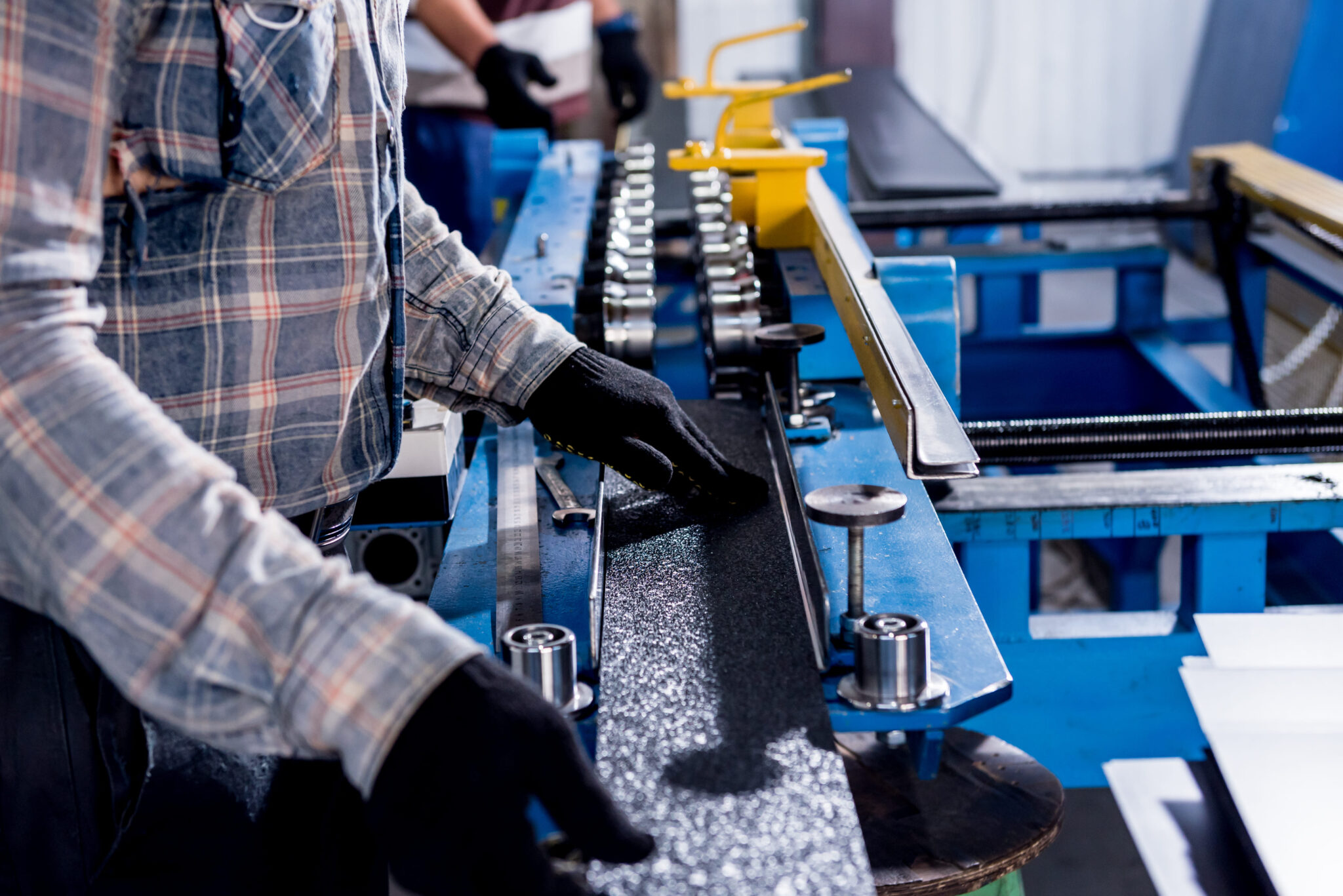
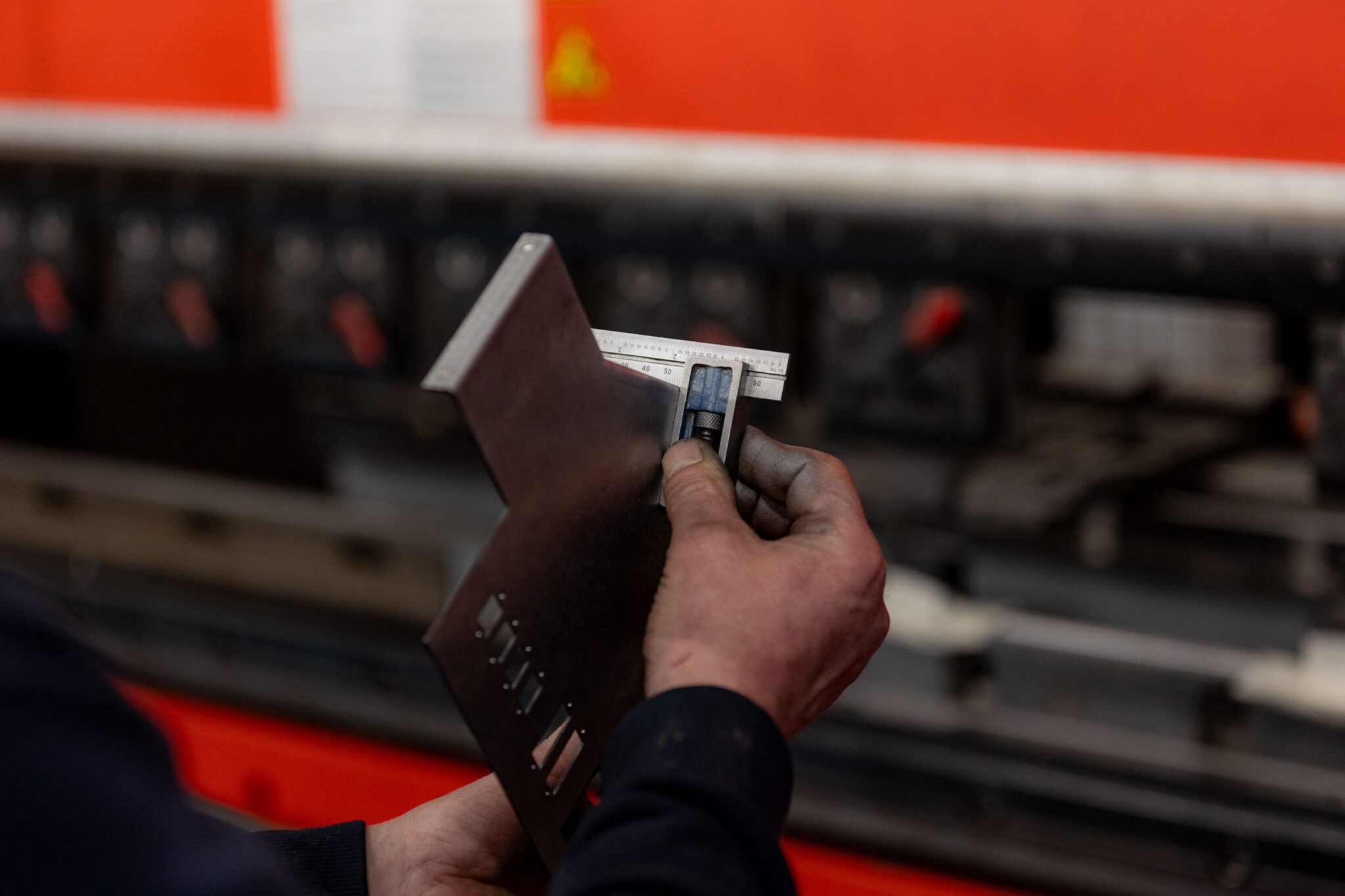
During the bending process, the metal sheet experiences inner compression and outer tension. To ensure the final flat pattern dimensions are accurate, calculating the sheet metal bending allowance and K-factor is crucial.
Another vital factor is adhering to the minimum bend radius of sheet metal. Forcing a radius smaller than the material thickness can cause visible cracking, micro-fractures, and structural weakness along the bend line. Our engineering team reviews every CAD file to optimize these parameters before the punch ever touches the metal.
Heavy-Duty Electronic Chassis: Rigid frame designs with precise multi-bend structures to house delicate PCBA boards and power units.
Custom Sheet Metal Brackets: Tailored mounting, structural, and supporting brackets designed to withstand high-stress environments.
Precision Aluminum Enclosures: Lightweight, rust-resistant, and aesthetically clean protective housings for medical devices, telecommunications, and industrial automation.
Structural Channels & Profiles: Deep-drawn U-channels and custom Z-profiles used extensively in automotive frames and mounting hardware.
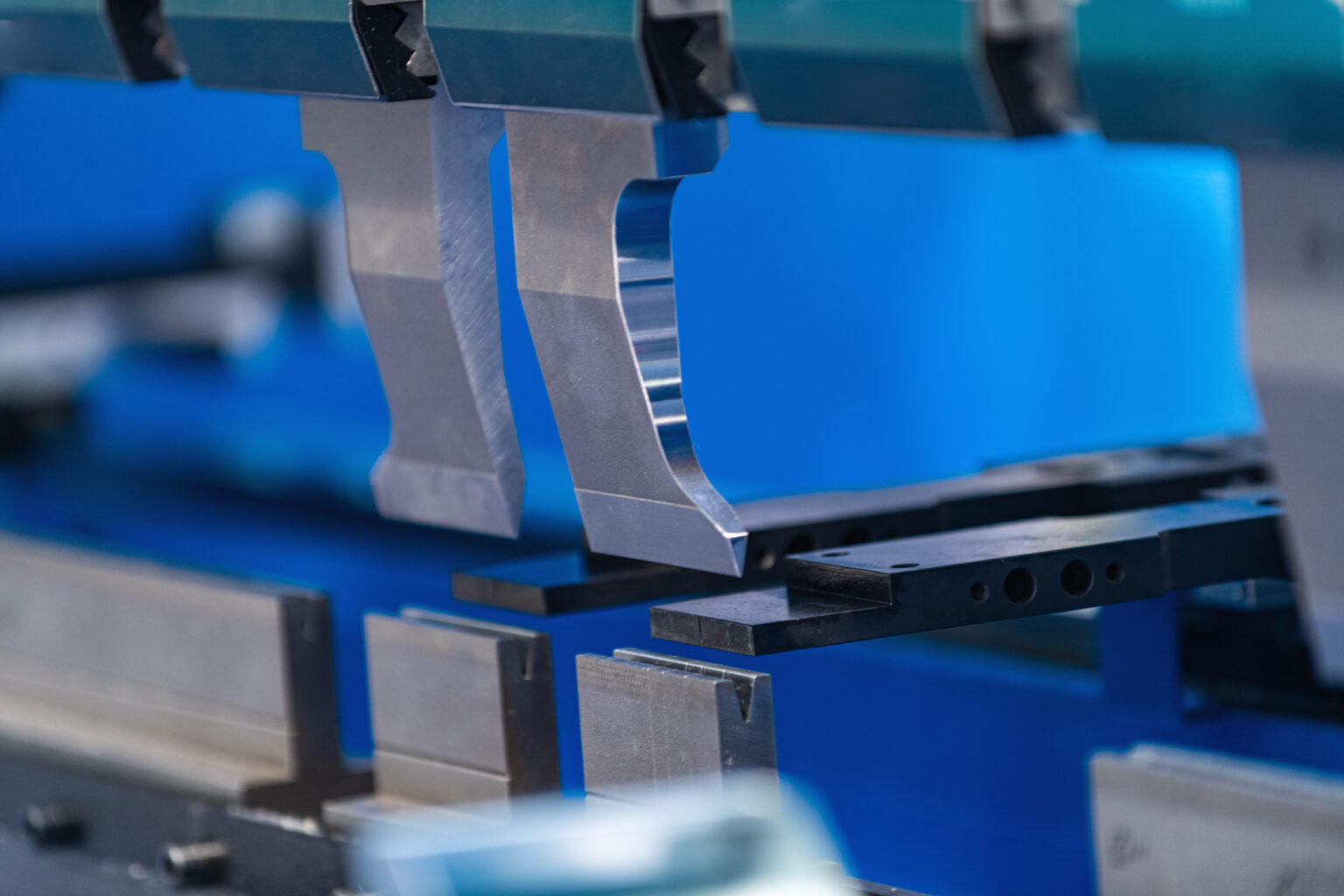
Our CNC press brakes can accommodate bending lengths up to 3000 mm. For material thickness, we typically bend aluminum up to 6 mm, carbon steel up to 8 mm, and stainless steel up to 5 mm, depending on the specific part geometry and required tooling.
We prevent material cracking by strictly adhering to the recommended minimum bend radius for each specific material grade and temper. Additionally, our team programs the CNC machines to bend along the natural grain direction of the sheet metal whenever possible to preserve structural integrity.
Springback is the physical tendency of sheet metal to slightly open up after being released from the bending press. We compensate for this by utilizing advanced CNC controllers that automatically calculate the precise over-bend angle based on the material's specific tensile strength and elasticity, ensuring highly accurate final angles.
Yes. To protect cosmetic or pre-finished surfaces, we use specialized non-marking bending dies, polyurethane protective tape, or leave the raw material's protective laser film on during the bending process to eliminate die marks and scratches.
To ensure the sheet metal sits securely on the bending die without slipping, the minimum flange length should generally be at least 4 times the material thickness (4t). Designing flanges shorter than this standard may require specialized, custom tooling.
Once we receive your design files, our senior manufacturing engineers will manually perform a comprehensive DFM review and deliver an accurate, optimized quote within 24 hours.