Precision High-Density Polyethylene component manufacturing via CNC Machining, Plastic Sheet Fabrication, and Extrusion Welding. Delivering zero moisture absorption, superior impact toughness, FDA food safety compliance, and outstanding chemical resistance with tight tolerances down to ±0.02 mm.
✅ All Design Uploads Are Secure & Confidential
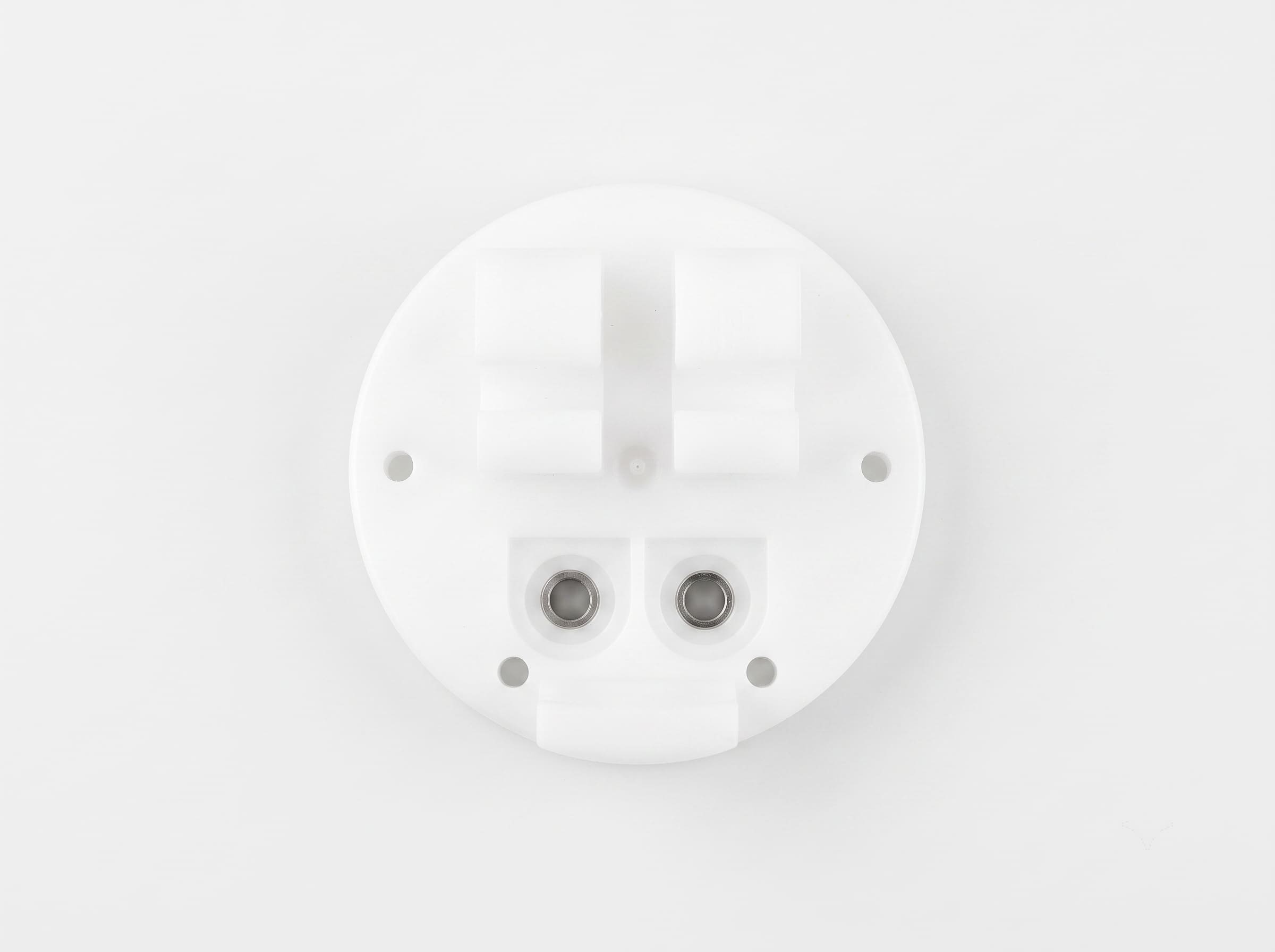
Compare mechanical strength, UV stabilization, and food compliance options across commercial HDPE material grades.
| Technical Property | FDA Food-Grade HDPE | Industrial Grade (PE100 / PE4710) | UV-Stabilized Outdoor HDPE |
|---|---|---|---|
| Density | 0.95 – 0.96 g/cm³ (Floats on Water) | 0.95 – 0.97 g/cm³ | 0.95 – 0.96 g/cm³ |
| Tensile Strength (Yield) | 26 – 32 MPa | 28 – 35 MPa | 25 – 30 MPa |
| Flexural Modulus | 1.0 – 1.4 GPa | 1.1 – 1.5 GPa | 1.0 – 1.3 GPa |
| Moisture Absorption (24h) | <0.01% (Virtually Zero) | <0.01% | <0.01% |
| Heat Deflection Temp (HDT) | 75 – 85 °C (167–185 °F) | 80 – 90 °C | 75 – 85 °C |
| Low-Temp Embrittlement | Exceeds -60 °C (-76 °F) | Exceeds -70 °C | Exceeds -60 °C |
| Certifications & Primary Uses | FDA & NSF certified; commercial cutting boards, food machinery | ASTM D3350; fluid valves, piping manifolds, wear guides | UV-stabilized; marine hardware, outdoor playground panels |
Customize surface textures, implement plastic welding, and ensure food-contact sanitation compliance.
HDPE offers an unmatched balance of low cost, chemical resistance, zero moisture absorption, and food safety.
HDPE is FDA and NSF certified, completely non-porous with zero water absorption (<0.01%), and does not absorb bacteria, blood, or food odors. Its unique self-healing surface prevents dulling of commercial steel knives while offering easy wash-down sanitation.
HDPE: Lower raw material cost, easier to machine/weld, and offers higher rigidity, making it ideal for structural chemical tanks, outdoor furniture panels, and food preparation boards.
UHMW-PE: Offers higher abrasion wear resistance and lower friction, best suited for extreme wear strips, conveyor guides, and chain sprockets.
Yes! HDPE has excellent weldability. We offer precision CNC router sheet cutting paired with expert hot-gas and extrusion plastic welding to construct heavy-duty chemical tanks, liquid containment trays, and marine baffles.
Yes. We utilize specialized UV-stabilized outdoor HDPE grades (compounded with UV inhibitors or carbon black) that resist fading, yellowing, and cracking under continuous sunlight, marine saltwater, and sub-zero winter temperatures.
Please upload your 3D CAD files in STEP (.stp / .step) or IGES (.igs) format. For food safety certification requests (FDA/NSF), custom pebbled surface texture callouts, or welded tank assembly blueprints, please attach a 2D PDF drawing.
Once we receive your design files, our senior manufacturing engineers will manually perform a comprehensive DFM review and deliver an accurate, optimized quote within 24 hours.