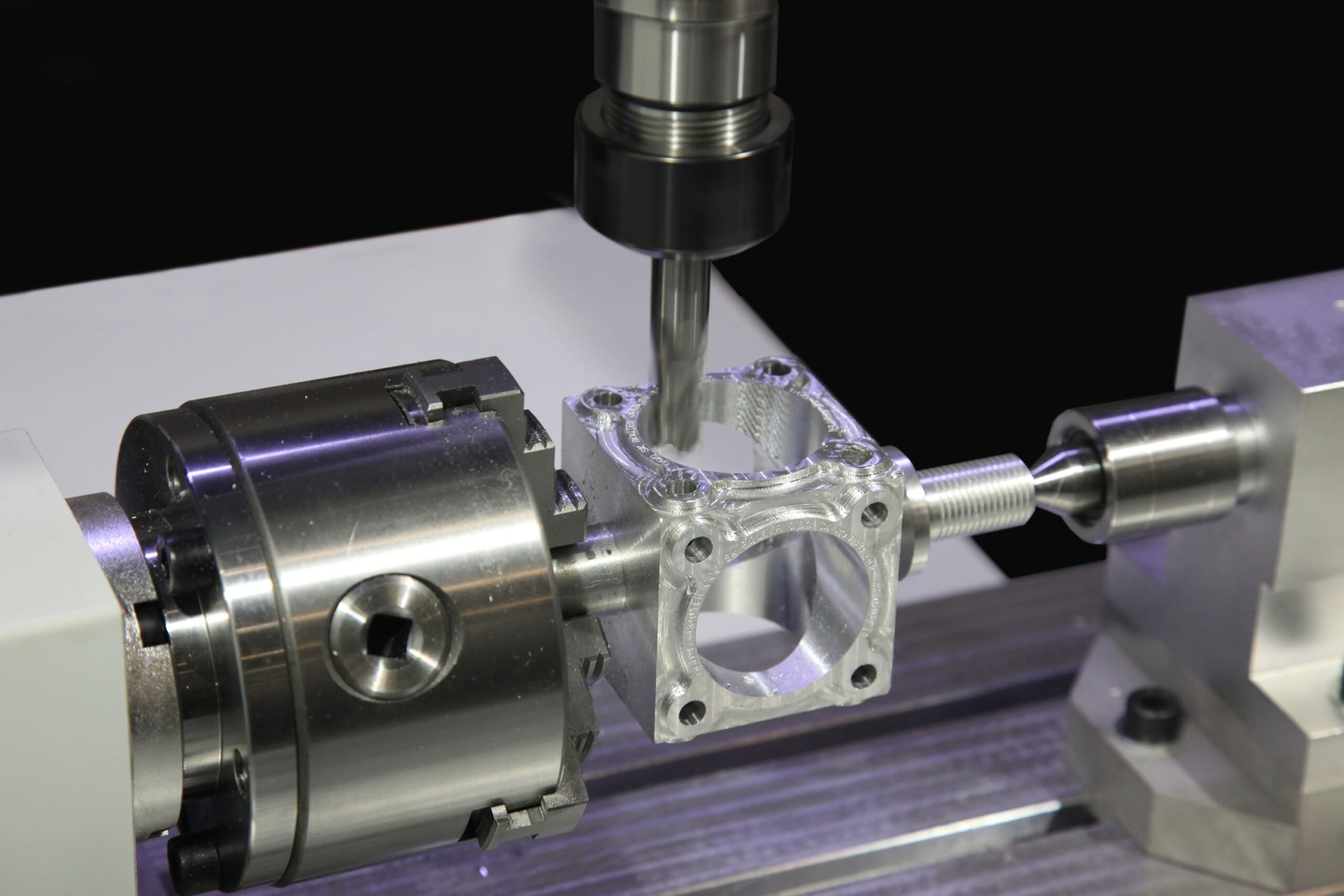
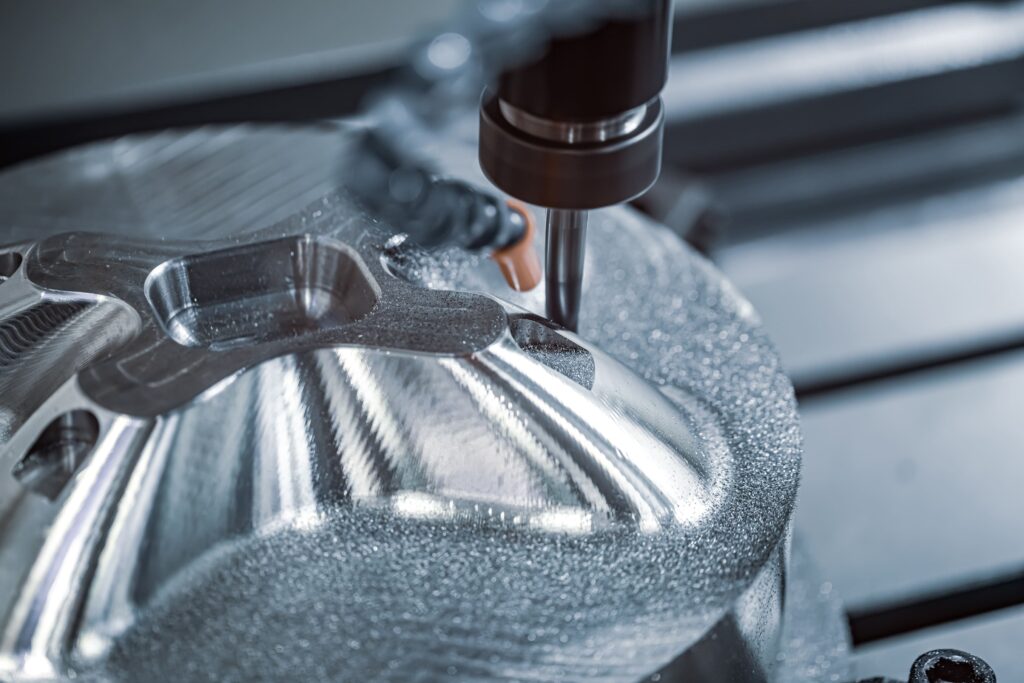
When traditional CNC milling cutters reach their physical limits, Tenghui’s Electrical Discharge Machining (EDM) services step in. Utilizing non-contact thermal erosion, we machine ultra-hard conductive metals, extremely deep cavities, and complex micro-features with zero cutting stress and zero part deformation.
✅ All Design Uploads Are Secure & Confidential
Choose between our high-precision Wire EDM for cutting complex 2D profiles and Sinker EDM for eroding deep, non-through cavities that conventional cutting tools cannot reach.
Common Grades: 6061, 7075, 2024
Key Features: Lightweight, highly corrosion-resistant, excellent machinability, and great thermal conductivity.
Typical Applications: Aerospace brackets, automotive engine parts, custom electronic enclosures, and functional rapid prototypes.
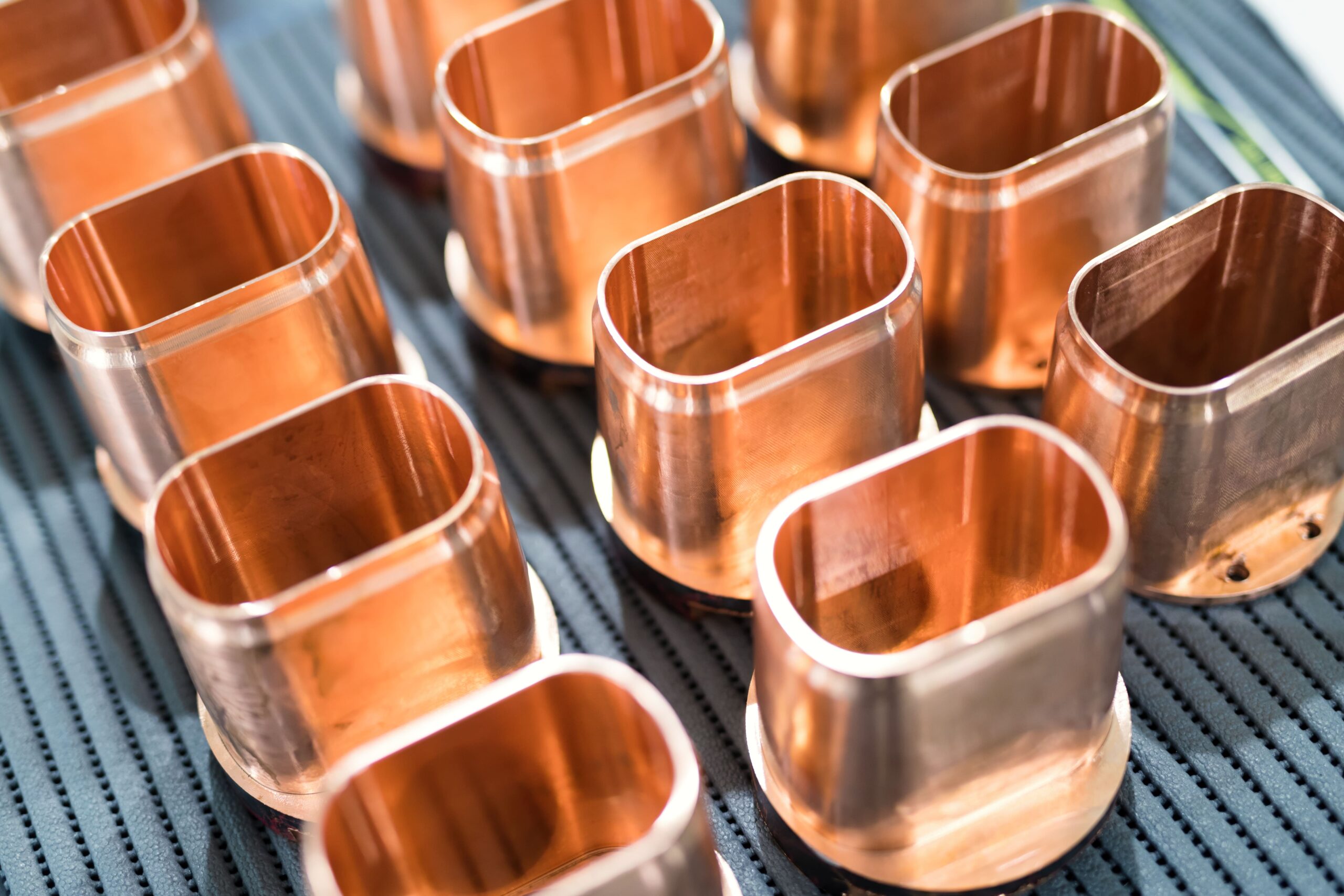
Common Grades: C101, C110
Key Features: Ultra-high thermal and electrical conductivity, excellent ductility, and natural antimicrobial properties.
Typical Applications: High-efficiency heat sinks, electrical busbars, power distribution blocks, and grounding terminals.
Common Grades: C360 / Free-Cutting Brass
Key Features: Outstanding machinability, low friction coefficient, non-sparking, and great electrical conductivity.
Typical Applications: Threaded pipe fittings, fluid valve bodies, compression couplings, and electronic terminal connectors.
Common Grades: 303, 304, 316, 17-4 PH
Key Features: Exceptional rust and corrosion resistance, high structural strength, and premium aesthetic metallic finish.
Typical Applications: Surgical instruments, medical devices, marine hardware, and food processing equipment components.
Common Grades: 1018, 1045, 4140
Key Features: High tensile strength, rugged and durable, responds well to heat treatment, and highly cost-effective.
Typical Applications: Industrial drive shafts, heavy-duty structural frames, mechanical gears, and manufacturing tools.
Common Grades: 1018, 1020, A36
Key Features: Excellent machinability, highly ductile and weldable, easy to case-harden, and highly economical for structural parts.
Typical Applications: Mounting brackets, custom fixtures, automotive structural supports, baseplates, and machine links.
Common Grades: Grade 2 (Pure), Grade 5 (Ti-6Al-4V)
Key Features: Extreme strength-to-weight ratio, superb biocompatibility, and outstanding temperature/chemical resistance.
Typical Applications: Aerospace structural links, medical implants, bone screws, and high-performance racing components.
EDM only works on electrically conductive metals (such as Steel, Titanium, Aluminum, Brass, and Copper). Non-conductive plastics cannot be processed.
Our wire EDM can achieve sharp internal corner radii as small as ≥ 0.1 mm, far exceeding the tightest physical limits of traditional CNC milling cutters.
Leaves a uniform, matte spark texture (typically Ra 0.8 to 3.2 μm). We can easily provide secondary mirror polishing if your project requires a smooth cosmetic finish.
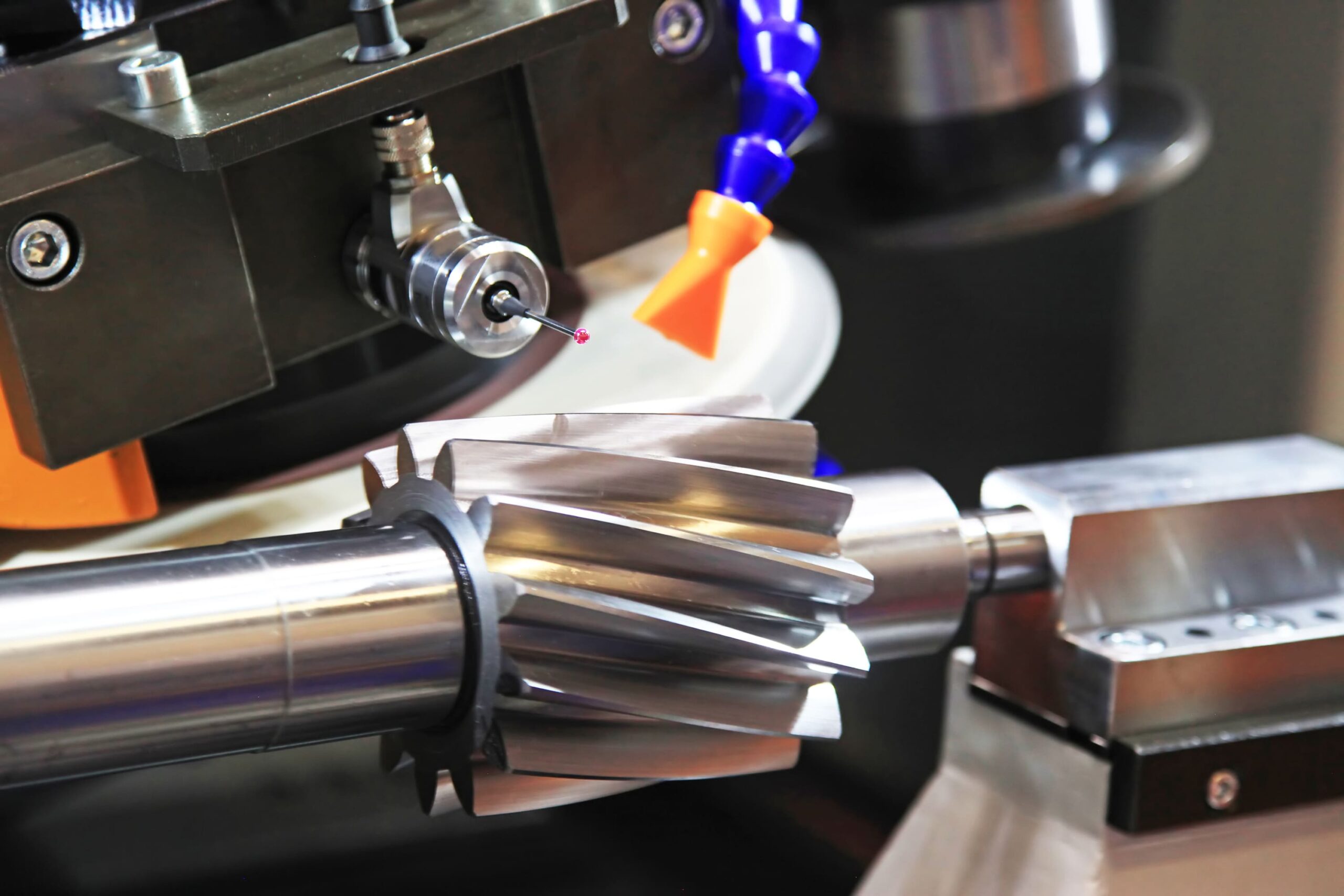
Compare our precision gear-manufacturing and electrical discharge machining capabilities. Use this technical breakdown to select the optimal manufacturing process for your project’s dimensional tolerances, material constraints, and delivery timelines.Review our recommended design guidelines to optimize your parts for seamless CNC production. By aligning your 3D models with these manufacturing best practices, you can significantly reduce cycle times, prevent machining errors, and lower overall production costs.
| Process Features | Hobbing | Wire EDM | Sinker EDM |
|---|---|---|---|
| Tolerance Level | ISO Grade 6 to 12 | ISO Grade 7 to 12 | ISO Grade 8 to 12 |
| Part Size | Min: 1.0 × 1.0 × 0.3 mm Max: 500 × 500 × 800 mm |
Min: 3.0 × 3.0 × 0.3 mm Max: 300 × 300 × 200 mm |
Min: 3.0 × 3.0 × 0.3 mm Max: 200 × 200 × 150 mm |
| Top Use Cases | External gears and splines. | External gears, shafts with integrated gears, and helical gears. | Internal gears, blind-hole cavities, hexagonal shaped cutouts, and complex non-through features requiring minimal fillets. |
| Materials | All materials (metals and plastics) | Conductive metals only | Conductive metals only |
| Min. Fillet Radius | N/A (Tool geometry dependent) | 0.05 mm (Standard) 0.01 mm (Premium precision) |
0.05 mm (Standard) 0.01 mm (Premium precision) |
| Lead Time | As fast as 12 days | As fast as 7 days | As fast as 7 days |
Electrical Discharge Machining (EDM) is a non-contact, thermal subtractive manufacturing process that shapes metal not by physical cutting, but by controlled electrical sparks. Imagine using millions of micro-explosions per second to melt and vaporize away unwanted material. Because the tool never actually touches the workpiece, EDM exerts zero physical force on the metal, making it the absolute best choice for processing extremely delicate shapes and ultra-hard materials like hardened steel, titanium, and tungsten carbide.
Unlike conventional milling or turning that relies on sharp steel blades to shear away metal, EDM uses pure electrical energy. Since there is no mechanical contact between the tool and the workpiece, the process completely eliminates tool pressure and machining stress. This allows engineers to safely machine ultra-thin walls, micro-features, and fragile geometries that would instantly bend, warp, or crack under standard CNC cutters.
Conventional CNC tools struggle to machine extremely hard metals without suffering from rapid tool wear and breakage. EDM bypasses material hardness entirely because it relies on electrical conductivity rather than physical strength. Whether it is hardened tool steel, aerospace-grade titanium, or tungsten carbide, the high-temperature sparks of EDM melt the material away effortlessly, ensuring incredible dimensional accuracy and a uniform finish on the toughest metals.
We primarily utilize high-precision Wire EDM to manufacture a wide variety of gears, including external spur gears, internal gears, helical gears, splines, and complex sprocket profiles. Because Wire EDM uses a micro-thin cutting wire, we can achieve sharp internal root corners that are physically impossible to cut with conventional rotational CNC milling tools.
EDM relies on electrical conductivity, meaning we can machine any conductive metal regardless of its physical hardness. This includes hardened tool steel, stainless steel, carbon steel, titanium alloys, aluminum, copper, brass, and tungsten carbide. However, non-conductive materials like plastics, ceramics, and glass cannot be processed using EDM.
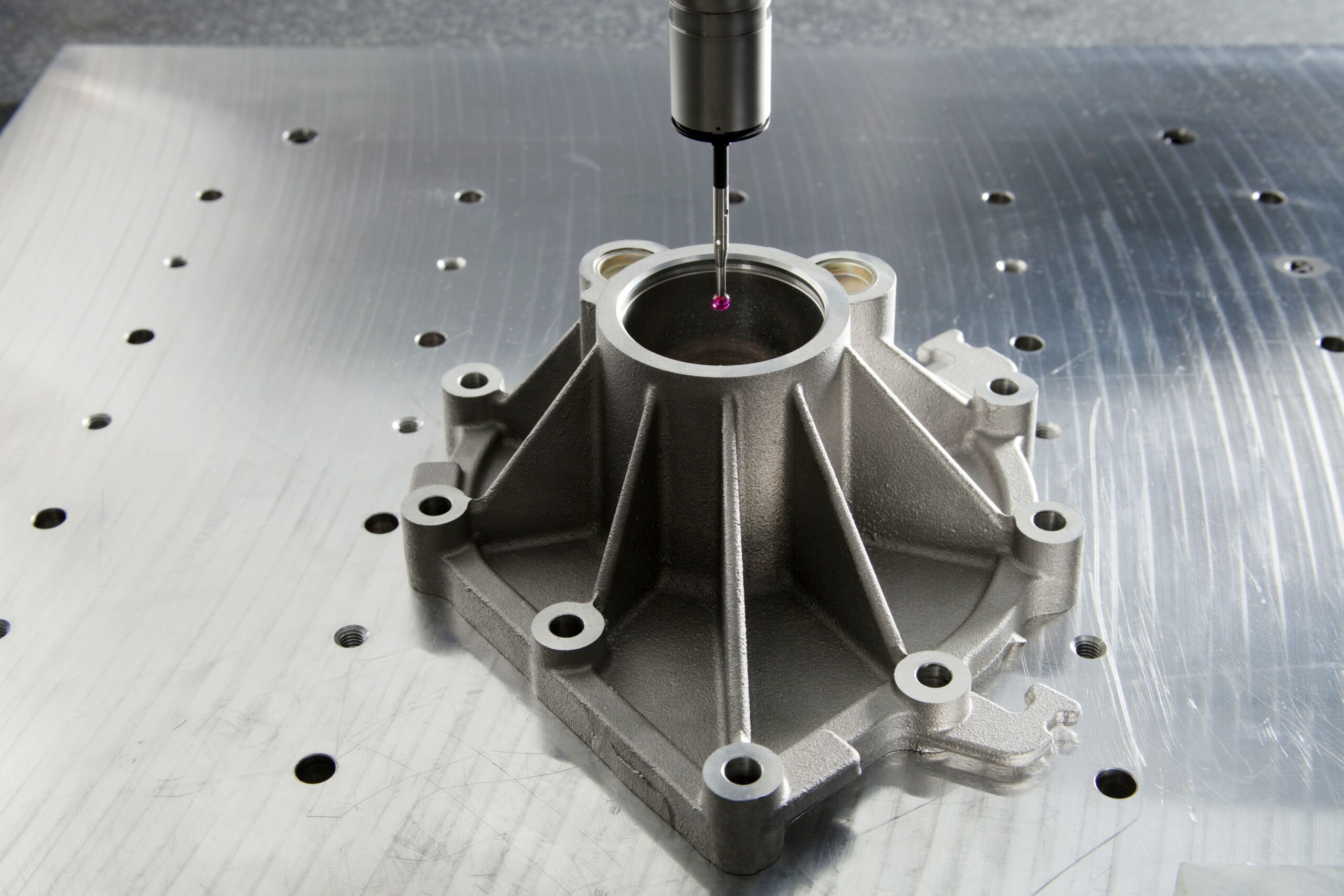
The main difference lies in their tool geometry and cutting capabilities. Wire EDM uses a continuously spooling micro-thin metal wire to make 2D through-cuts (all the way through the metal), perfect for gears and keyways. Sinker EDM (or Ram EDM) uses a custom 3D-shaped copper or graphite electrode to sink into the metal without going all the way through, which is ideal for blind cavities and plastic injection molds.
Our Wire EDM machines can cut highly complex two-dimensional profiles and contours, as long as the cut is a through-feature with clearance at both the top and bottom of the part. This includes intricate gear teeth, hexagonal cutouts, extremely narrow slots, keyways, and complex internal splines with corner radii as tight as 0.1 mm.
Because EDM uses electrical sparks to melt and vaporize metal, it does create a tiny, microscopic Heat-Affected Zone (HAZ) on the cut surface. At Tenghui, we minimize this effect by optimizing our generator settings and using multiple high-precision finishing passes. If your part requires absolute surface integrity, we can perform secondary post-processing like polishing or grinding to completely remove the micro-layer.
Once we receive your design files, our senior manufacturing engineers will manually perform a comprehensive DFM review and deliver an accurate, optimized quote within 24 hours.