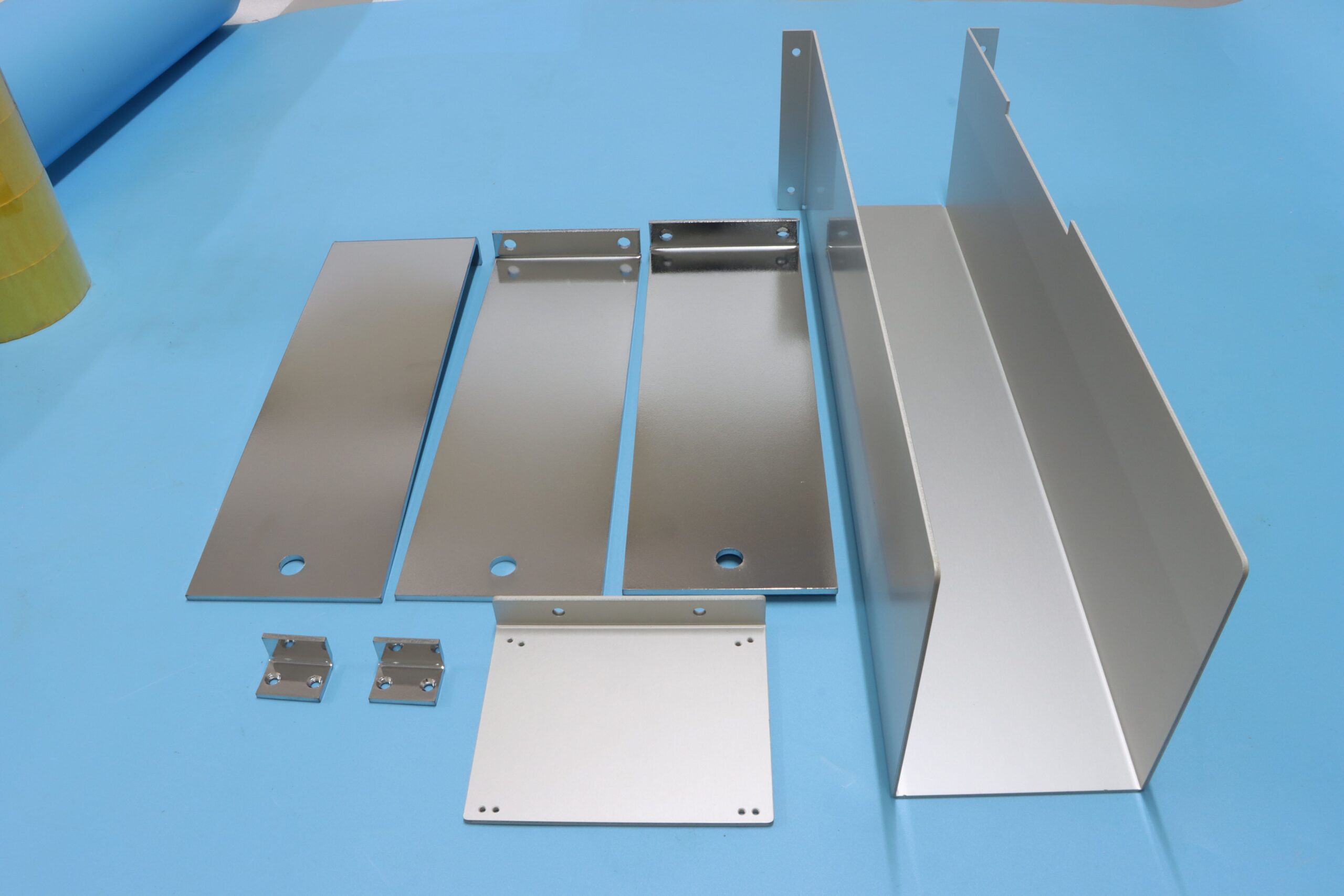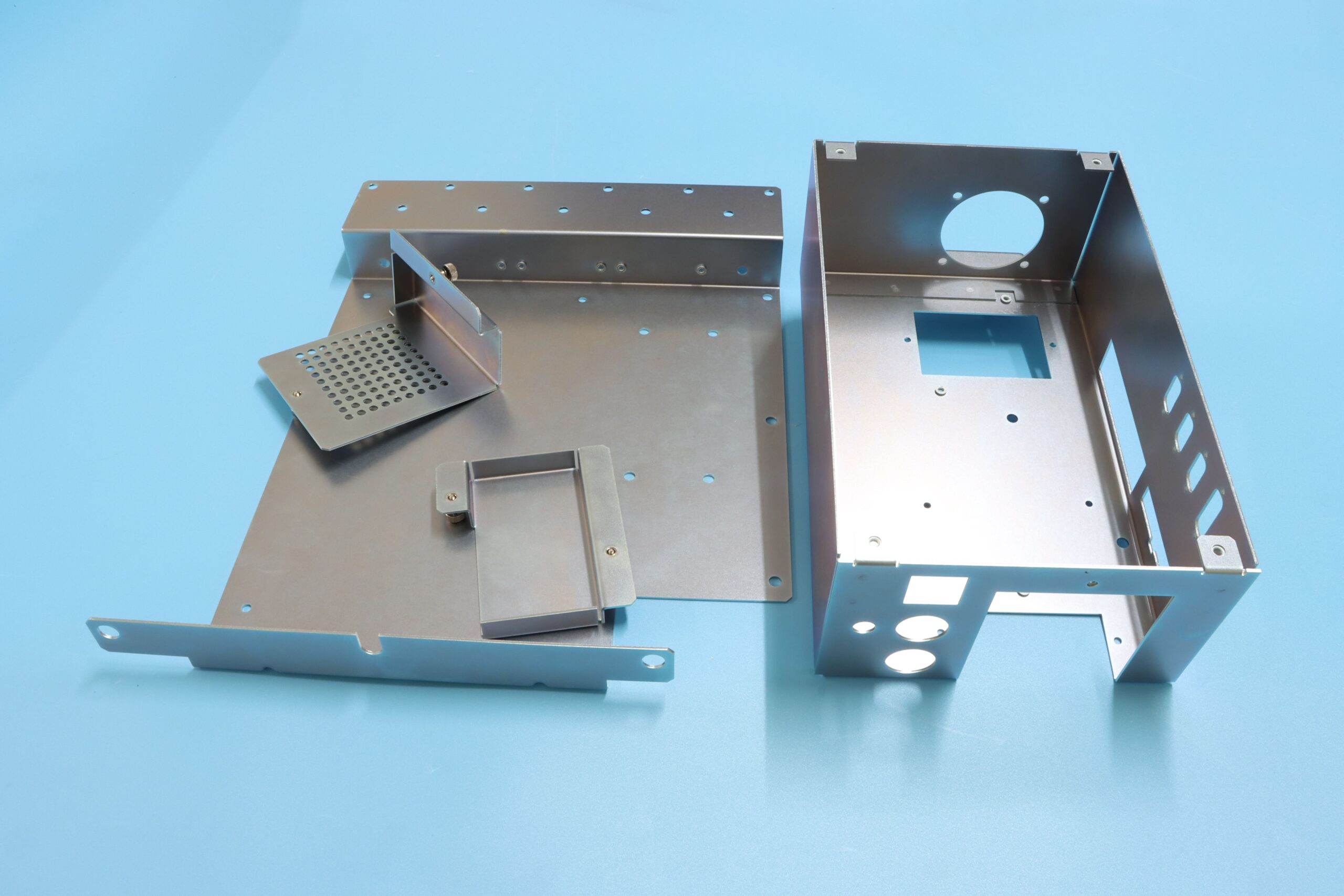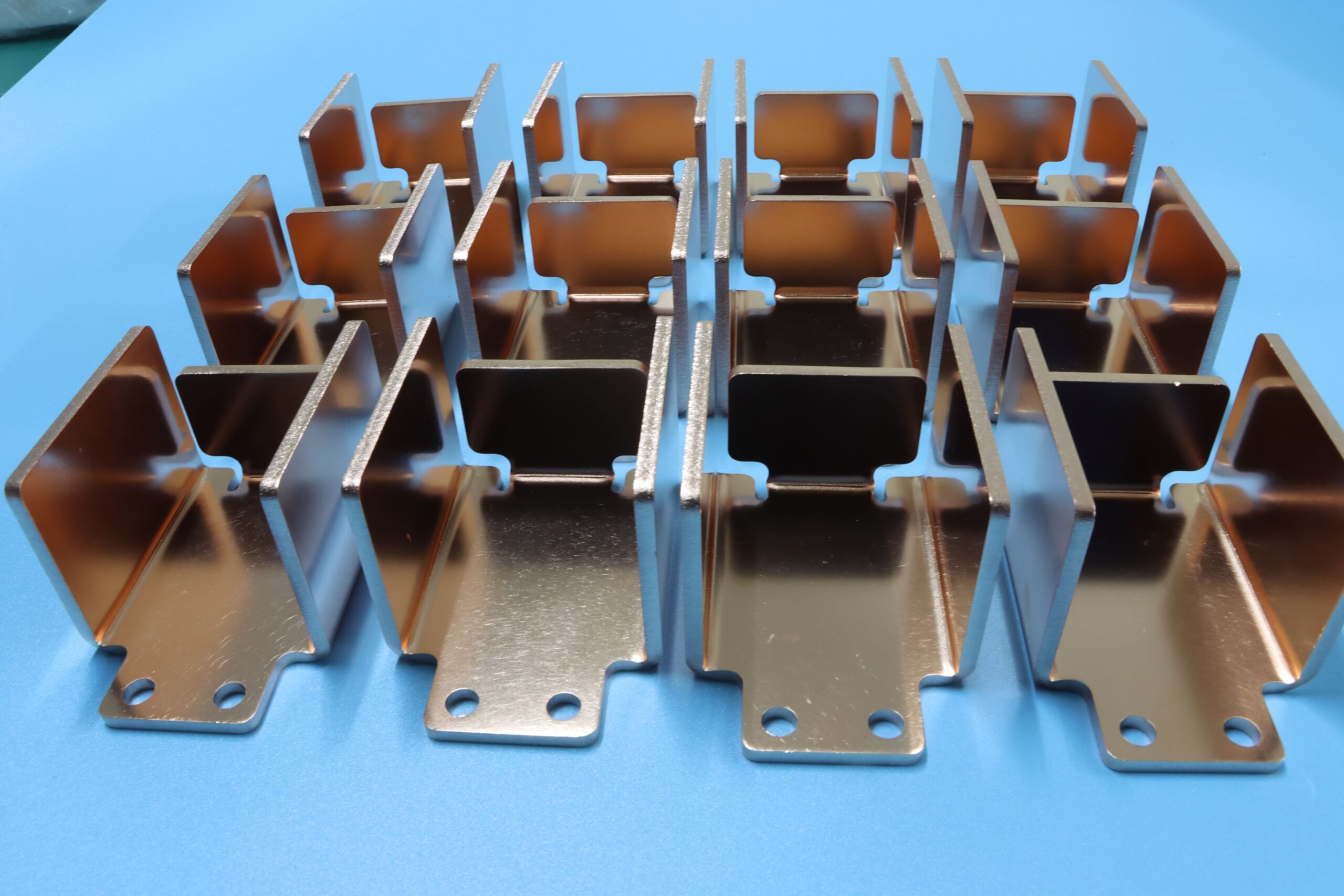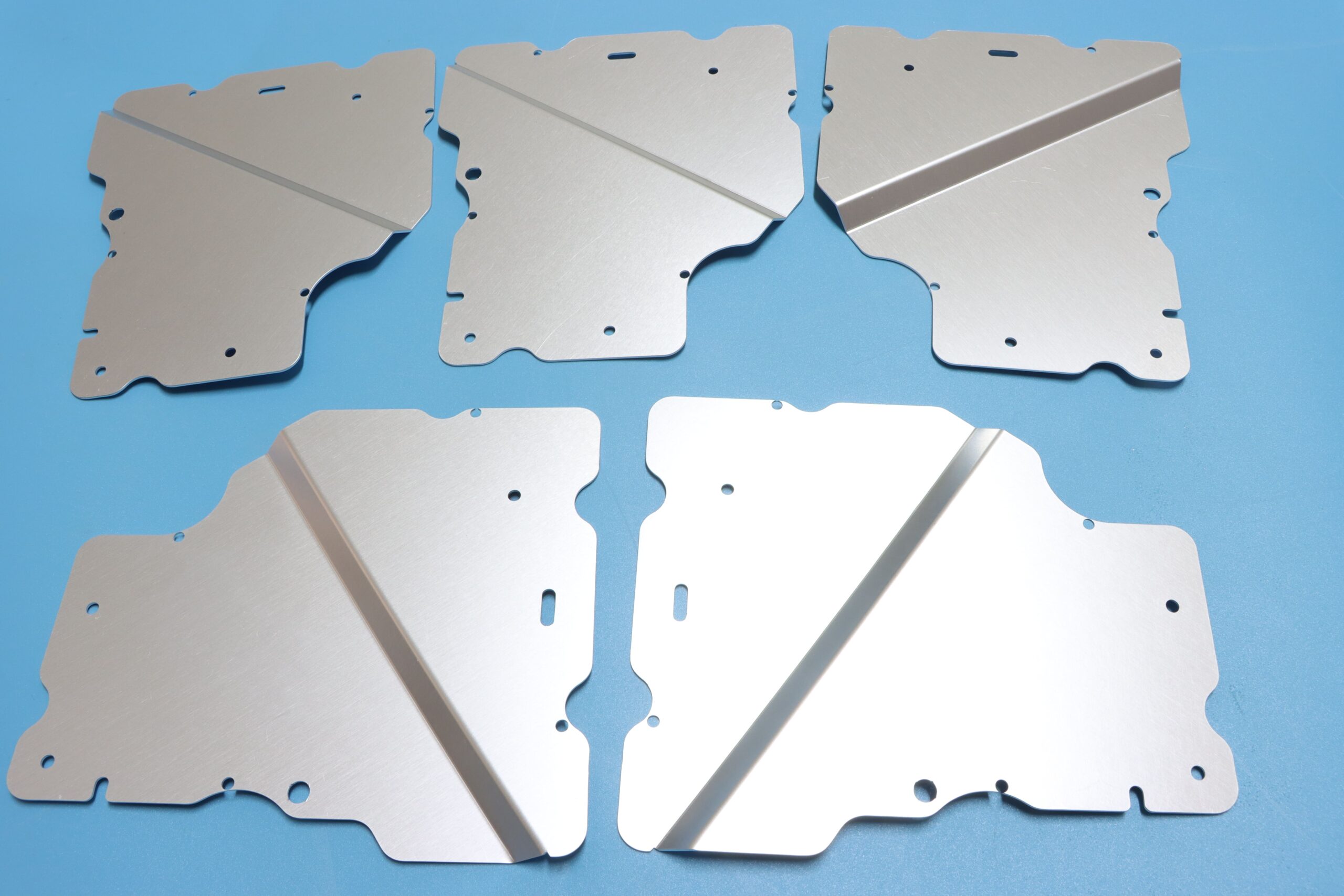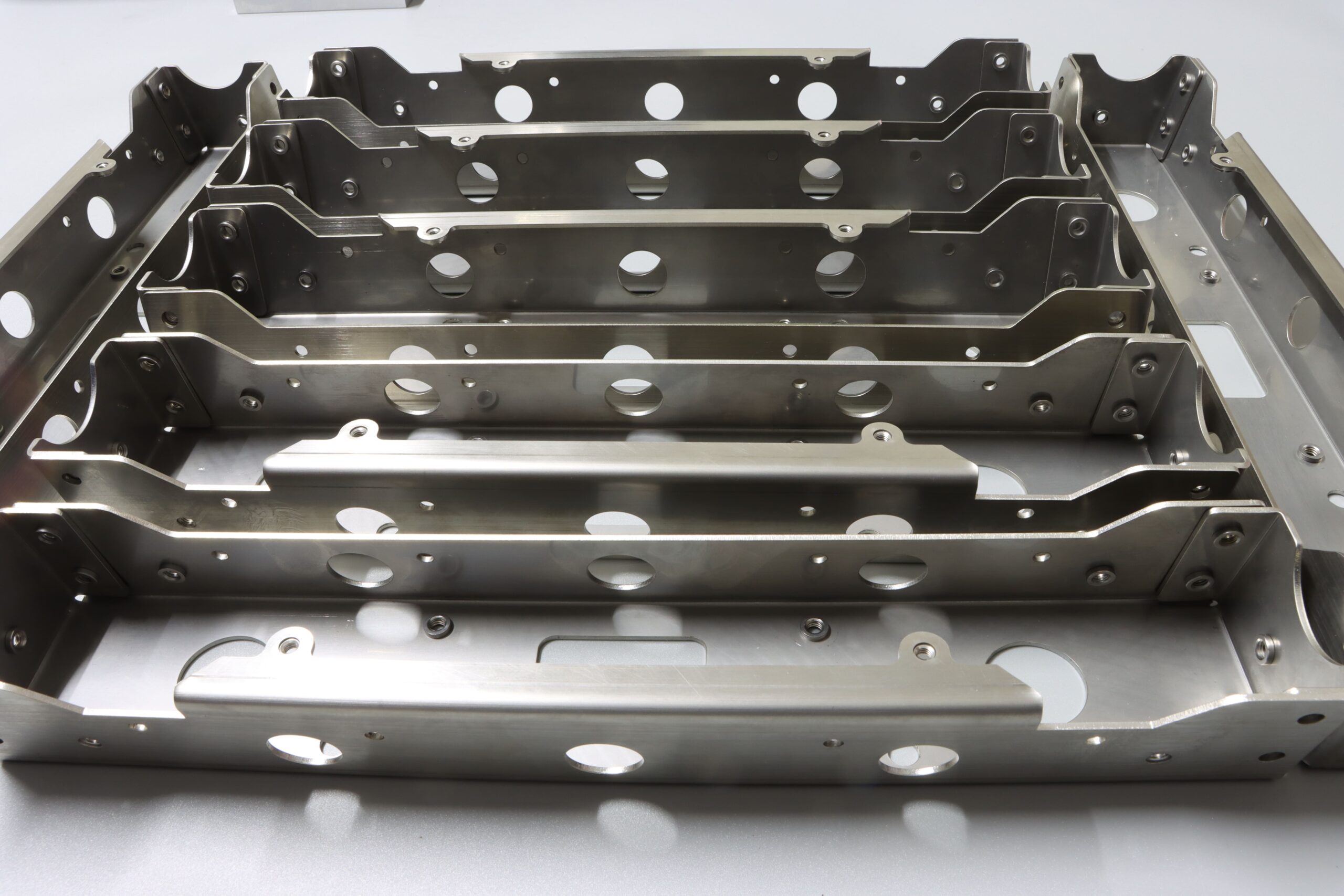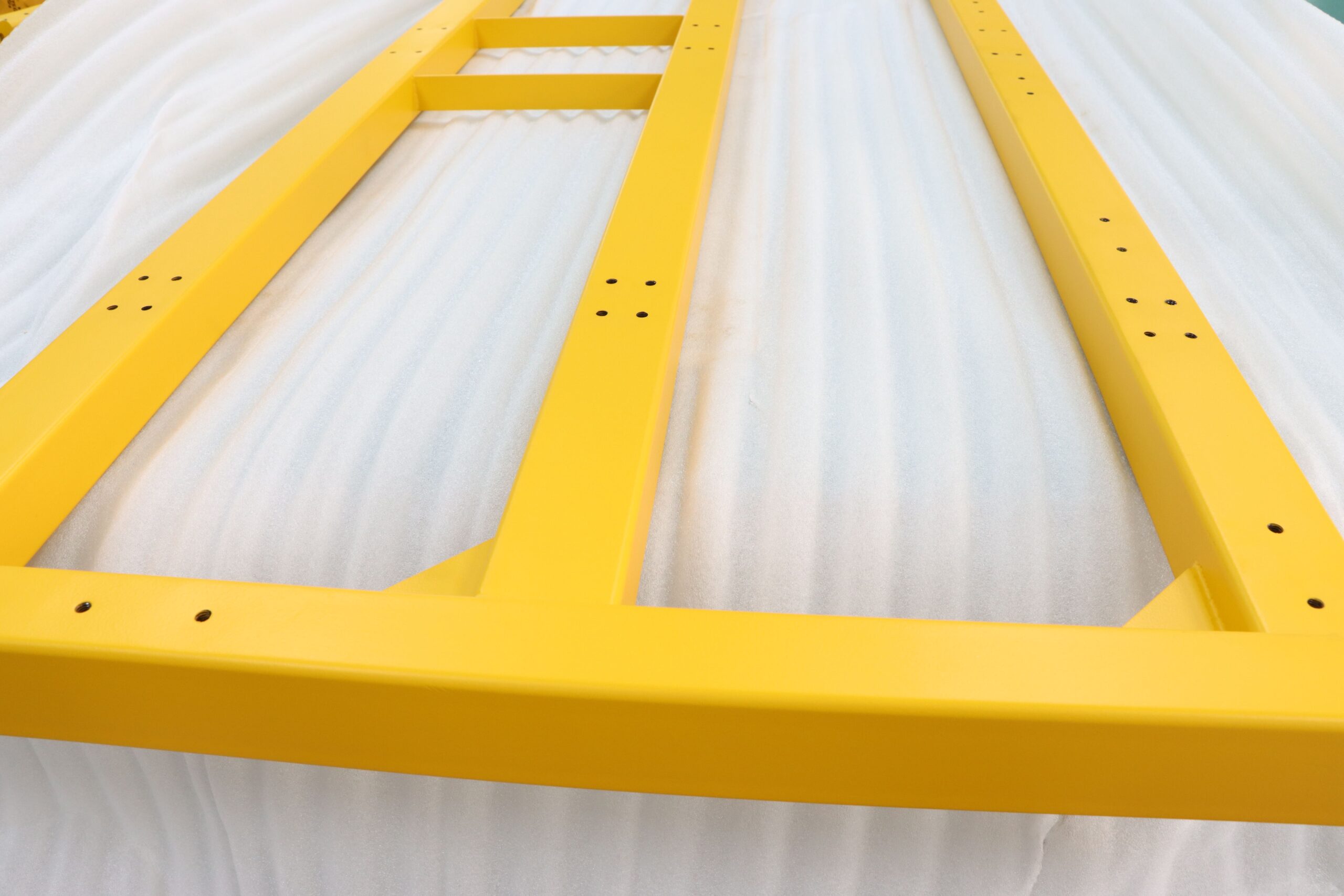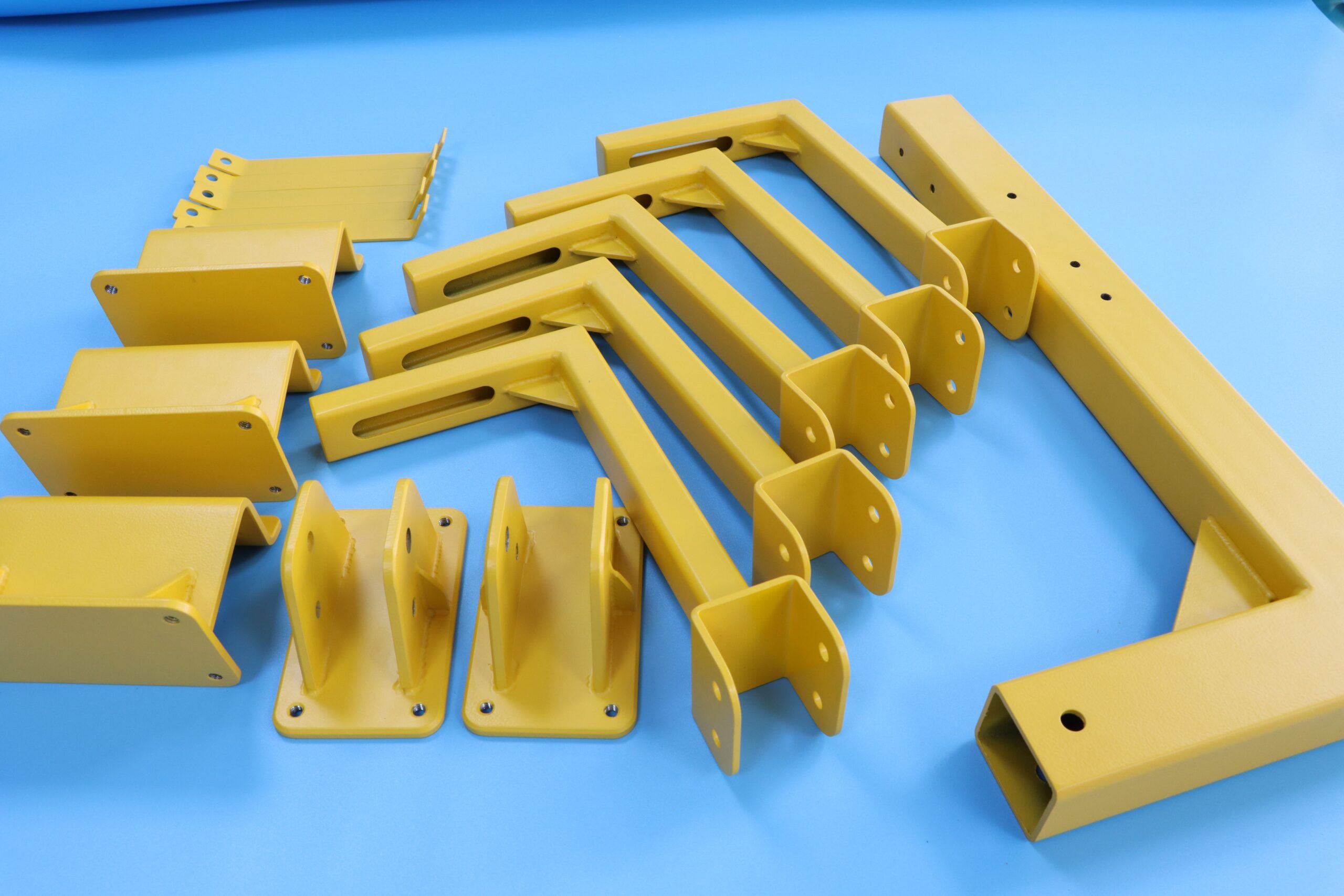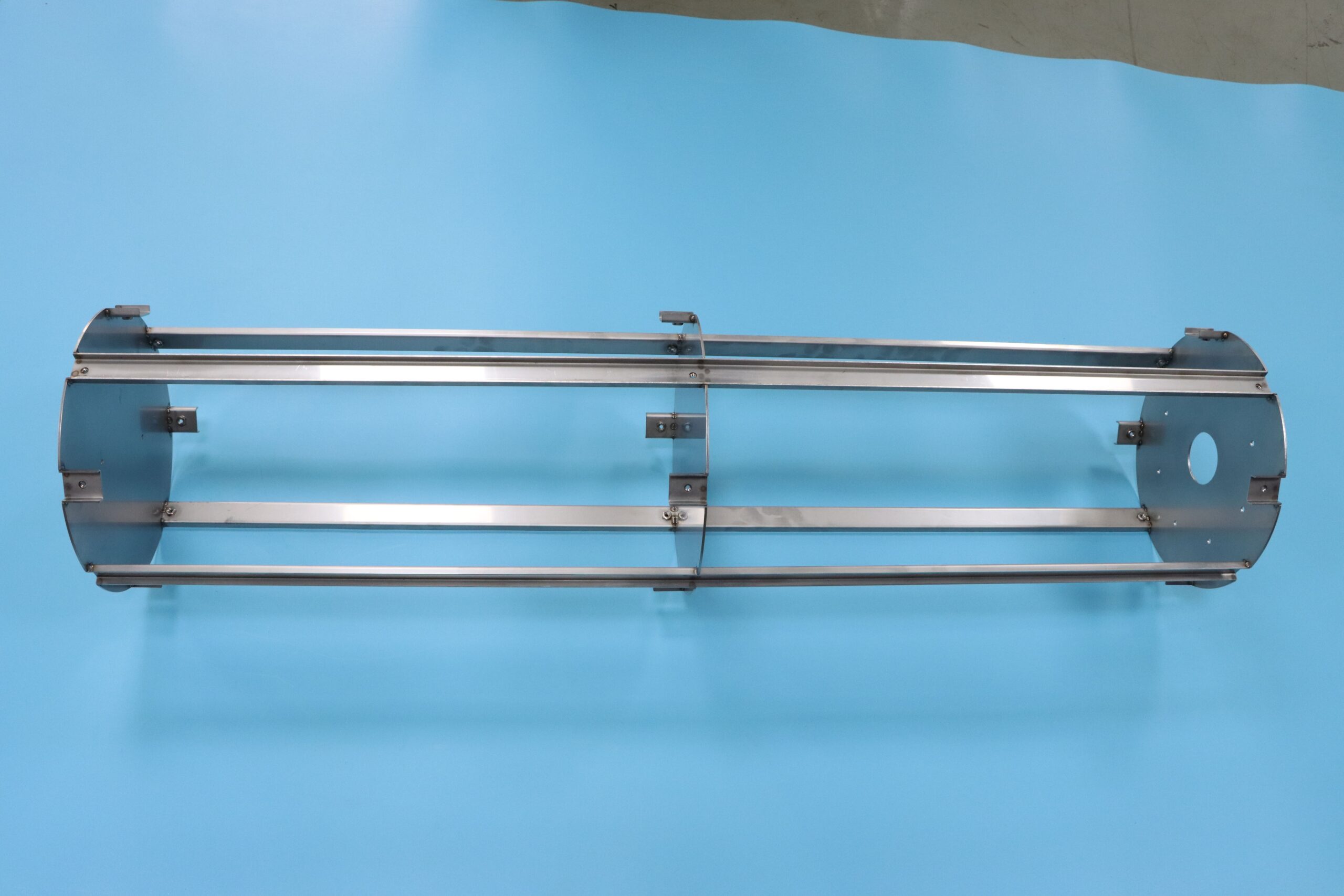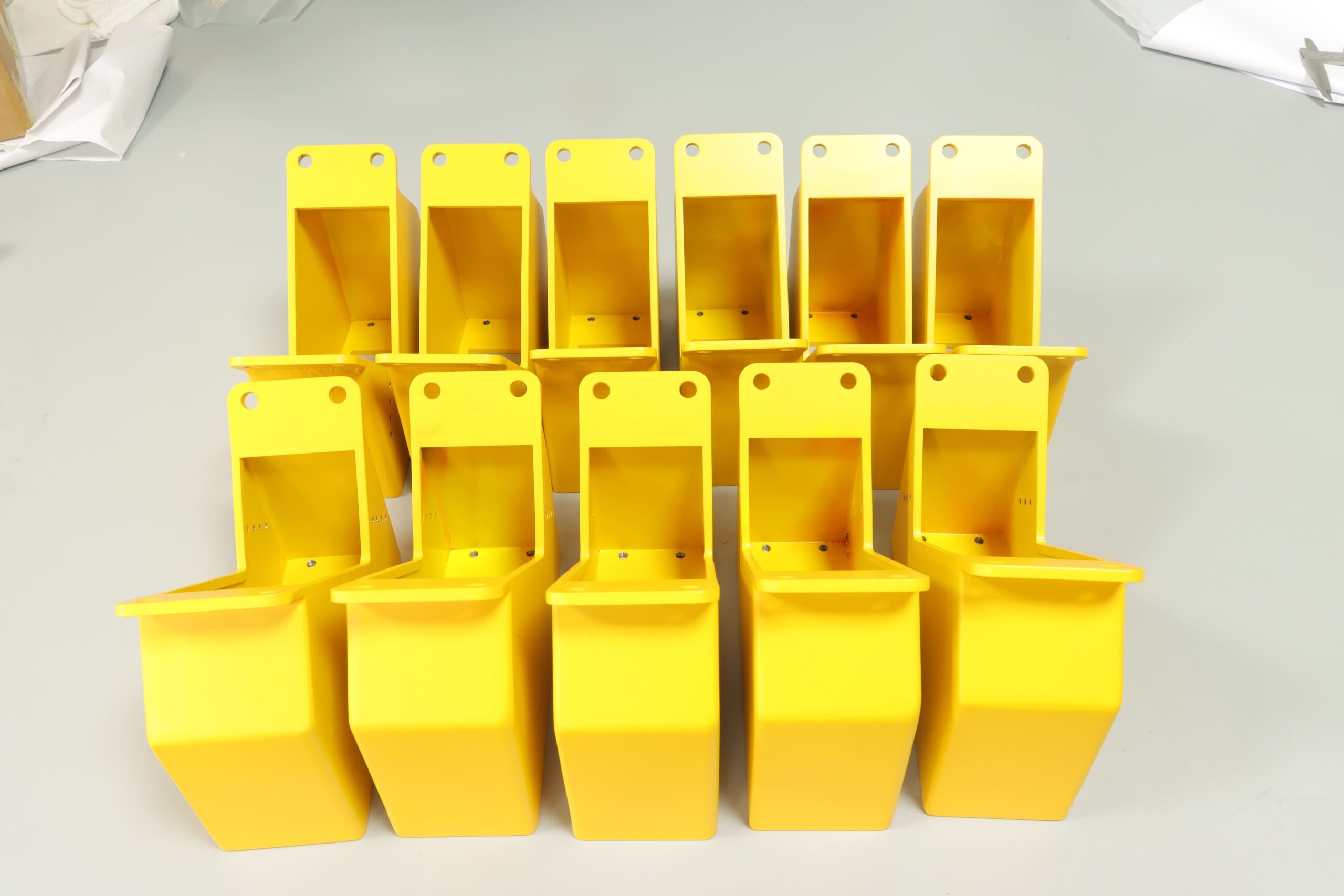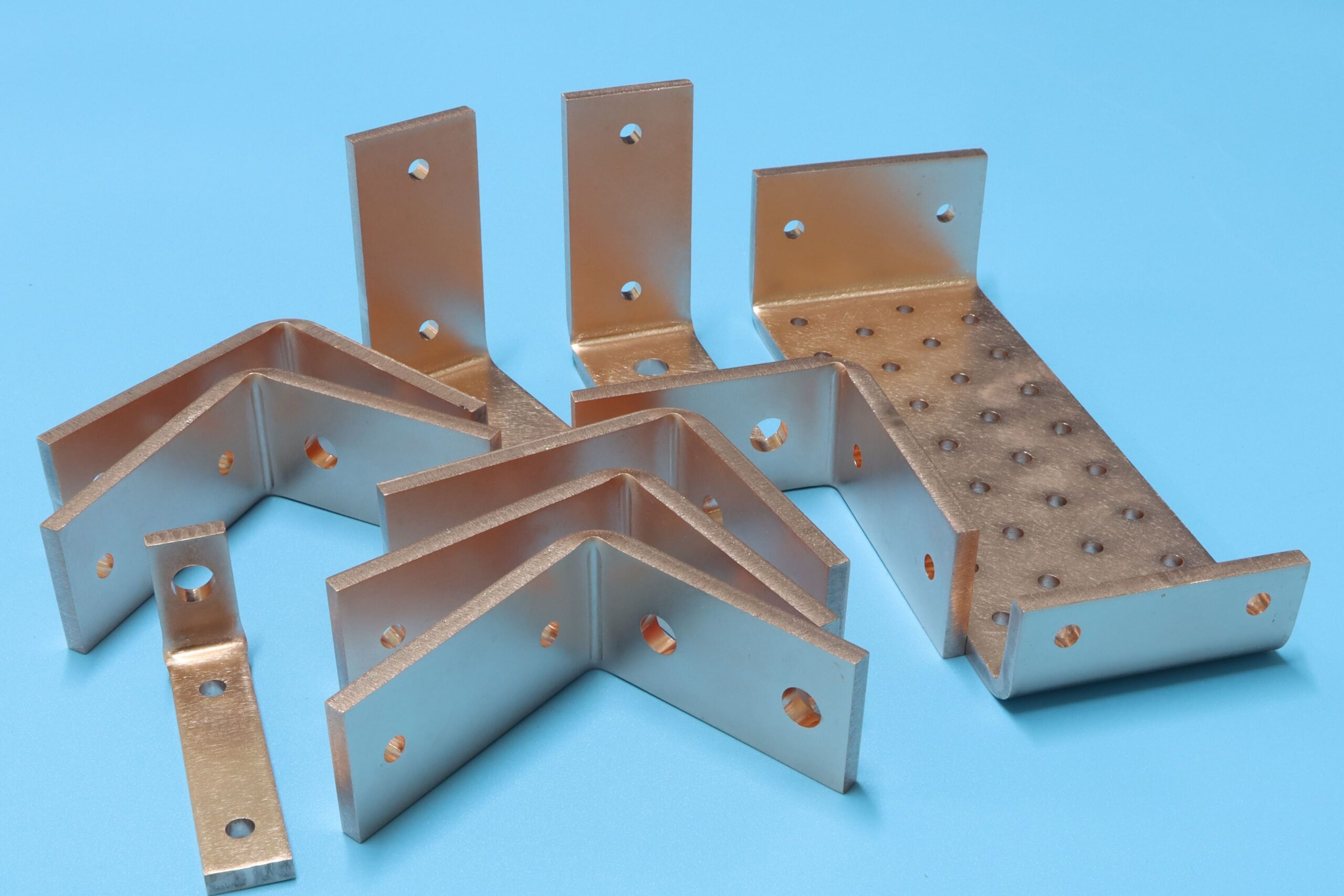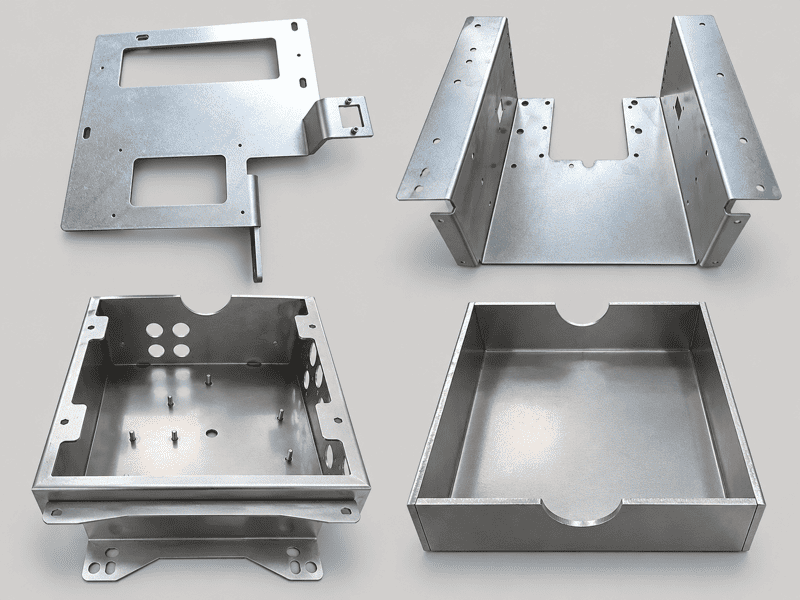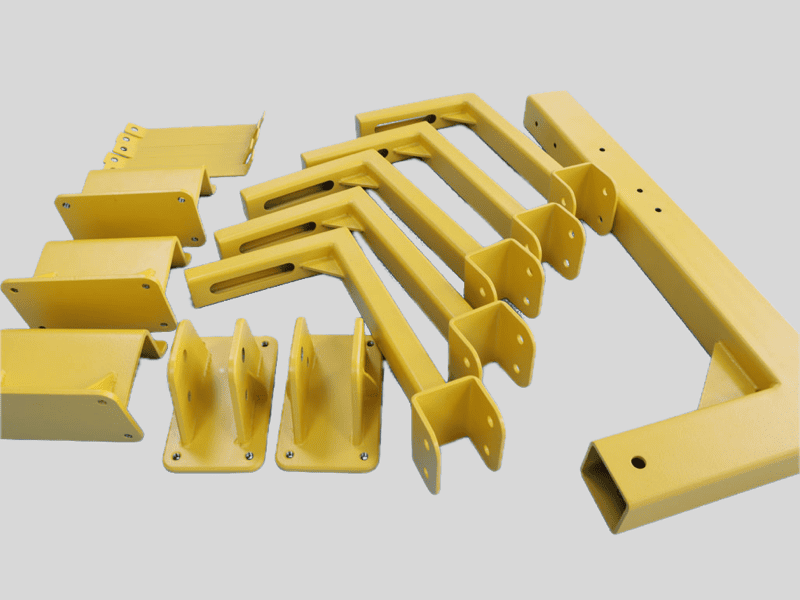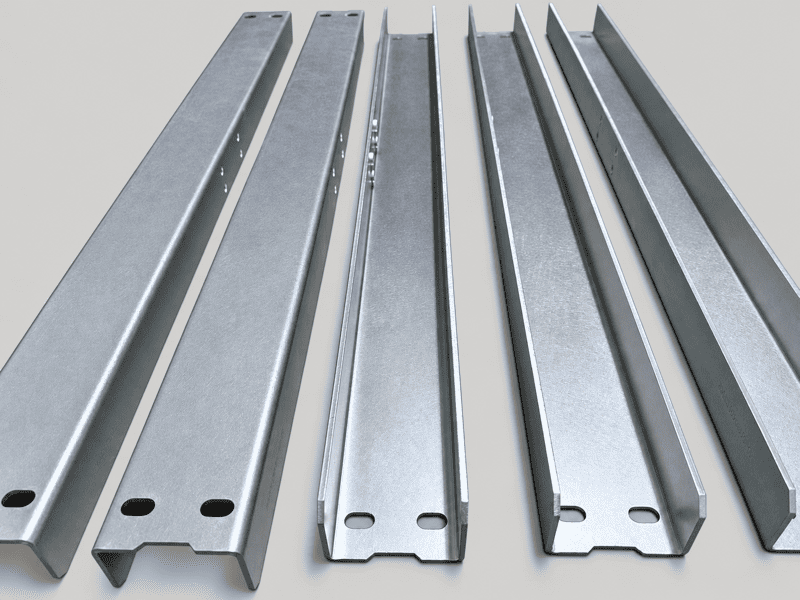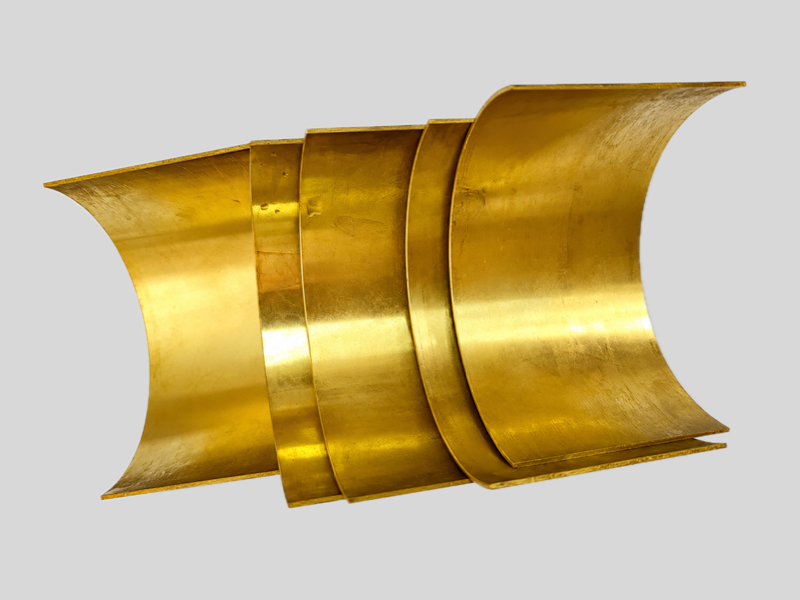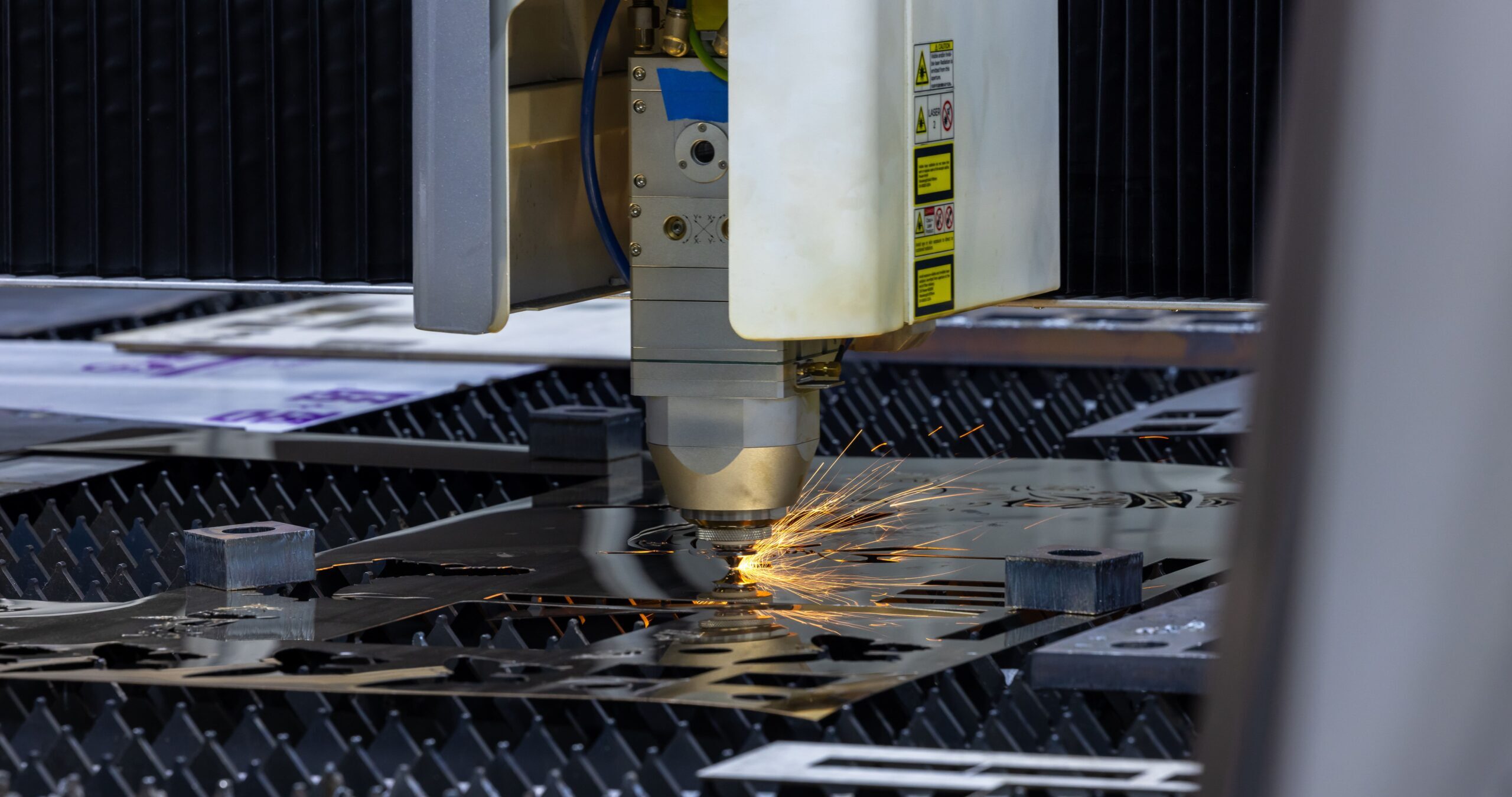
TENGHUI provides custom sheet metal fabrication for prototypes and recurring volume production. Operating fiber laser cutting, precision CNC press brakes, stamping, and automated deburring under ISO 9001 quality management, with reliable worldwide logistics.
Upload your CAD files and drawings to get a fast quote for your custom sheet metal fabrication project. Our experienced engineers provide actionable Design for Manufacturability (DFM) feedback to improve manufacturability, manage costs, and shorten lead times. Supported by comprehensive fabrication and finishing capabilities at our China-based facility, TENGHUI manufactures precision sheet metal parts with consistent quality—from a single prototype to high-volume production—with fast worldwide delivery.
Our fiber laser cutting service delivers accurate profiles, intricate features, and clean, consistent edges across aluminum, stainless steel, carbon steel, brass, and other sheet metals.
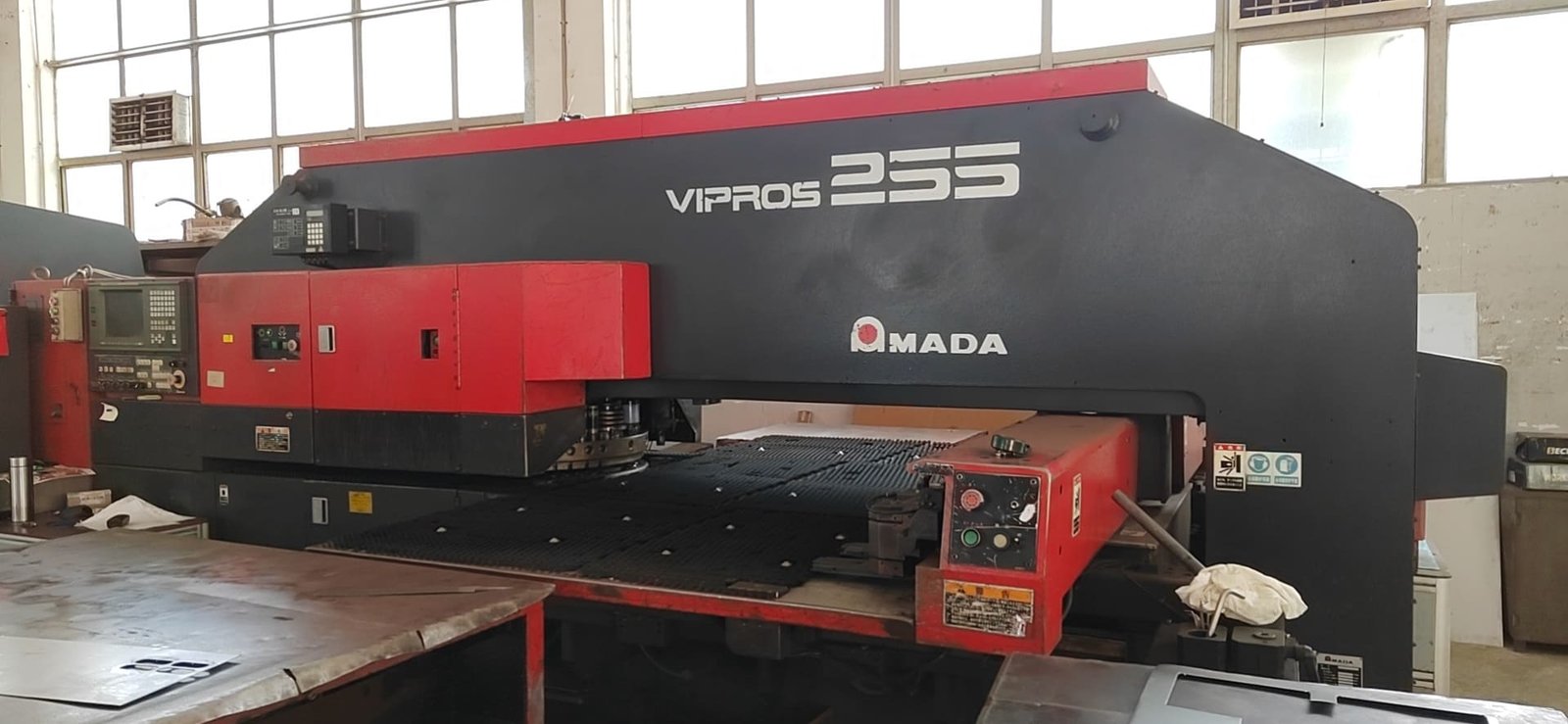
CNC punching provides flexible production of holes, slots, louvers, and knockouts, while custom stamping enables efficient, repeatable forming for medium- and high-volume parts.
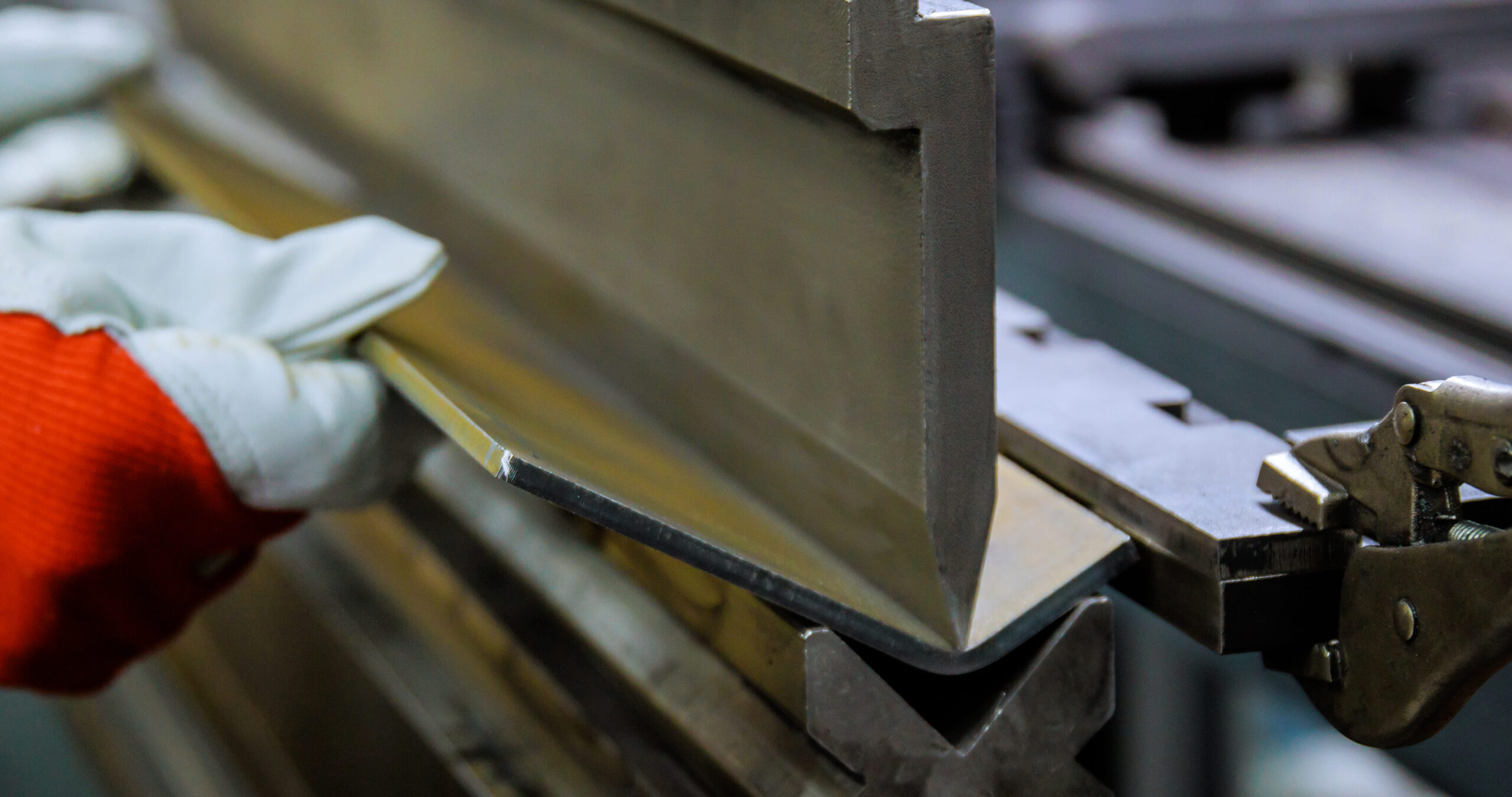
CNC press brake bending and sheet metal rolling produce precise angles, radii, cylinders, cones, and curved panels for both simple and complex components.
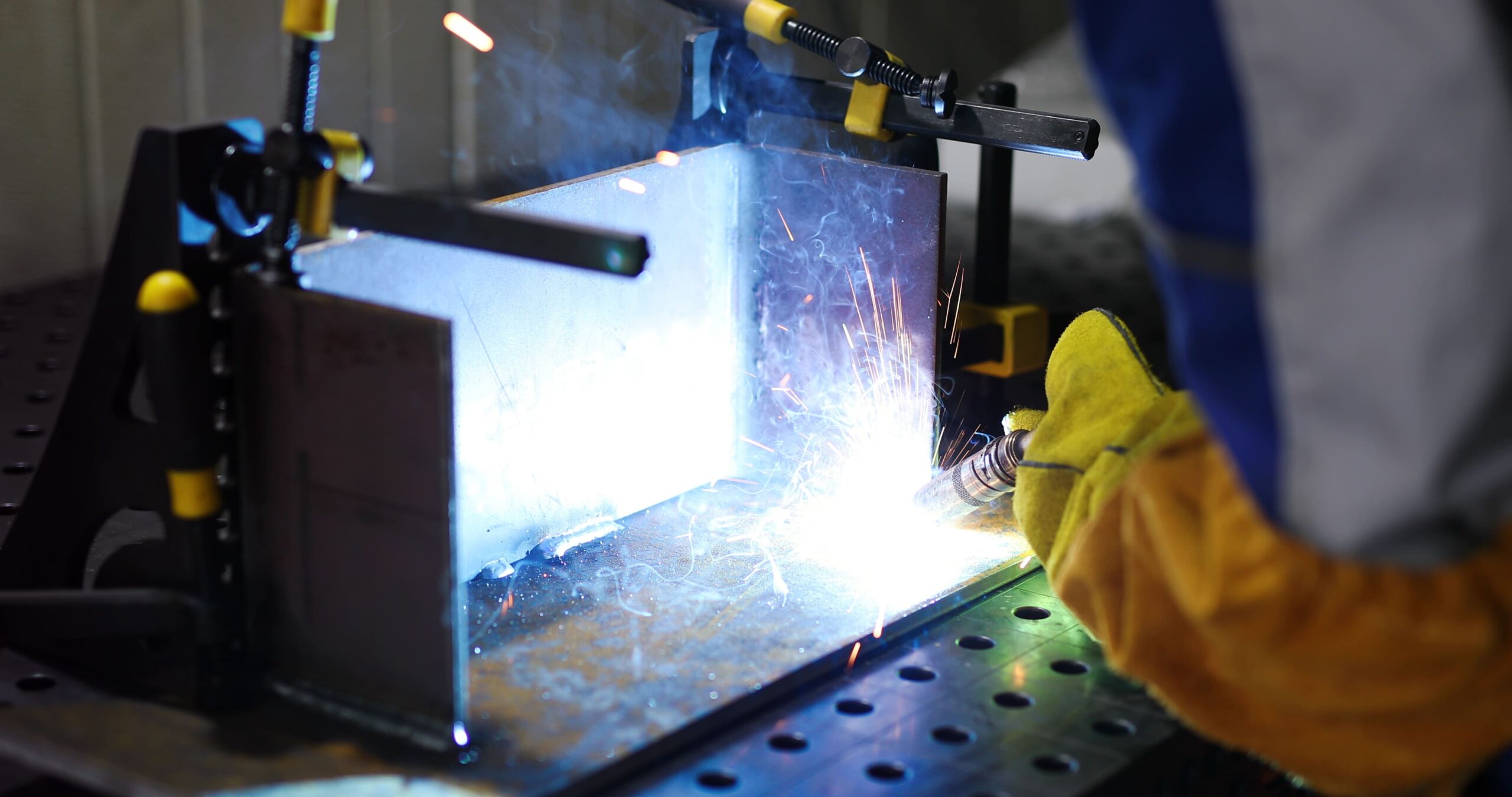
Our TIG, MIG, and spot welding capabilities create strong, reliable parts and assemblies with controlled distortion, dimensional accuracy, and clean weld finishes.
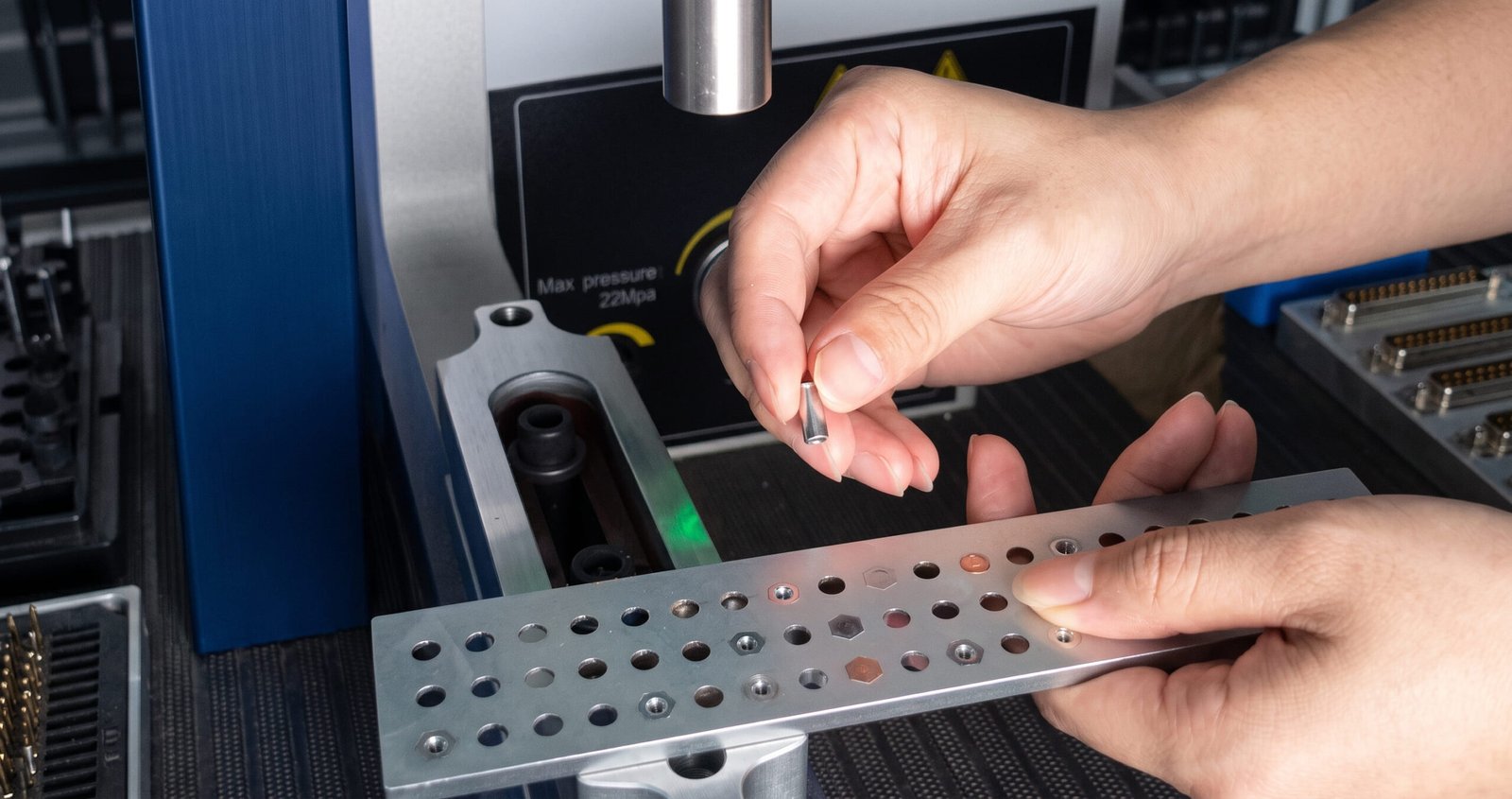
We install self-clinching nuts, studs, standoffs, rivets, and threaded inserts to provide secure attachment points and simplify downstream assembly.
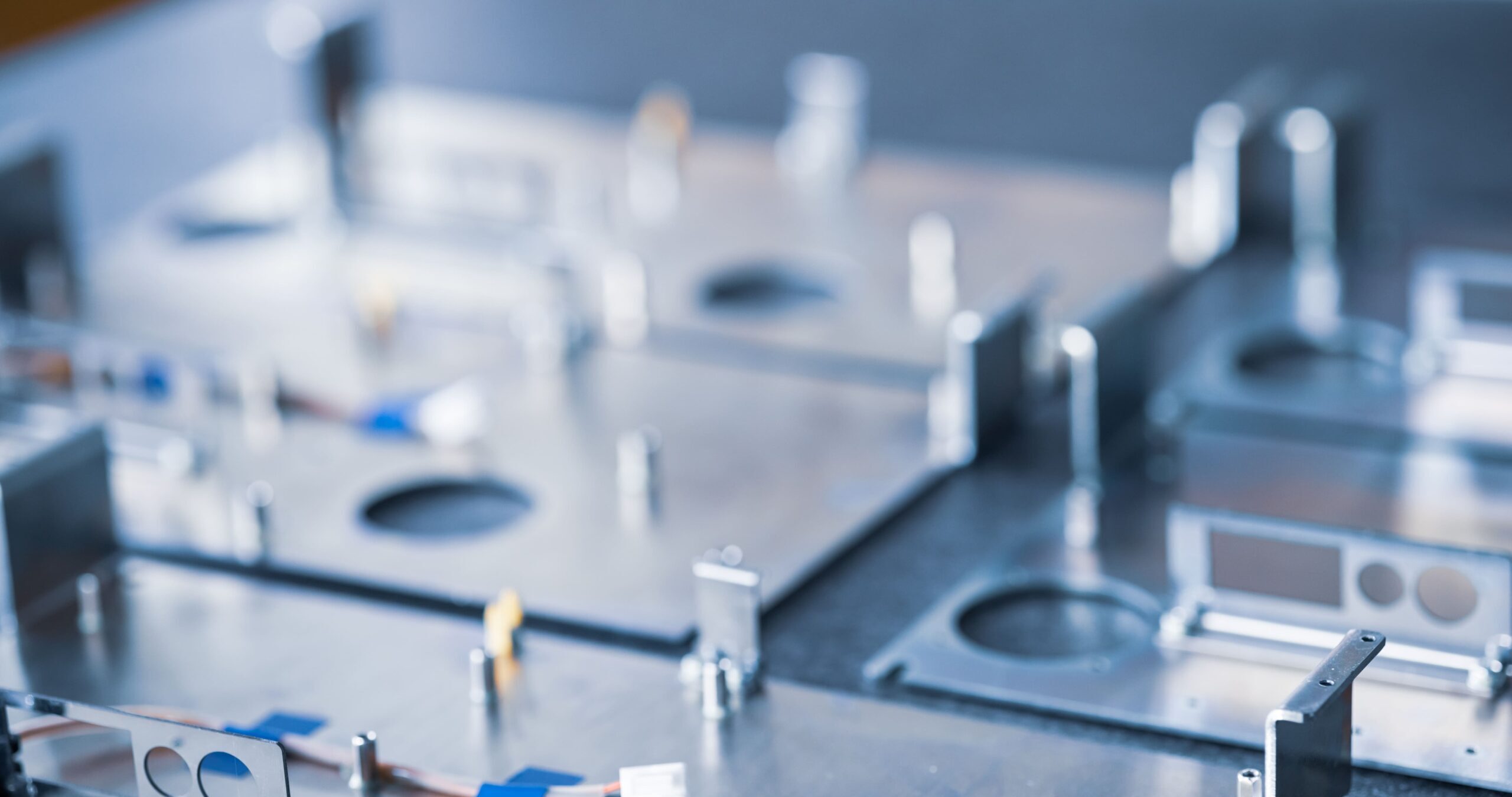
We integrate fabricated components, fasteners, and other hardware through welding, riveting, and mechanical fastening to deliver inspected products ready for installation.
Choose from our range of aluminum, stainless steel, carbon steel, galvanized steel, brass, and copper materials for laser cutting, bending, forming, punching, welding, and final assembly. Our engineers can help you select the right material based on strength, formability, corrosion resistance, surface finish, and project cost.
Material certificates and traceability documents are available upon request.
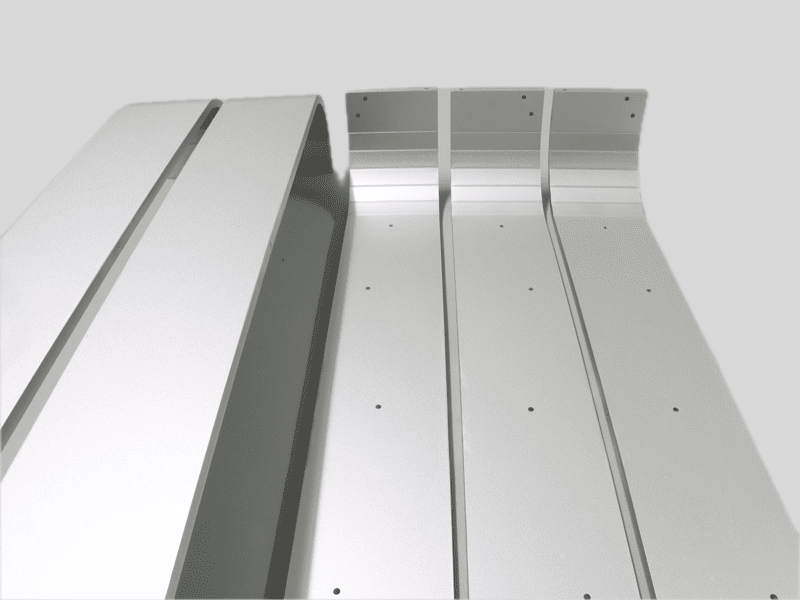
Aluminum delivers an exceptional strength-to-weight ratio, superior thermal and electrical conductivity, and natural atmospheric corrosion resistance. Ideal for lightweight electronic enclosures, aircraft brackets, and heat sinks.
| Aluminum Type | Available Grades | Key Properties & Applications |
|---|---|---|
| Commercially Pure | 1050 1060 | Offers excellent formability, corrosion resistance, and electrical conductivity but relatively low strength. Suitable for panels, covers, electrical parts, and lightweight enclosures. |
| Forming & Marine | 5052-H32 5754 5083 | The premier alloy for sheet metal press-brake bending and TIG/MIG welding. Outstanding saltwater corrosion resistance and high fatigue endurance. |
| Structural Alloy | 6061-T6 6063 | High mechanical strength and excellent post-machining dimensional stability. Responsive to anodizing for wear-resistant and decorative finishes. |
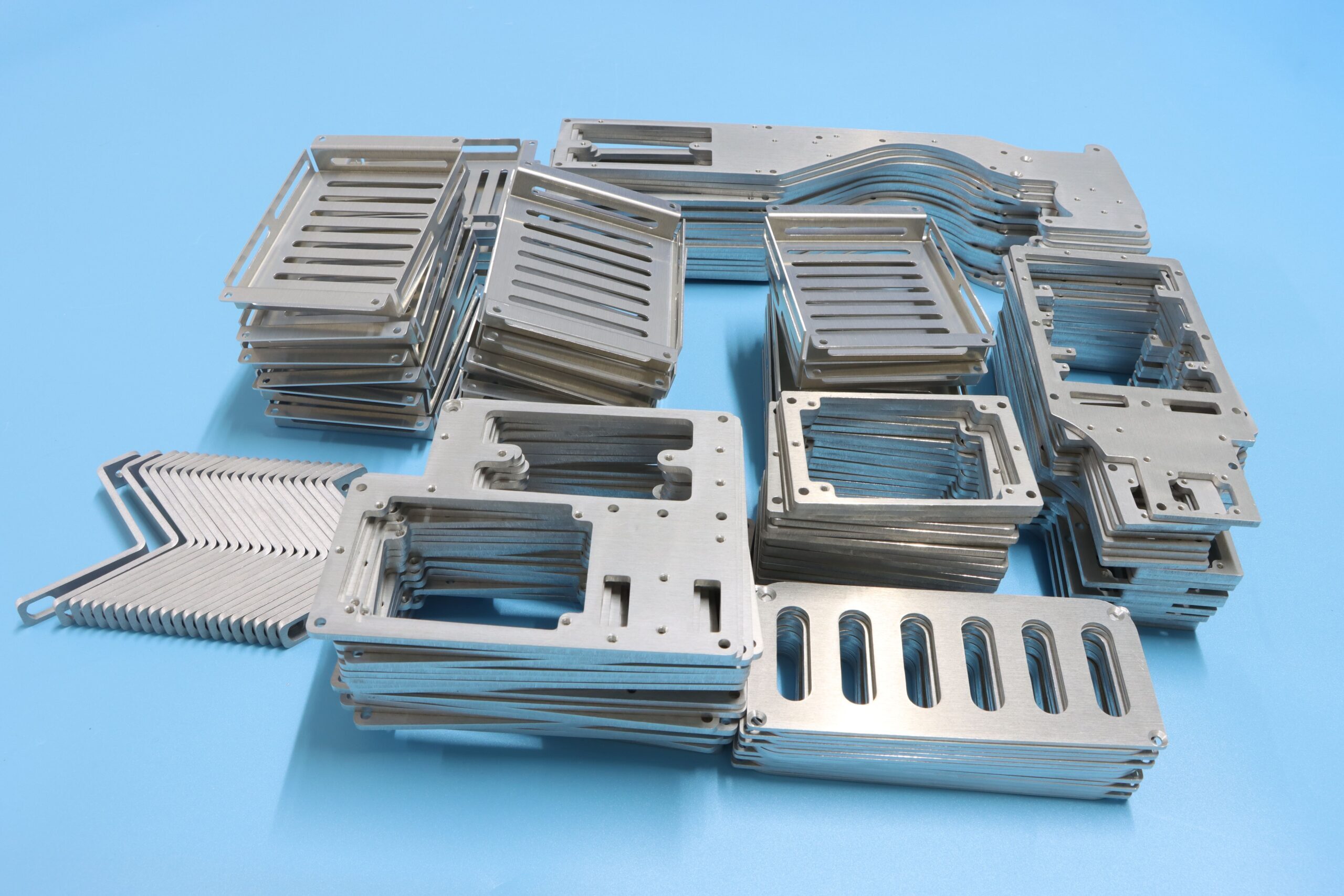
Stainless steel provides superior corrosion protection, high tensile strength, and hygienic cleanability. Available in raw mill 2B finish, #4 brushed cosmetic finish, or mirror polish.
| Stainless Type | Available Grades | Key Properties & Applications |
|---|---|---|
| Austenitic Standard | SUS304 SUS304L | Most widely used grade. Offers high strength, excellent corrosion resistance, and clean cosmetic finishes for food processing, medical devices, and indoor control cabinets. |
| Marine Grade | SUS316 SUS316L | Molybdenum-alloyed for enhanced resistance to chlorides, acids, and pitting corrosion. Ideal for marine environments, pharmaceutical equipment, and harsh outdoor use. |
| Spring & High-Yield | SUS301 430 Ferritic | High work-hardening rate for retaining clips, flexible grounding tabs, and economical magnetic decorative panels. |
Carbon steel delivers high mechanical rigidity, predictable formability, and structural durability at an economical price point. Excellent base material for durable powder-coated assemblies.
| Steel Type | Available Grades | Key Properties & Applications |
|---|---|---|
| Cold-Rolled Steel (CRS) | SPCC DC01 DC05 | Features smooth surface quality, uniform thickness, and good formability. Ideal for general precision panels, electronic chassis, trays, and tight-tolerance press-brake parts. |
| Hot-Rolled & Structural | SPHC Q235 Q355 | Cost-effective structural material providing high mechanical strength for heavy-duty welded frames, base plates, industrial equipment enclosures, and structural supports. |
Coated with metallic zinc for enhanced anti-corrosion protection while maintaining smooth surface aesthetics. Standard processing thicknesses range from 0.8 mm to 4.0 mm (up to 6.0 mm upon engineering review).
| Coating Type | Available Grades | Key Properties & Applications |
|---|---|---|
| Electrolytic Galvanized | SECC SEC-D | Extremely uniform, ultra-smooth zinc coating with superior paint adhesion (thickness 0.8–3.2 mm). Widely used for consumer appliance casings, computer housings, and precision indoor racks. |
| Hot-Dip Galvanized | SGCC DX51D+Z | Thicker zinc barrier layer for rugged corrosion defense (thickness 0.8–4.0 mm, up to 6.0 mm). Ideal for outdoor HVAC cabinetry, cable trays, structural ductwork, and equipment housings. |
Essential engineering metals for electrical contacts, power transmission, and architectural trim. We operate specialized high-power fiber laser optics to cleanly cut reflective non-ferrous sheet metals.
| Alloy Family | Available Grades | Key Properties & Applications |
|---|---|---|
| Pure Copper (ETP) | T2 (Cu-ETP) C11000 | Thickness: 0.5 mm – 4.0 mm. Highest electrical and thermal conductivity (99.9% IACS). Specified for power distribution busbars, grounding clips, heat dissipation plates, and battery interconnects. |
| Forming & Yellow Brass | H62 (CuZn40) H65 (CuZn35) C26000 | Thickness: 0.5 mm – 6.0 mm. Excellent cold ductility, wear resistance, and attractive golden finish. Widely used for stamped electrical terminals, connector pins, decorative faceplates, and instrument shims. |
Optimize your sheet metal CAD designs to ensure high manufacturability, minimize tooling wear, and reduce your production costs.
Design all bends on a single part with the same inside radius. This avoids multiple machine setup changes and specialized punch-die swaps during press brake operations, drastically lowering your unit cost.
Keep holes, slots, and cutouts at a minimum distance of 3x the sheet thickness away from the bend tangent line to prevent the opening from stretching, ovalizing, or warping during press brake forming.
Ensure the diameter of any pierced or punched holes is at least equal to or greater than the sheet thickness. Piercing holes smaller than material thickness leads to severe punch tip wear and premature tool breakage.
Optimize your sheet metal CAD designs to ensure high manufacturability, minimize tooling wear, and reduce your production costs.
Design all bends on a single part with the same radius. This avoids machine tooling changes during production, drastically lowering your unit cost.
Keep holes and slots at a minimum distance of 3x the sheet thickness away from the bend line to prevent the hole from stretching or warping during forming.
Ensure the diameter of any pierced holes is at least equal to or greater than the sheet thickness to prevent tooling damage and material deformation.
Precision sheet metal fabrication requires tighter dimensional control, consistent bend angles, precise hole-to-bend alignment, clean deburred edges, and part-to-part repeatability. It typically involves CNC fiber laser cutting, precision CNC press brakes, dedicated robotic or manual welding fixtures, edge-rounding deburring, and detailed CMM/gauge inspection. Conventional sheet metal fabrication focuses primarily on basic structural welding with wider tolerance allowances.
Typical fiber laser-cutting tolerances range from ±0.05 mm to ±0.1 mm. Precision CNC bending tolerances are generally ±0.1 mm to ±0.3 mm for linear dimensions and ±0.5° to ±1° for bend angles, following ISO 2768-m standards. Actual achievable tolerances depend on sheet thickness, material grade, flange length, and hole proximities. Critical tighter tolerances are confirmed via engineering review.
TENGHUI processes sheet metal in thicknesses ranging from 0.5 mm to 25 mm depending on material grade and fabrication process:
• Aluminum (5052, 6061): 0.5 mm – 12.0 mm
• Stainless Steel (304, 316/316L): 0.5 mm – 15.0 mm
• Carbon Steel (Q235, SPCC, 1018): 0.5 mm – 25.0 mm
• Galvanized Steel (SECC, SGCC): 0.8 mm – 4.0 mm
• Brass & Copper: 0.5 mm – 6.0 mm (Brass) / 0.5 mm – 4.0 mm (Copper)
Keep inner bend radii consistent across the part (preferably equal to sheet thickness), add proper bend reliefs at tear corners, and maintain a minimum distance of at least 2.5× to 3× material thickness between hole edges and bend lines to prevent oval elongation. Our engineering team reviews all flat patterns and provides complimentary DFM optimization before running parts on CNC press brakes.
We minimize thermal welding distortion through precision laser-cut interlocking tabs, custom rigid welding fixtures, intermittent stitch welds, and balanced welding sequences. We utilize TIG welding for cosmetic edges and MIG/spot welding for structural joints, followed by post-weld joint dressing, surface leveling, and stress relief when necessary.
Yes. Powder coating (adding 50–100 μm), e-coating, and heavy zinc plating add measurable thickness that can close undersized holes, interfere with threaded PEM hardware, or tighten sliding slots. We utilize silicone masking caps and dimensionally compensate critical mounting tabs prior to coating application.
Inspection includes incoming raw sheet thickness testing, first-piece CNC bend angle inspection, optical cut-edge checks, and functional pin gauging on hole pitches. All finished parts undergo mechanical deburring (belt grinding or vibratory edge breaking) to ensure safe assembly. Standard dimensional inspection reports and raw material mill certificates are provided with shipments; full CMM coordinate reports can be requested prior to manufacturing.
Please provide a 3D CAD model (.STEP or .STP) representing the formed geometry alongside a fully dimensioned 2D engineering drawing (.PDF or .DXF) specifying material grade, sheet thickness, bend angles, PEM fastener part numbers, weld locations, and surface treatment requirements.
Yes. TENGHUI seamlessly integrates sheet metal enclosures and welded chassis with CNC-machined mounting blocks, precision shafts, tight-tolerance bearing bores, and custom extruded brackets—delivering complete, fully integrated mechanical sub-assemblies under one roof.
Upload your 2D drawings (PDF/DWG/DXF) and 3D CAD files (STEP/IGES). We evaluate part geometry, materials, and tolerances within 24 hours.
Once we receive your design files, our senior manufacturing engineers will manually perform a comprehensive DFM review and deliver an accurate, optimized quote within 24 hours.