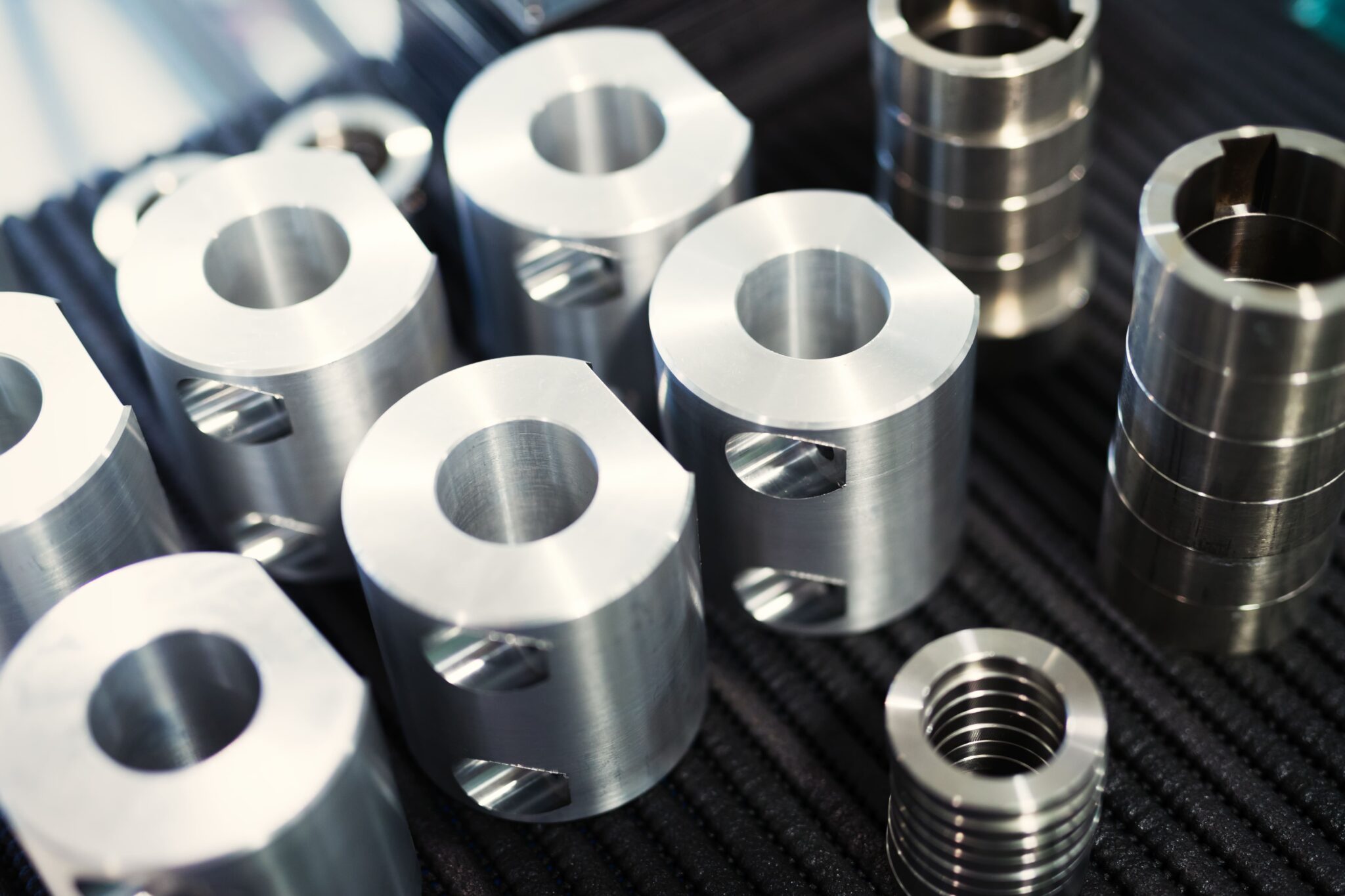
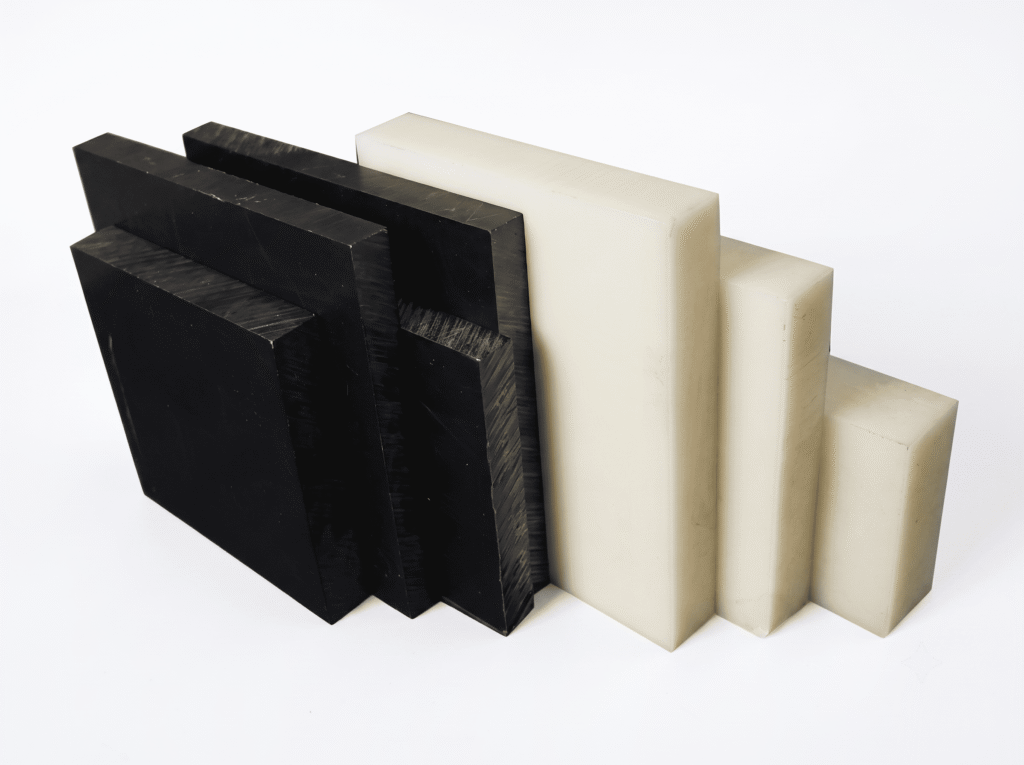
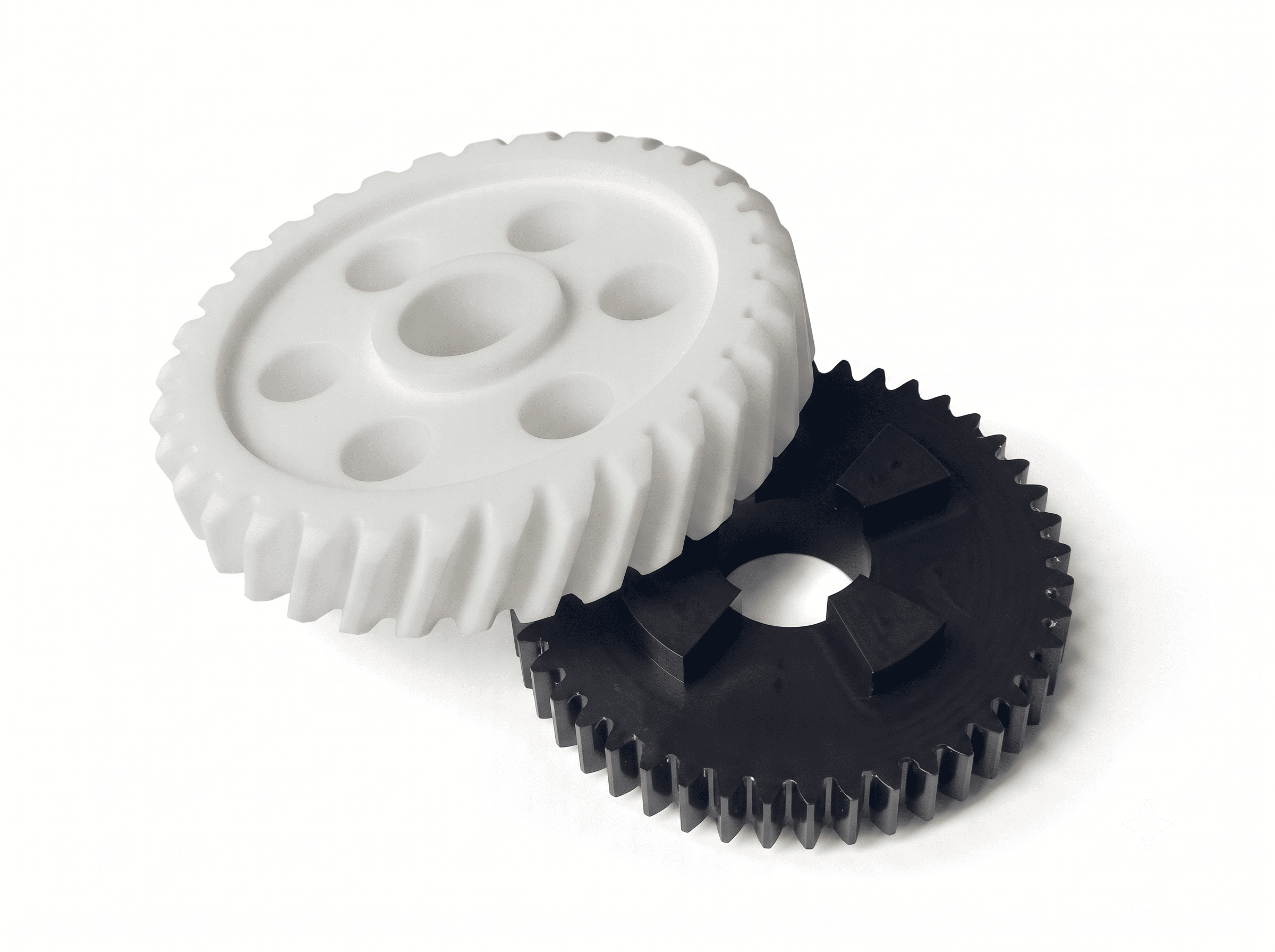
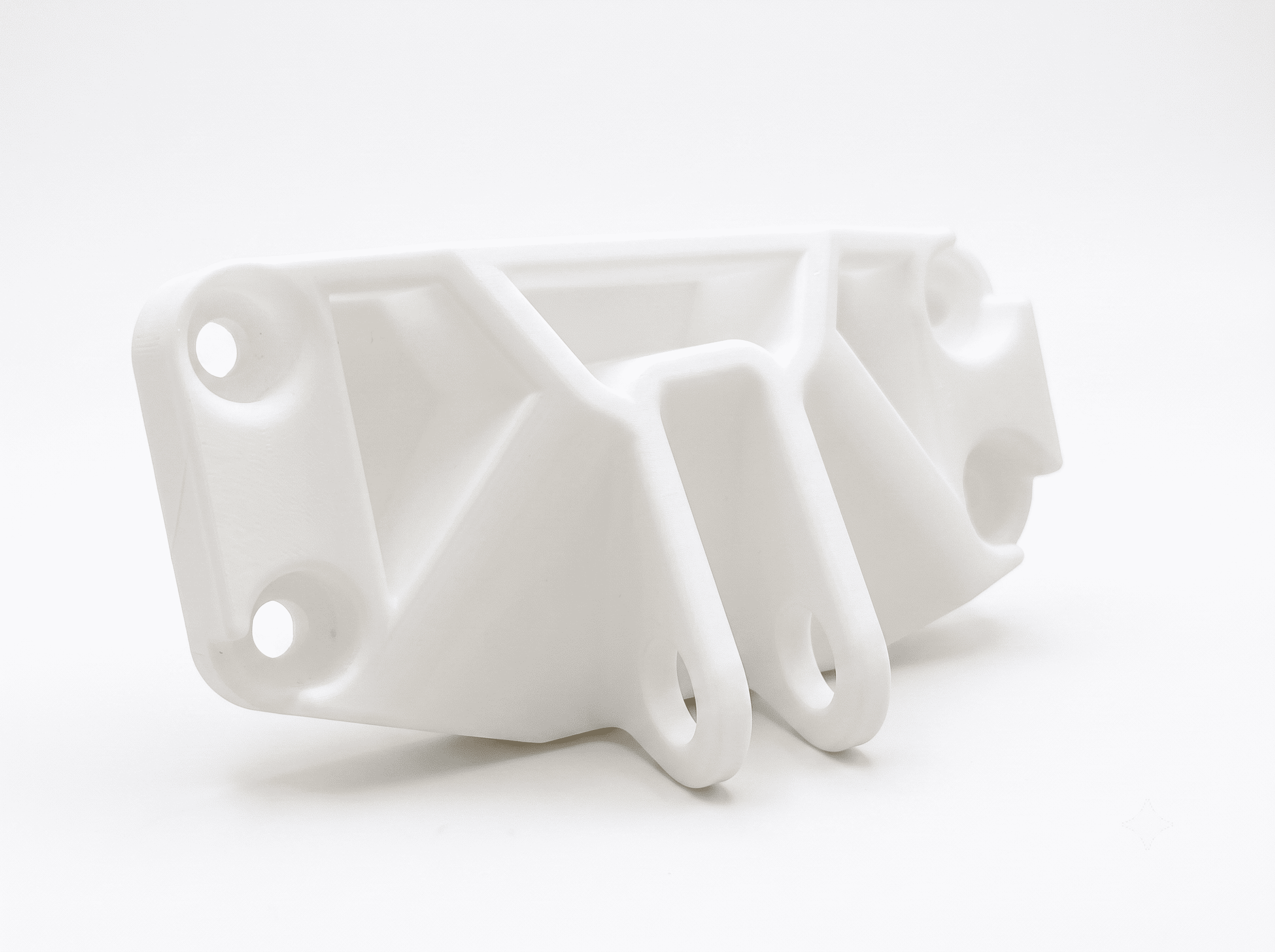
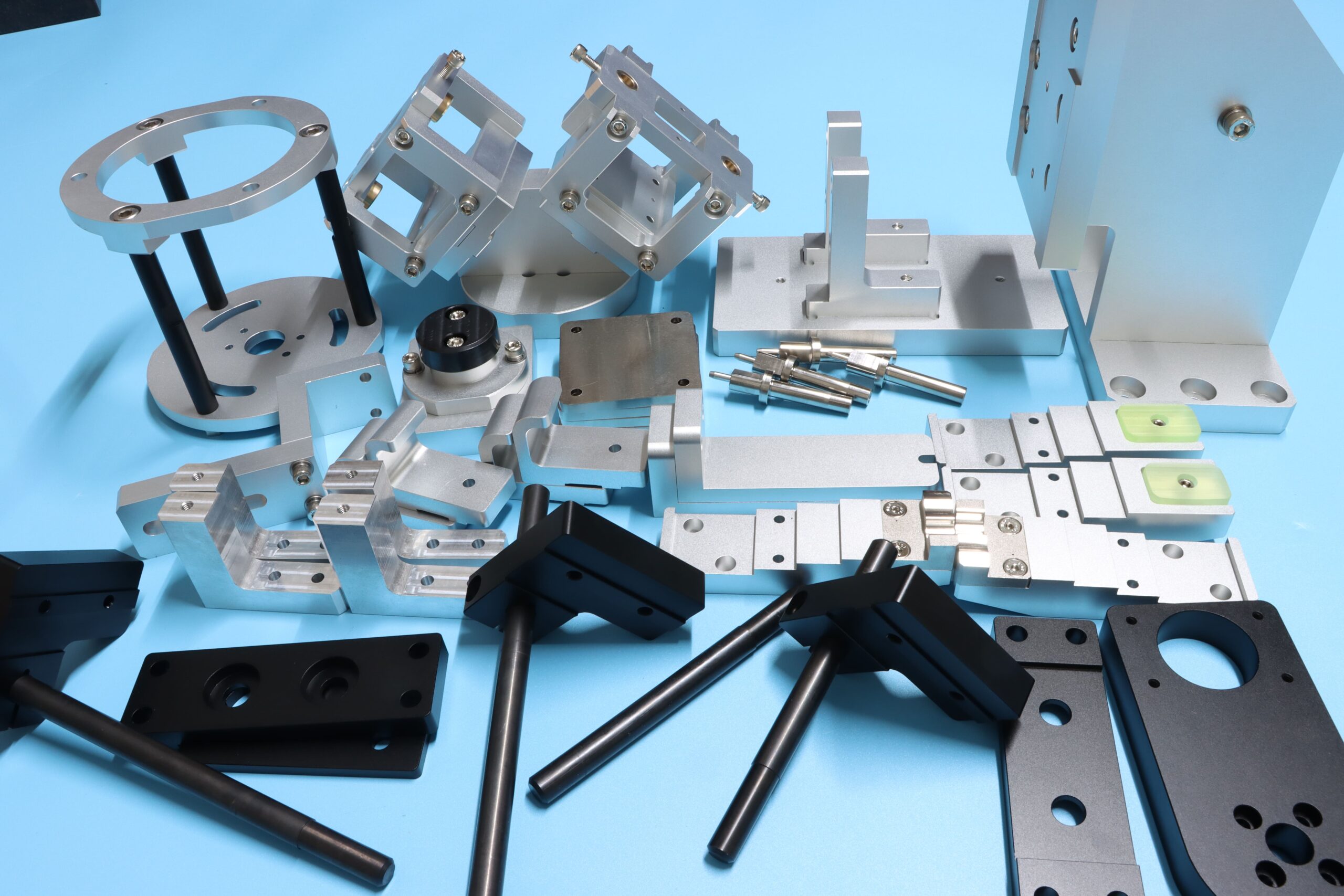
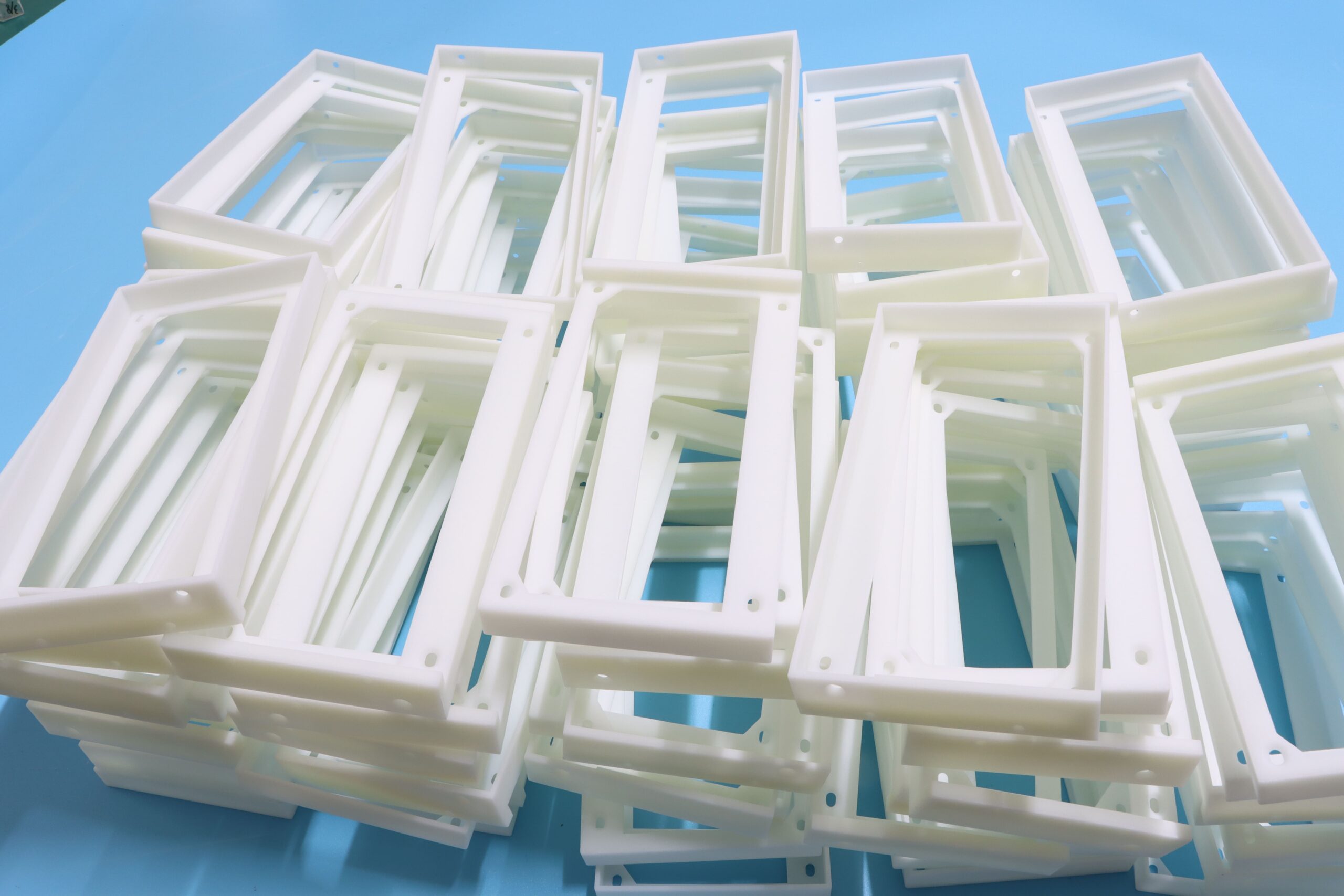
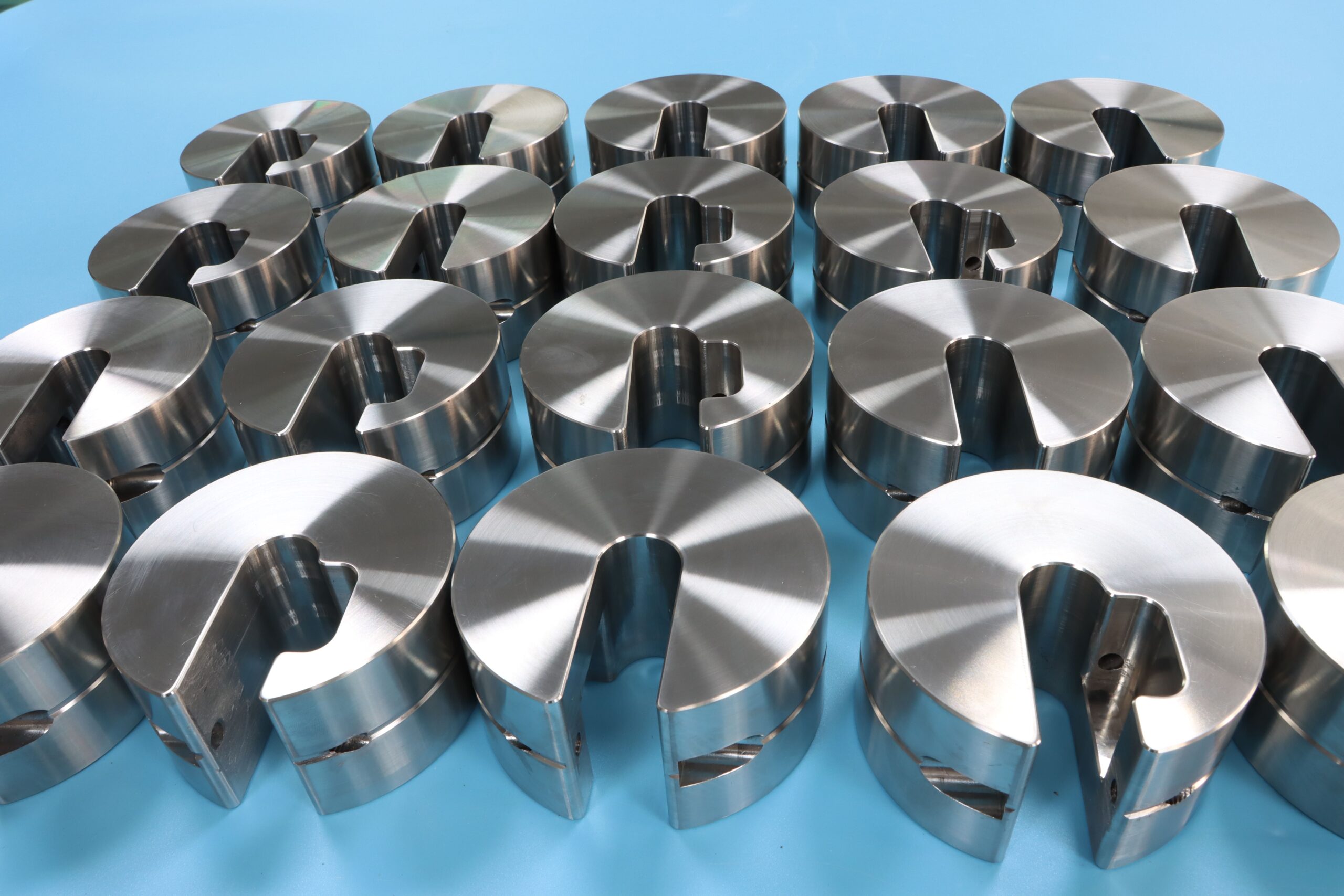
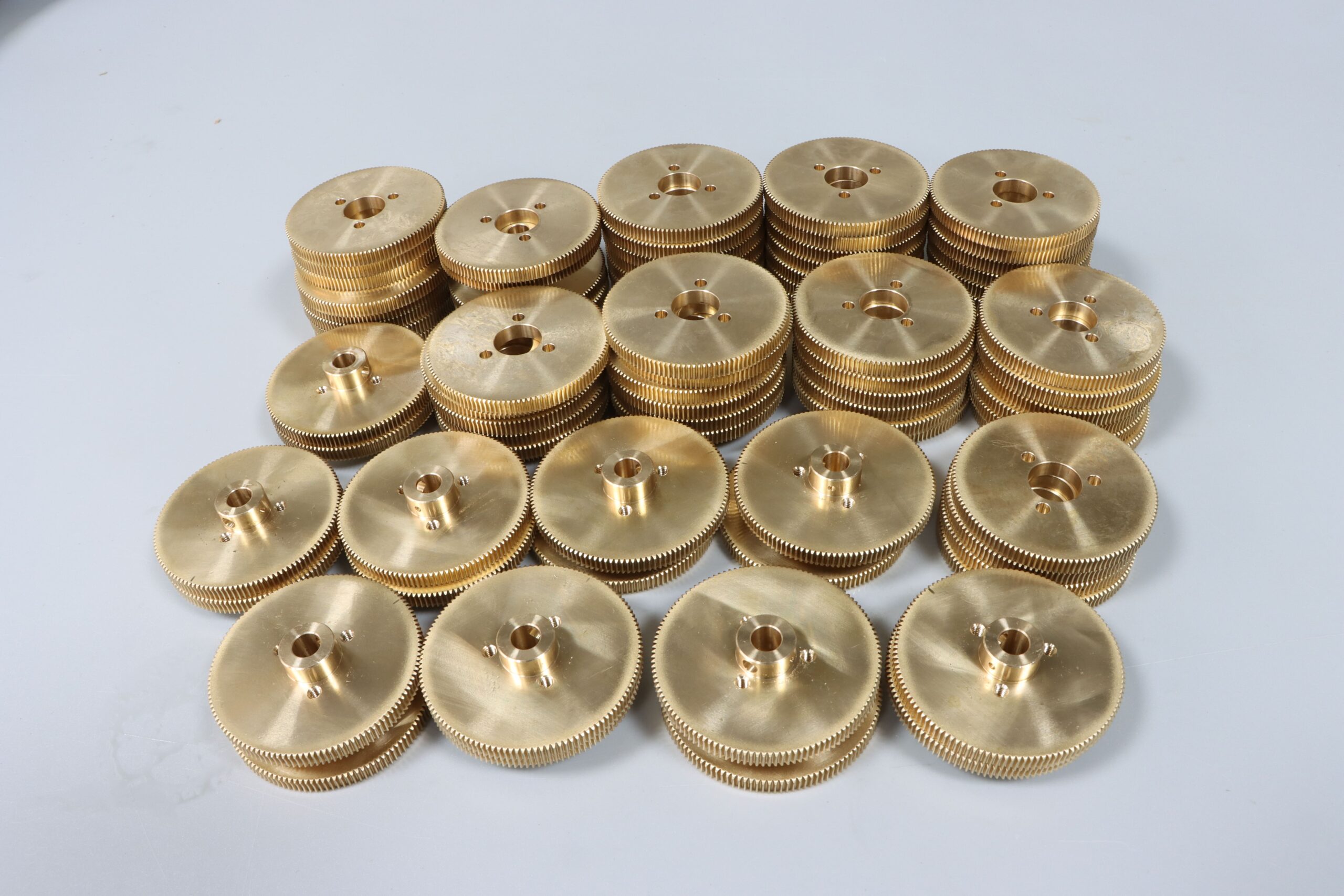
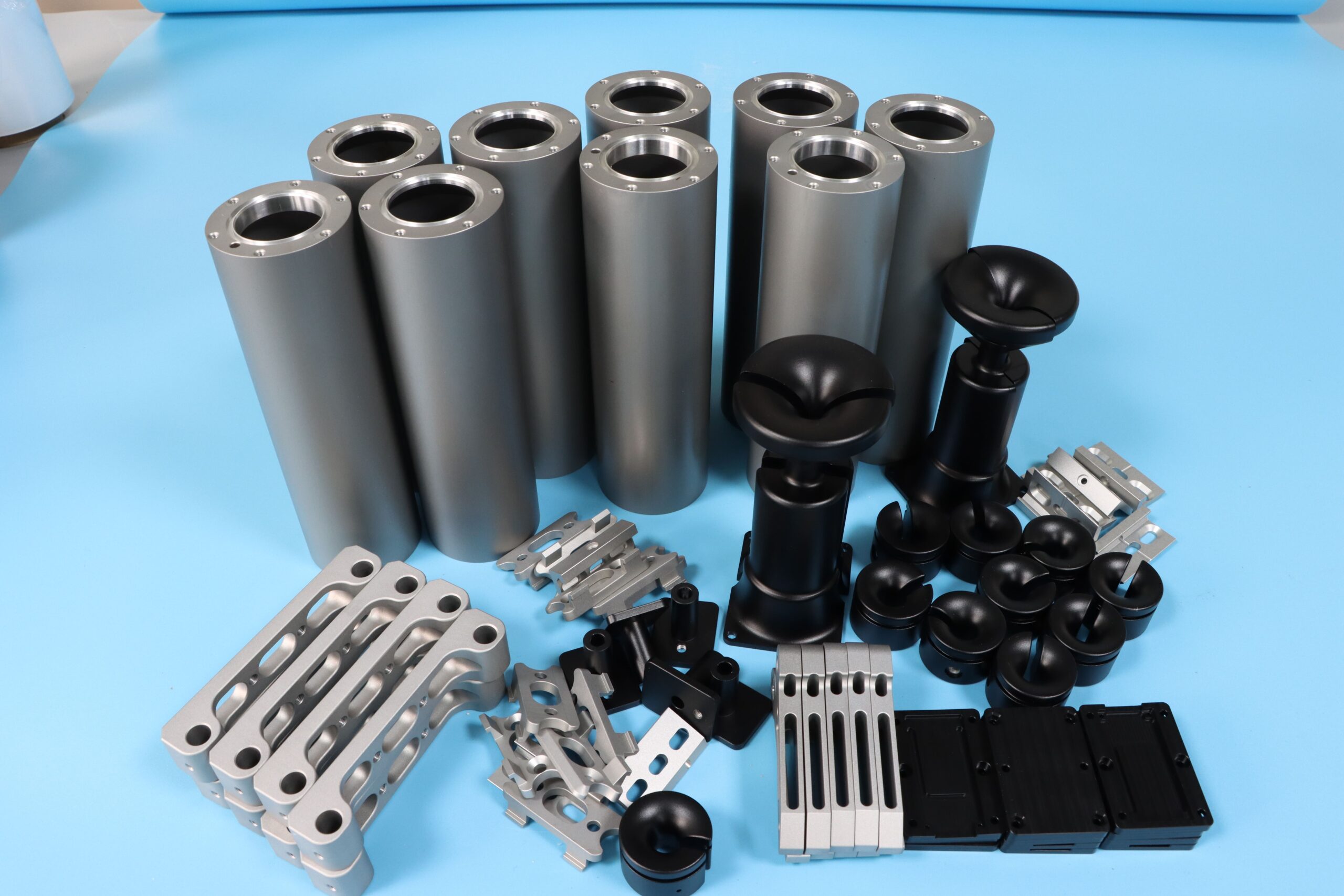
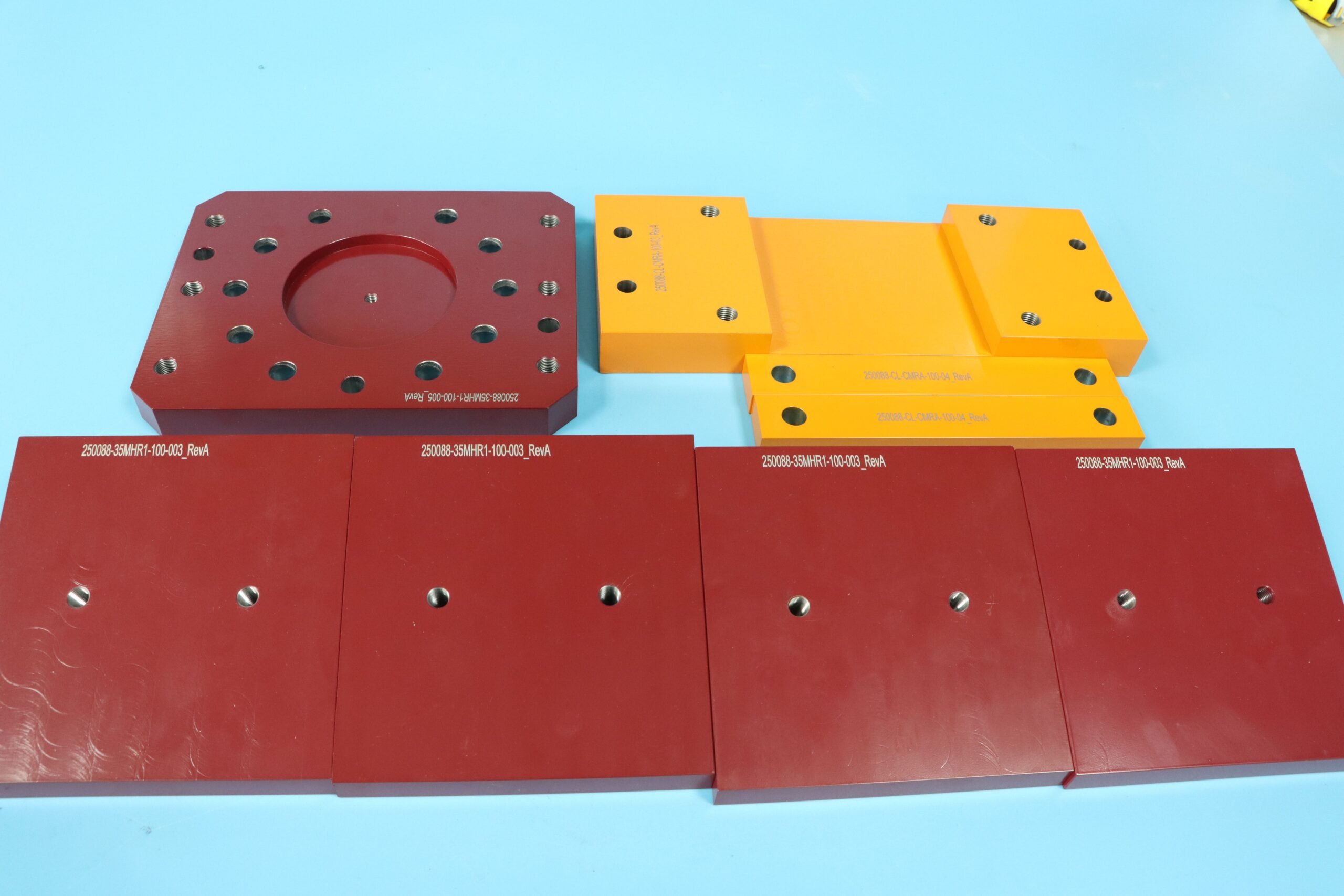
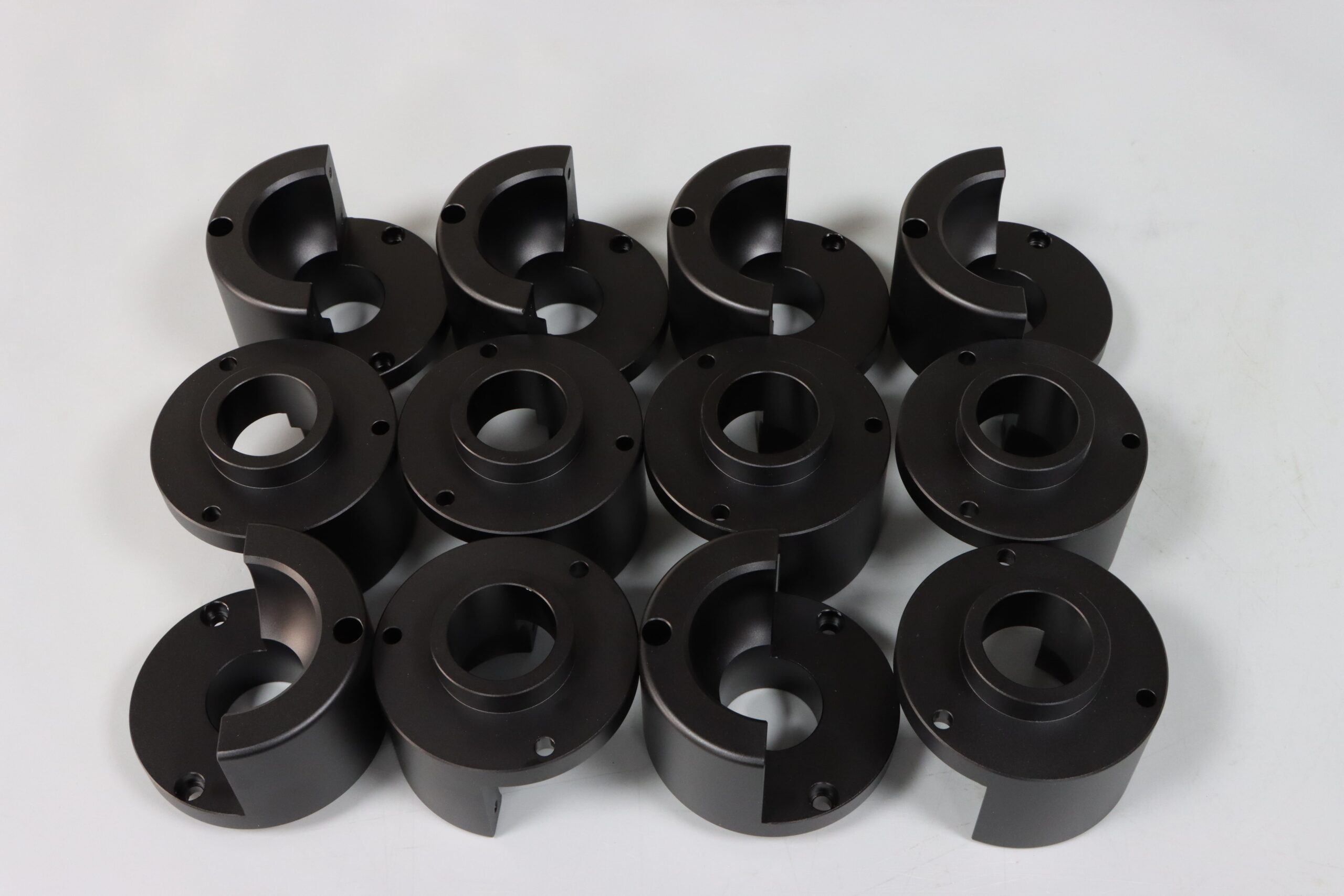
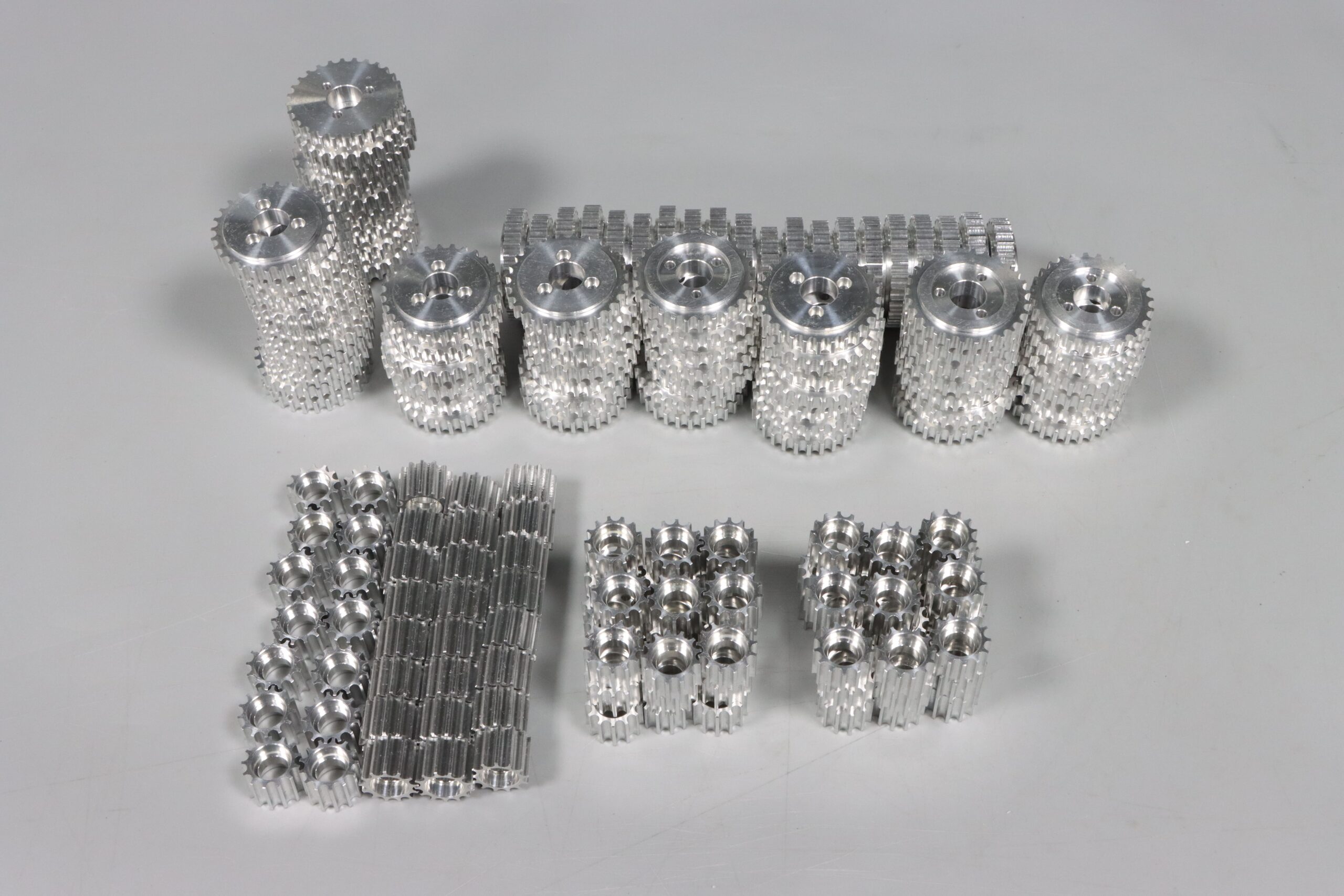
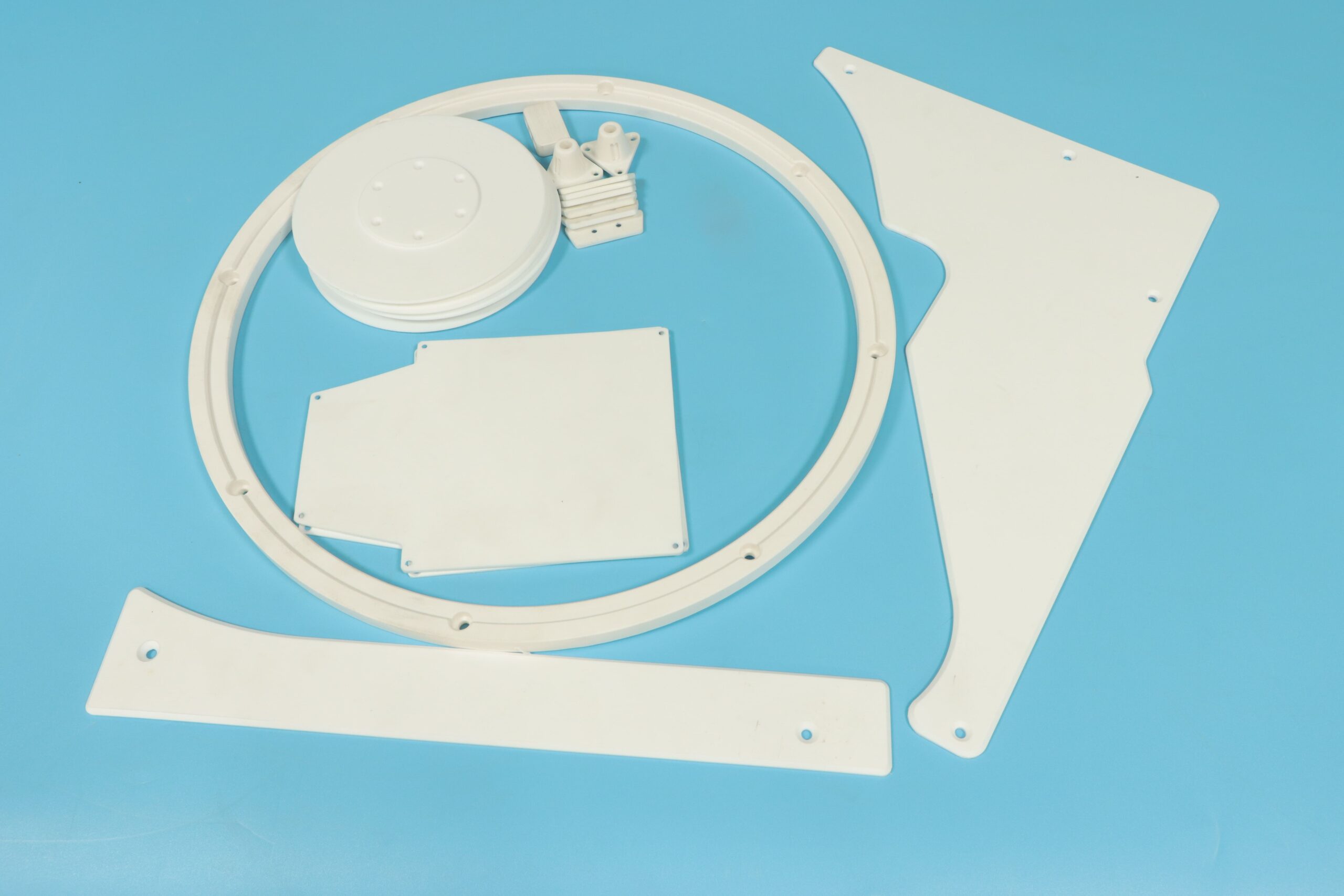
We provide premium online CNC machining services, delivering rapid metal or plastic prototypes and production-grade parts.
✅ All Design Uploads Are Secure & Confidential
Find the perfect manufacturing solution for your custom plastic and metal components. Our engineering production team helps guide your product seamlessly from initial design and rapid prototyping to full-scale series manufacturing.
Common Grades: 6061, 7075, 2024
Key Features: Lightweight, highly corrosion-resistant, excellent machinability, and great thermal conductivity.
Typical Applications: Aerospace brackets, automotive engine parts, custom electronic enclosures, and functional rapid prototypes.
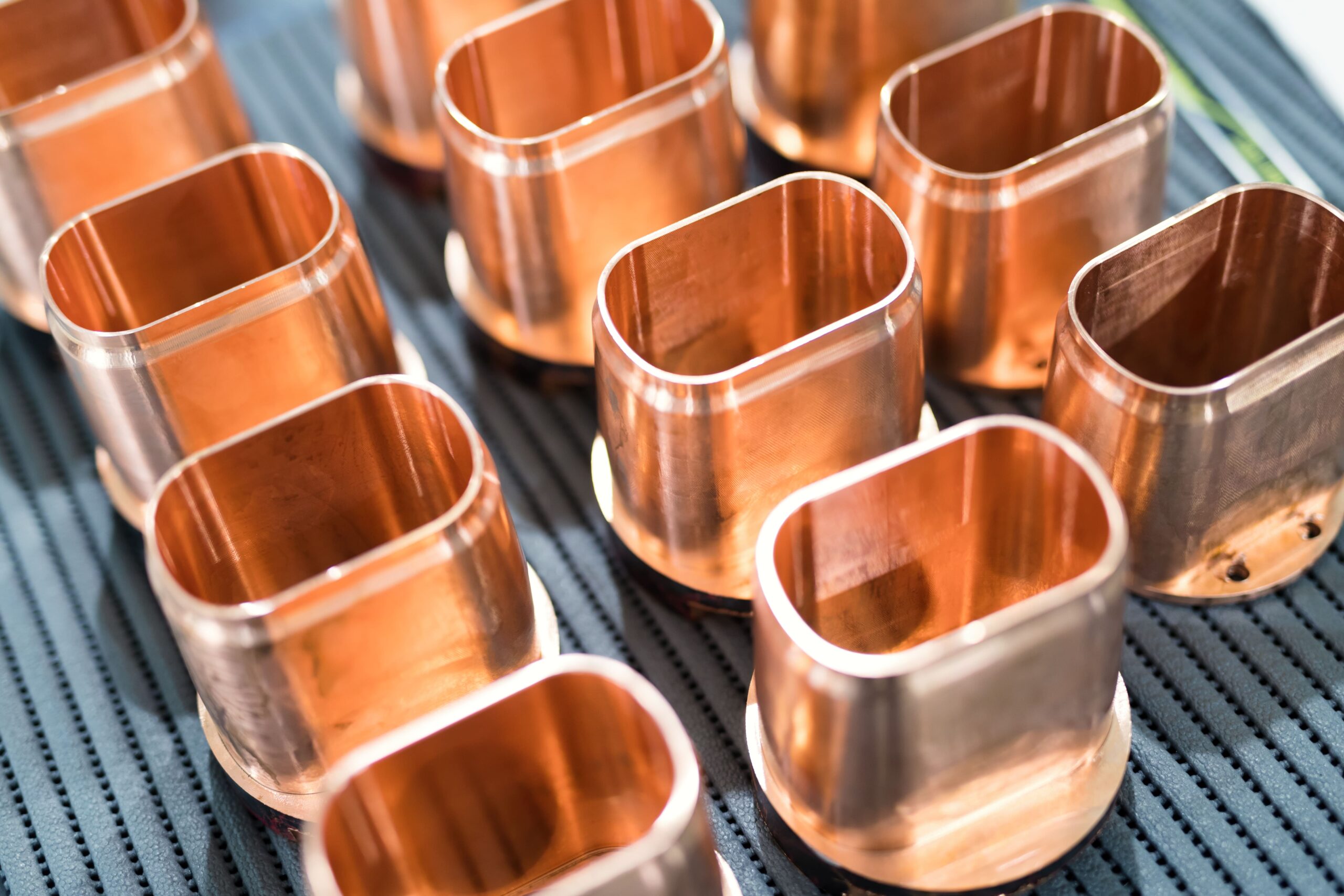
Common Grades: C101, C110
Key Features: Ultra-high thermal and electrical conductivity, excellent ductility, and natural antimicrobial properties.
Typical Applications: High-efficiency heat sinks, electrical busbars, power distribution blocks, and grounding terminals.
Common Grades: C360 / Free-Cutting Brass
Key Features: Outstanding machinability, low friction coefficient, non-sparking, and great electrical conductivity.
Typical Applications: Threaded pipe fittings, fluid valve bodies, compression couplings, and electronic terminal connectors.
Common Grades: 303, 304, 316, 17-4 PH
Key Features: Exceptional rust and corrosion resistance, high structural strength, and premium aesthetic metallic finish.
Typical Applications: Surgical instruments, medical devices, marine hardware, and food processing equipment components.
Common Grades: 1018, 1045, 4140
Key Features: High tensile strength, rugged and durable, responds well to heat treatment, and highly cost-effective.
Typical Applications: Industrial drive shafts, heavy-duty structural frames, mechanical gears, and manufacturing tools.
Common Grades: 1018, 1020, A36
Key Features: Excellent machinability, highly ductile and weldable, easy to case-harden, and highly economical for structural parts.
Typical Applications: Mounting brackets, custom fixtures, automotive structural supports, baseplates, and machine links.
Common Grades: Grade 2 (Pure), Grade 5 (Ti-6Al-4V)
Key Features: Extreme strength-to-weight ratio, superb biocompatibility, and outstanding temperature/chemical resistance.
Typical Applications: Aerospace structural links, medical implants, bone screws, and high-performance racing components.
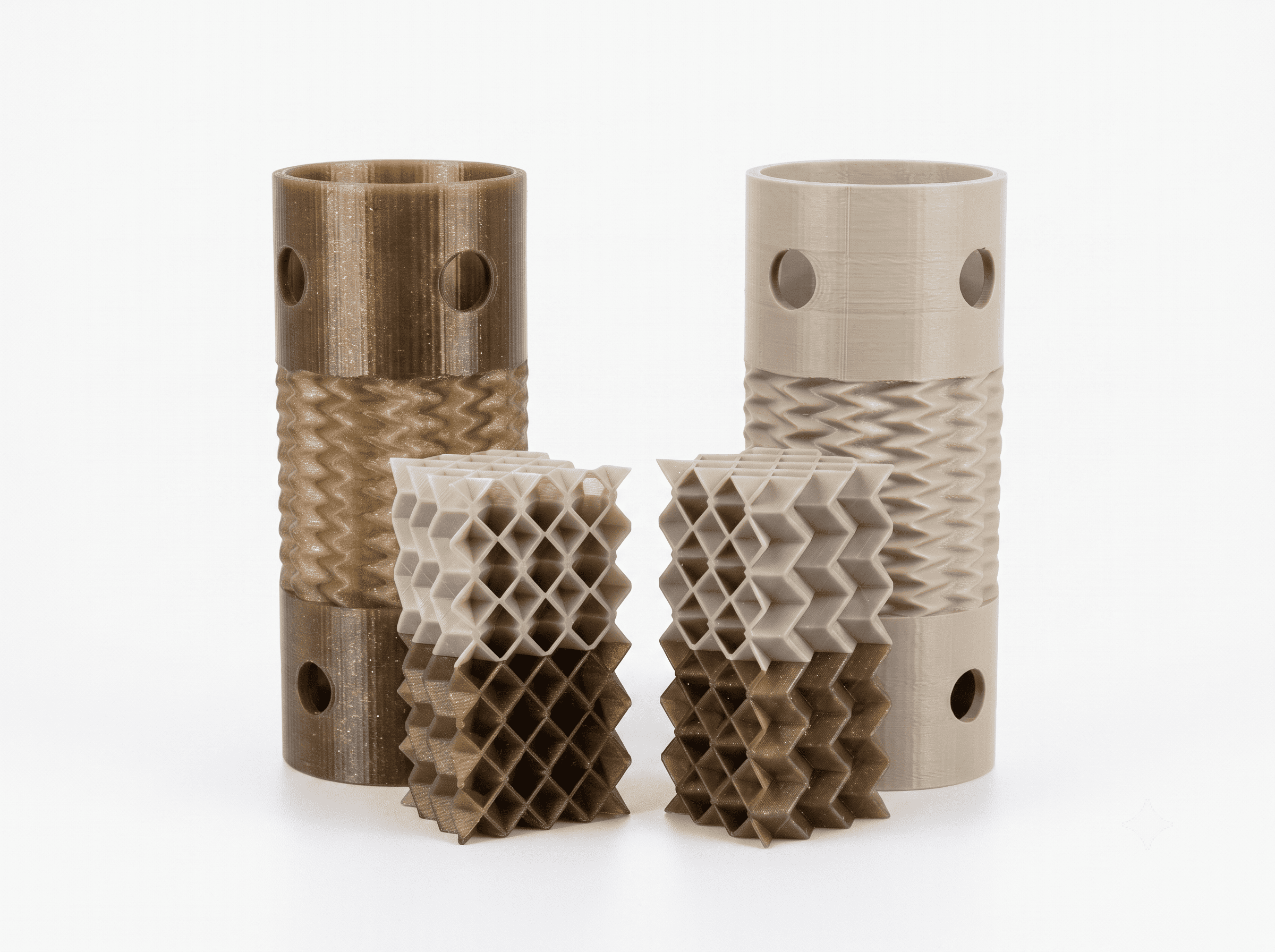
Key Features: Lightweight, excellent impact resistance, high mechanical strength, and outstanding dimensional stability.
Typical Applications: Custom electronic enclosures, functional prototypes, consumer goods, and automotive interior panels.
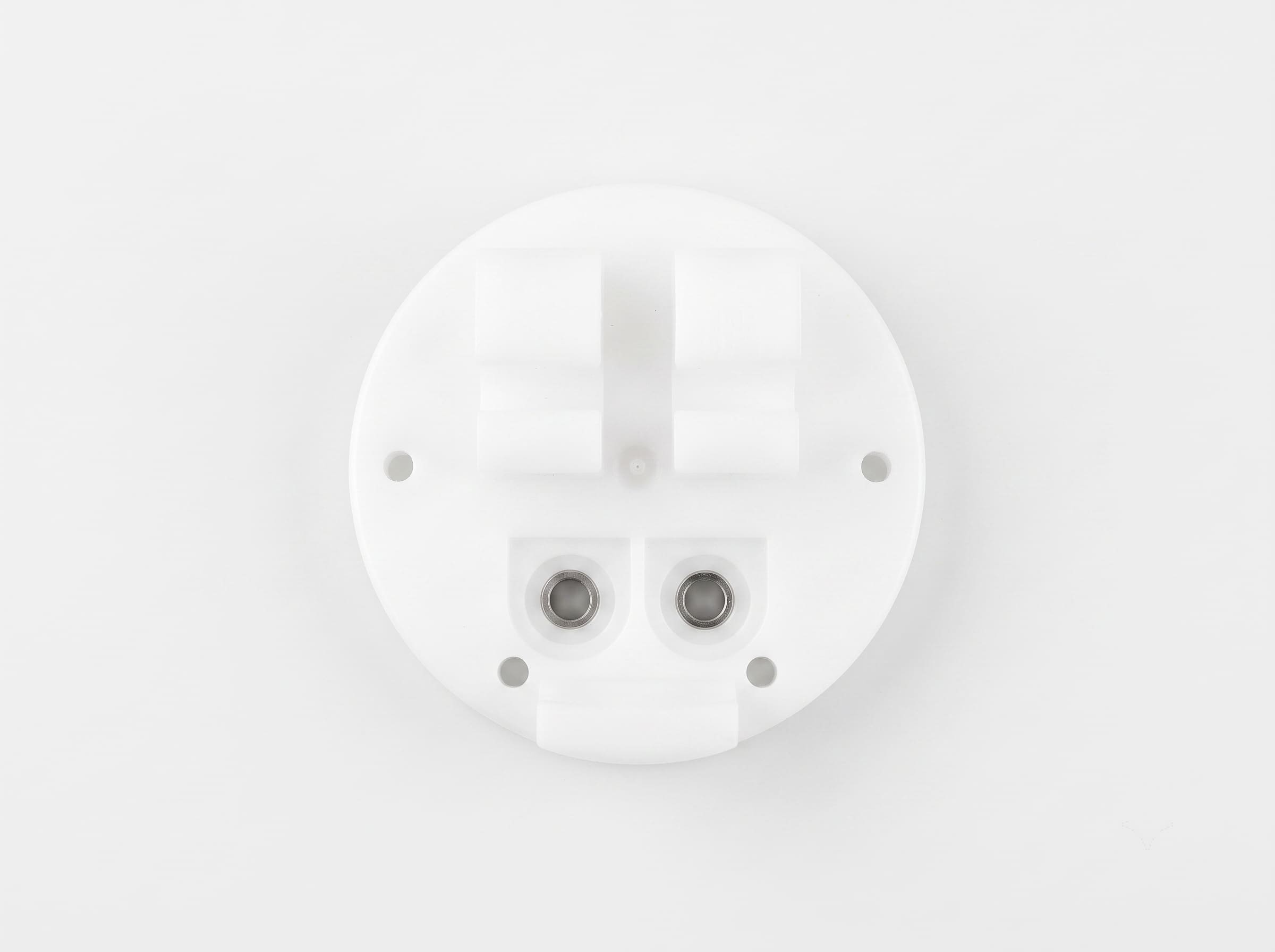
Key Features: High structural strength, low friction coefficient, exceptional wear resistance, and high stiffness.
Typical Applications: Precision gears, industrial bearings, custom fixtures, guide rollers, and mechanical linkages.
Key Features: Rugged and durable, high wear resistance, excellent toughness, and low coefficient of friction.
Typical Applications: Wear sleeves, bushings, industrial rollers, spacers, and durable washers.
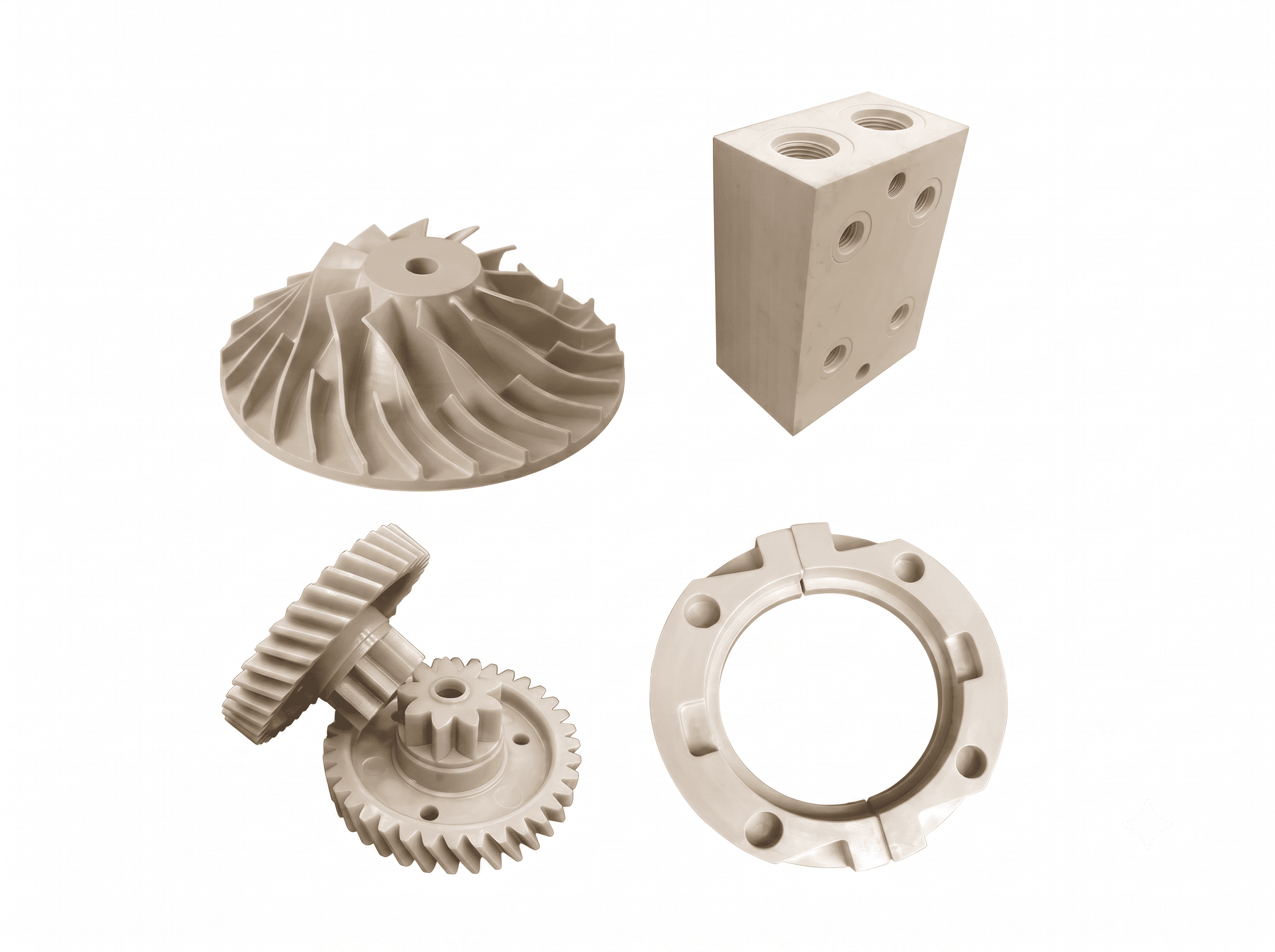
Key Features: Outstanding high-temperature limits, superior chemical isolation, and excellent tensile strength.
Typical Applications: Aerospace structural components, medical devices, oil & gas valve seats, and semiconductor parts.
Key Features: High strength-to-weight ratio, extremely lightweight, and excellent resistance to chemical corrosion.
Typical Applications: Food packaging containers, chemical fluid tanks, automotive components, and medical instrument housings.
Key Features: Extremely lightweight, 100% waterproof, excellent chemical passive behavior, and high toughness.
Typical Applications: Industrial water tanks, cutting boards, protective gaskets, seals, and fluid containers.
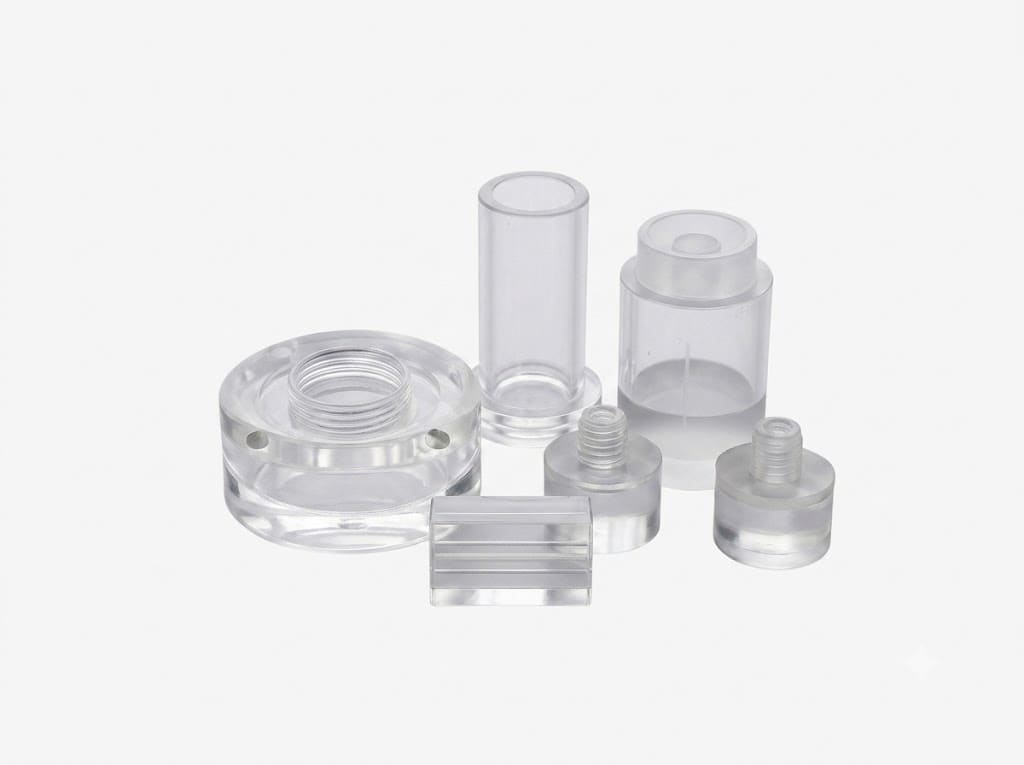
Key Features: Optical-grade transparency, extreme impact strength, and high heat and dimensional stability.
Typical Applications: Clear display lens covers, protective face shields, light guides, and transparent device housings.
Enhance your custom CNC machined parts with our full suite of post-processing options. From functional mechanical performance to high-end aesthetic visual standards, we provide turnkey surface treatments to meet your exact engineering specifications.
| Surface Finish | Appearance / Color | Key Properties & Engineering Benefits | Best For (Materials) |
|---|---|---|---|
| As-Machined | Semi-shiny with tool marks | Standard CNC milled finish (Ra 1.6-3.2 μm). Most cost-effective option for internal structural parts where cosmetics are not critical. | Aluminum, Stainless Steel, Steel, Brass, Plastics |
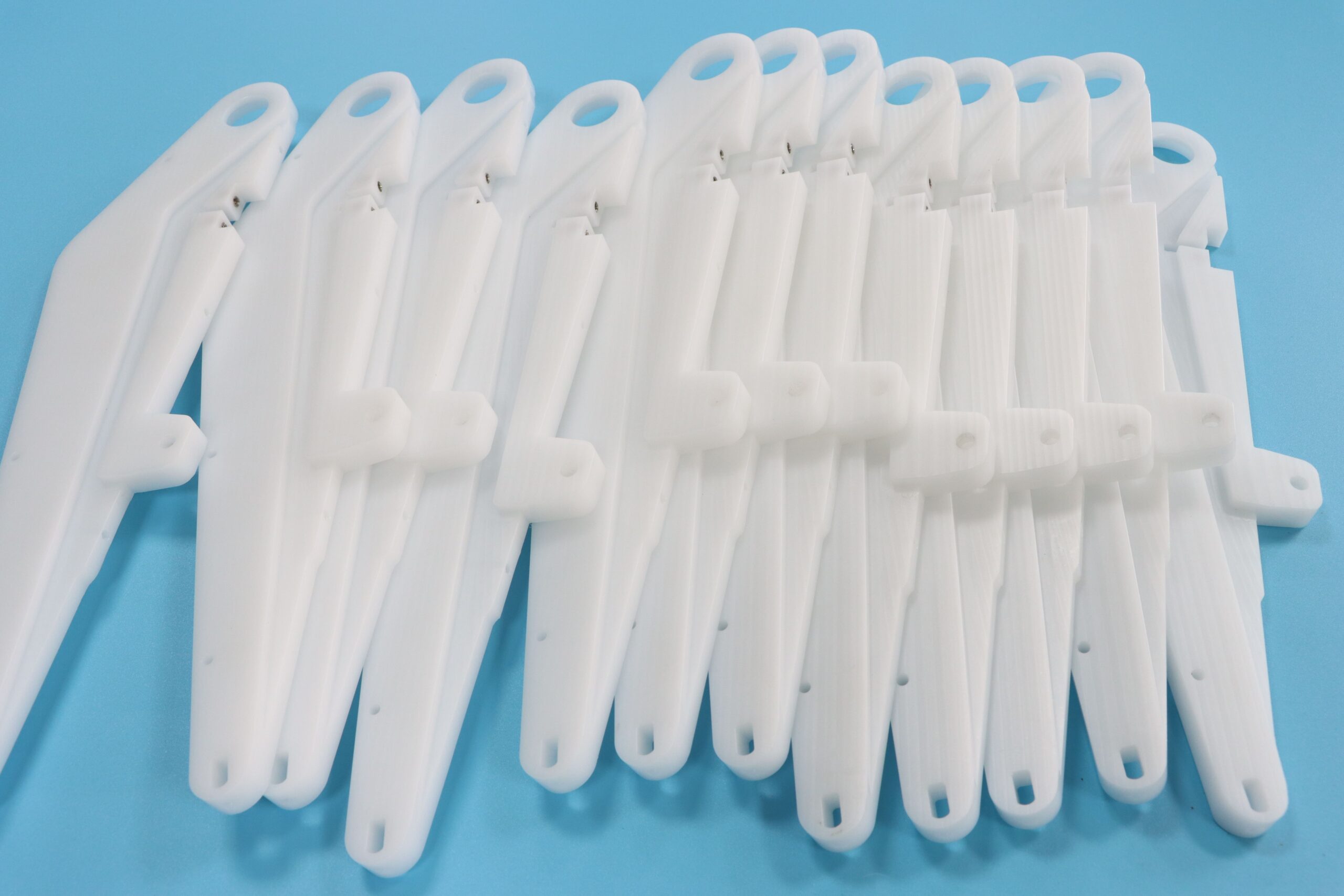
| Anodizing (Type II) | Clear, Black, Blue, Red, Gold, Grey | Creates a thin, durable electrochemical oxide layer. Provides excellent corrosion resistance and allows for custom decorative coloring. | Aluminum, Titanium |
| Hardcoat Anodizing (Type III) | Dark Grey, Matte Black | Produces a thick, high-density ceramic layer (up to 50 μm). Engineered for extreme surface hardness and superior abrasion/wear resistance. | Aluminum (Industrial & Aerospace) |
| DLC Coating (Diamond-Like Carbon) | Sleek, Metallic Black | Delivers extreme surface hardness, ultra-low friction, and premium scratch resistance while retaining crisp geometric part dimensions. | Steel, Stainless Steel, Titanium |
| Titanium Nitride (TiN) | Bright Metallic Gold | Physical Vapor Deposition (PVD) coating that significantly extends tool or component life by increasing hardness and lowering friction. | Steel, Stainless Steel, Tool Dies |
| Metal Plating (Gold, Silver, Nickel, Chrome) | Gold, Silver, Bright Silver/Grey | Electroplating or electroless processes. Enhances electrical conductivity (Gold/Silver), wear resistance (Chrome), or uniform corrosion protection (Nickel). | Copper, Brass, Steel, Aluminum |
| Chemical Conversion Coating | Clear, Iridescent Yellow/Gold | Also known as Chromate Film / Alodine. Protects raw aluminum from oxidation while maintaining electrical conductivity. Excellent primer for paint. | Aluminum |
| PTFE (Teflon) Coating | Dark Grey, Black, Green | Provides a highly non-stick surface with superior chemical resistance, high-temperature tolerance, and exceptional self-lubricating behavior. | Steel, Stainless Steel, Aluminum |
| Case Hardening / Heat Treatment | Dark Matte Metallic | Alters the metal’s microstructure via thermal cycles. Increases core tensile strength and surface hardness to prevent heavy structural deformation. | Carbon Steel, Alloy Steel, Tool Steel |
| Passivation | No change (Retains base metal look) | Chemical acid treatment that strips free iron from the surface, generating a passive oxide shield to maximize rust and corrosion immunity. | Stainless Steel |
| Powder Coating | Full RAL/Pantone Color Range | Electrostatic dry powder coating baked to form a highly durable protective skin. Exceptional resistance to chemical impacts, scratching, and chipping. | All Metals (Steel, Aluminum) |
| Industrial Painting | Custom Color / Matte / Glossy | Liquid coating application for premium surface cosmetics, uniform branding colors, and foundational anti-corrosive shielding under open weather conditions. | All Metals, Select Plastics |

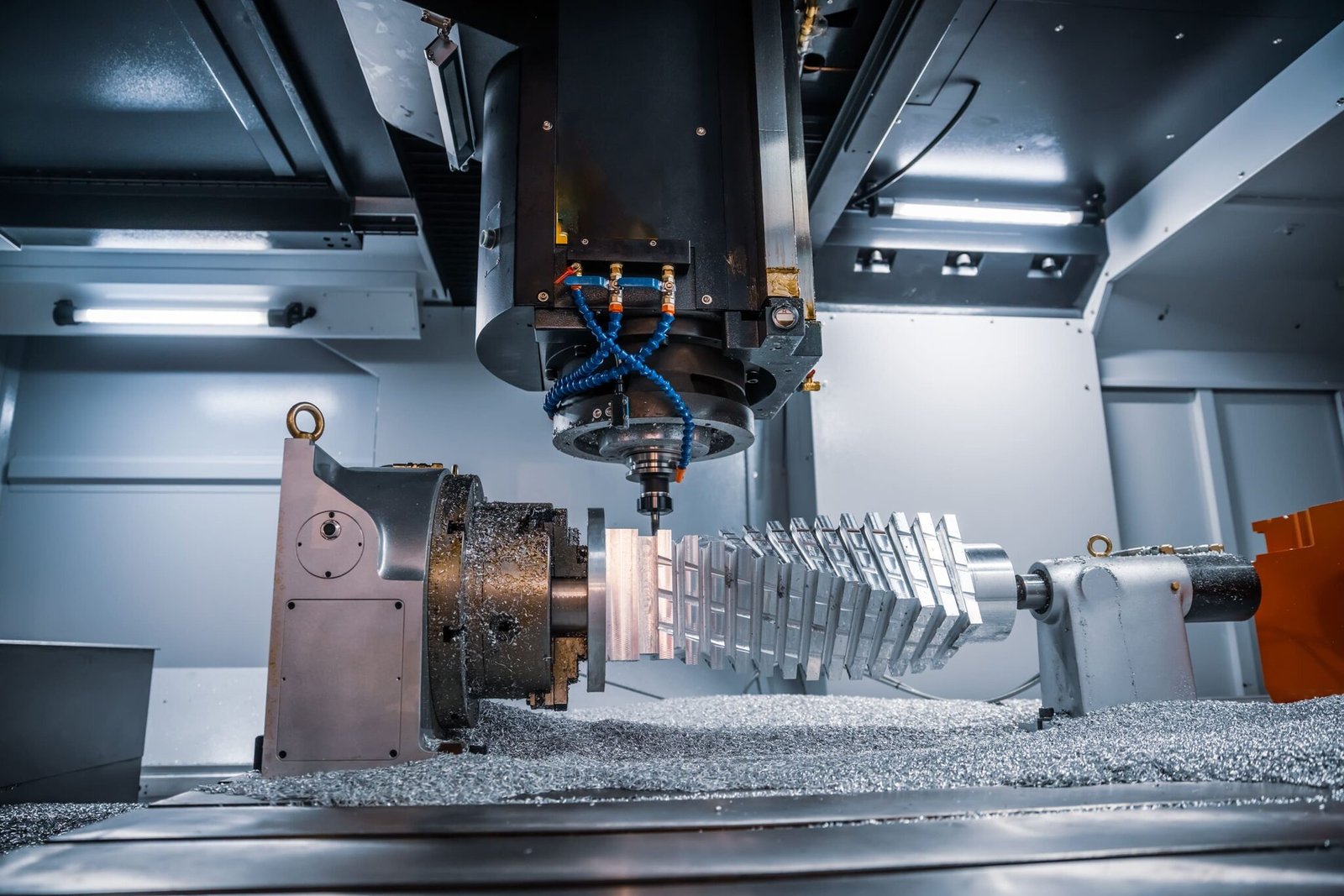
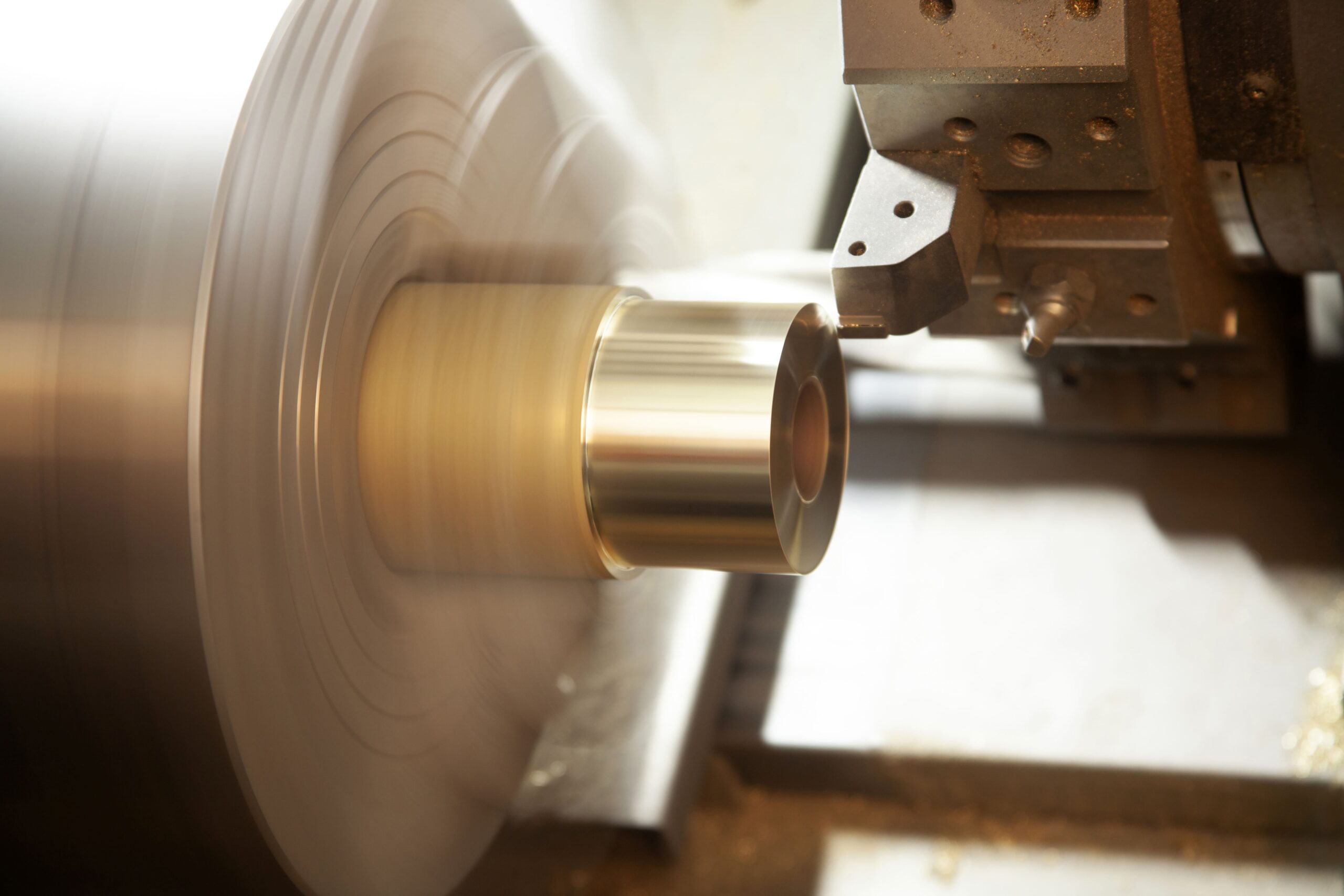
CNC (Computer Numerical Control) machining is a subtractive manufacturing process where pre-programmed computer software dictates the movement of factory tools and machinery. It works by removing layers of material from a raw block (blank or workpiece) using high-speed precision cutting tools to produce a finished custom metal or plastic component according to a 3D CAD model.
Custom CNC machining delivers exceptional dimensional accuracy, extreme repeatability for low-to-high volume production, and rapid turnaround times. Unlike injection molding or casting, CNC machining requires no expensive front-end tooling investments. This makes it highly flexible for processing a wide range of certified engineering materials, including metals like Aluminum and Stainless Steel, as well as high-performance plastics.
The most common technical challenges include managing deep cavities that cause tool deflection, preventing thin walls from deforming under cutting forces, and machining tight internal corners due to natural tool radii. Additionally, balancing strict geometric tolerances with the inherent stress relief of specific metals or engineering polymers can require advanced toolpath optimization and custom workholding fixtures.
Yes, our senior engineering team performs a manual, comprehensive DFM (Design for Manufacturability) review within 24 hours of receiving your CAD files. We analyze your design blueprint for potential manufacturing bottlenecks—such as hard-to-machine deep holes, unstable thin walls, or sharp internal pockets—and suggest real-time geometric optimizations to lower production costs.
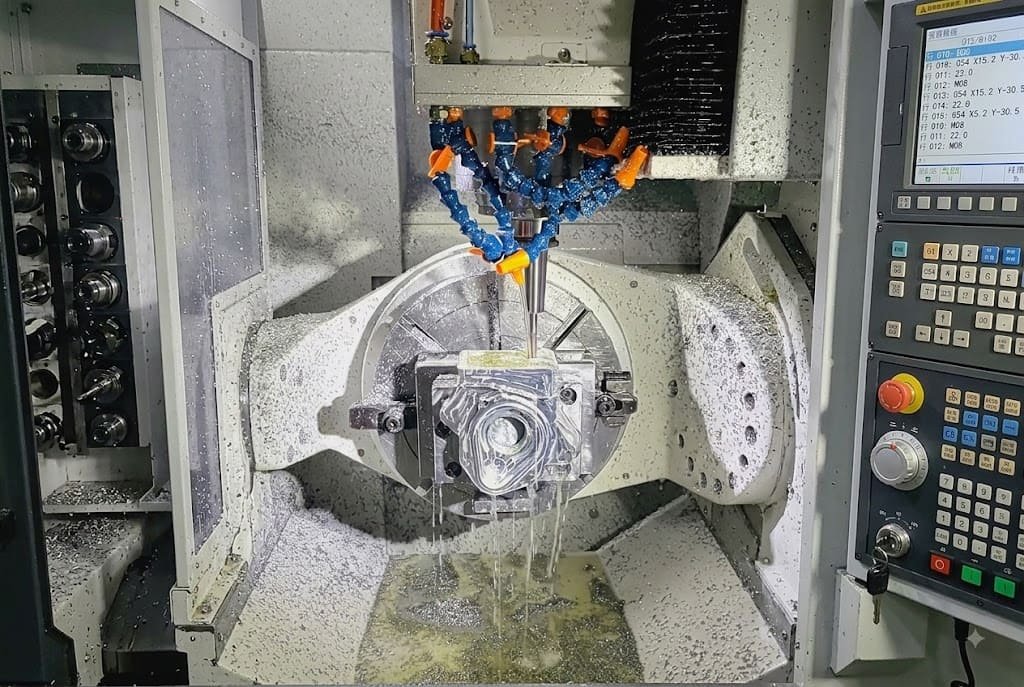
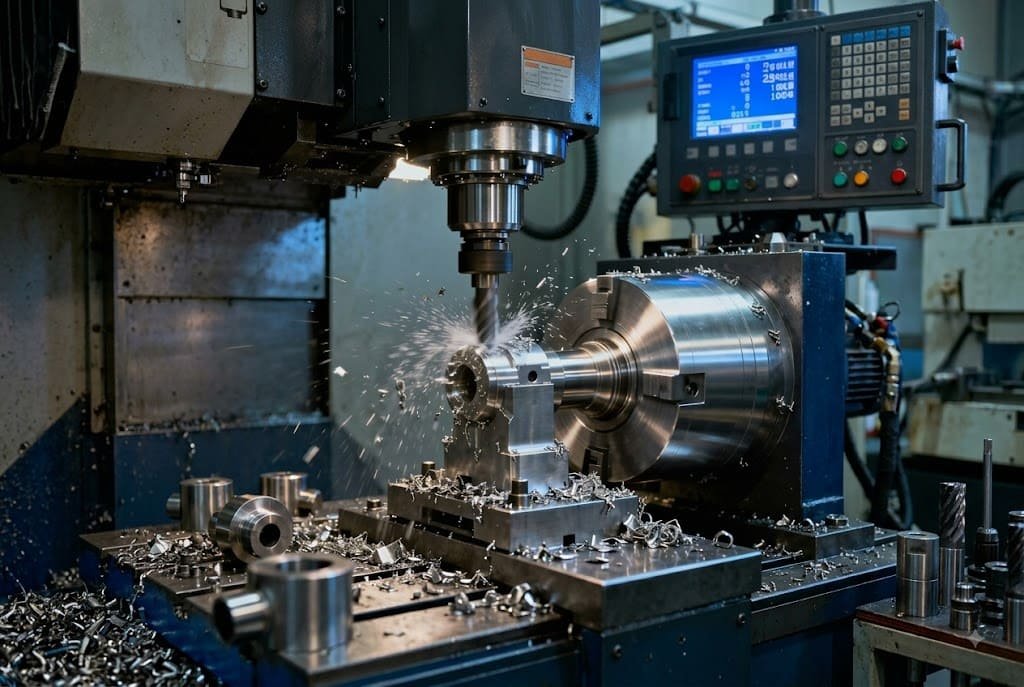
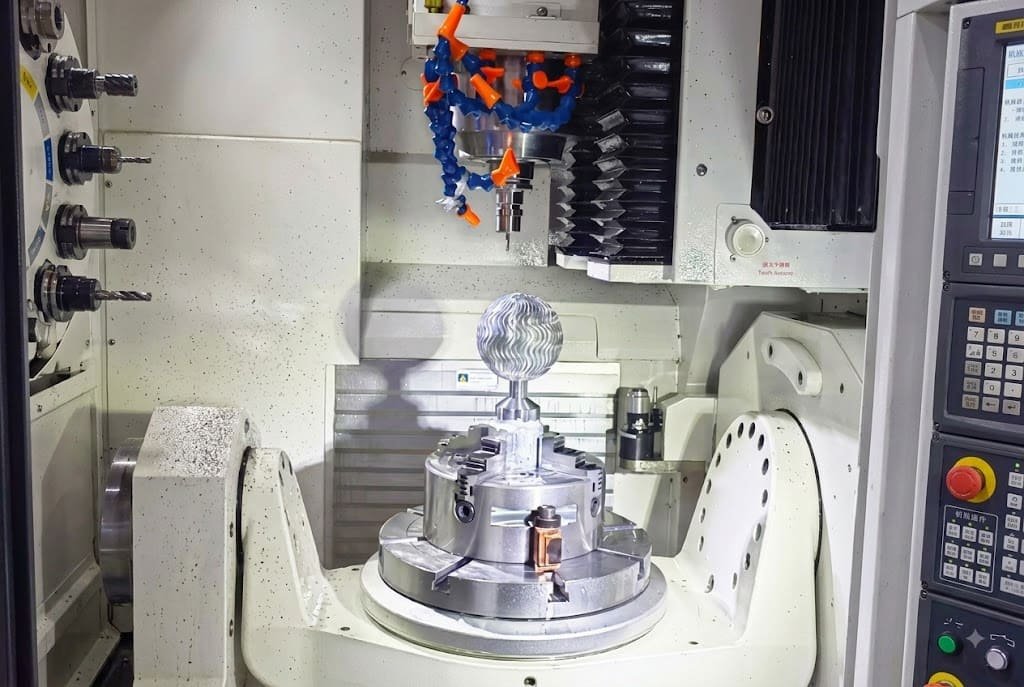
Tenghui operates an advanced 3,000+ ㎡ manufacturing facility equipped with over 60 high-speed multi-axis CNC machines, including advanced 3-axis, 4-axis, and simultaneous 5-axis CNC milling centers, precision CNC lathes with live tooling, and secondary processing systems. We support parts ranging from single-unit NPI functional prototypes up to medium-volume production runs of 10,000 pieces per month.
Our standard machining tolerances follow the international ISO 2768-m (medium) or f (fine) classifications. For critical interference fits, bearing bores, and precision alignments, our multi-axis setup can consistently achieve tight dimensional and geometric controls down to ±0.005mm (0.0002 inches) depending on part geometry and material selection.
While automated cloud-manufacturing platforms rely strictly on rigid software algorithms that often misinterpret complex geometries, Tenghui provides an engineer-led manufacturing experience. We combine transparent pricing with adaptive, manual DFM reviews by senior engineers who understand actual machine behavior. Furthermore, as a direct manufacturer with an in-house facility, we provide full quality traceability, secure intellectual property protection, and flexible customer service that software middlemen cannot match.
To minimize CNC machining costs, design parts with larger internal corner radii to allow standard milling tools to cut efficiently. Avoid designing ultra-thin walls (keep them above 0.8mm for metals and 1.5mm for plastics), limit the depth of deep cavities to less than 4 times the tool diameter, and specify strict tolerances (like ±0.005mm) only for mission-critical surfaces where they are absolutely necessary.
Our standard lead time for rapid CNC prototyping is 3 to 5 business days, allowing for fast engineering validation. For low-to-medium volume series production runs, our typical turnaround time is 2 to 3 weeks, depending entirely on part complexity, total order quantity, and any secondary surface finishing requirements. Expedited production services are available upon request.
Yes, full quality assurance is embedded in our manufacturing workflow. Every shipment from Tenghui includes 100% genuine Mill Material Certificates confirming material traceability and formal dimensional inspection reports verified by our in-house CMM (Coordinate Measuring Machine) to ensure absolute compliance with your design specifications.
Once we receive your design files, our senior manufacturing engineers will manually perform a comprehensive DFM review and deliver an accurate, optimized quote within 24 hours.